
Facebook advertising, or Meta advertising as it's more accurately called now, remains one of the most powerful ways for a small business to reach customers. Meta's apps, Facebook, Instagram, Messenger, WhatsApp, and Threads, reach an average of 3.56 billion daily active people. That's not a typo. Roughly four in ten humans on earth open a Meta app every day, and you can put your ad in front of a precisely chosen slice of them.
But Meta advertising in 2026 is a different animal than it was a few years ago. AI has taken over the controls, the targeting playbook flipped, and privacy changes reshaped how you measure results. This playbook covers how Meta ads work now, what they cost, how the AI changed everything, and how Facebook fits alongside your other channels, including TV and connected TV, in an awareness and conversion strategy.
How Facebook ads work in 2026
You run Facebook and Instagram ads through Meta Ads Manager, the central hub for everything. When you build a campaign, you pick an objective, and Meta organizes these into six outcome-driven goals:
Awareness: get your brand in front of as many relevant people as possible.
Traffic: send people to your website or landing page.
Engagement: drive likes, comments, messages, or video views.
Leads: collect contact information from interested prospects.
App promotion: get people to install or use your app.
Sales: drive purchases, the direct-response workhorse.
Your ads can appear across a range of placements: the Facebook and Instagram feeds, Reels, Stories, Marketplace, Messenger, and Meta's Audience Network. Video, especially vertical video for Reels and Stories, is the highest-performing format across nearly every objective, so if you make one kind of creative, make short vertical video.
The biggest structural change is that in early 2026, Meta merged its manual and AI-driven campaign flows into a single interface. AI optimization for audience, placements, and budget is now on by default for every new campaign. You can toggle pieces off, but the platform is built around letting its algorithm do the heavy lifting.
The AI takeover: Advantage+
If you learned Facebook ads a few years ago, the hardest thing to accept is that most of your old manual skills matter less now. Meta's AI, branded Advantage+, runs the show.
Here's what the AI handles in 2026:
Advantage+ Sales campaigns automatically identify which users are most likely to convert, based on your creative, pixel data, and account history, rather than making you define an audience.
Advantage+ Audience replaces manual audience-building with adaptive AI that learns from engagement and expands beyond your preset segments.
AI creative tools generate image, video, and copy variations. Meta's generative AI can even scan a product URL, pull out your images and brand elements, and produce ad variations, including turning static images into short animated videos.
Adoption has exploded: more than 4 million advertisers now use Meta's generative AI creative tools, up roughly fourfold in six months. Meta reports that advertisers using its AI creative see meaningfully higher return on ad spend than those using manual creative. At Cannes in 2026, Meta went further, previewing an end-to-end system where you input a product URL and a budget, and AI generates the creative, targeting, placements, and budget across all its apps.
The practical implication for a small business is a shift in where your effort goes. You spend less time tuning audiences and bids, and more time on strategic inputs: choosing the right objective, feeding good conversion data, and supplying strong creative. The AI is powerful, but it's only as good as what you give it.
The creative-generation piece deserves special attention because it removed the biggest barrier for small businesses. For years, the thing that kept a local shop off Facebook wasn't the ad platform, it was the ad itself, the assumption that you needed a designer, a photographer, or an agency to make something worth running. Meta's AI creative tools changed that. Point the system at your website or product page and it can pull your images, write headline and description variations, resize everything for each placement, and even animate a still photo into short video. You still need judgment, you're choosing which variations fit your brand and message, but the raw production work that used to cost hundreds of dollars now takes minutes. For a business weighing whether Facebook ads are worth the effort, this is a genuine shift: the creative floor dropped, and the platform got more accessible to non-experts than it has ever been.
What Facebook ads cost
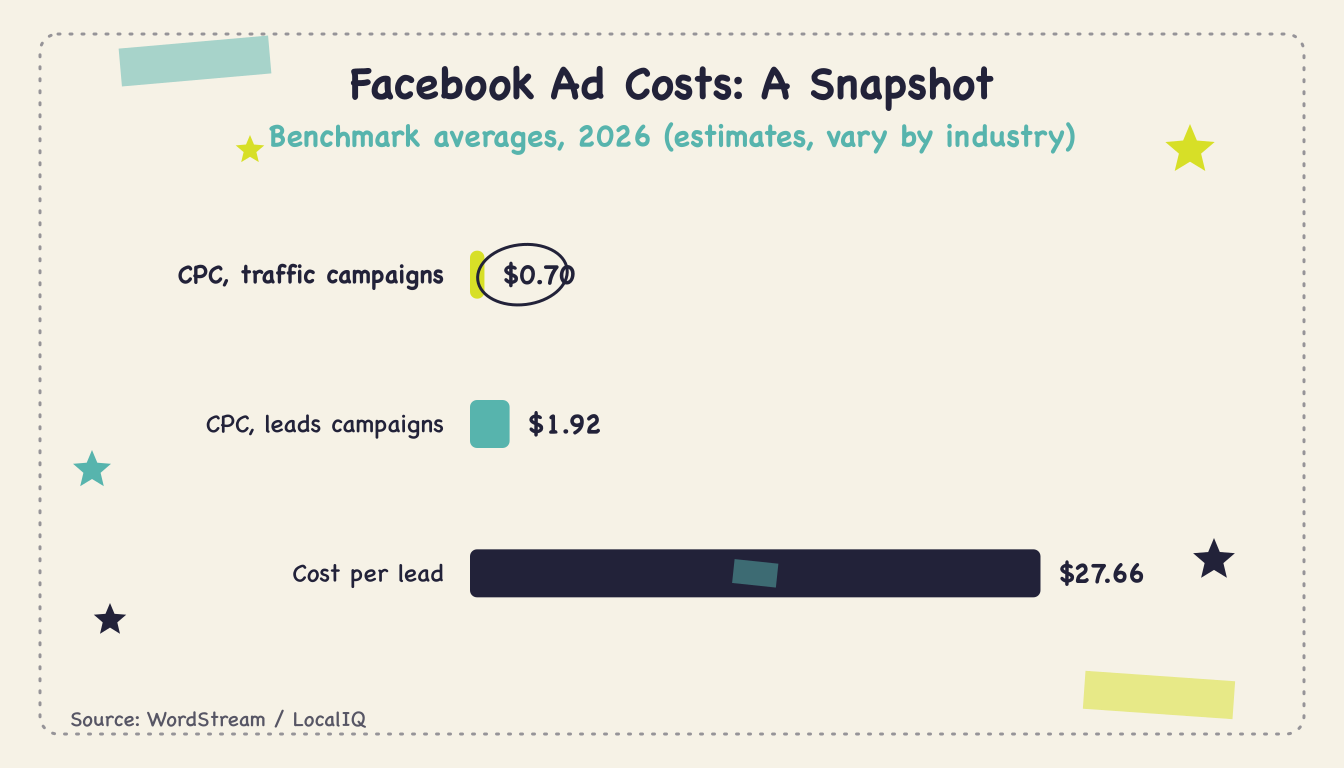
Facebook advertising is generally affordable, especially for top-of-funnel reach, though costs have been rising. Keep in mind these are benchmark estimates that vary widely by industry, objective, and audience, not fixed prices.
According to WordStream and LocalIQ's benchmarks, here's roughly where costs land:
Average cost per click (traffic campaigns): around $0.70
Average cost per click (leads campaigns): around $1.92
Average cost per lead: around $27.66
Average CPM (cost per thousand impressions): roughly $10 to $14 for feed ads, a bit less for Stories and Reels
Those click costs are substantially lower than Google Search, which is one of Facebook's core advantages, cheap reach at the top of the funnel. The trade-off is intent: Facebook reaches people who aren't actively searching for you, so conversion rates tend to run lower than high-intent search. If your Facebook ads have stopped delivering, our guide to what to try when Facebook ads aren't working covers the fixes and alternatives, but the headline here is that Meta remains one of the most cost-efficient ways to reach a large, targeted audience.
Costs are trending up, though. Meta's average price per ad rose 12% year over year in early 2026, a reminder that as more advertisers pile in, the auction gets more competitive. Strong creative and efficient targeting are how you stay ahead of rising costs.
Targeting in a privacy-first world
Targeting is where Facebook ads changed most dramatically, and it's worth understanding why. Apple's App Tracking Transparency, introduced back in 2021, let iPhone users opt out of the tracking Meta relied on to follow people around the web. Most did. That gutted the granular, interest-and-behavior targeting Facebook was famous for.
Meta's answer was to lean into AI and broad targeting. The old playbook, layering narrow interests to hand-build a tight audience, has largely been replaced. Here's the current state:
Core targeting still exists: demographics, interests, behaviors, custom audiences from your customer lists, lookalike audiences, and retargeting.
But broad targeting usually wins now. Meta's algorithm, given strong creative and clean conversion data, often outperforms heavily segmented audiences. Fighting the AI with over-narrow targeting is a common mistake.
First-party data matters more than ever. Your own customer lists and website pixel data have become your most valuable targeting inputs, since third-party tracking shrank.
The upshot is counterintuitive: in 2026, you often get better results by giving Meta a broad audience and excellent creative than by micro-targeting. Let the AI find your customers, and focus your energy on the ad itself and the conversion data you feed back.
The honest pros and cons
Every channel has trade-offs. Here's the straight version for a small business.
What Facebook ads are great for:
Unmatched reach. With 3.56 billion daily active people, no platform reaches more of your potential audience.
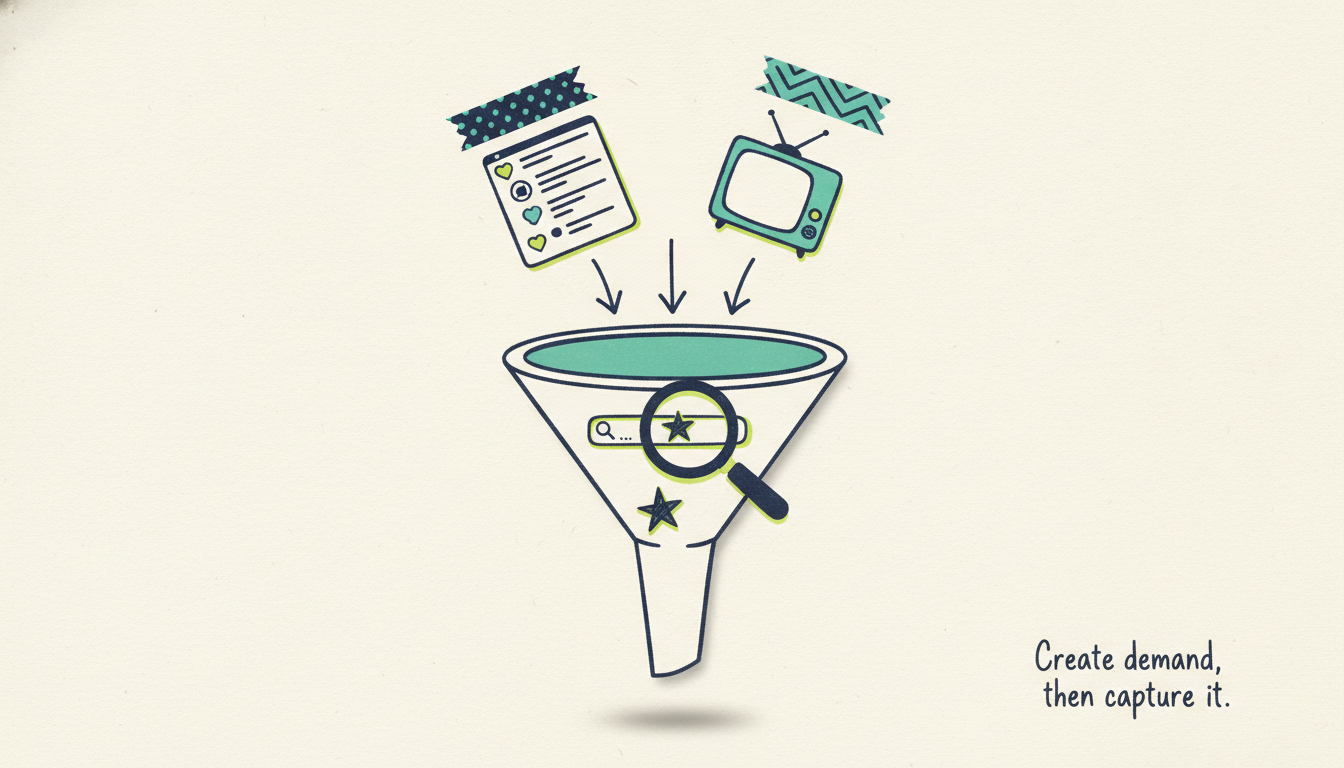
Visual demand generation. Facebook and Instagram put your product in front of people before they're searching, creating demand rather than just capturing it.
Affordable top-of-funnel reach. Low click costs make it efficient for awareness and discovery.
Strong for ecommerce and local. Audience-based targeting and shopping features work well for both online stores and local businesses.
AI-accessible creative. You no longer need a designer or agency to produce decent ads.
Where Facebook ads get hard:
Rising costs. Prices climb as competition grows, and popular audiences get expensive.
Creative fatigue. Audiences burn through ads fast, so you need to refresh creative constantly or performance decays.
Weaker attribution. Privacy changes made it harder to prove exactly which sales came from Facebook, which frustrates ROI-focused owners.
A real learning curve on measurement. Even as AI simplifies setup, understanding what's working takes effort.
The most common mistakes flow from these: over-segmenting audiences (fighting the AI), running stale creative, skipping the pixel and Conversions API setup, and judging campaigns before they've had time to learn.
Facebook, Google, and TV: how they fit together
Here's the strategic picture, because Facebook shouldn't be your only channel. Each major channel plays a different role, and the winning approach uses them together.
Think of it this way:
Facebook and Instagram are interest and discovery channels. They interrupt people scrolling their feed and create demand by showing them things they weren't searching for.
Google Search is an intent channel. It captures demand at when someone actively searches for what you sell.
TV and connected TV are also demand-creation channels, but on the biggest screen in the house instead of a phone feed.
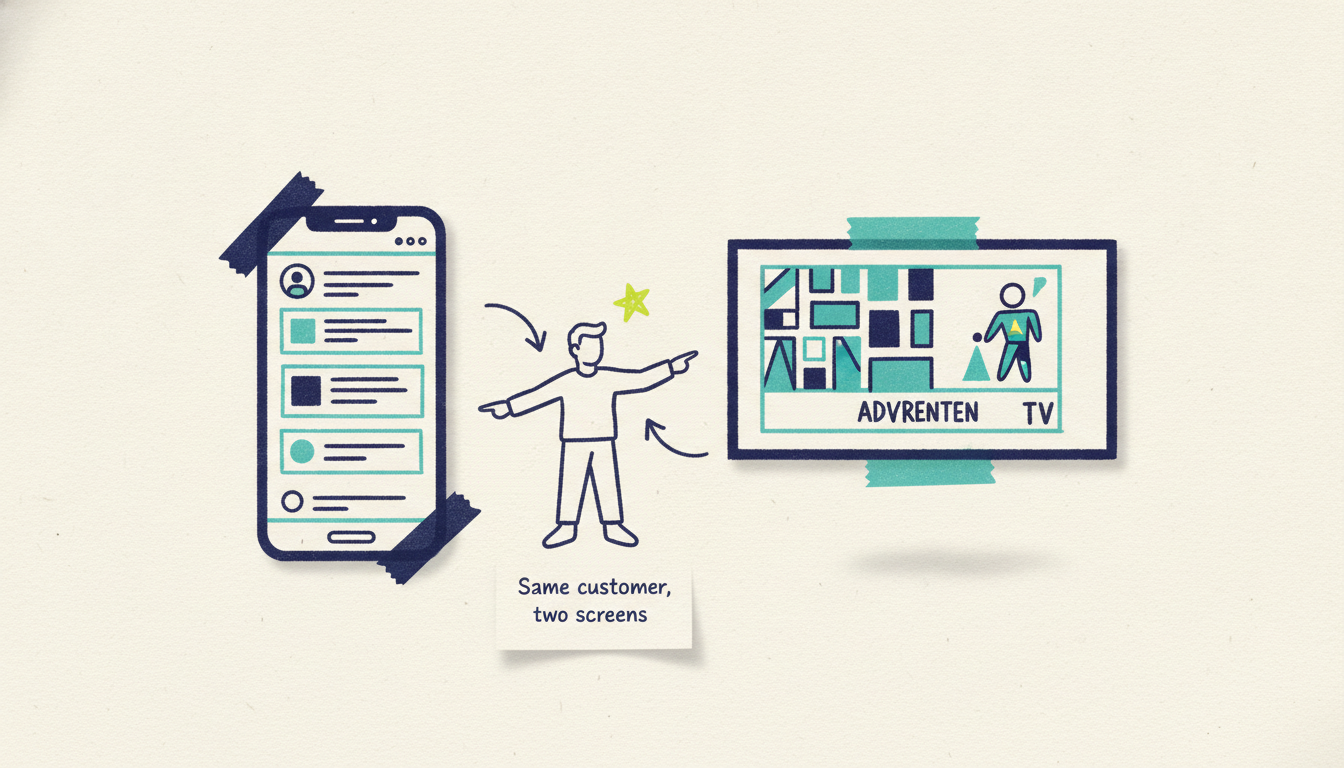
Facebook and TV are natural partners because they're both demand creation, just on different screens. Facebook reaches people scrolling on their phone; connected TV reaches them leaning back in the living room. Running both covers the full demand-creation surface, mobile and TV, while Google captures the intent those channels generate. That's an awareness and conversion strategy, and it's why our CTV vs Meta ads comparison lands on "use them together" rather than "pick one."
This is exactly the logic behind running channels from one place. Adwave runs Meta ads (Facebook and Instagram) alongside Google, YouTube, Reddit, and display, plus TV and connected TV across 100+ premium channels. For a small business, that means you can build demand on the social feed and the living-room TV at once, then capture it with search, without juggling separate tools.
A practical playbook for small businesses
Here's how to run Facebook ads well in 2026.
Pick the right objective. Match your campaign objective to your real goal. Feeding Meta the right conversion signal, Sales or Leads for direct response, matters more than any manual tuning.
Lead with video. Vertical video for Reels and Stories is the top performer. Use AI creative tools to produce several variations and let the platform test them.
Trust broad targeting. Give the algorithm a broad audience plus strong creative rather than over-segmenting. Add custom and lookalike audiences from your own data as inputs, not straitjackets.
Install the pixel and Conversions API. This is non-negotiable in 2026. The Meta Pixel plus server-side Conversions API feed conversion data back to the algorithm and recover the attribution accuracy that privacy changes eroded.
Refresh creative often. Plan to swap in new ads regularly to fight fatigue. Stale creative is the fastest way to watch performance decline.
Give it time to learn. Let campaigns run long enough to exit the learning phase before you judge them. Killing a campaign after two days tells you nothing.
The single biggest mindset shift is this: your competitive edge in 2026 isn't manual optimization, it's strategic inputs. Choose the right goal, feed clean data, supply great creative, and let Meta's AI do what it's good at.
The pixel and Conversions API point is worth underlining, because skipping it is the quiet mistake that undermines everything else. The Meta Pixel is a snippet of code on your website that reports what visitors do, and the Conversions API sends that same data server-side, which matters because browser-based tracking has gotten unreliable in a privacy-first world. Together they're how Meta learns which people convert, and that learning is what powers the AI targeting you're relying on. Run ads without them and you're asking the algorithm to optimize blind. Set them up first, and every campaign that follows gets smarter, because the AI finally has clean signal about who your real customers are. For a small business, an afternoon spent on proper tracking setup pays for itself many times over in better-performing campaigns.
Common questions answered
How much do Facebook ads cost for a small business? Benchmark estimates put average cost per click around $0.70 for traffic campaigns and $1.92 for leads campaigns, with an average cost per lead near $27.66, though costs vary widely by industry and objective. CPMs run roughly $10 to $14 for feed ads. There's no hard minimum budget, but you need enough spend to give the algorithm conversion data to learn from.
Is Facebook advertising still worth it in 2026? Yes. With 3.56 billion daily active people across Meta's apps and low top-of-funnel costs, Facebook remains one of the most cost-efficient ways to reach a large, targeted audience. It works best as a demand-creation channel, building awareness and interest, paired with search to capture the demand it generates.
Should I use Advantage+ or build campaigns manually? In 2026, Advantage+ is the default and generally recommended, even for small businesses. Meta's AI now outperforms most manual optimization. Your job has shifted from tuning audiences and bids to providing strategic inputs: the right objective, strong creative, and clean conversion data.
Why did my Facebook ad targeting get less precise? Privacy changes, especially Apple's App Tracking Transparency, cut off much of the third-party data Meta used for granular targeting. The platform responded by favoring broad, AI-driven targeting over narrow interest layers. In 2026, broad targeting plus strong creative often outperforms heavily segmented audiences.
How do Facebook ads compare to TV advertising? Both are demand-creation channels, they build awareness and interest rather than capturing active search demand. The difference is the screen: Facebook reaches people on their phone feed, while TV and connected TV reach them in the living room. Running both covers the full demand-creation surface, and platforms like Adwave let you do both from one place.
The bottom line
Facebook advertising in 2026 is powerful, affordable, and more automated than ever. The reach is unmatched, the AI has made creative and setup accessible to anyone, and the cost of reaching a targeted audience remains low. The catch is that your old manual skills matter less, and your strategic inputs, objective, creative, and data, matter more.
The smartest move is to treat Facebook as one layer of an awareness and conversion strategy. Build demand on the social feed and the living-room TV, then capture it with search. That combination beats any single channel.
Adwave runs Meta ads plus TV, connected TV, Google, YouTube, Reddit, and display from one place, and generates the creative for you. See how Adwave works to build an awareness and conversion strategy, or check pricing to get started from $50.


