Auto glass advertising works best when it reaches a driver at two points: the moment they search for help with a chipped or cracked windshield, and the weeks before that, when your name becomes familiar. Google Search captures the urgent job. TV, social and web ads build recall.
With Adwave, TV, Google Search, Facebook and Instagram all run from a $30/day minimum, using ads created from your website.
How auto glass customers choose a shop
A windshield problem usually shows up without warning. A stone hits the glass on the highway, a chip spreads overnight in the cold, or a break-in leaves a side window shattered. The driver wants three answers fast: can it be repaired, who can do it soon, and will insurance pay. Many reach for their phone and search for a nearby shop or a mobile service that comes to them.
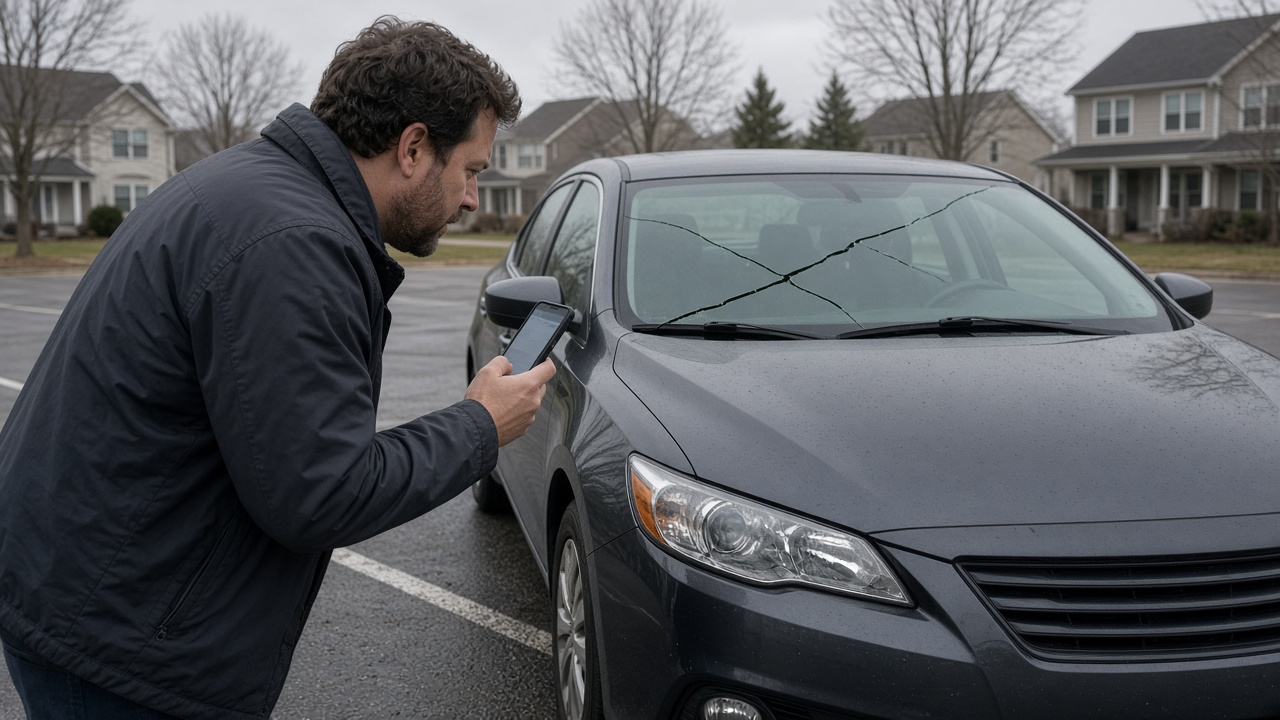
The type of job shapes the ad. Chip repair is a quick, low-cost sell built on convenience. Replacement is the bigger job and the bigger market. Replacement made up 78.28% of automotive aftermarket glass spend in 2024, according to Mordor Intelligence’s aftermarket glass report. The same report notes that windshields with embedded electronics rarely qualify for repair, and that calibrating Advanced Driver Assistance Systems (ADAS), the cameras and sensors mounted behind the glass, adds considerable value to a typical windshield job. If your shop does calibration, say so in your ads. A driver with a newer car needs to know you can finish the whole job.
Speed alone won’t win the call. The shop also needs enough credibility to beat a national brand the driver has heard of. Local photos and real technicians help close that gap, along with clear insurance information. Auto glass has a lot in common with other vehicle service businesses, and the same principles run through our guide to ads for auto repair businesses.
Which advertising channels fit an auto glass shop
Search catches drivers who already need glass work. The other channels make sure your name is the one they recognize when they search.
| Channel | Job it does for an auto glass shop | What to watch |
|---|---|---|
| Google Search | Reaches people searching for windshield repair near them, mobile glass service or camera calibration | Keep ads matched to services you actually offer and areas you actually cover |
| Facebook and Instagram | Builds local awareness with short video, before-and-after shots and your mobile service area | Use real photos of your crew and vans, not stock images |
| TV and streaming TV | Puts your name in front of households before the glass breaks, so they remember it later | Results show up indirectly, through searches and calls, not clicks |
| Reaches people in local and car-focused communities | Optional; runs from about $35/day in Adwave | |
| Web and mobile apps | Keeps your shop visible to people who visited your site but didn’t call | Send clicks to a page with a phone number and booking form |
Google’s Local Services Ads are a separate option. They send leads as phone calls and messages from a listing in Google results, and the shop sets them up through Google’s own onboarding and verification. You run them directly with Google. Adwave does not manage them, but they can sit alongside an Adwave campaign.
Adwave buys media across eligible channels from one daily budget, and you can see how that works in our overview of multichannel advertising across channels. No separate ad accounts are needed: Instagram, TikTok and Reddit ads run on advertising accounts Adwave owns, along with Facebook, and Adwave sets up a Google Ads account for your workspace, according to the Adwave FAQ. Body and collision shops face a similar mix of urgent and insurance-driven jobs, and our guide to advertising for collision and body shops covers that buyer.
Budgets for auto glass advertising from $30 a day
Adwave campaigns run on a prepaid daily budget from $30 to $10,000, with no subscription or contract, as listed on the Adwave pricing page. The budget covers the whole price for media, ads, and management. Higher budgets open more channels.
| Daily budget | Channels available | 30 active days |
|---|---|---|
| $30/day | TV, Google Search, Google (YouTube and Demand Gen), Facebook and Instagram, mobile web and apps | $900 |
| About $35/day | Adds Reddit | About $1,050 |
| $75/day (pricing page example) | Same mix with more delivery | $2,250 |
| About $91/day | TikTok becomes available as an opt-in channel you turn on and connect | About $2,730 |
You can review your recommended ads before adding a card. New accounts start with an empty wallet, so you deposit funds when you are ready to launch, and a campaign pauses if the wallet can’t cover the day. Card deposits add the processing fee shown at checkout, and ACH deposits don’t. Campaign creative is included. Extra creation costs $0.38 per image, $6 per social video, $6 per 15-second TV spot and $12 per 30-second TV spot. Agencies running client campaigns pay for a separate license that starts at $499/month, with media at cost.
At $30 a day, most of the spend in a small service area goes to the strongest channels in your mix. Start there, then raise the budget once you see which calls come in. No budget guarantees a number of jobs. For wider context on local media prices, see our breakdown of what local advertising costs.
Ad creative that gets the phone to ring
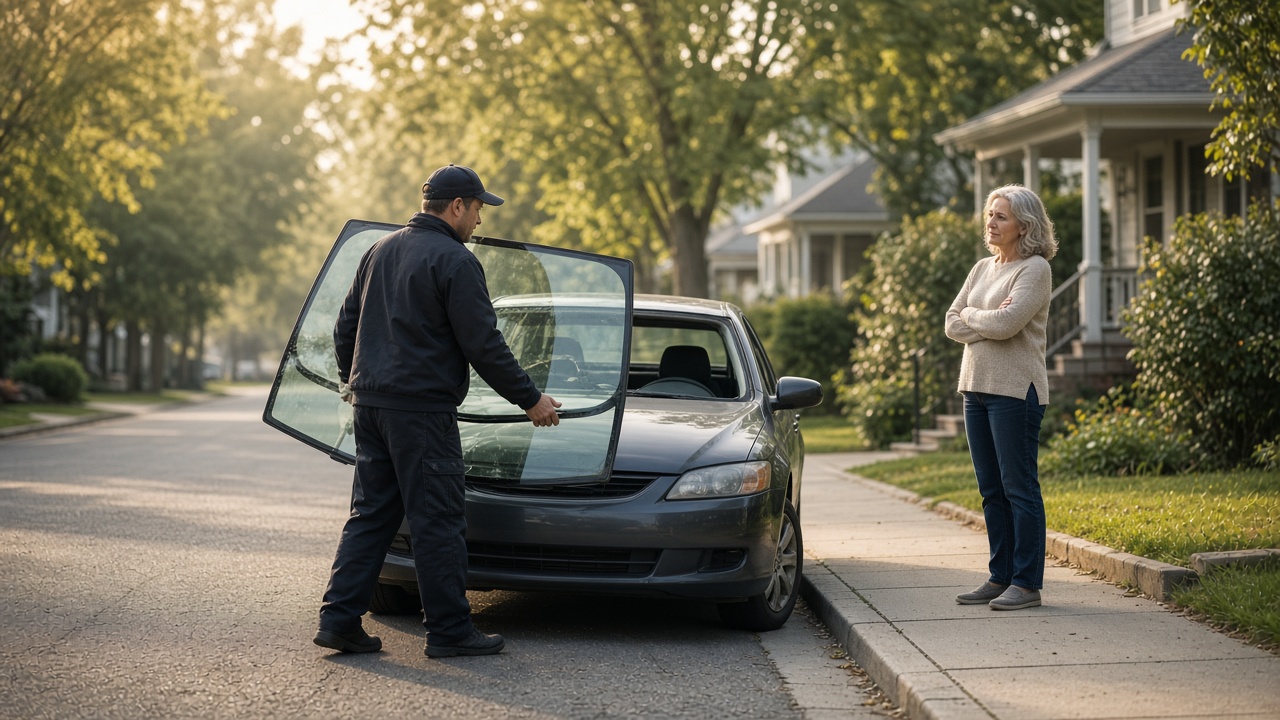
Here’s an example campaign for a mobile auto glass shop.
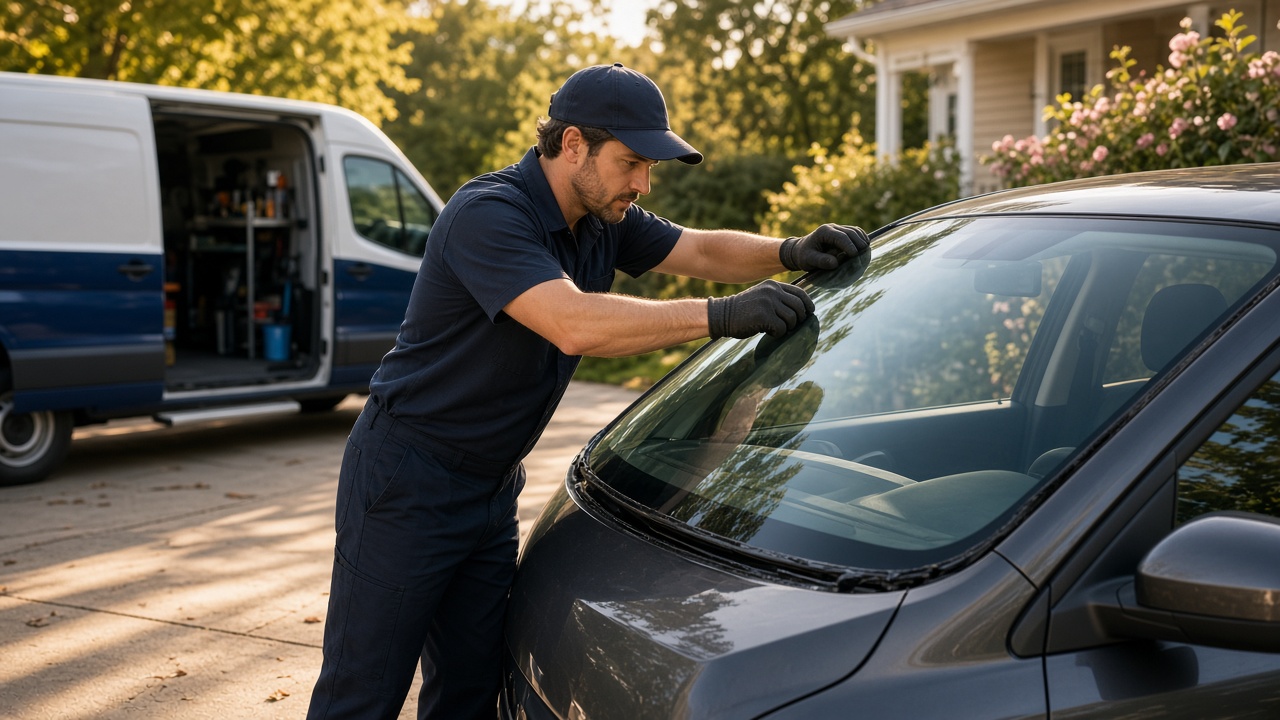
The offer combines the three things a driver worries about: chips fixed before they spread, a technician who comes to your home or office, and help filing the insurance claim. Every ad points to one destination, a page with a tap-to-call number and a short booking form.
On TV and streaming, a 15-second spot shows a technician in a branded van pulling into a driveway, a quick shot of a chip being repaired, and the shop name and phone number on screen at the end. The search ad, for example, might read: Mobile Windshield Repair, We Come to You, Insurance Claims Handled. The social video, cut vertically, could follow the same technician from the van to a finished windshield in under 20 seconds.
Use your own photos and your own people. Local customers trust a face they have seen around town more than a generic image. Adwave reads your website for offers and photos, then puts together image ads and social video together with a TV spot, and lets you edit or upload your own before launch. For more on structuring short spots for a service business, see our guide to TV spots for repair shops.
Timing campaigns around weather and seasons
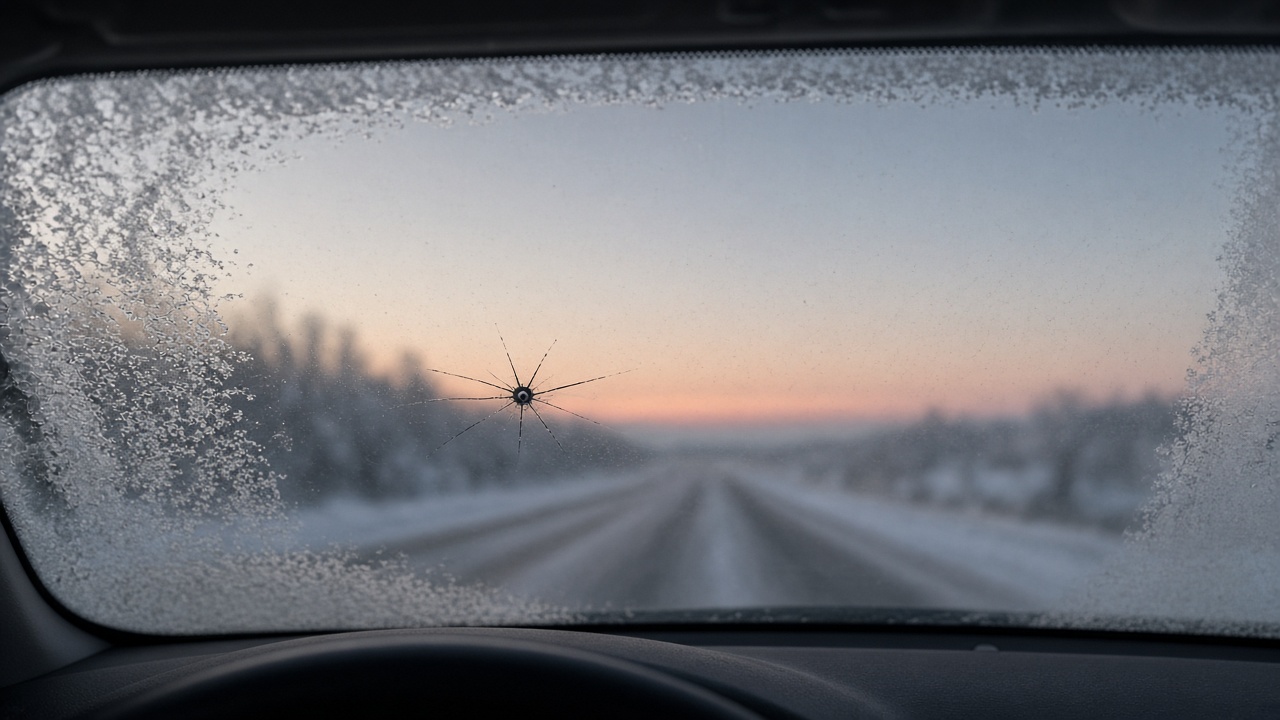
Auto glass demand shifts with the weather and the region, and with how people are driving, as Elmo Anywhere’s auto glass metrics guide notes. Cold snaps turn small chips into long cracks. Storms bring hail and debris. Road construction season scatters gravel. The busy stretches vary from one market to the next, so use your own job history to find yours.
Keep Google Search running all year, because someone breaks a windshield every week. Then raise TV and social spend ahead of your busy months, so your name is familiar when the calls start, and pull back in slow weeks. Adwave lets you change or pause a daily budget anytime. A new budget applies the same day if your wallet covers it, and pausing stops future daily charges.
Advertising rules that apply to auto glass shops
Auto glass ads follow the same truth-in-advertising standards as any other business, with a few points that come up often in this category. This is general guidance, not legal advice.
- Advertised prices should include every cost the customer can’t avoid. The FTC sent warning letters to 97 auto dealer groups on March 13 over deceptive pricing practices, Auto Dealer Today reported, and the agency has made clear that advertised prices must include all nonoptional costs.
- Reviews and testimonials in ads must follow the FTC’s Rule on the Use of Consumer Reviews and Testimonials and its Endorsement Guides, revised in 2023, both summarized on the FTC’s advertising and marketing guidance page. Use real customers’ words with permission.
- Each ad platform runs its own content review. In Adwave, your budget, audience, creative, settings and content eligibility determine which channels can run, and if one optional channel can’t launch, the rest of the campaign goes live and you’re told why.
Measuring calls and booked jobs
Start by installing your tracking snippet on your website and choosing the actions that count as a lead: calls, quote form submissions, and bookings made online. Give each conversion a value, such as your average repair or replacement ticket, and Adwave can report revenue and return on spend.
Read two views side by side. Last-touch credit shows which ad came right before the call, which usually favors search. Assisted conversions show which channels appeared earlier in the path. TV rarely gets last-touch credit, because the usual pattern is someone sees a spot, then remembers the name and searches later. If calls and branded searches rise when TV is running, that’s the signal to look for, while recognizing that weather and other factors also affect calls. Adwave also offers Lift experiments for a more controlled read on whether a channel adds jobs. No attribution model is perfect, so pair the reports with your own job records and ask new customers how they found you. For more ways to compare channels for a vehicle service business, see the best advertising options for repair shops.