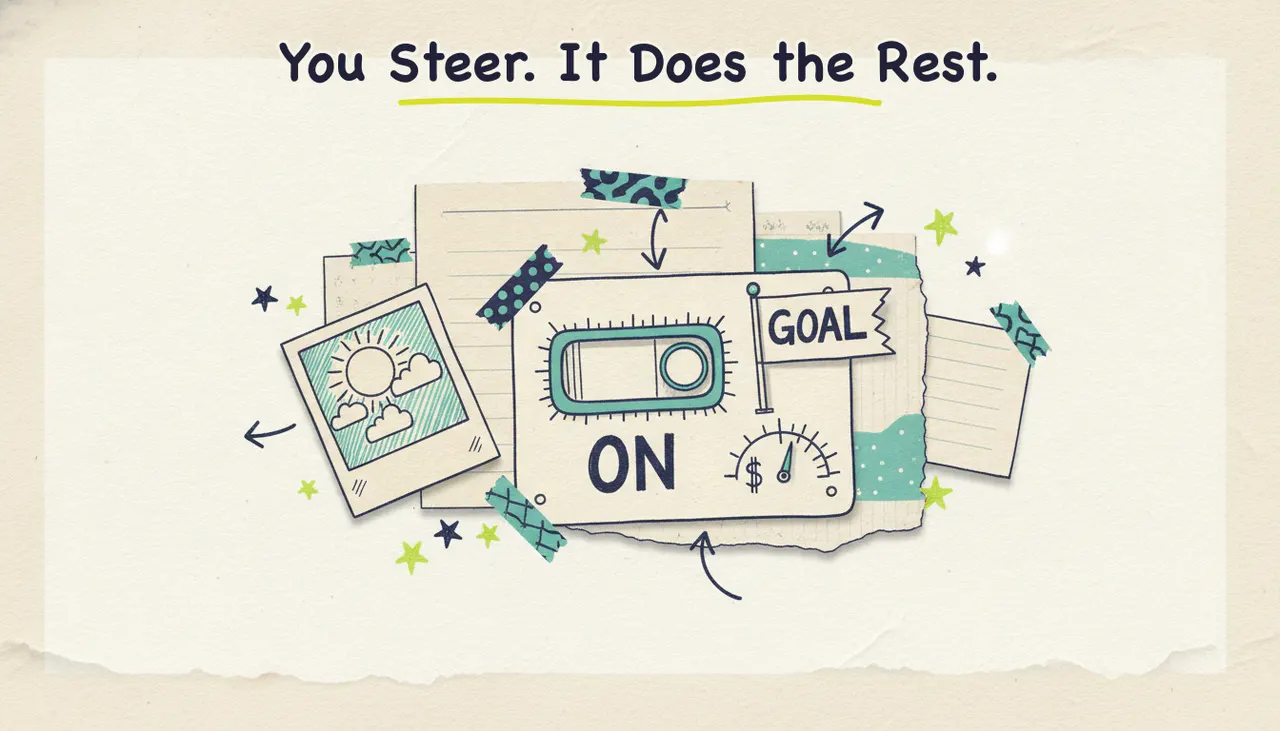
Advertising on autopilot means your ad campaigns build, run, and improve themselves, with software handling the ongoing work of buying media, adjusting budgets, and optimizing performance, while you set the direction and approve the important decisions. Instead of logging into five ad platforms to tweak bids and shift budgets by hand, you set a goal and a budget, and the system does the day-to-day management for you.
It's the difference between flying the plane and setting the destination. You're still in charge of where you're going. You're just not manually working the controls the whole way there. Here's exactly what runs on autopilot, what doesn't, and why it matters for anyone who doesn't want advertising to be a second job.
What "on autopilot" covers
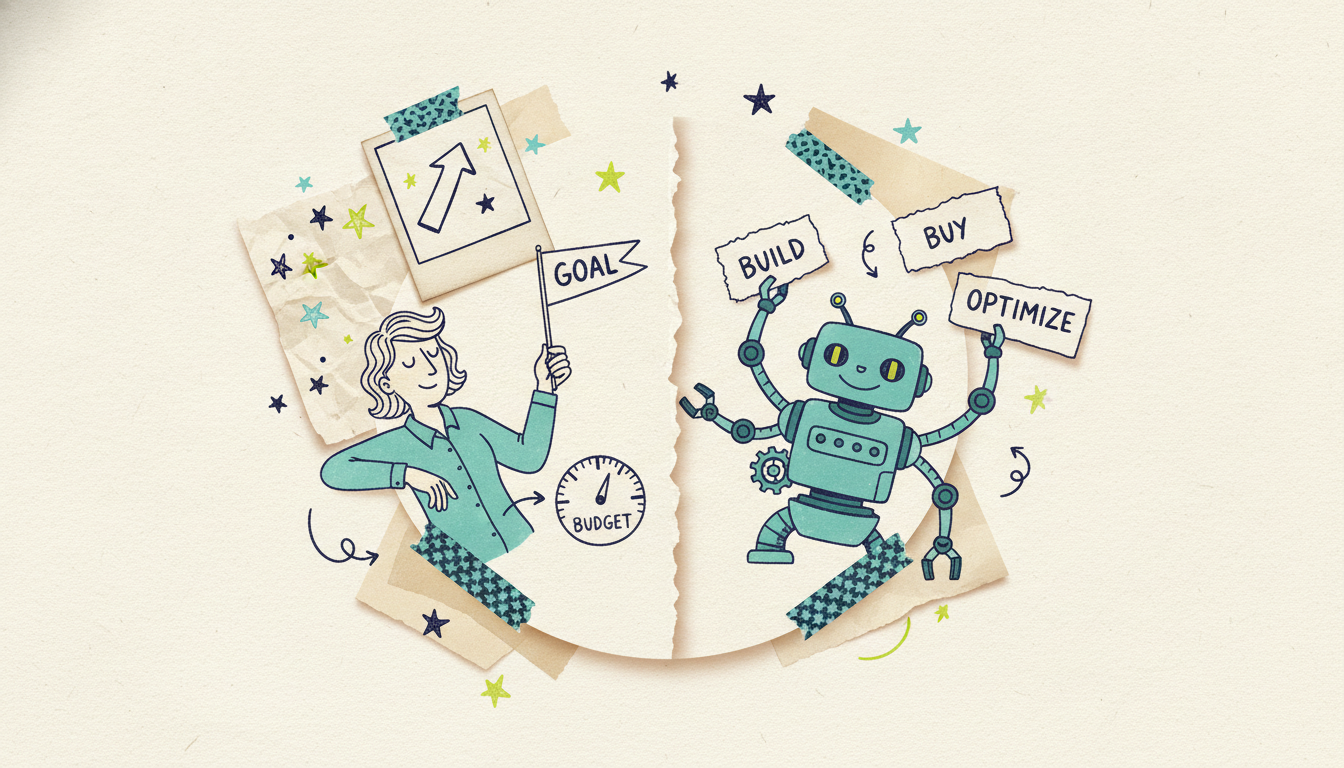
Real advertising autopilot handles the parts that used to eat your time and expertise:
Building the ads. Creative gets generated for each channel (and ideally from your own website), so you're not briefing a designer or starting from a blank screen.
Buying the media. Campaigns get set up and launched across channels without you configuring each platform separately.
Adjusting the budget. Spend moves toward what's working and away from what isn't, continuously, instead of you guessing and reallocating by hand.
Optimizing performance. Audiences, bids, and creative get tuned based on results, on an ongoing cadence rather than whenever you remember to check.
The common thread: autopilot takes the repetitive, skill-heavy, easy-to-neglect work off your plate. It doesn't take away your control over the things that need a human, the goal, the budget, and whether an ad is right for your brand.
What runs, and how often
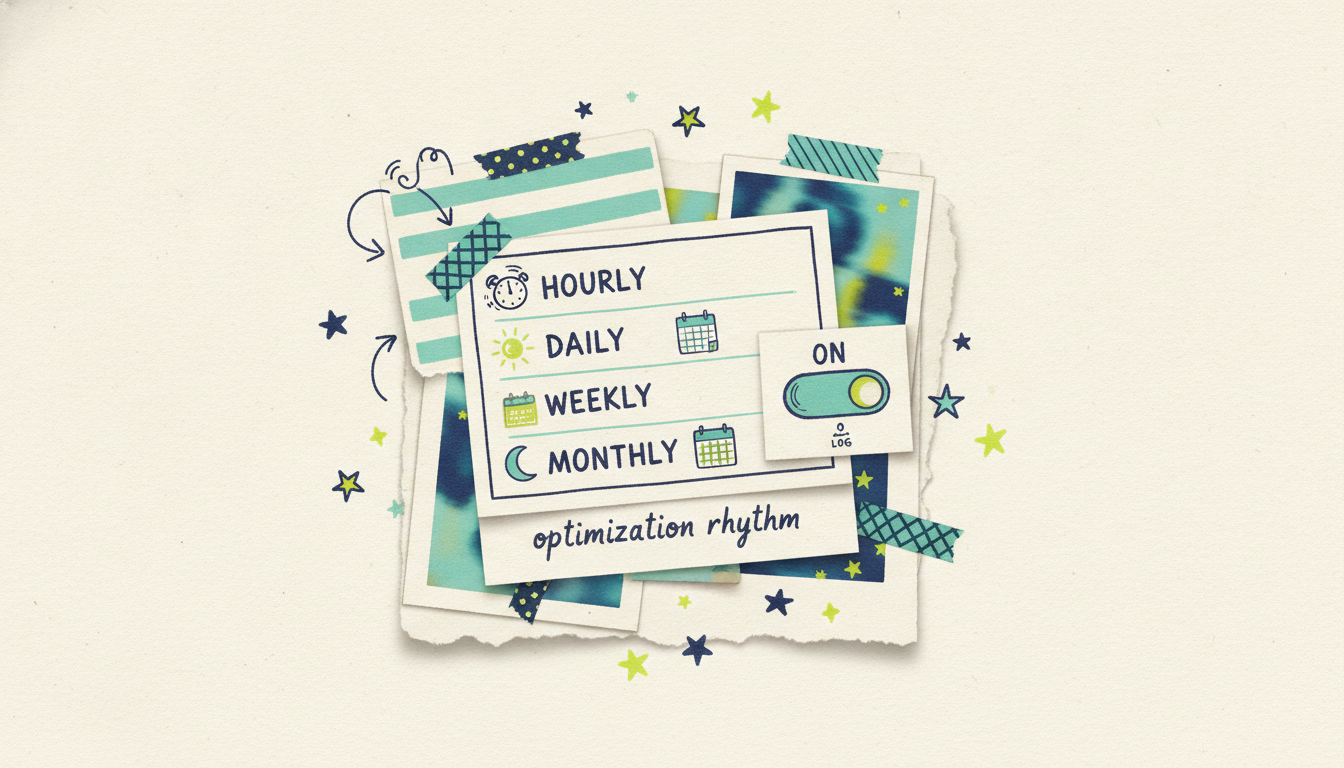
"Autopilot" isn't one thing that happens once. Good ad automation works on a cadence, adjusting different things at different rhythms, because that's how performance improves. A well-built system optimizes on a schedule something like this:
Adwave reviews campaign performance and adjusts supported settings toward your goal. Monitor spending and results as the campaign runs.
Autopilot vs "set and forget" vs doing it yourself
These get lumped together, but they're different things.
Doing it yourself means you're the autopilot. You build the ads, buy the media, watch the numbers, and move the budget. It works, but it's a real job, and most small businesses don't have time to do it well.
"Set and forget" usually means you launch a campaign and stop paying attention. That's not autopilot, that's neglect. Nothing's optimizing; the money just runs out however the initial setup pointed it.
True autopilot means the campaign actively manages and improves itself after launch, while keeping you informed. Set the direction, and it does the ongoing work, but it's still working, not coasting.
The distinction that matters: autopilot is active management done by software, not the absence of management. A good autopilot is busier than you'd ever be by hand.
What autopilot should not mean
Here's where a lot of "AI-powered" advertising goes wrong, and what to watch for. Autopilot should not mean a black box you can't see into.
Done right, advertising on autopilot still gives you:
Approval before you spend. You see the ads and approve them before they go live. Autopilot builds and proposes; you okay it.
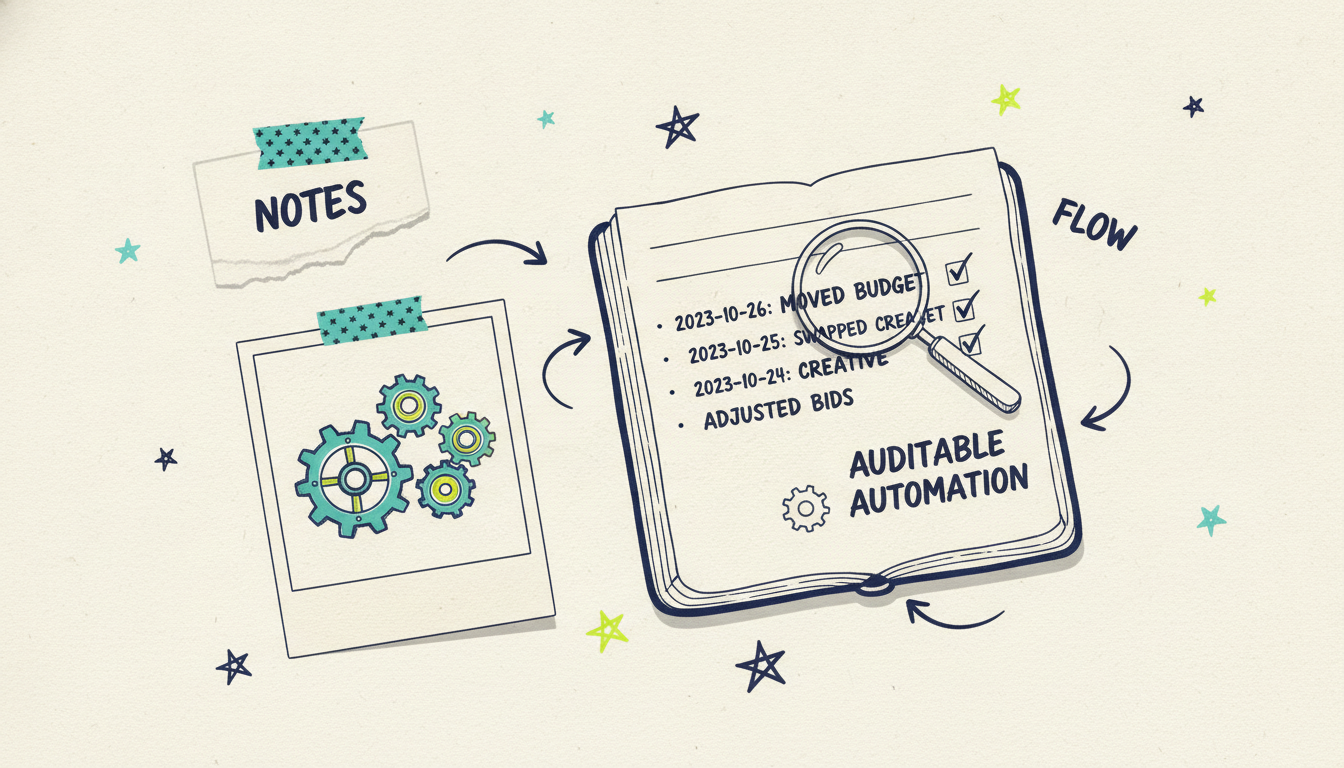
A logbook. Every change the system makes should be recorded, so you can see what it did and why. Automation you can't audit is just a mystery with your money in it.
Honest measurement. It should measure real results from your own data, and tell you the truth when results aren't there yet, not paper over a bad week with a vanity metric.
A guarantee of the process, not the outcome. No honest system can promise a specific return. What it can promise is that the work, the building, buying, and optimizing, happens, rigorously and continuously.
If "autopilot" means you hand over your budget and get a monthly number you can't verify, that's not automation you can trust. The good version keeps you in the loop while doing the work for you.
Why it matters for operators
If you run a business, you already know the problem autopilot solves. Advertising well across channels is demanding: different platforms, different formats, budgets to balance, numbers to interpret, all of it changing constantly. Do it yourself and it's a part-time job you didn't ask for. Hire it out and you're paying a retainer, which we get into in do you really need a marketing agency.
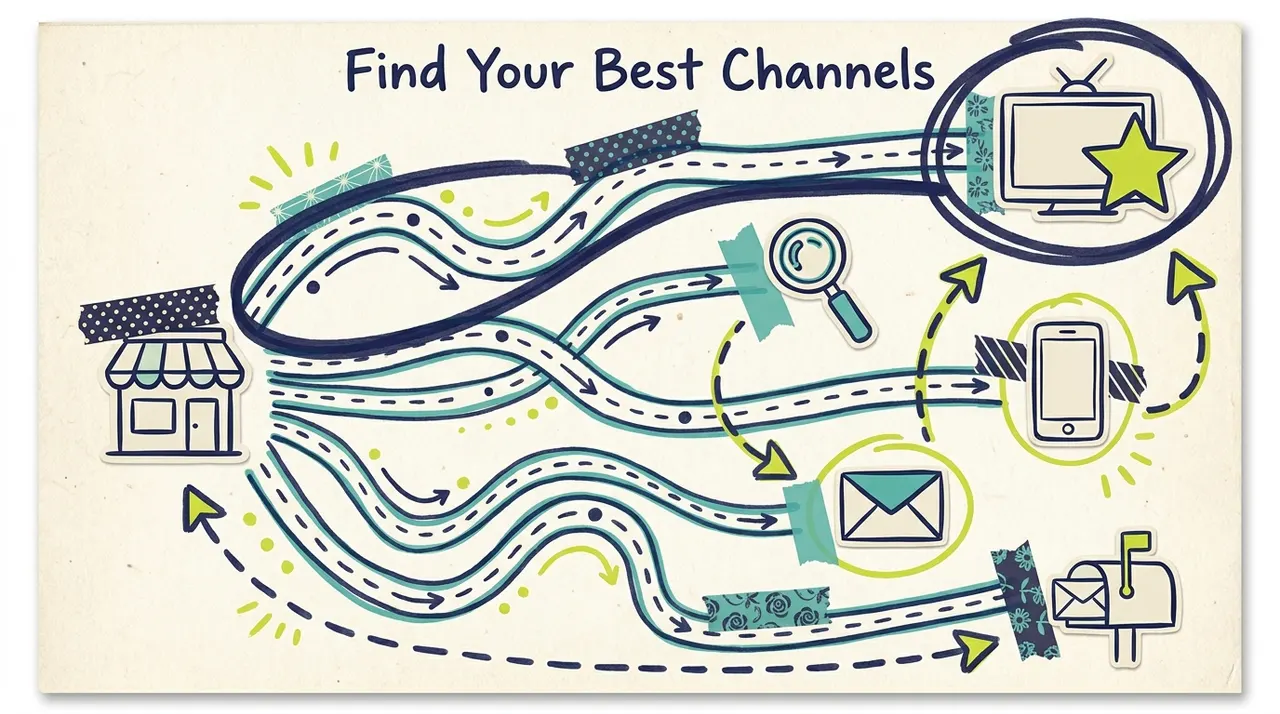
Autopilot is the third option: get the work done well without doing it yourself or paying an agency to. That's especially powerful across channels, where the manual management is hardest. Running one budget across search, social, and TV by hand is where most people give up and retreat to a single channel, and cross-channel ad campaigns explains why that retreat costs you.
The operators this suits aren't lazy. They're busy. They want customers and proof it's working, not a dashboard hobby.
A day in the life of an autopilot campaign
To make it concrete, here's roughly what happens after you set a goal, fund a budget, and approve your ads, without you touching anything.
In the first hours, the system starts learning who responds. It watches which audiences engage and how people move toward your goal, and it shifts impressions toward the ones showing promise. You're asleep or serving customers; it's sorting signal from noise.
Over the first day, it starts moving budget. The creative that's earning gets more; the creative that's flat gets less. Bids adjust to what each placement is worth. If one channel is outperforming, more of the day's spend flows there. None of this required you to log in.
Across the week, bigger patterns show up. Maybe your customers convert better after seeing an awareness ad first, then a retargeting ad, so the system leans into that journey. Maybe one channel that looked good on day one fades, and the mix rebalances.
By the month, it can run a holdout check, comparing people who saw your ads against a group who didn't, to see what your advertising caused versus what would've happened anyway. That's the honest version of measurement, and it's the kind of thing almost nobody does by hand.
Through all of it, you did four things: set a goal, set a budget, approved the ads, and glanced at the logbook. That's the trade autopilot offers, your judgment on the decisions that need it, the software's tirelessness on everything else.
Red flags: when "autopilot" is really a black box
Not everything labeled "AI" or "autopilot" is the good version. Watch for these:
It guarantees a specific ROAS or lead count. No honest system can. A promised return is a sales tactic, not automation.
You can't see what it's doing. No logbook, no record of changes. If you can't audit it, you can't trust it.
It won't show you the ads before spending. You should always approve creative before money moves.
The measurement only ever looks good. If every week is a win on their dashboard but your sales don't move, the measurement is the product, not your results.
It locks you into a contract to get started. Real confidence doesn't need a cancellation penalty.
The good version of autopilot is transparent by default. It does the work for you and shows its work.
Where Adwave fits
Adwave is advertising on autopilot, built the way the good version should be. It's a performance advertising product that builds the ads, buys the media across Meta, Google, Reddit, TikTok, web, mobile, and television, and optimizes on autopilot from your own site data, all from one budget. What that means in practice:
It builds the ads from your website, brand-matched, and you approve them before you spend.
It buys and runs the media across every channel from one campaign, so you're not managing five accounts.
It optimizes on a real cadence (hourly, daily, weekly, monthly) and logs every change, so the automation is auditable, not a black box.
It measures real results from your website tracking, and gives you an honest read when ROAS isn't there yet.
It guarantees the process, not the outcome. The work happens continuously; no one honestly promises a specific return.
And because it's prepaid, you fund a wallet, set a daily ceiling, and never sign a contract, so trying autopilot doesn't mean committing to anything. Prepaid advertising platforms covers that side, and multi-channel advertising for small business shows the wider picture.
Is advertising on autopilot right for you?
Autopilot is a strong fit if you:
Run a business and don't want advertising to be a job. You want customers and proof it's working, not another dashboard to babysit.
Advertise across more than one channel, or want to. The more channels, the more manual management there is to automate, and the bigger the win.
Don't want to hire an agency or sign a contract. You'd rather keep the control and the savings.
Care about knowing what's working. Autopilot with honest, own-data measurement beats guessing.
It's a weaker fit if you're a full-time performance marketer who enjoys hands-on control of every bid and audience, and has the time to do it. In that case, manual management is a legitimate choice, autopilot just frees up the time most people don't have to spare.
For the large majority of small and growing businesses, though, the honest answer is that the day-to-day work of running ads well is the kind of thing software should be doing. You bring the judgment about your business; the autopilot brings the tirelessness. That division of labor is why the category exists.
One more thing worth saying: trying it doesn't have to be a leap. Because the good version is prepaid and contract-free, you can start small, watch how it manages your budget for a couple of weeks, and decide from there. Autopilot isn't a bet you place; it's a way of working you can test.
How to try advertising on autopilot
You don't need a big budget or any ad experience to see how it works:
Start with a clear goal. More customers, more sales, more leads, whatever matters. The system optimizes toward what you tell it.
Set a budget you're comfortable with. Autopilot works at small budgets too, it just manages what you give it.
Approve the ads. Review what it builds before anything spends. This is your quality gate.
Watch the logbook, not the dashboard-refresh button. The whole point is that you don't have to babysit it. Check in, see what it changed, let it work.
A fair expectation for the first couple of weeks: give it a little time to learn. Autopilot gets better as it gathers data on who responds and what converts, so the first few days are partly the system finding its footing. Don't judge it on day two. Let it run, check the logbook to see it's working, and look at the trend over two weeks rather than the noise of any single day. That patience is most of what separates people who get results from autopilot and people who kill it before it warms up.
If that sounds like the version of advertising you want, one where the work gets done without becoming your job, that's the whole idea.
Common questions answered
What does "advertising on autopilot" mean? It means your ad campaigns build, run, and improve themselves through software, which handles buying media, adjusting budgets, and optimizing performance, while you set the goal and approve key decisions. You're steering; the system does the hands-on work. It's active, continuous management done for you, not a campaign left unattended.
Is advertising on autopilot the same as "set and forget"? No, and the difference is important. "Set and forget" means launching a campaign and ignoring it, so nothing optimizes and the budget just runs out however it was first set up. True autopilot actively manages the campaign after launch, adjusting budget, bids, audiences, and creative on an ongoing cadence, so it's the opposite of neglect.
Do I lose control if my advertising runs on autopilot? Not with a well-built system. You still set the goal and budget, approve the ads before they run, and see a logbook of every change the automation makes. Autopilot removes the repetitive work, not your oversight. If a platform hides what it's doing behind a black box, that's the version to avoid.
Can autopilot guarantee results? No honest system can promise a specific return, sales and ROAS depend on too many factors outside any tool's control. What good autopilot guarantees is the process: that the building, buying, and optimizing happen, rigorously and continuously. Be wary of anything promising a guaranteed ROAS or lead number; that's a red flag, not a feature.
How is autopilot different from hiring an agency? Both take the work off your plate, but an agency does it with people and a retainer (plus often a percentage of your spend), while autopilot does it with software and no contract. For most small businesses, autopilot delivers the ongoing management an agency would, at lower cost and with more visibility, since you can see every change instead of waiting for a monthly report.
Does advertising on autopilot work across multiple channels? Yes, and that's where it earns its keep. Managing search, social, and TV by hand is exactly the work most people can't keep up with. A cross-channel autopilot runs one budget across every channel and optimizes the mix automatically, so you get the multi-channel advantage without the multi-channel workload.
Bottom line
Advertising on autopilot means the ongoing work of building, buying, and optimizing your ads is handled by software, while you set the direction and keep oversight. The good version is active management done for you, on a real cadence, with a logbook and honest measurement, not a set-and-forget switch or a black box. It's how busy operators get advertising done well without turning it into a second job or a big retainer.
If that's what you want, see how Adwave works. Set a goal, fund a budget, approve the ads, and let it run.