
Kickstarter's all-or-nothing funding model creates intense pressure: if you don't reach your goal, you get nothing. With a 41% success rate and over $8.71 billion pledged across 277,302 projects, competition is fierce. The platform's built-in discovery is limited. Most successful campaigns bring their own audience from pre-launch marketing.
TV advertising solves this by reaching potential backers who aren't actively browsing Kickstarter but would love your product. Unlike flexible funding platforms, Kickstarter's all-or-nothing model means you need momentum from day one. TV advertising helps you build that momentum by reaching early adopters who watch tech, innovation, or creative content but don't browse crowdfunding sites. In this guide, you'll learn how Kickstarter creators use TV advertising to accelerate funding timelines, reach backers outside the platform, and build the credibility that convinces cautious backers to pledge to projects that might not reach their goal.
Why TV Advertising Works for Kickstarter Projects
TV advertising offers unique advantages for reward-based crowdfunding campaigns. Here's what makes it especially effective for Kickstarter:
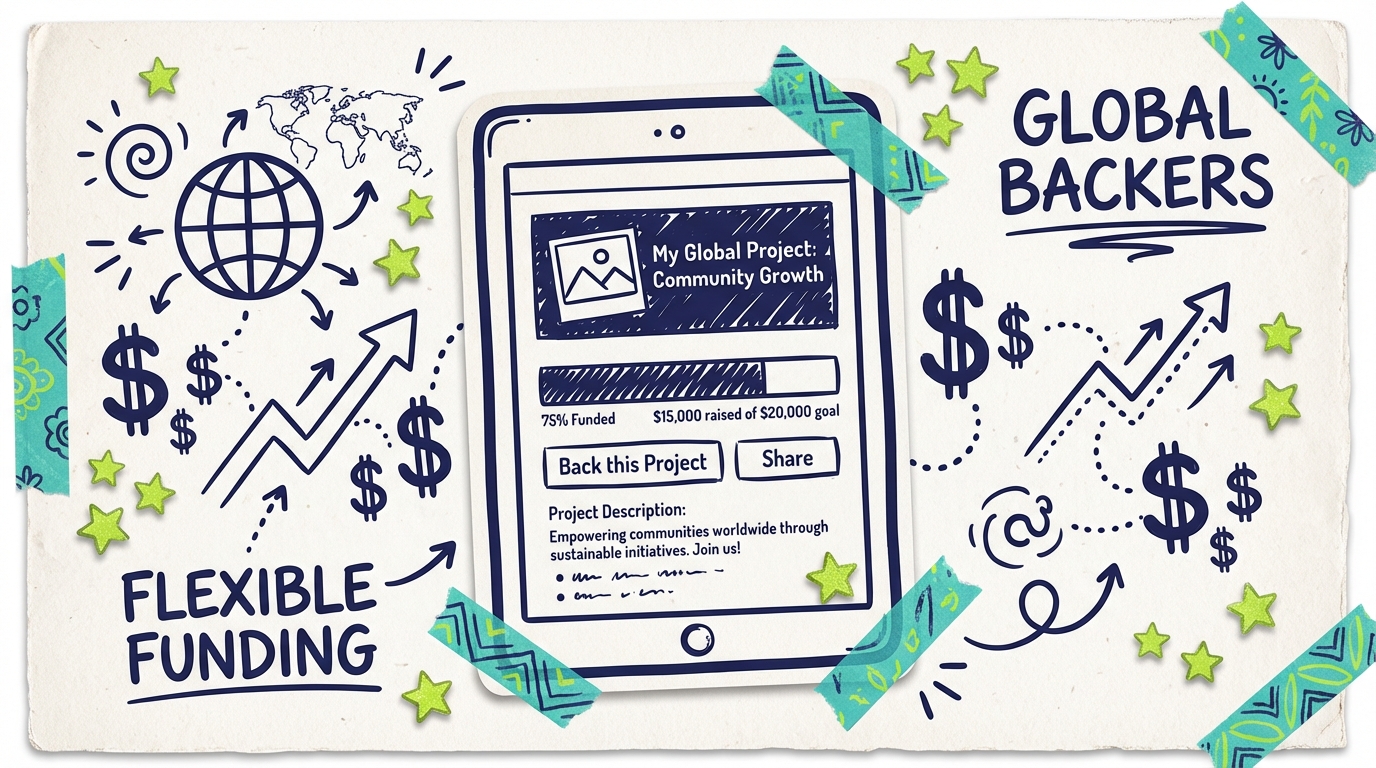
Build pre-launch momentum for all-or-nothing success. Kickstarter's all-or-nothing model means you need strong momentum from day one. Campaigns that start slow rarely recover. TV advertising helps you build that momentum by reaching potential backers before launch, creating anticipation that drives early pledges. When your campaign goes live, you'll have viewers already aware of your project, ready to back immediately. This early momentum is critical because Kickstarter's algorithm favors campaigns that fund quickly, creating a snowball effect that helps you reach your goal.
Reach early adopters who don't browse Kickstarter. Most successful Kickstarter campaigns bring their own audience. Only 10-20% of backers discover projects through Kickstarter's platform. TV advertising reaches early adopters who watch tech, innovation, or creative content but don't actively browse crowdfunding sites. These viewers are perfect Kickstarter backers: they love innovation, they're comfortable backing projects, and they have disposable income for new products. By reaching them on TV, you're accessing a backer pool that most campaigns never tap.
Demonstrate product value for reward-based backing. Kickstarter is reward-based. Backers pledge money to receive your product when it's delivered. TV commercials let you show your product in action, demonstrating value that static Kickstarter page images can't match. Show your product solving a problem, highlight unique features, create excitement about receiving it. This visual demonstration is especially powerful for tech products, design items, and creative projects where seeing the product in action drives higher pledge amounts.
Overcome all-or-nothing hesitation. Kickstarter's model creates hesitation. Backers worry they'll pledge to a project that doesn't reach its goal and their money will be refunded. TV advertising builds credibility that helps overcome this hesitation. When potential backers see your project on TV, it signals legitimacy and serious commitment to delivery. This credibility is especially valuable for first-time creators or innovative products where backers need confidence the project will succeed.
Accelerate funding timeline to reach goal faster. Kickstarter campaigns have deadlines, typically 30-60 days. TV advertising accelerates your funding timeline by reaching more potential backers faster than social media's slow viral spread. This speed is critical because campaigns that fund quickly get featured on Kickstarter's homepage, driving additional organic traffic.
Real Results from Kickstarter Project TV Ads
Kickstarter projects using TV advertising report measurable improvements in backer acquisition and funding speed:
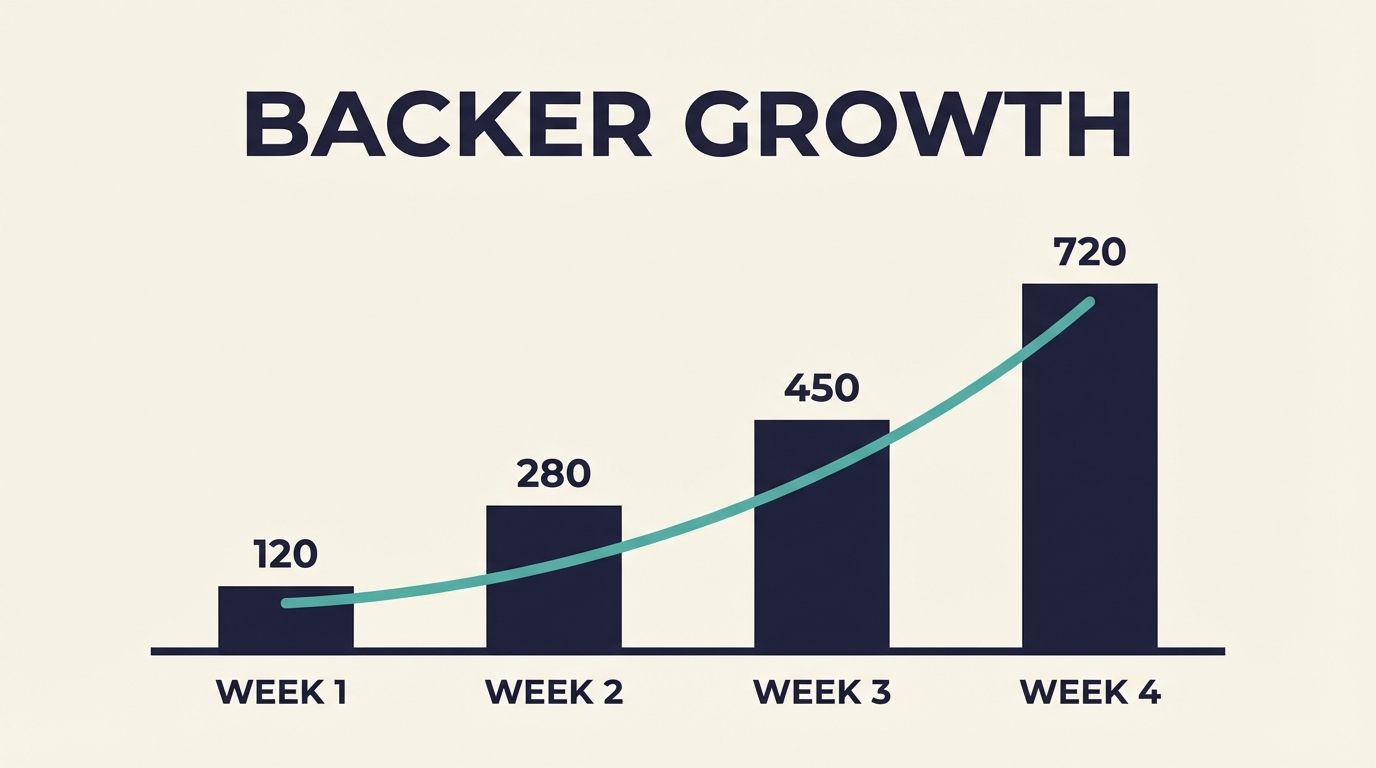
Increased backer count from TV viewers. TV advertising drives backers who weren't finding your project through Kickstarter browsing alone. These new backers often have higher lifetime value because they discovered you through a more intentional channel.
Higher average pledge amounts from TV-acquired backers. Backers who find you through TV advertising tend to pledge more because they've seen your product in a premium context. This visual demonstration builds confidence and excitement that translates to higher pledge amounts.
Reached backers outside your immediate social network. TV advertising helps you reach demographics that might not be active on your primary social platforms or Kickstarter browsing. This diversification strengthens your backer base.
Accelerated funding timeline. By reaching more potential backers faster, TV advertising helps projects meet their funding goals sooner. This acceleration can be critical for all-or-nothing campaigns.
Targeting Strategies for Kickstarter Projects
Geographic Targeting for Product Launches
Most Kickstarter projects benefit from national or international targeting since backers receive products via shipping, not local pickup. However, projects with local appeal (city-specific products, local community projects) should target their geographic area. Tech products, design items, and creative projects should target nationally to maximize potential backer pool. The key exception: projects that need to demonstrate local demand before expanding nationally might start with local targeting to build proof of concept.
Demographic Targeting for Early Adopters
Kickstarter backers are early adopters: people who love innovation and are comfortable backing projects before they're fully developed. Target demographics with higher disposable income (25-55 years old, middle-to-upper income) who have money for new products. However, don't ignore younger demographics. Gen Z and Millennials are increasingly active on Kickstarter, especially for tech products and creative projects. Match demographics to your product category: tech products appeal to 25-45 year-olds, design items appeal to 30-50 year-olds.
Interest-Based Targeting for Product Categories
Match viewer interests to your product category with precision. Tech products should target viewers who watch technology, innovation, and gadget content. Design products should target viewers interested in home decor, lifestyle, and design content. Creative projects (games, art, music) should target viewers who watch entertainment, gaming, or creative content. The goal is finding early adopters who already consume content related to your product category and would value being first to own your product.
Budget Considerations for Kickstarter Projects
Kickstarter projects operate on an all-or-nothing model. If you don't reach your goal, you get nothing. This makes TV advertising ROI critical: you need to ensure TV ads drive enough backers to help you reach your funding goal. From $30/day, you can test TV advertising's impact, but most successful campaigns allocate 10-20% of their funding goal to marketing, with TV advertising becoming valuable when pre-launch audience building needs acceleration.
For projects with $10,000-25,000 goals, a $500-1,500 TV campaign can drive significant backer acquisition if it reaches the right early adopter audience. The key is measuring backer acquisition cost: if you spend $1,000 and gain 50 backers averaging $75 pledges ($3,750 raised), your acquisition cost is $20 per backer.
Scale up when you see consistent backer acquisition and positive ROI toward your funding goal. Projects with $50,000+ goals often invest $2,000-5,000 in TV advertising to ensure they reach their goal. TV advertising makes the most sense when you need to accelerate funding timeline or reach early adopters who don't browse Kickstarter.
For e-commerce businesses considering Kickstarter, check out the complete TV advertising for e-commerce guide for additional strategies.
Creating Effective Kickstarter Project TV Commercials
Effective Kickstarter project commercials showcase your product in action while clearly communicating reward value. Start with a hook that demonstrates your product solving a problem or creating excitement. Show your product in use, highlight unique features, create desire to own it. Then explain what backers get: "Back now to receive [product] at [early bird price]" or "Pledge $75 to get [product] plus [bonus reward]."
Visualize your reward tiers if possible. Show what different pledge levels get. Early bird pricing creates urgency: "First 100 backers get 30% off" drives immediate action. Include social proof: "Over 500 backers have already pledged" or "We're 60% funded in 3 days" creates momentum and FOMO. For all-or-nothing campaigns, this momentum is critical. Backers are more likely to pledge when they see others backing.
Show your product's uniqueness. What makes it different from existing products? Why should backers support your project instead of waiting for retail? Demonstrate credibility: show your team, your prototype, your manufacturing plan. Backers need confidence you'll deliver.
End with a clear call-to-action: "Back now at [yourname].com/kickstarter" or a QR code that links directly to your campaign page.
How It Works for Kickstarter Projects
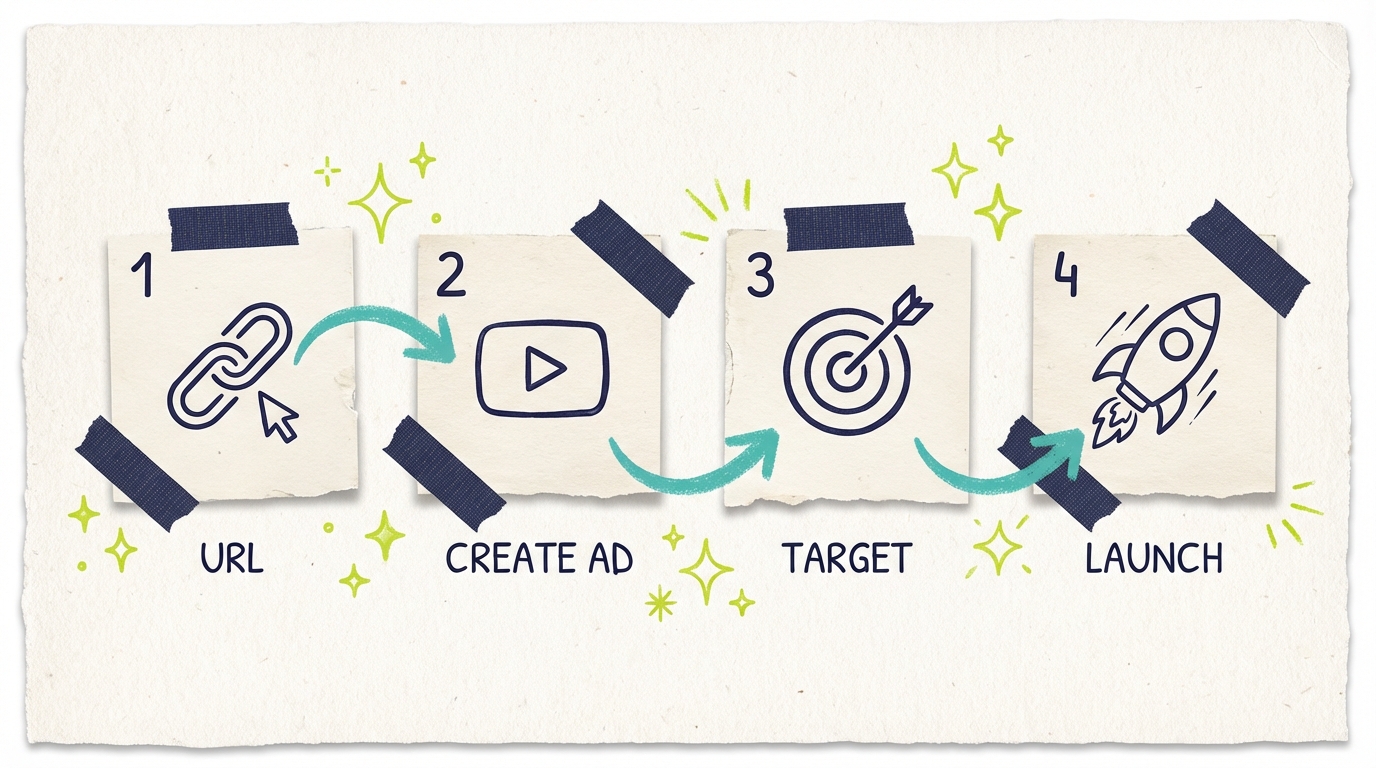
Share your Kickstarter page or website. Adwave's AI gathers your project details, product images, and messaging automatically. Simply provide your Kickstarter URL or website, and the AI pulls your project information to understand your product.
AI creates your TV commercial. Your ad showcases your product compellingly and includes a clear call-to-action to back your campaign. The AI generates a professional 30-second commercial that highlights your product's key features.
Target your ideal backers. Reach viewers who watch content related to your product category. You can target locally if your product has geographic appeal, or nationally if your project appeals broadly to early adopters.
Launch and track results. Monitor how many viewers visit your Kickstarter page and become backers. Adwave's dashboard shows you impressions and website visits, and you can track backer sign-ups through your Kickstarter campaign page.
Measuring Success for Kickstarter Projects
Kickstarter projects should track backer acquisition and average pledge amount, not just total raised. Monitor backer acquisition cost: divide your TV ad spend by new backers acquired. If you spend $1,000 and gain 40 backers, your acquisition cost is $25. Compare this to average pledge amount. If backers average $75, TV advertising is profitable.
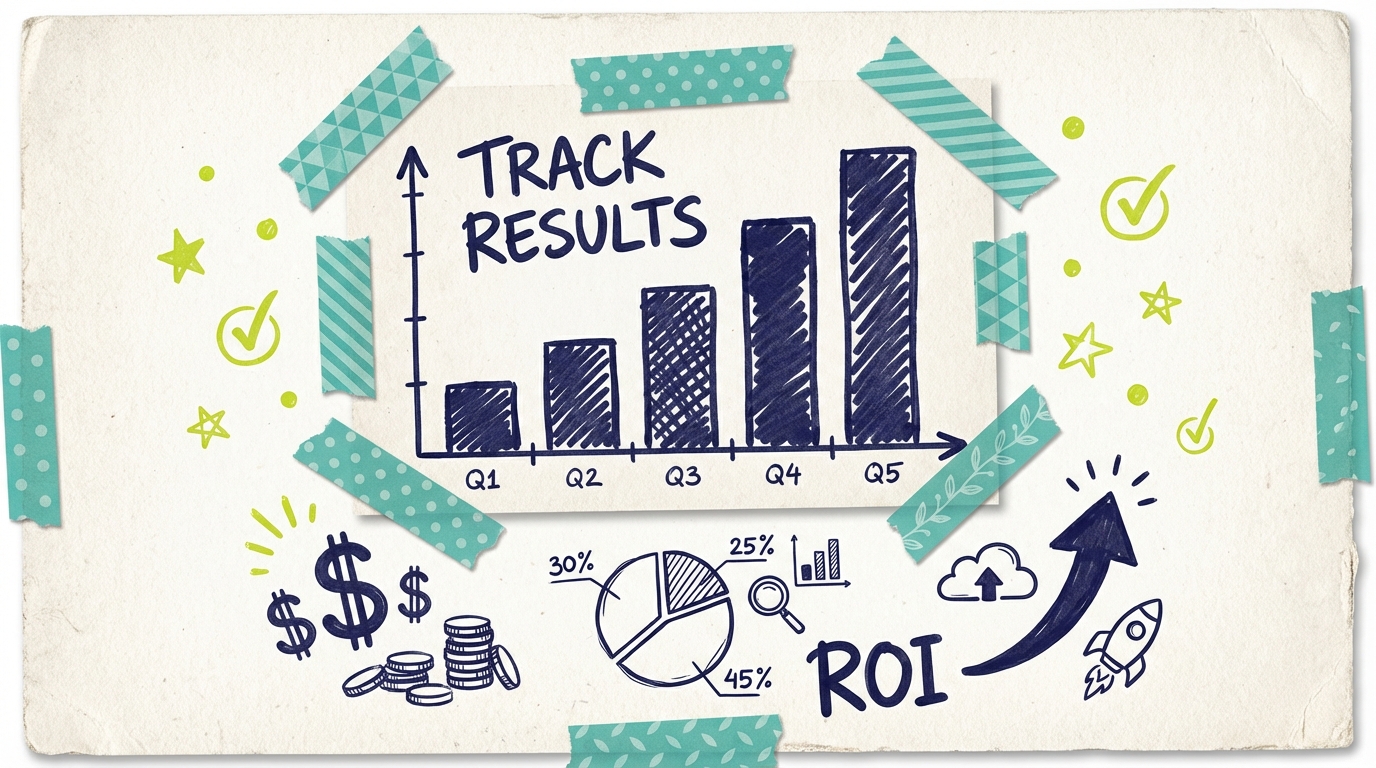
Track funding progress acceleration: measure how quickly you reach funding milestones after launching TV ads. If your campaign was raising $500/day before TV and $2,000/day after, TV advertising is accelerating your timeline significantly. This acceleration is especially valuable for all-or-nothing campaigns where reaching your goal faster increases likelihood of success.
Monitor backer source quality: Kickstarter's analytics show where backers come from. Track whether TV-acquired backers have higher average pledge amounts than other sources. TV backers often pledge more because they've seen your product in a more intentional, focused context. Use UTM parameters on your Kickstarter page link in TV ads to track traffic and conversions.
Most importantly, track progress toward your funding goal. If TV advertising helps you reach your goal faster or exceed it, it's providing value beyond just backer acquisition.
Common Mistakes to Avoid
Not demonstrating product value clearly. Kickstarter is reward-based. Backers pledge money to receive your product. Many projects make commercials that feel like concept pitches instead of product demonstrations. Effective Kickstarter commercials show your product in action, highlight unique features, and create desire to own it. Don't just explain your idea. Show your product solving a problem or creating excitement.
Missing urgency for all-or-nothing campaigns. Kickstarter's model creates natural urgency (deadline + goal), but many commercials don't emphasize it. Effective commercials create urgency: "We need to reach our $25,000 goal by [date]" or "Early bird pricing ends in 48 hours" drives immediate action.
Not building credibility for delivery. Kickstarter backers worry about projects that don't deliver. Failed campaigns damage trust. Many projects don't demonstrate credibility: show your team, your prototype, your manufacturing plan. Effective commercials build confidence: "We've already manufactured prototypes" or "Our team has delivered 3 successful Kickstarter campaigns."
Targeting too broadly instead of early adopters. Many Kickstarter projects target general audiences when they should target early adopters. Tech products should target tech enthusiasts, design items should target design lovers. Effective targeting ensures your ad budget reaches people most likely to back innovative projects.
Common questions answered
Can TV advertising help crowdfunding campaigns succeed?
TV advertising can amplify crowdfunding campaigns by reaching audiences beyond your existing network. Successful crowdfunding often requires reaching people who don't already know you, and TV provides that broader reach. However, it works best for campaigns with compelling stories and visual appeal that translate well to video.
When should crowdfunding campaigns use TV advertising?
Launch TV advertising during your campaign's live funding period, ideally after initial momentum from your network. Many campaigns see a mid-campaign slump that TV can help overcome. Plan TV pushes around key milestones or deadline urgency to maximize impact. Ensure your campaign page is polished before driving TV traffic to it.
What should a crowdfunding TV ad focus on?
Tell your story compellingly in 30 seconds. Show the product, project, or cause and why it matters. Create urgency around the funding deadline or goal. Include a clear call to action with your campaign URL or a memorable way to find you. Make viewers feel they can be part of something meaningful by backing your project.
How do crowdfunding campaigns measure TV advertising success?
Track pledge activity during advertising versus non-advertising periods. Monitor traffic to your campaign page from new sources. Watch for increases in social sharing and referrals. Calculate cost per backer from TV-driven traffic. Compare average pledge amounts from TV-attributed backers to understand audience quality.