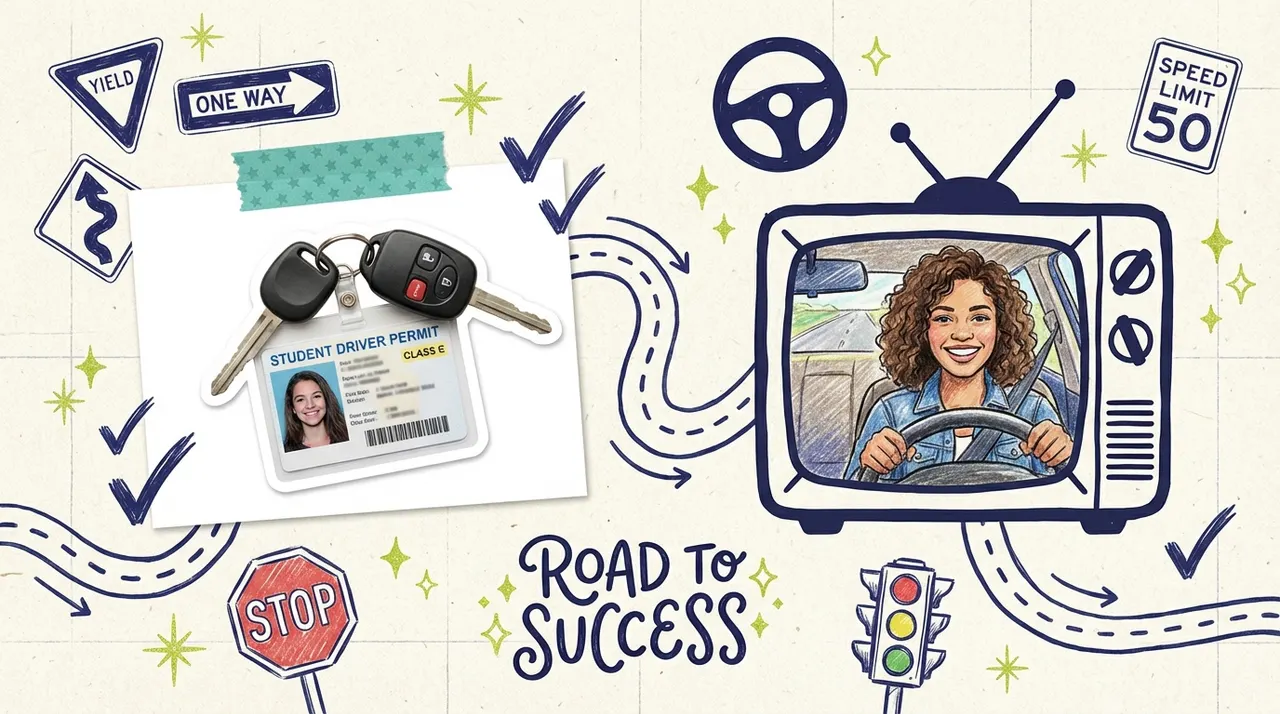
Every year, millions of teenagers reach driving age. Their parents are looking for quality instruction that will keep their new drivers safe. TV advertising puts your driving school in front of local families during the moments when safety and education decisions are familiar.
You've built a program that produces confident, safe drivers. Experienced instructors, well-maintained vehicles, and proven teaching methods. But reaching families before they search "driving school near me" takes more than a sign on your training cars.
What if parents saw your professional instructors, your modern training vehicles, your graduates celebrating their licenses on the same screen where they watch evening shows?
Why Driving Schools Are Discovering TV
Learning to drive is a significant family milestone. Parents take this decision seriously and remember the driving schools they see in professional contexts.
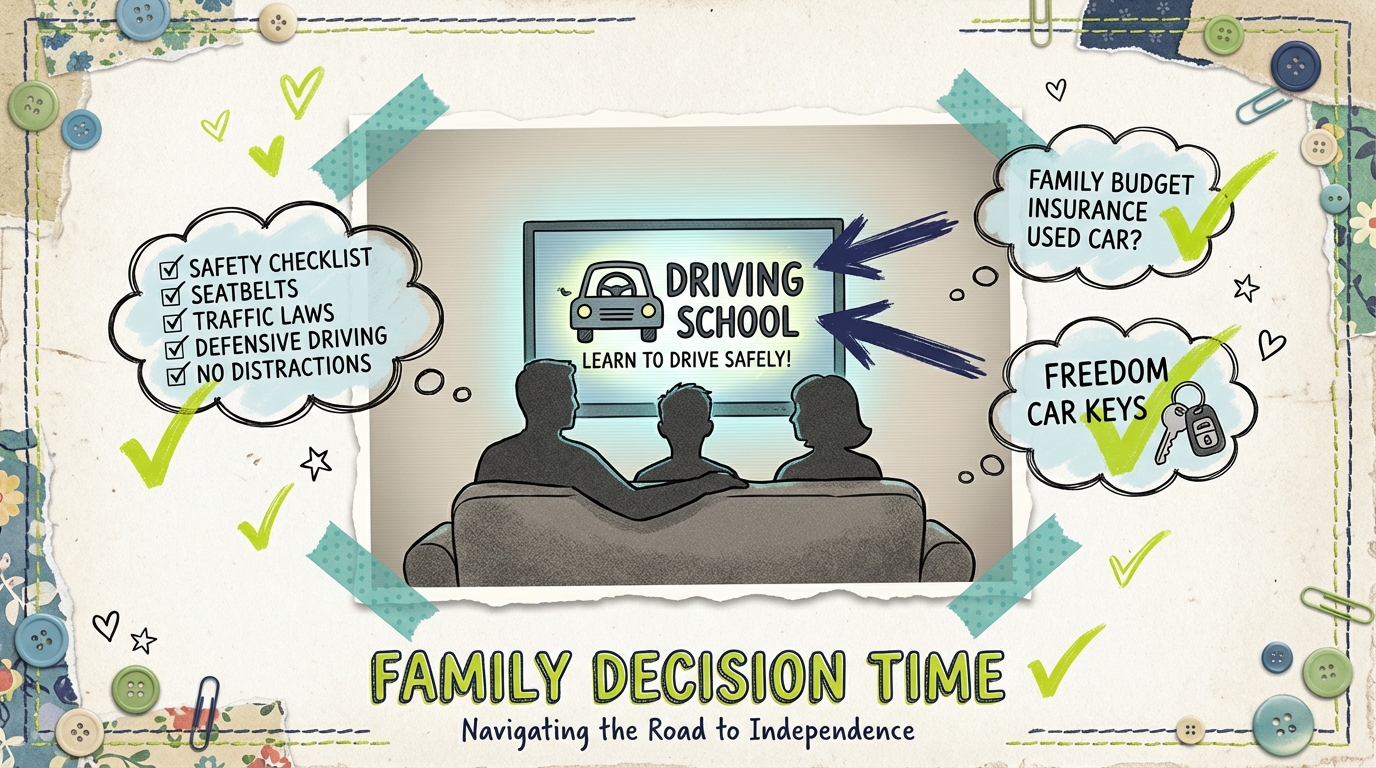
The driving school market presents substantial opportunity. Every community has a continuous flow of teens reaching driving age. Many states require professional instruction hours for licensing. Parents increasingly prefer professional training over teaching their teens themselves. Adult learners also represent a growing segment, including immigrants, late learners, and people needing license reinstatement.
Yet driving schools face enrollment challenges. Competition from other local schools means differentiation matters. Parents often delay decision-making until their teen is eager to start. Online lead services charge significant fees for shared leads. And establishing trust with safety-conscious parents requires demonstrating professionalism.
TV advertising offers driving schools a powerful solution. You can reach parents and teens during their shared viewing time, making family conversations easier. A professional media presence builds the trust that safety-conscious parents need. Geographic targeting ensures you're reaching families specifically in your service area. Brand recognition means you're already known when families start researching. And video demonstrates your professionalism in ways that text and photos cannot.
The most successful driving schools are trusted names in their communities. TV advertising builds that trust with local families.
How It Works for Driving Schools
TV advertising for driving schools builds familiarity and trust before families start their search.
Getting started is simple. You share your driving school's website URL, and Adwave generates a professional ad showing your instructors, vehicles, and teaching approach. You then target local households with teenagers or adults who might need instruction. Your commercial runs on 100+ premium networks during prime viewing hours. Throughout the campaign, you track inquiries, website visits, and enrollment.
When you run TV ads, you're purchasing impressions on streaming platforms. Your 30-second commercial appears during shows families watch. Parents see your professional operation; teens see confident new drivers.
The goal is trust and familiar awareness. When a family needs driving instruction, you're already the name they know.
Targeting Options for Driving Schools
TV advertising lets you reach different segments of the driving instruction market. Each represents enrollment opportunity with different decision timelines.
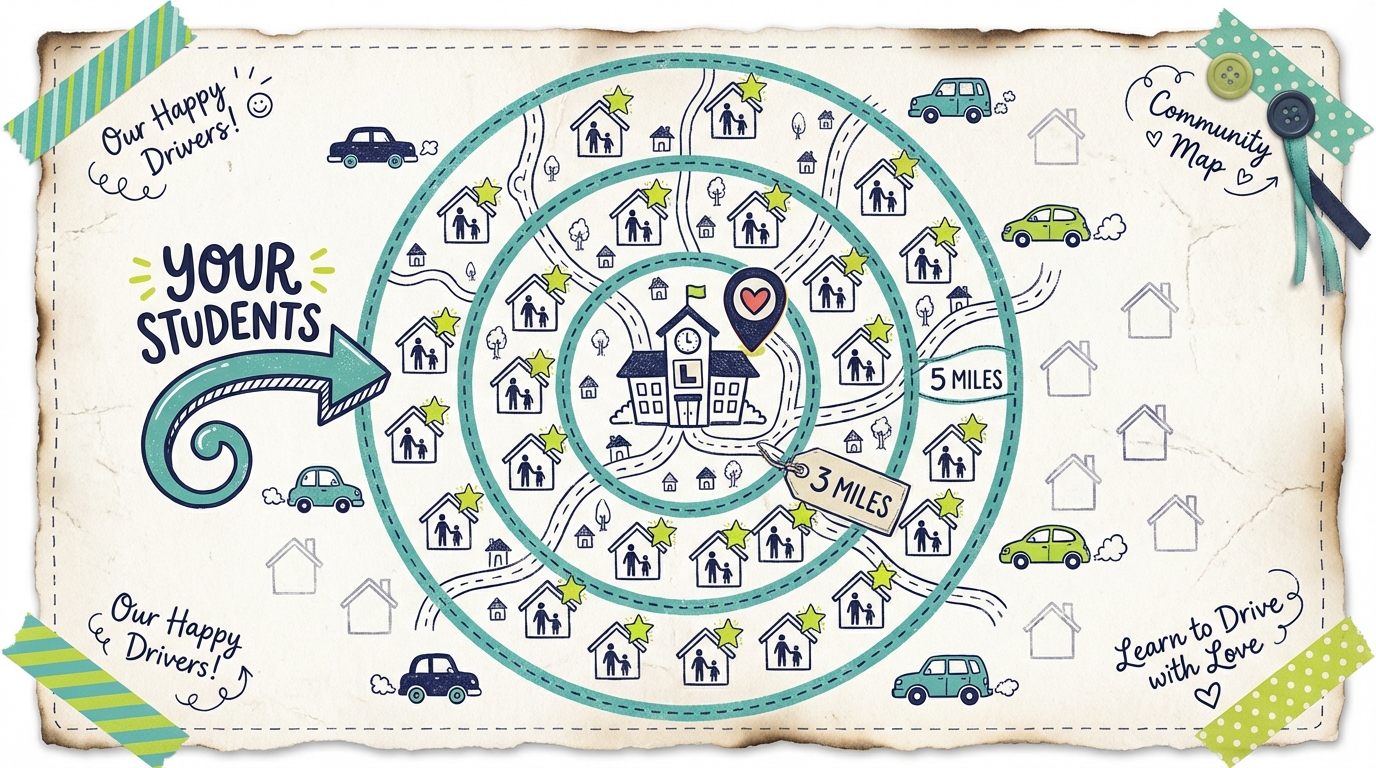
Families with teenagers represent your core market. Target households with children ages 14-17, the sweet spot for pre-driving and new driver instruction. Parents in this demographic are actively planning for their teen's driving future, even if the teen isn't quite ready. Reaching them early means you're established in their minds when the time comes.
Adult learners form a growing secondary market. Immigrants needing U.S. licenses, adults who never learned as teens, and those requiring license reinstatement after lapses. These learners often search actively when ready, but TV advertising can reach them before that active search begins.
Parents of younger children represent future enrollment. While not immediate prospects, building awareness among families with children 10-13 plants seeds for future enrollment. These families will remember you when driving age approaches.
Geographic targeting should match your service area. Most students want instruction near home or school. Target neighborhoods within reasonable distance, considering where your training routes operate. Focus on family-dense communities and areas with higher concentrations of households with teenagers.
Budget Considerations
TV advertising is more accessible than most driving schools realize. You're building local awareness, not competing with national brands.
Starting budgets scale to your enrollment goals. A test campaign of $300-500 lets you gauge response and establish name recognition. During peak enrollment seasons, $1,000-2,500 drives meaningful results when families are making decisions. For year-round presence, $500-1,000 monthly maintains consistent visibility in your community.
At an average CPM of $25, your budget delivers substantial local reach. A $500 investment generates approximately 20,000 ad views among local households. With $1,000, you reach roughly 40,000 impressions. At $2,500, you're delivering around 100,000 views to families in your service area.
For context: a $1,000 campaign could show your school to thousands of local families with driving-age teens. Even if a small percentage inquire, that represents meaningful enrollment potential.
Traditional driving school marketing often relies on vehicle signage, school partnerships, and online listings. These methods work but offer limited control and reach. Pay-per-lead services share leads with competitors and charge premium prices.
TV advertising builds direct awareness. Families see your school in a premium context, building credibility and driving direct inquiries. Given that driving instruction packages often run $400-800+, even a few additional enrollments deliver strong return on investment.
Creating Ads That Enroll
Your TV commercial should convey safety, professionalism, and confidence.
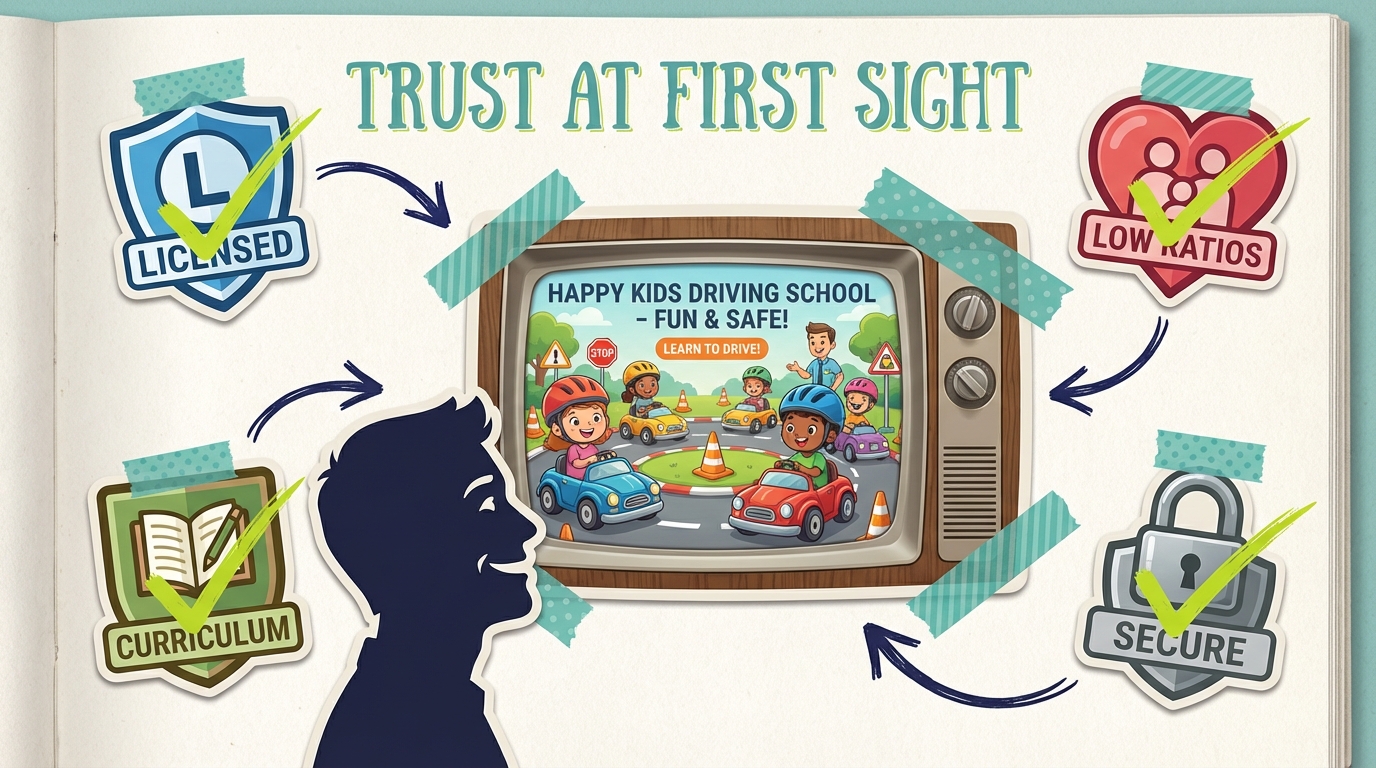
Effective driving school ads share common elements. They show professional instructors demonstrating patience and expertise. They feature well-maintained, clearly marked training vehicles. They include confident students successfully completing maneuvers or celebrating license achievement. They communicate your safety record and teaching credentials. And they provide clear next steps so interested families know how to enroll.
Certain approaches build trust especially well. Instructor credentials and experience reassure safety-conscious parents. Modern vehicles suggest current teaching methods and safety features. Success metrics like pass rates demonstrate results. Parent and student testimonials add credibility when available.
Adwave's AI tools create professional commercials from your existing website content and photos. Show your professional operation without expensive video production.
Timing Your Campaigns
Strategic timing aligns with when families make driving instruction decisions.
Summer represents peak enrollment season for most driving schools. School's out, and teens have time for lessons. Parents want instruction completed before fall activities resume. Many states see higher permit and license activity during summer months.
Spring captures early planners. Families beginning to think about summer instruction often research in March through May. Getting in front of them early influences which schools they consider.
Year-round awareness maintains steady enrollment. Teens turn 15 or 16 throughout the year, not just in summer. Adult learners need instruction on their own timelines. Consistent visibility ensures you're considered whenever a family starts searching.
Measuring What Matters
Track metrics that align with your enrollment process.
Essential measurements include website visits from TV campaign viewers, phone and web inquiries, enrollment consultations scheduled, packages purchased, and student completion rates.
Beyond direct conversion metrics, monitor awareness building. Increased brand searches on Google suggest growing recognition. Calls mentioning they saw your ad on TV. Word-of-mouth referrals often increase with TV presence.
The enrollment timeline varies by family. Some inquire immediately after seeing your ad. Others remember you weeks or months later when their teen gets a permit. Track cohort data over 3-6 months to capture full impact.
Common questions answered
How quickly can I start?
Most driving schools launch campaigns within days. Share your website, review the AI-generated ad, set your targeting, and go live.
What if I don't have professional video?
Adwave's AI creates commercials from photos and website content. Images of your vehicles, instructors, and facilities translate well to video format.
How do I know campaigns drive enrollment?
Ask new students how they heard about you. Track website traffic during campaigns. Many families will mention seeing your TV ad.
Should I advertise year-round or seasonally?
Most driving schools benefit from heavy summer investment with lighter year-round presence. Match your strategy to your enrollment patterns.
Getting Started
Driving schools are discovering what established brands have known: TV advertising builds the trust and recognition that drives enrollment decisions.
Your school creates safe, confident drivers and helps families navigate an important milestone. TV advertising lets you demonstrate that professionalism to every family in your community who might benefit.