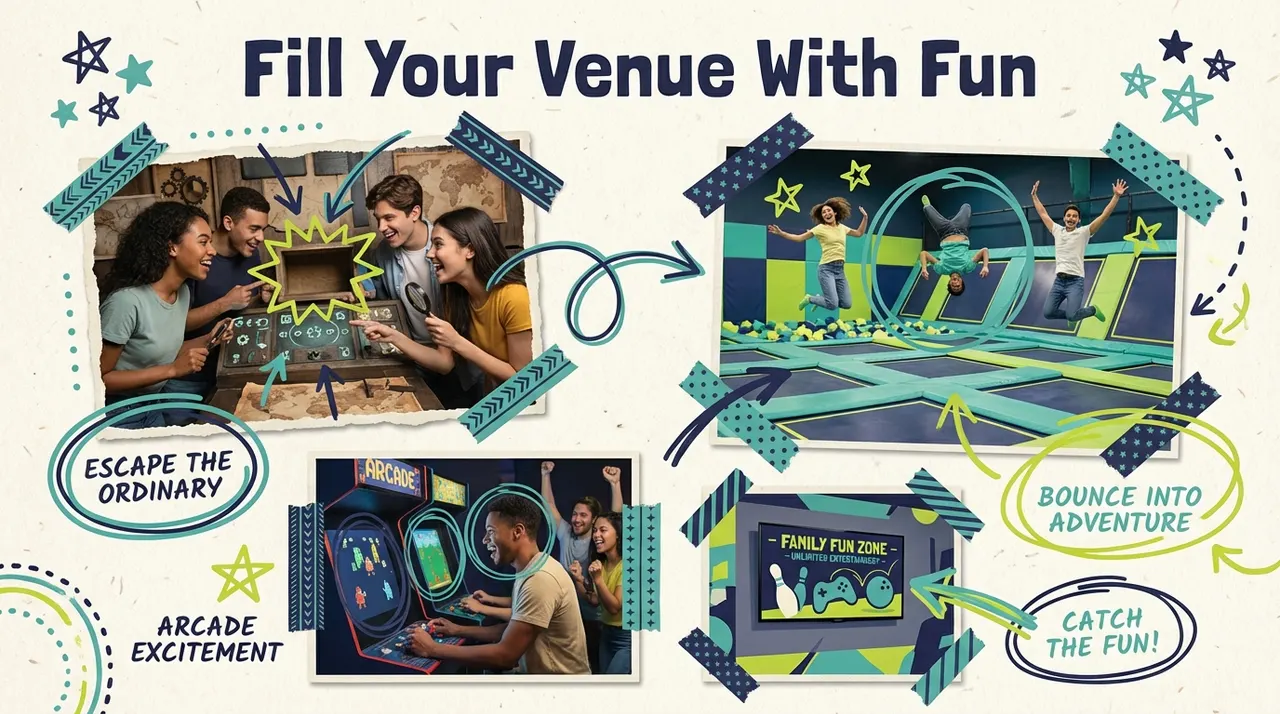
People are looking for fun. After years of screen time and isolation, families and friend groups actively seek experiences they can share together. Escape rooms, trampoline parks, axe throwing venues, arcades, and entertainment centers offer exactly what they want: memorable experiences that create stories worth telling.
The challenge for entertainment venues is visibility. You're competing for attention against streaming services, video games, and the inertia of staying home. Potential customers need to know you exist, understand what you offer, and feel motivated to make the trip.
TV advertising solves these challenges. It reaches people during their planning moments, showcases the excitement of your venue, and builds the awareness that turns "we should do something fun" into "let's go to that place we saw on TV."
This guide covers how escape rooms and entertainment centers can use TV advertising to attract more visitors, fill slow periods, and build the local recognition that drives sustained growth.
Why TV Advertising Works for Entertainment Venues
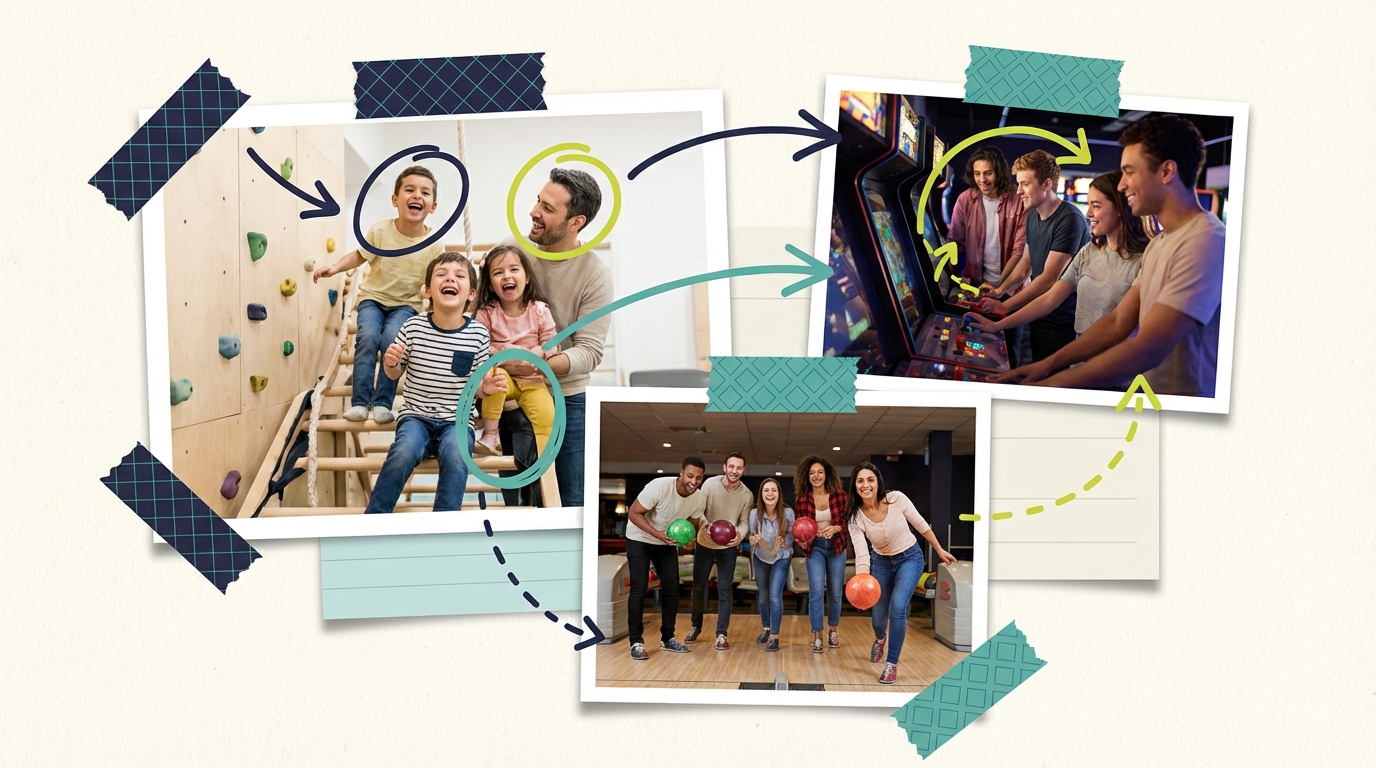
Entertainment businesses have characteristics that make them especially well-suited for television advertising.
You're selling an experience. Static images struggle to convey the excitement of escaping a room with friends or the thrill of a trampoline park. Video brings experiences to life in ways other advertising cannot match.
Groups make decisions together. Entertainment outings involve multiple people agreeing on an activity. TV reaches households during moments when groups are together, planning their next adventure.
Local targeting matches your market. People travel limited distances for entertainment. Streaming TV advertising targets specific ZIP codes.
TV presence signals legitimacy. Advertising on television builds credibility that positions your venue as an established destination rather than an unknown risk. Parents especially appreciate this reassurance before taking their kids somewhere new.
Entertainment competes on awareness. When someone asks "what should we do this weekend?", venues that come to mind first get visited. TV advertising builds the familiar awareness that wins these moments.
Understanding Your Audience
Effective entertainment advertising requires understanding who visits and why.
Families With Children
Parents seek activities for kids. Families with children aged 6-16 represent a major market segment. These parents constantly search for activities that engage kids, get them off screens, and create family bonding time.
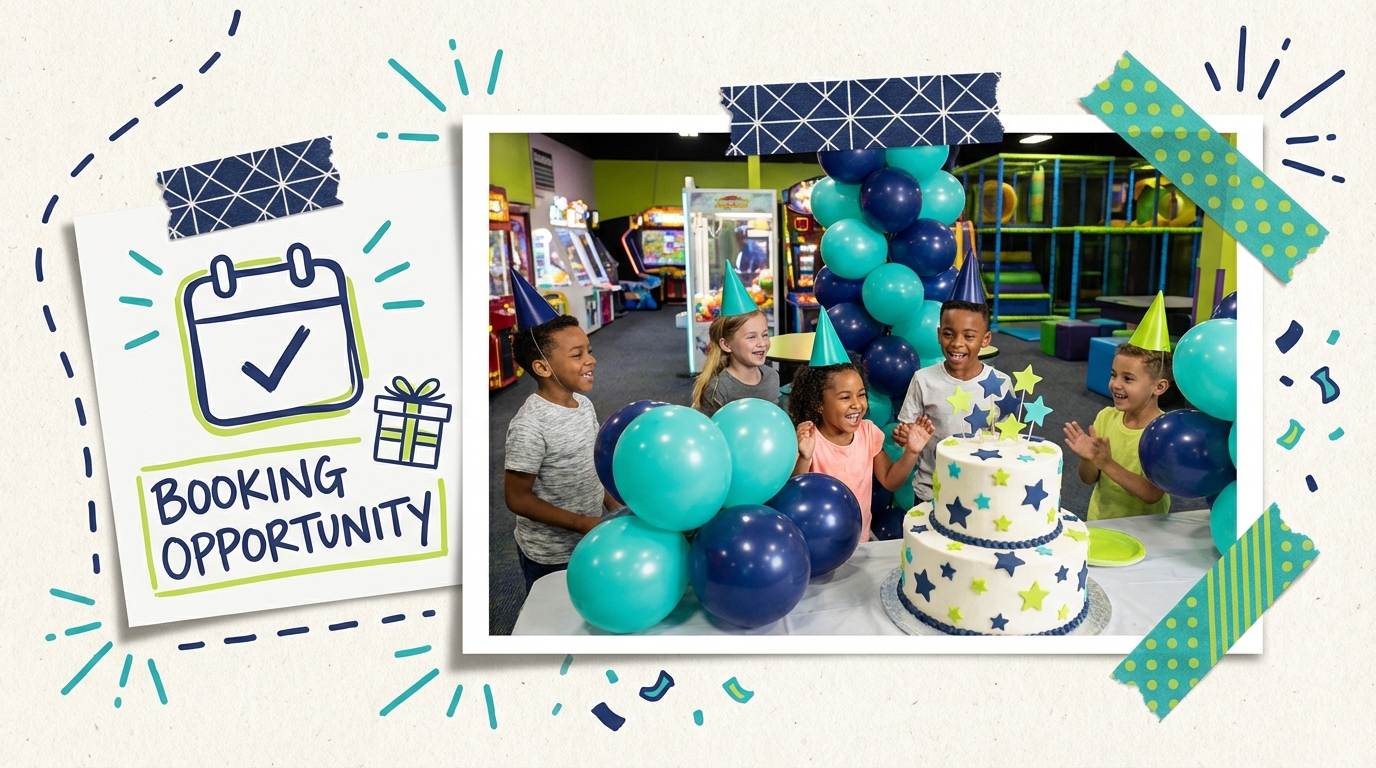
Birthday parties drive significant revenue. Many entertainment venues generate substantial income from birthday party bookings. Reaching parents planning celebrations presents a specific opportunity.
School breaks create demand spikes. Summer vacation, spring break, winter holidays, and three-day weekends all trigger searches for family activities. Timing advertising to these periods captures heightened interest.
Young Adults and Friend Groups
20-35 year olds seek social experiences. This demographic wants activities they can do with friends that create shareable moments. Escape rooms, axe throwing, and competitive entertainment appeal strongly here.
Date night alternatives. Couples seeking alternatives to dinner and movies discover entertainment venues. Positioning as a date destination expands your audience.
Corporate team building. Companies book entertainment venues for team outings. While this audience requires different outreach, consumer advertising creates awareness that influences corporate decisions.
Tourists and Visitors
Hotels and vacation rentals. People staying in your area search for local activities. Being visible to this transient audience captures visitors who might not otherwise discover you.
Rainy day alternatives. Indoor entertainment venues benefit when weather disrupts outdoor plans. Being known as the go-to rainy day option drives traffic during otherwise slow periods.
Building Awareness Before the Weekend
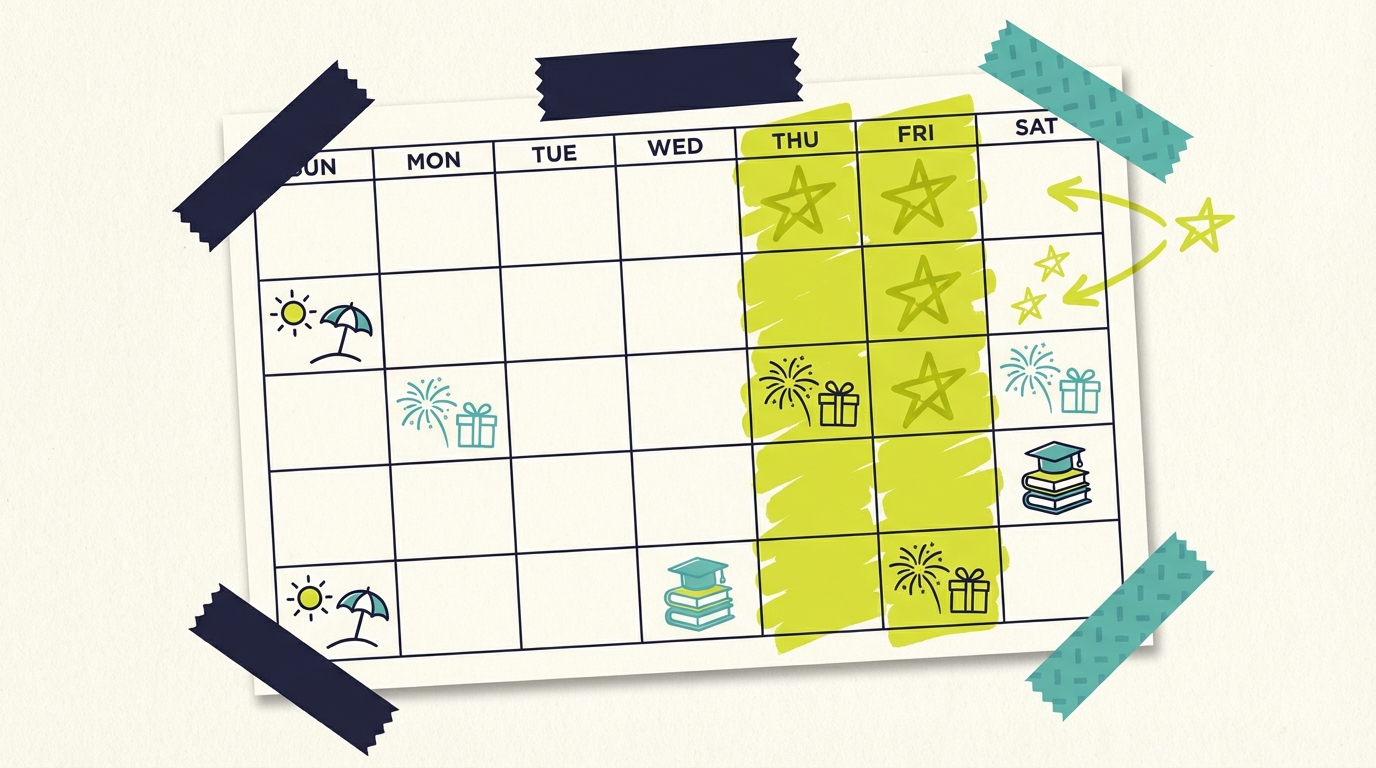
Entertainment decisions often happen Thursday through Saturday as people plan their weekends. Build awareness throughout the week so you're remembered when planning begins.
Consistent presence beats occasional bursts. Rather than advertising heavily for one week then disappearing, maintain steady presence that keeps your venue in minds throughout the month.
Frequency builds recognition. The first time someone sees your ad, they note your existence. By the third or fourth exposure, you feel familiar. This familiarity converts to visits when the opportunity arises.
Prime for the planning window. Thursday and Friday evenings are prime planning times. Ensure advertising reaches households before weekend decisions solidify.
What to Show in Your TV Ad
The most effective entertainment ads share certain elements that drive visits.
Show real people having fun. Nothing sells entertainment like genuine excitement. Feature actual guests laughing, celebrating victories, and enjoying your venue. Their enthusiasm is contagious.
Highlight your signature experiences. What makes your venue unique? Elaborate escape room themes, massive trampoline areas, VR experiences, or competitive games all deserve attention. Lead with what differentiates you.
Feature group dynamics. Show friends high-fiving, families celebrating together, and teams collaborating. Reinforce that your venue is where great group experiences happen.
Include variety. If you offer multiple attractions, showcase the range. Viewers should understand they can spend hours exploring different experiences, not just one activity.
End with clear action steps. Website, phone number, or "book online" messaging tells interested viewers exactly how to visit. Make taking action easy.
Messaging That Fills Your Venue
Craft messages that motivate visits.
Lead with the experience, not features. "Create memories your family will talk about for years" resonates more than listing your attractions. Sell the outcome, then show how you deliver it.
Address the planning hesitation. People often intend to visit entertainment venues but never get around to it. Messaging like "Stop scrolling and start playing" or "This weekend, make it happen" pushes past inertia.
Promote specific occasions. "Perfect for birthday parties" or "Your next date night" helps viewers envision when they'd visit. Connecting to occasions people are already planning triggers action.
Highlight group value. Entertainment often seems expensive until you calculate per-person cost. "Fun for the whole family under $100" makes visits feel accessible.
Create urgency appropriately. Limited-time offers, new attraction launches, or seasonal themes give reasons to visit now rather than someday.
Timing Your Advertising
Entertainment demand follows predictable patterns. Time advertising to capture peak interest.
Pre-weekend placement. Wednesday through Friday advertising reaches people actively planning their weekends. Concentrate spending in this window.
School break saturation. Increase advertising before and during school vacations when families seek activities. Summer, spring break, and winter holiday periods warrant increased investment.
Birthday season awareness. Late spring through early fall sees concentrated children's birthdays. Party-focused messaging during these months captures celebration bookings.
Holiday periods. Thanksgiving weekend, Christmas break, and three-day holiday weekends all drive entertainment demand. Be visible when people have time off.
Counter-programming slow periods. January and early February often see lower entertainment traffic. Advertising during slow periods can capture visitors looking to break winter monotony.
Targeting the Right Households
Streaming TV advertising lets you target precisely who sees your ads.
Geographic focus. Most entertainment venues draw from a 20-30 minute radius. Target ZIP codes within this range to avoid wasting impressions on households too distant to realistically visit.
Household composition. Target families with children for family-focused messaging. Target households with young adults for friend-group positioning. Streaming platforms allow this precision.
Interest-based targeting. Reach households that watch family content, gaming content, or entertainment programming. These behavioral signals indicate interest in the experiences you offer.
Income alignment. Entertainment requires discretionary spending. Target income levels that support your price points, whether you're positioned as affordable family fun or premium experiences.
What Results to Expect
Set realistic expectations for how TV advertising will impact your venue.
Increased website traffic. Viewers who see your ad and want to learn more will visit your website. Monitor traffic increases correlated with advertising periods.
More booking inquiries. Phone calls, online bookings, and party inquiries should increase during advertising periods. Track inquiry sources to measure TV impact.
Higher weekend attendance. The ultimate metric is guests through the door. Compare attendance during advertising periods to baseline, controlling for seasonality.
Birthday party bookings. If promoting party services, track party booking volume. These high-value reservations often justify advertising investment on their own.
Improved slow-day traffic. Advertising can shift demand from only peak times toward previously slow days or hours, improving capacity utilization.
Budget Considerations
TV advertising for entertainment venues starts at accessible levels.
Entry-level testing. At $200-400 monthly, you can test TV advertising impact on a single market. This level helps you understand whether TV drives results for your specific venue.
Growth-focused spending. Venues seeing positive results often invest $500-1,000 monthly for consistent presence. This level maintains awareness through various seasons.
Market leadership. Established venues or chains pursuing aggressive growth may invest $1,500-3,000 monthly for dominant local awareness.
Consider the math: if a party booking generates $400 in revenue and TV advertising costs $500/month, you need just over one additional party booking to break even. Most venues find TV generates multiple bookings monthly.
See detailed pricing or create your first ad free.
How to Get Started
Modern platforms make entertainment TV advertising accessible.
Provide your website. Adwave's AI creates a professional commercial from your existing online presence. Your venue photos, attraction descriptions, and atmosphere become compelling video content.
Customize your message. Highlight what makes your venue special: unique escape room themes, the area's largest trampoline park, newest VR technology, or all-inclusive pricing.
Set your geography. Target the ZIP codes where your visitors live. Most entertainment venues know their draw area from past customer data.
Launch and track. Your ad goes live within 24 hours on premium streaming platforms. Monitor website traffic, booking inquiries, and attendance to measure results.
Seasonal Campaigns That Work
Align messaging with seasons to maximize relevance.
Summer campaign. "Beat the heat" messaging positions indoor venues as air-conditioned escapes. Emphasize all-day entertainment value for parents managing kids during break.
Back-to-school celebration. "One last adventure before school starts" captures late August family outings and friend group farewells before routines resume.
Fall birthday season. Shift focus toward birthday parties as the peak children's birthday season continues through fall.
Holiday gatherings. Thanksgiving through New Year positions your venue for family reunion activities, office parties, and group celebrations.
Winter escape. "Cabin fever cure" messaging during January and February addresses seasonal restlessness and drives traffic during typically slow months.
Spring break. Families staying local during spring break need activities. Position as the vacation-at-home destination.
Common Questions Answered
What should escape rooms and entertainment centers highlight in TV ads? Focus on the excitement and group dynamics your venue creates. Show real guests having genuine fun together, whether they're solving puzzles, bouncing on trampolines, or competing in games. Feature your most impressive attractions and the variety of experiences available. End with clear booking information so interested viewers know how to visit.
When is the best time for entertainment venues to advertise? Concentrate advertising Wednesday through Friday to reach people planning weekends. Increase spending before and during school vacation periods when families actively seek activities. Maintain some presence year-round to capture spontaneous visits and special occasions like birthday parties.
How do entertainment centers measure TV advertising success? Track website traffic during advertising periods compared to baseline. Monitor booking inquiries and party reservations, asking how guests heard about you. Compare attendance figures during advertising periods to similar periods without advertising. Calculate cost per acquired guest to assess return on investment.
What budget should an entertainment venue allocate to TV advertising? Start with $200-400 monthly to test whether TV drives results for your venue. Venues seeing positive returns often increase to $500-1,000 monthly for consistent presence. Calculate break-even based on your average transaction value: if a typical visit generates $80 and you spend $600/month, you need 7-8 incremental visits monthly to break even.
How can entertainment venues use TV advertising during slow periods? Create messaging specifically addressing slow-period opportunities: weekday specials, January "beat the winter blues" campaigns, or rainy-day alternatives. Target advertising to reach people when they're most likely planning activities. Consider promoting off-peak discounts to shift demand from crowded weekends to underutilized times.
The Bottom Line
Entertainment venues thrive on awareness. When people think "what should we do?", the venues that come to mind get visited. The unknown venues, regardless of how great their experiences are, get overlooked.
TV advertising builds the recognition that puts your venue on the mental map. It showcases your experiences in ways that static images cannot match. And it reaches households during the moments when entertainment decisions happen.
The entertainment market rewards venues that stay visible. TV advertising ensures you're the destination people think of first when they're ready for fun.
Ready to fill your venue? Create your ads in minutes and connect with local families on streaming platforms, from $30/day.