When people decide where to eat, they choose the restaurants they've heard of. The familiar name feels safer than the unknown option. TV advertising makes your restaurant that familiar name in your community, the one that comes to mind when someone asks "where should we eat tonight?"
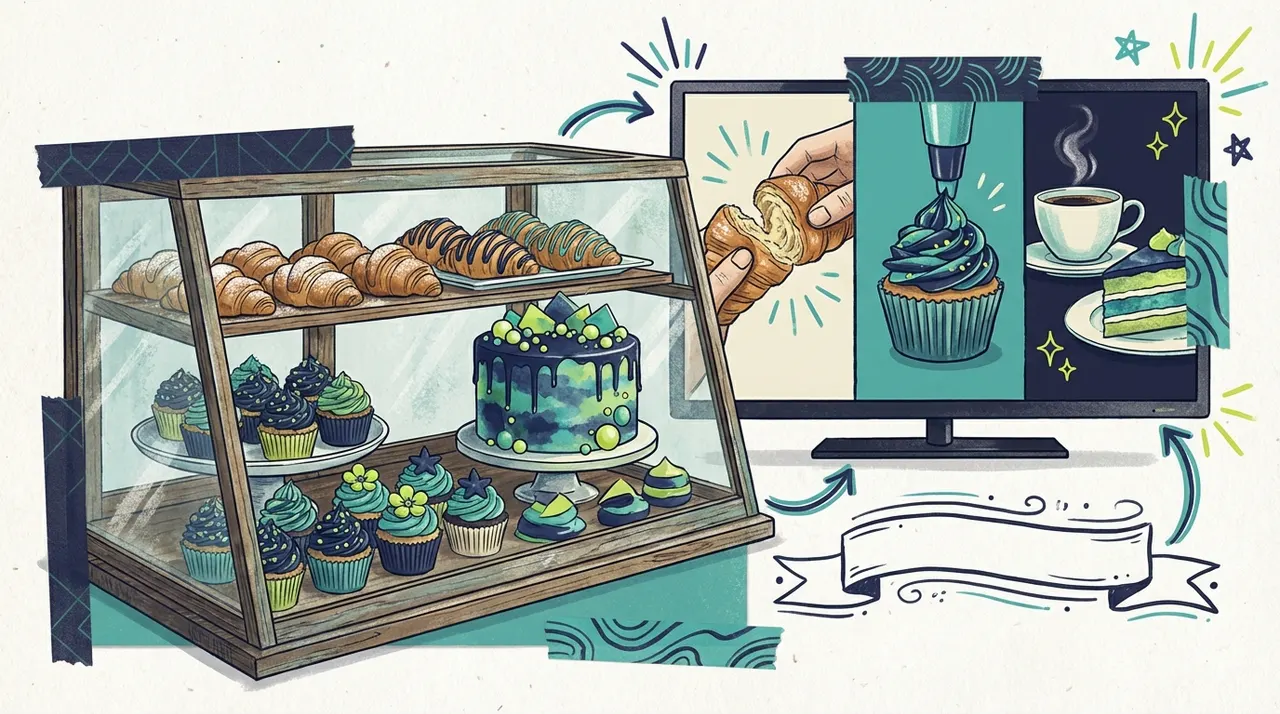
Restaurants are inherently visual businesses. Your food looks delicious. Your atmosphere invites diners in. Your experience deserves to be seen, not just described in reviews or social posts. TV advertising puts your restaurant on the biggest screen in the house, creating cravings and building familiarity before customers ever walk through your door.
Why TV Advertising Works for Restaurants
Food is one of the most compelling visual categories. Seeing appetizing food triggers cravings in ways that text and photos cannot match. Video captures the steam rising from dishes, the texture of perfectly prepared food, the atmosphere of a welcoming dining room. These visual elements drive restaurant decisions.
The restaurant opportunity is substantial in any market. Dining out is a regular activity for most households. Different occasions call for different restaurant choices: quick casual, date night, family dinner, celebrations. Customer lifetime value compounds through repeat visits and word-of-mouth. And restaurants with strong local recognition capture larger shares of regular dining decisions.
Yet attracting restaurant customers presents persistent challenges. Competition is intense with multiple options in every category and cuisine. Building awareness beyond walk-by traffic requires active marketing. Differentiating your restaurant from competitors serving similar food requires showing your unique experience. And converting first-time visitors into regulars requires creating memorable impressions.
TV advertising offers restaurants a powerful solution. Visual presentation showcases your food in its most appetizing form. You reach households throughout your service area, not just people passing your location. Premium positioning on streaming channels creates desire and builds cravings. Geographic targeting ensures budget efficiency by reaching only diners who can visit. And repeated exposure builds the familiarity that drives regular visits.
The restaurants that stay busy aren't always the best restaurants. They're the restaurants people remember and think of when making dining decisions. TV advertising makes your restaurant one of those remembered choices.
How TV Advertising Works for Restaurants
TV advertising for restaurants builds cravings and drives visits through a process designed for food service operators without marketing expertise.
You share your website or social media with Adwave, and the platform gathers your food photography, atmosphere images, and branding automatically. Within minutes, you see a mouth-watering commercial showing your dishes, your dining room, and your unique appeal. The ad creates the desire that drives dining decisions.
You customize the commercial to highlight what makes you special. Perhaps your signature dishes deserve the spotlight. Maybe your unique atmosphere or experience is the draw. Or seasonal specials and promotions might drive urgency. Your commercial reflects what you want diners to know about your restaurant.
You target local diners by defining your service area. Most restaurants draw primarily from within 5-15 miles. You can target specific neighborhoods, demographic segments, or viewing behaviors that align with your customer base. Your ad runs on 100+ premium channels during prime dining consideration times.
You track results through reservations, foot traffic, online orders, and the increased activity you observe during and after campaigns.
Targeting Strategies for Restaurants
Effective restaurant advertising reaches the right diners with messaging that matches their dining occasions.
Geographic Targeting
Define your realistic draw area based on where your customers come from. Urban restaurants might draw from a few miles. Destination restaurants in less dense areas might draw from 30+ miles. Match your targeting to your actual customer geography.
Consider targeting different areas for different meal periods. Lunch might draw primarily from nearby office areas. Dinner might pull from residential neighborhoods. Weekend brunch might draw from broader areas.
Demographic Targeting
Different restaurants appeal to different demographics. Fine dining targets higher-income households. Family restaurants target households with children. Quick-casual concepts appeal to different age ranges. Match your targeting to your customer profile.
Consider occasion-based targeting. Date night restaurants might target couples without children at home. Family restaurants target households with kids. Business lunch spots target professional demographics.
Daypart and Timing
Run campaigns with awareness of dining patterns. Advertising on Thursday and Friday captures weekend dining decisions. Afternoon spots reach people planning dinner. Evening spots might catch late-night dining audiences.
Consider seasonal timing as well. Holiday periods, special occasions, and local events create dining demand. Advertising around these periods captures heightened restaurant consideration.
Budget Considerations for Restaurant Advertising
TV advertising for your restaurant starts from $30/day with Adwave. A few additional tables per week pays for consistent advertising investment.
Consider the math for restaurants. Average check varies by concept, but even at $30 per person with a party of two, each additional customer represents $60. A table of four represents $120+. One additional table per night driven by advertising easily covers $1,000-2,000 monthly advertising spend.
For restaurants, smart budget allocation considers both ongoing presence and promotional emphasis. A baseline investment of $500-1,500 monthly maintains consistent awareness. During slow periods, increased advertising can drive traffic. Special promotions, menu launches, and seasonal offerings merit advertising support.
At an average CPM of $25, $1,000 monthly delivers approximately 40,000 ad views in your local area. Restaurants with strong visual appeal and clear positioning can expect meaningful response from this level of exposure.
Adwave creates your commercial for free. You only pay when your ad runs. Traditional restaurant commercial production might cost $5,000-15,000; that barrier disappears with AI generation.
Creating Effective Restaurant Commercials
The most effective restaurant commercials create immediate cravings while communicating your unique dining experience.
Lead with food. Appetizing visuals of your best dishes create immediate desire. The camera should capture food in its most appealing moments: steam rising, cheese pulling, sauces glistening. Food is your hero; feature it prominently.
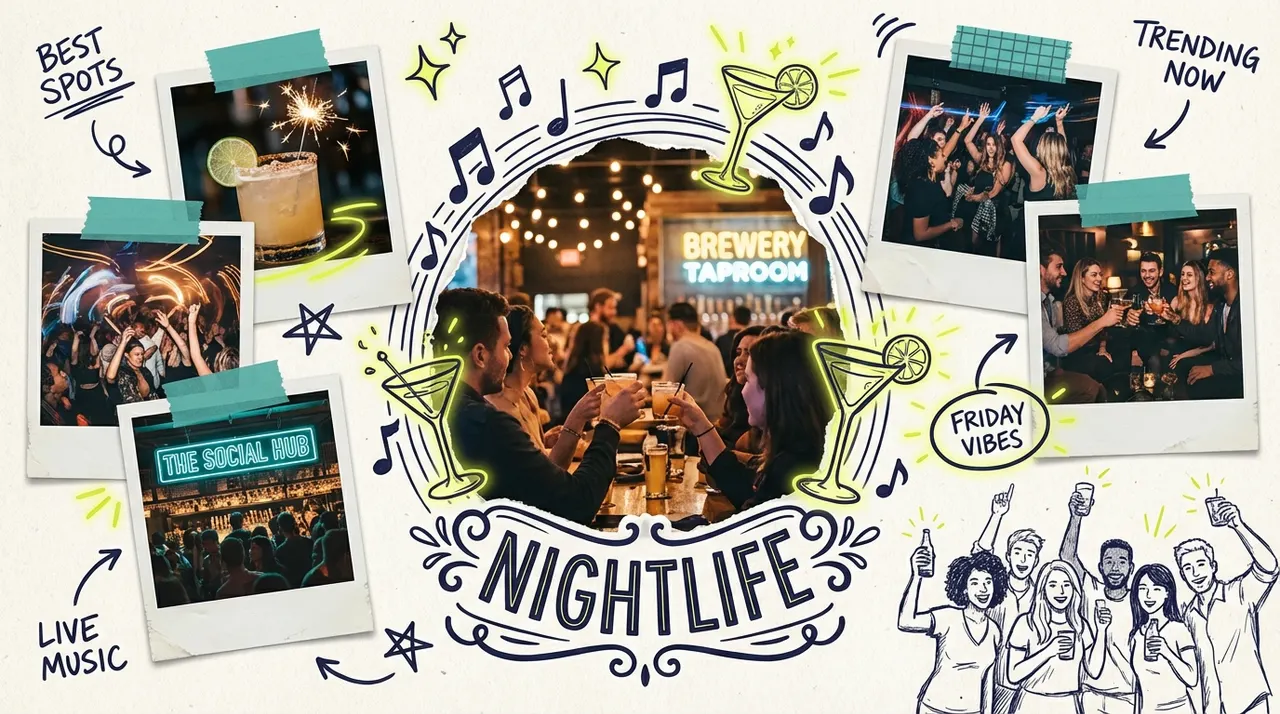
Show atmosphere. Diners choose restaurants for experience, not just food. Your dining room, your ambiance, your energy all matter. Viewers should imagine themselves enjoying a meal in your space.
Feature signature items. Every restaurant has dishes that define it. These signature items should be prominently featured, creating association between your restaurant and specific cravings.
Communicate what makes you different. "Great food" describes every restaurant. What specifically makes you worth visiting? Unique dishes, special atmosphere, particular expertise, or distinctive experience should come through clearly.
Include clear calls to action. Your address or neighborhood, phone number or website, and invitation to visit should be obvious. Make it easy for viewers to find you and take action.
Measuring Success for Your Restaurant
Restaurant TV advertising success shows through metrics that connect advertising activity to business results.
Track reservation volume during and after campaigns. Compare to baseline periods to understand advertising impact. Note whether new diners mention your advertising.
Monitor foot traffic patterns. If weeknight dinner traffic increases during campaigns, advertising is driving visits. Track covers by day and daypart during campaign periods.
Observe new customer acquisition. First-time visitors during campaign periods likely represent advertising impact. Track whether these new customers return.
Calculate advertising efficiency by comparing spend to incremental revenue during campaign periods. Even rough estimates help validate continued investment.
Common Mistakes to Avoid
The most common mistake restaurants make with TV advertising is poor food photography. Your commercial is only as good as your food visuals. Invest in quality food photography before creating ads; it's worth the modest investment.
Another mistake is generic messaging. "Great food and friendly service" describes every restaurant. Communicate what specifically makes you worth visiting.
Some restaurants target too broadly. A neighborhood restaurant doesn't need to reach the entire metro area. Focus presence where your actual customers live.
Don't forget timing alignment. Advertising breakfast when viewers are thinking about dinner wastes impressions. Match your messaging to when viewers are making relevant dining decisions.
Different Restaurant Types, Different Approaches
Different restaurant categories benefit from tailored advertising approaches.
Fine dining and upscale restaurants emphasize atmosphere, experience, and culinary excellence. Commercials should feel premium and aspirational, matching the dining experience they promise.
Casual dining restaurants emphasize value, variety, and welcoming atmosphere. Family-friendly messaging and appetite-driven visuals work well for this category.
Fast casual concepts emphasize quality, convenience, and value. Quick service doesn't mean sacrificing quality; your advertising should communicate both speed and substance.
Quick service restaurants emphasize speed, value, and specific menu items. Limited-time offers and craveable signature items often drive traffic for this category.
Specialty restaurants like steakhouses, seafood houses, pizza places, or ethnic cuisine establishments emphasize their specific expertise. Your specialization is your differentiation; lead with it.
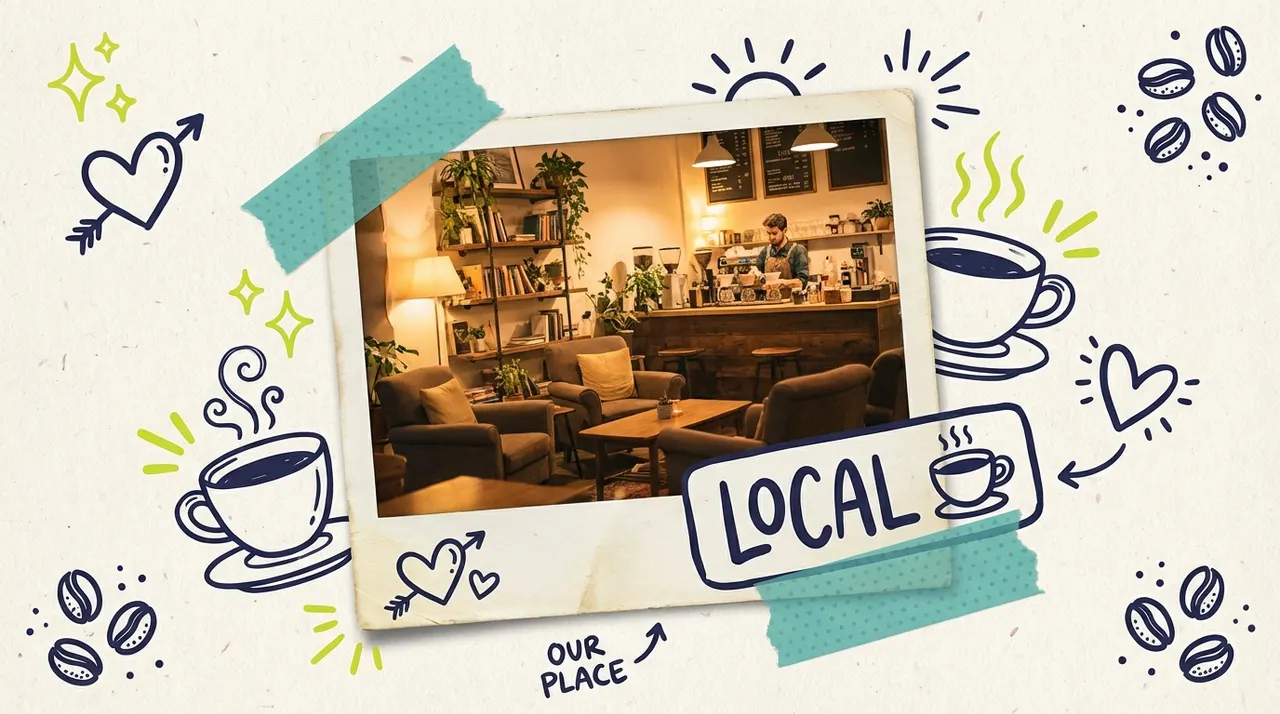
Coffee shops and cafes emphasize atmosphere and daily ritual. These establishments often benefit from lifestyle-focused advertising that positions them as part of customers' routines.
Competing with Chain Restaurants and Delivery Apps
Independent restaurants compete against both national chains with massive marketing budgets and delivery apps that insert themselves between restaurants and customers. TV advertising helps on both fronts.
Against chains, local presence and authenticity create advantages. Your commercial can feature real owners, real kitchens, and real community connections that chain restaurants cannot match. Many diners actively prefer local establishments when they're aware of options.
Against delivery apps, brand recognition drives direct orders. When customers know your restaurant and want your food specifically, they're more likely to order direct rather than through third-party platforms. TV advertising builds that brand recognition that reduces delivery app dependence and protects your margins.
Seasonal and Promotional Campaign Strategies
Restaurant advertising should align with both your business calendar and customer behavior.
Holiday periods create dining demand. Thanksgiving, Christmas, Valentine's Day, Mother's Day, and other holidays drive restaurant visits. Advertise in advance to capture planning behavior.
Seasonal menu launches merit advertising support. New seasonal dishes give existing customers reason to return and provide advertising hooks.
Slow period campaigns combat predictable downturns. January after holiday spending, summer in some markets, and early weekdays often see reduced traffic. Advertising during these periods can smooth revenue.
Building Long-Term Restaurant Brand Value
Restaurants that invest consistently in advertising build brand equity that compounds over time. Your restaurant becomes part of the community's dining vocabulary. That brand recognition creates sustainable competitive advantage that survives competitive pressures, economic cycles, and market changes. The advertising investment today builds the recognition that generates traffic for years to come.
When you invest consistently in TV advertising, your restaurant becomes part of your community's dining vocabulary. Regulars proudly tell friends about their favorite spot. New residents ask locals for restaurant recommendations and hear your name. The compounding effects of brand recognition create returns far beyond directly attributed visits. Your restaurant moves from unknown option to known destination, fundamentally changing how customers discover and choose you.
Understanding Restaurant TV Advertising ROI
Measuring restaurant TV advertising return requires considering the full picture, not just immediately attributable visits.
Direct response captures customers who visit specifically because of advertising. Track visits during campaign periods and ask how guests heard about you.
Repeat visits compound value. A new customer acquired through advertising might visit once, but if the experience delivers, they return. Calculate lifetime value, not just first visit value.
Word of mouth multiplies reach. Customers who learn about you through TV tell others. These referrals represent advertising impact even though attribution is indirect.
Brand equity appreciates over time. Recognition built through advertising persists long after any individual campaign ends, generating traffic for years.
Getting Started with Restaurant TV Advertising
Restaurants all over the country are discovering what successful restaurant brands have known: TV advertising builds the familiarity that drives dining decisions. The technology has made it accessible at budgets that work for independent operators.
Your restaurant creates experiences worth sharing. The food, the atmosphere, the care that goes into every meal deserve to be seen by everyone in your community who enjoys dining out.
The diners who will become your regulars don't know you exist yet. They're watching streaming TV tonight, making mental notes about restaurants to try. TV advertising puts your restaurant in their consideration set.
Create your ads free and build the cravings that fill your tables. Your next regular customer might be watching right now.
Common questions answered
How much should a restaurant spend on TV advertising?
Most restaurants testing TV advertising start with $500 to $1,000 monthly to see if the channel works for their location. This budget provides enough impressions to build local awareness while keeping risk manageable. Restaurants seeing positive results often scale to $2,000 to $5,000 monthly during peak seasons. The key is tracking whether TV-driven awareness translates into reservations and foot traffic.
What times should restaurants run TV ads?
Focus advertising on the days and times when viewers are most likely planning meals. Thursday through Sunday evenings capture weekend dining decisions. Morning slots on weekdays can drive lunch traffic for casual dining. The hours before typical meal times (4-6 PM for dinner, 10 AM-12 PM for lunch) catch people while they're thinking about food. CTV platforms let you target specific dayparts to optimize your spend.
Do TV ads work for small, independent restaurants?
Yes. Independent restaurants often see strong results from TV advertising because they can emphasize local ownership, unique offerings, and personal service that chain restaurants can't match. Appearing on TV also builds credibility that helps smaller restaurants compete with larger marketing budgets. The accessibility of CTV advertising at budgets starting around $50 makes TV viable for restaurants of all sizes.
What should a restaurant TV ad show?
Feature your food prominently with appetizing close-up shots. Show your atmosphere and what makes dining at your restaurant special. Include your chef or staff to add personality. Have a clear call to action with your location or a special offer. Keep it simple: viewers should remember one compelling reason to visit rather than trying to communicate your entire menu.