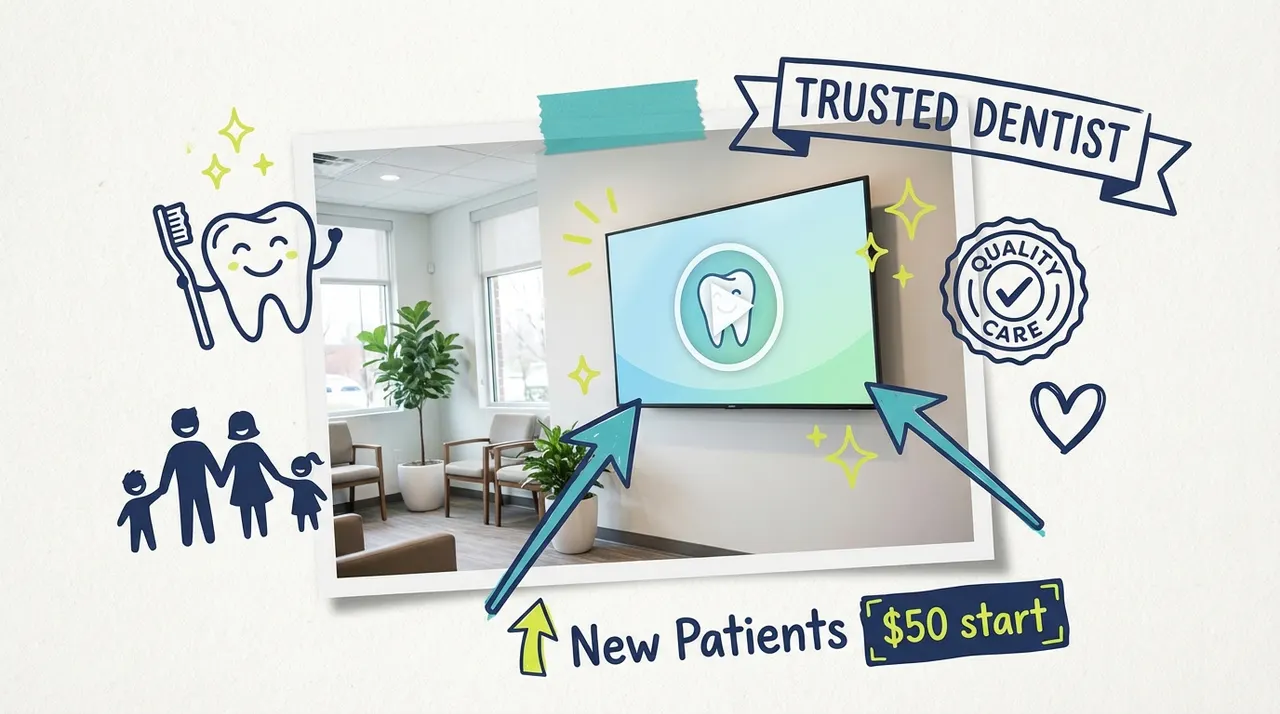
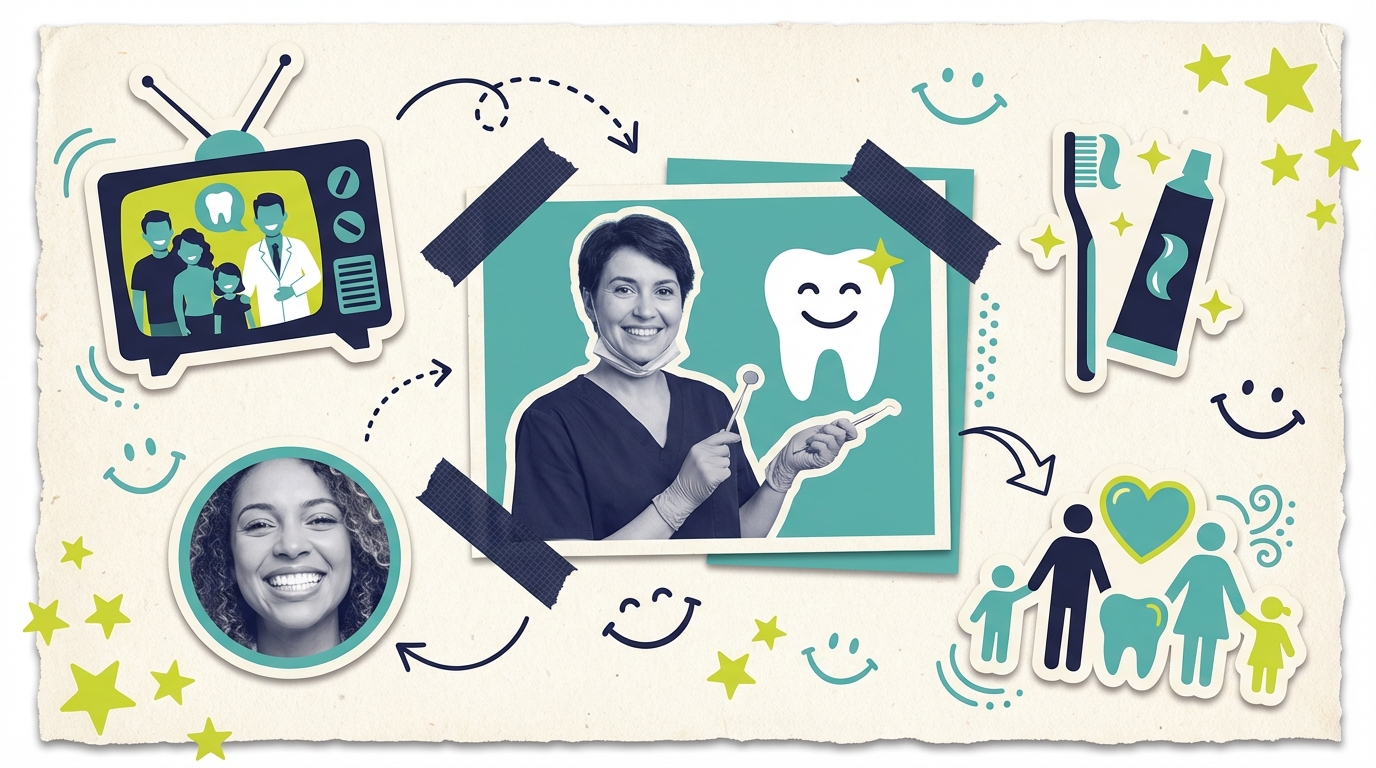
People choose dentists based on trust, proximity, and referrals. TV advertising accelerates all three: you become the familiar name in your community, you appear credible because you're on TV, and existing patients proudly recommend a dentist they've seen advertised. The perception of being "established enough to advertise on TV" creates a halo effect that influences how potential patients perceive everything about your practice.
Your practice needs a steady flow of new patients to thrive and grow. TV advertising fills your schedule by reaching families and individuals actively looking for a dentist, or unhappy with their current one, or simply procrastinating making an appointment but increasingly aware they need to. When they finally decide to act, your name is the one they remember.
Why TV Advertising Works for Dentists
Dental care decisions involve significant trust. Patients want a practice that feels professional, welcoming, skilled, and modern. They want to believe their dentist uses current techniques and technology. They want to know their dentist will be there for years to come. TV advertising builds all of these perceptions before the first appointment ever happens.
The dental practice opportunity is substantial. Every community needs dental care, and the majority of adults haven't seen a dentist in the past year, representing massive untapped demand. New residents to any area actively search for healthcare providers including dentists. Families seek practices that serve all ages. Patients who find a trusted dentist typically stay for years or decades, providing predictable recurring revenue and referral potential.
Yet attracting dental patients presents real challenges. Competition from both local practices and corporate dental chains is intense and well-funded. Building trust with potential patients requires more than website claims and online reviews. Most patients won't drive more than 10-15 minutes for routine dental care, creating tight geographic constraints. Differentiating your practice requires demonstrating your approach, atmosphere, and values, not just listing services.
TV advertising offers dental practices a powerful solution. Professional TV presence establishes credibility and builds the trust patients require for healthcare decisions. You reach households throughout your local service area efficiently. Video showcases your practice environment, your team, and the patient experience in ways static ads cannot. Geographic targeting ensures budget efficiency by focusing on your actual patient draw area. Repeated exposure builds the familiarity that drives appointment bookings.
The most successful dental practices are trusted names in their communities. TV advertising builds that trusted reputation with local families.
How TV Advertising Works for Dentists
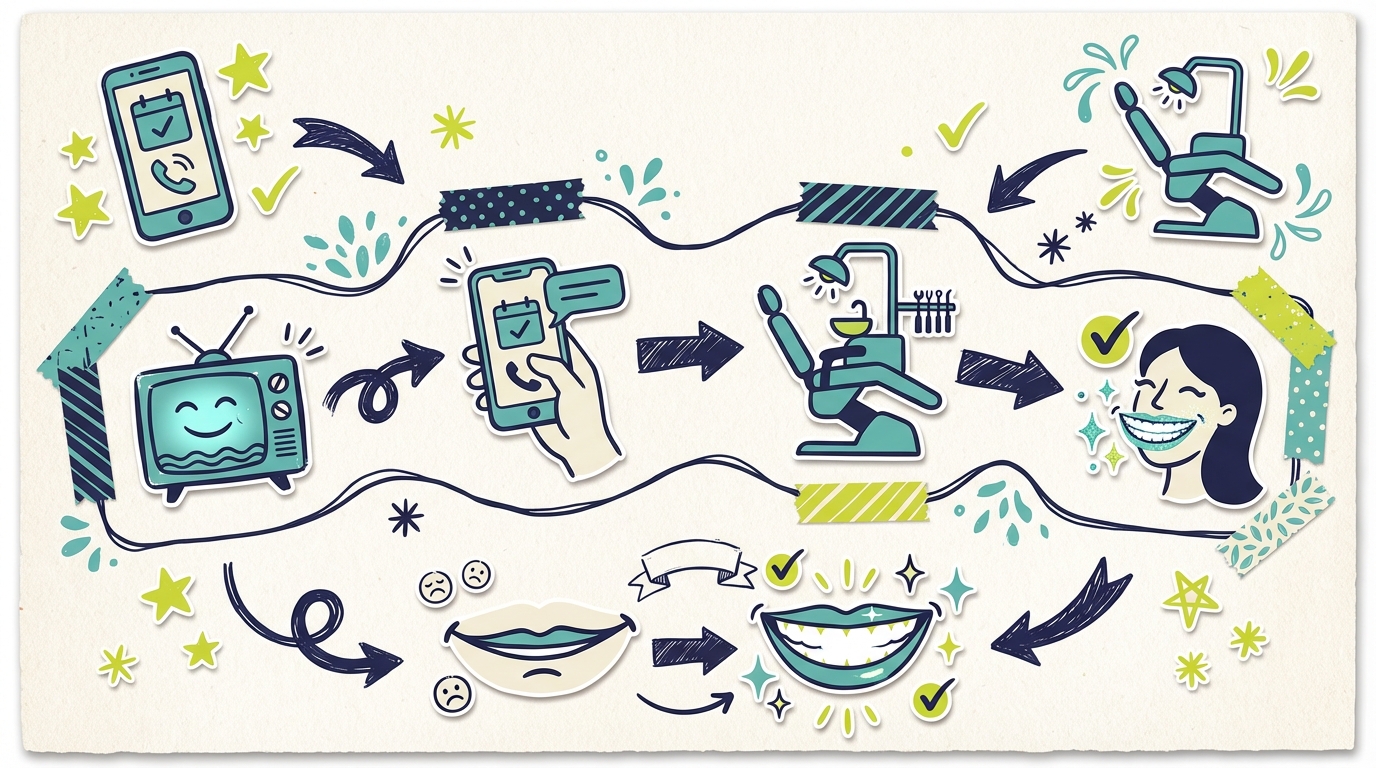
TV advertising attracts new patients consistently through a process designed for healthcare providers without marketing expertise.
You share your website or practice information with Adwave, and the platform gathers your imagery, services, and branding automatically. Within minutes, you see a friendly, professional 30-second commercial showing your services, technology, and patient care approach. The ad communicates warmth and professionalism that puts anxious patients at ease.
You customize the commercial to emphasize your specialties or differentiators. Perhaps you want to feature cosmetic dentistry services like veneers and whitening. Maybe you emphasize pediatric care and your family-friendly environment. Or perhaps sedation dentistry for anxious patients is your key differentiator.
You target households within convenient distance of your practice. Most dental practices draw primarily from a 5-10 mile radius, though this varies by market density. Your ad runs on 100+ premium channels including NBC, Hulu, ESPN, and other networks your potential patients watch with their families.
Targeting Strategies for Dental Practices
Effective dental advertising reaches households in your service area who are most likely to become patients.
Geographic targeting defines your service area based on where your current patients come from. Analyze your patient data to understand your actual draw radius, then target accordingly. Most practices find that 70-80% of patients come from within 10 miles. Consider targeting specific neighborhoods with demographics that match your ideal patient profile.
Demographic targeting aligns with your practice focus. Family practices target households with children. Cosmetic dentistry appeals to adults 30-55 with disposable income. Senior-focused practices target older households. Consider targeting by household characteristics that correlate with dental service needs, homeowners tend to be more established and seeking long-term dental relationships.
Timing considerations matter for dental care decisions. New Year resolutions prompt health commitments including dental care. Back-to-school season drives parent attention to children's dental health. Open enrollment periods remind people to use their dental benefits before year-end. Wedding season drives cosmetic dentistry interest. Advertising during these periods captures heightened dental awareness.
Budget Considerations
TV advertising for your dental practice starts from $30/day with Adwave. A few new patients per month pays for your entire advertising budget many times over.
The math works strongly in favor of TV advertising for dentists. New patients often stay for years of ongoing care, with average patient lifetime value reaching several thousand dollars. A single new family with parents and children represents substantial multi-decade value. Specialty services like implants, veneers, or orthodontics generate significant revenue per patient, often $5,000-15,000 or more per case.
A baseline investment of $1,000-2,000 monthly maintains consistent awareness in your community. Increased investment during key periods like New Year, back-to-school, and year-end captures heightened dental awareness. New practice launches benefit from heavier initial investment to establish market presence quickly.
At an average CPM of $25, $1,500 monthly delivers approximately 60,000 ad views among households in your service area. If your target area includes 40,000 households, that's meaningful frequency building over time.
Adwave creates your commercial for free. Traditional dental practice commercial production might cost $10,000-20,000, that barrier disappears entirely with AI generation.
Creating Effective Commercials
The most effective dental commercials create emotional comfort while communicating professionalism and care.
Lead with patient experience, not clinical services. Viewers care about how they'll feel at your practice, not the technical specifications of your equipment. A smiling patient, a warm team member, and a comfortable waiting area communicate what patients really want to know.
Show your actual practice and team. Viewers want to see where they'll be and who they'll meet. Your office, your staff, and your dentist(s) should appear in the commercial. This creates familiarity before the first visit and reduces anxiety.
Address dental anxiety directly if relevant. Many adults avoid dental care due to fear. Messaging about comfortable care, gentle approaches, and sedation options reaches this underserved market.
Emphasize modern technology and techniques. Patients want to believe their dentist uses current methods. Mentions of advanced technology, continuing education, or modern approaches reassure patients they're choosing a practice that stays current.
Include clear calls to action. Your phone number, website, and a prompt to schedule should be obvious.
Common Mistakes to Avoid
The most common mistake dental practices make is inconsistent presence. Running ads for two months, stopping, then starting again prevents the frequency building that creates lasting recognition. Commit to sustained advertising for best results.
Another mistake is leading with services rather than experience. "Root canals, crowns, and cleanings" doesn't differentiate. Patient experience, team warmth, and practice atmosphere create emotional connection that drives choice.
If 80% of patients live within ten miles, start by focusing the campaign on that area. Broaden it only if the results support doing so.
Don't neglect production quality. Even though AI generates your ad, review it carefully. Dental advertising requires warmth and professionalism, anything that feels cold or amateurish works against you.
Specialized Strategies
Different dental specialties benefit from tailored advertising approaches.
Cosmetic dentistry advertising emphasizes transformation and confidence. Lifestyle imagery and messaging about confidence and appearance resonate with cosmetic dental patients.
Pediatric dentistry advertising targets parents with messaging about child comfort, fun environments, and establishing good dental habits early. Family-focused imagery and kid-friendly language attract this market.
Sedation dentistry advertising directly addresses dental anxiety. Messaging about comfort, relaxation, and anxiety-free dentistry reaches the significant population avoiding dental care due to fear.
Implant and reconstructive dentistry advertising targets older patients and emphasizes quality of life improvements, eating comfort, and smile restoration.
Measuring Success
Dental practice TV advertising success shows through metrics that connect advertising activity to patient growth.
Track new patient appointments during and after campaigns. Compare new patient volume to baseline periods. A sustained 20-30% increase in new patients typically indicates effective advertising.
Implement consistent source tracking. Train every team member to ask every new patient how they heard about you. "I saw your commercial" provides direct attribution.
Calculate patient acquisition cost by dividing advertising spend by new patients acquired. For most dental practices, acquiring a new patient for $100-300 represents excellent ROI given multi-year lifetime value.
Monitor appointment requests for specific services featured in ads. If your campaign emphasizes Invisalign or whitening, track whether inquiries for those services increase.
Getting Started
Dental practices all over the country are discovering what successful practices have known: TV advertising builds the recognition that keeps schedules full and practices thriving. Technology has made it accessible at budgets that work for practices of any size.
Your practice provides excellent dental care to patients who trust you. TV advertising lets you demonstrate that quality to every family in your community who needs a dentist.
The family that will become your best patient referral source doesn't know you exist yet. They're watching streaming TV tonight. TV advertising puts you in their awareness so when that moment comes, you're the practice they call.
Create your ads free and build the local recognition that keeps your schedule consistently full.
Common questions answered
Is TV advertising appropriate for a dental practice?
TV advertising works exceptionally well for dental practices because choosing a dentist is a trust-based decision. Patients want to feel comfortable with their provider before booking, and video builds familiarity and trust faster than any other medium. Many dental practices report that TV-sourced patients arrive more confident and ready to proceed with recommended treatments.
How do I target potential dental patients?
Focus on geographic targeting within a reasonable drive radius of your practice, typically 5 to 10 miles in urban areas, farther in suburban or rural locations. Layer in demographic targeting for your ideal patient profile: families with children for pediatric services, adults 40+ for restorative work, or higher-income households for cosmetic dentistry.
What should my dental practice TV ad include?
Feature your actual office, team, and real patients to build authenticity. Highlight what makes your practice different. Include a friendly introduction to the lead dentist since patients want to know who will be treating them. End with a clear call to action and easy contact information. Avoid clinical jargon and focus on the patient experience.
How much should a dental practice budget for TV?
Start with $1,000 to $2,000 per month for initial testing. Consider the lifetime value of a dental patient, a new patient relationship might be worth $3,000 to $10,000 over time. Even at higher CPMs, if TV advertising brings in a few new patients monthly, the math works significantly in your favor.
Can I advertise specific dental services?
Yes, and specialized service advertising often performs better than generic practice promotion. High-value services like cosmetic dentistry, implants, or orthodontics justify higher advertising investment because of their profit margins. Create separate campaigns for different services with tailored messaging and targeting.