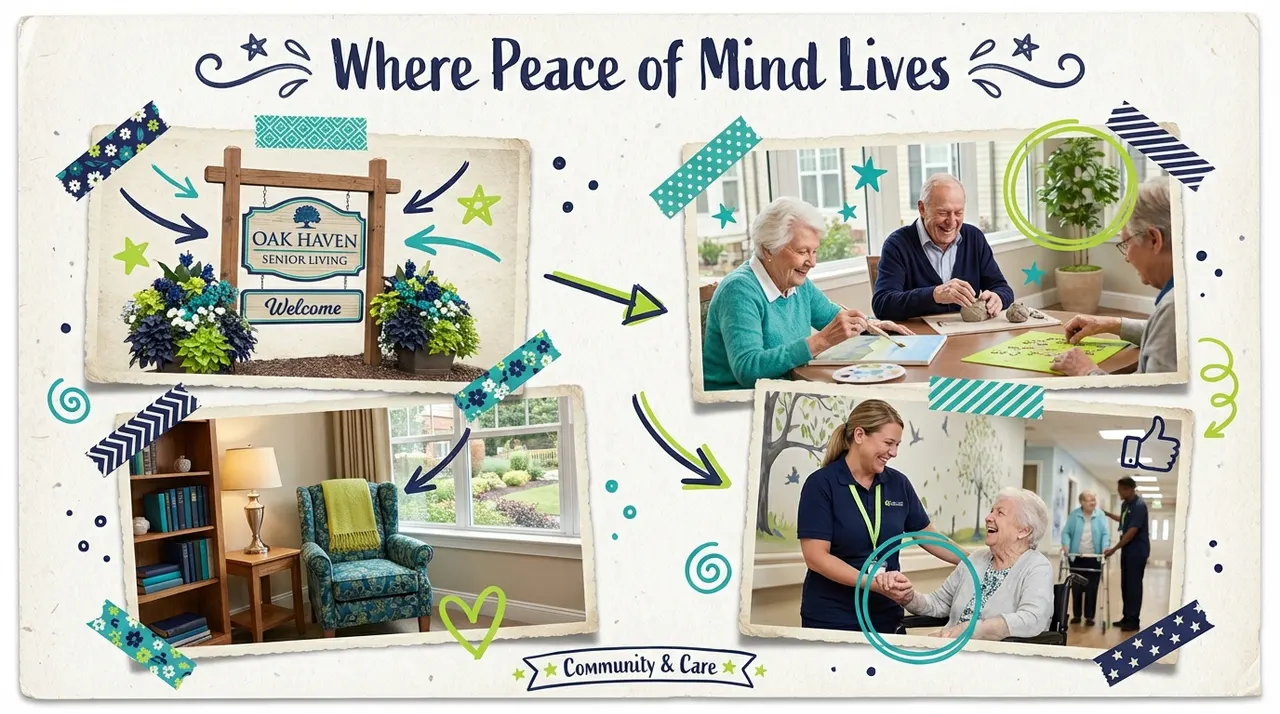
Choosing senior care for a loved one is among the most difficult decisions families face. Adult children research facilities while managing guilt about the transition. They want to find a place where their parent will be safe, comfortable, and treated with dignity. They're looking for peace of mind as much as practical care.
This emotional complexity shapes how families search for senior living options. They take their time. They visit multiple facilities. They read reviews obsessively. Through all of this, familiarity matters enormously. Families gravitate toward communities they recognize, communities that feel established and trustworthy.
TV advertising builds that recognition. When a family member sees your senior living community on television, you become a known option rather than a name on a list. That visibility creates the foundation of trust that converts inquiries into move-ins.
This guide covers how senior care facilities and assisted living communities can use TV advertising to reach families, build trust, and grow census.
Why TV Advertising Works for Senior Care

Senior living communities have characteristics that make them especially well-suited for television advertising.
Adult children make most decisions. While seniors are the residents, their adult children often drive the selection process. These decision-makers watch streaming television regularly, making TV an effective channel for reaching them during relaxed evening hours.
Trust determines everything. Families won't entrust their loved ones to unfamiliar facilities. TV advertising signals legitimacy and stability. A community that advertises on television seems established and professional, not questionable.
The decision is deeply emotional. Placing a parent in senior care isn't like hiring a contractor. Families carry significant emotional weight during this process. Television connects emotionally through visuals, music, and storytelling in ways that digital ads struggle to match.
Geographic targeting reaches your market. Families typically choose senior care within reasonable driving distance for visits. Streaming TV advertising targets specific ZIP codes.
Premium impression quality matters. Senior care decisions deserve serious consideration. TV advertising commands full attention and communicates professionalism that supports the gravity of the choice families are making.
Understanding Your Audience
Effective senior care advertising requires understanding who makes these decisions.
Adult Children Are Primary Decision-Makers
The 50-65 age group drives most placements. Adult children in this demographic most commonly research senior care options for aging parents. They're typically still working, managing their own households, and suddenly navigating unfamiliar territory with their parents' care needs.
They're researching while working. These decision-makers often begin searches during lunch breaks or evening hours. They're squeezing research into already busy lives while processing difficult emotions about their parents' changing needs.
They feel guilt and uncertainty. Many adult children feel conflicted about senior care decisions. They may worry about abandoning their parents or making the wrong choice. Messaging that acknowledges these emotions resonates deeply.
They want reassurance. Beyond practical information about services and costs, adult children seek reassurance that they're making a good decision. They need to believe their parent will be happy, safe, and well-cared-for.
Seniors Also Influence Decisions
Proactive seniors research independently. Some seniors research options themselves, wanting to maintain control over their future care decisions. Advertising can reach this audience directly.
Couples plan together. When one spouse needs care, couples often explore options together. Messaging can address both the person who needs care and their partner.
Word of mouth matters. Seniors often hear about communities from friends, doctors, or other trusted sources. TV advertising amplifies these referrals by making community names recognizable.
Building Recognition Before the Crisis
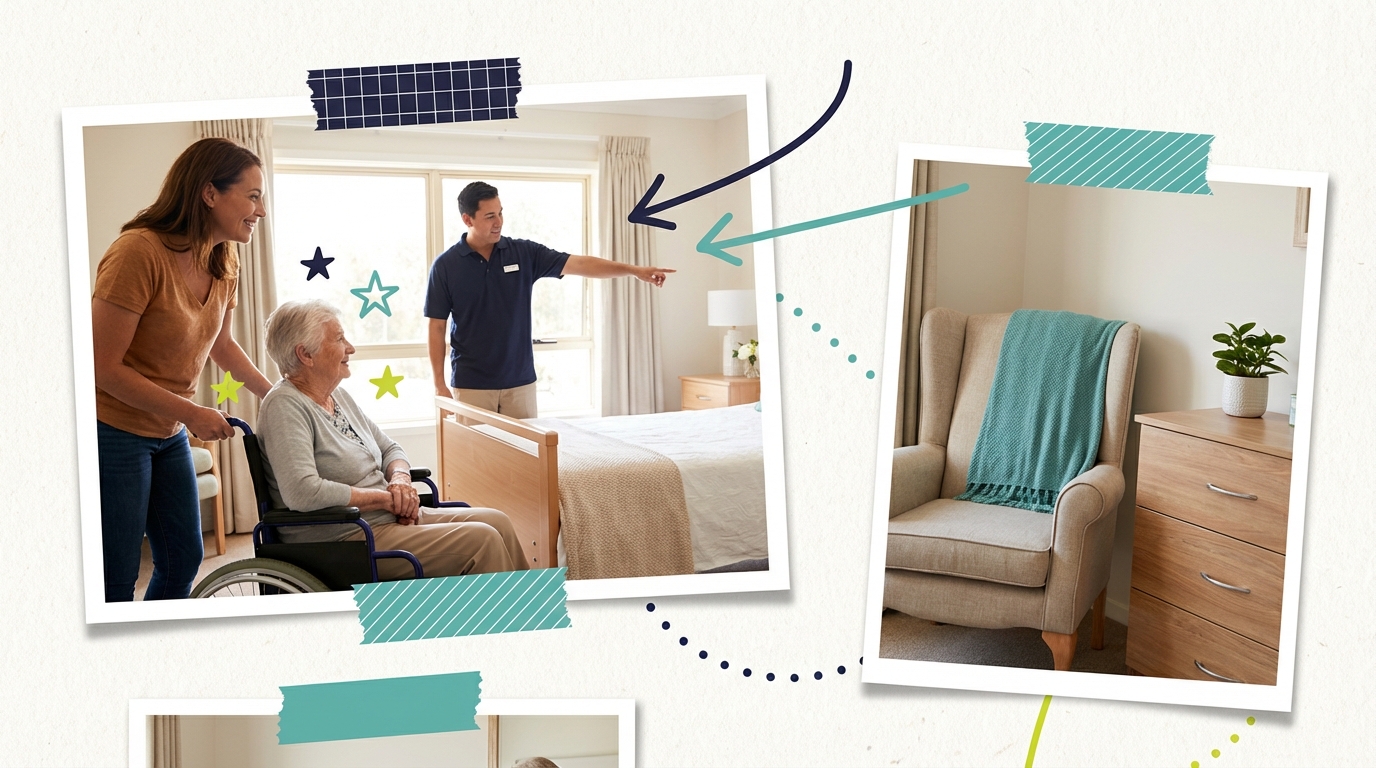
Senior care searches often begin during crises: a fall, a health event, or a sudden decline. Build recognition before these moments so you're remembered when families need you.
Brand awareness precedes the search. Most families begin looking for senior care after a triggering event. The communities they already recognize get added to the consideration list first. TV advertising ensures you're known when that moment arrives.
Recognition creates shortlist placement. When families start researching, they typically consider 3-5 communities. Familiar names make the shortlist. Unknown facilities, regardless of quality, often don't get tours scheduled.
Visibility suggests stability. A community that advertises implies a community that plans to serve residents long-term. Families want continuity for their loved ones, not concerns about financial stability.
Multiple exposures build comfort. The first time someone sees your ad, they note your existence. By the third or fourth exposure, you feel familiar. This familiarity translates directly into willingness to schedule a visit.
What to Show in Your TV Ad
The most effective senior care ads share certain elements that build trust with families.
Show genuine resident life. Nothing builds trust like seeing happy residents engaged in activities at your actual community. Feature real moments of connection, activity, and comfortable living.
Feature your facility. Clean, well-maintained spaces reassure families. Show common areas, dining rooms, outdoor spaces, and resident rooms. Let families see where their loved one would live.
Include your caregiving staff. Families want to know who will care for their loved ones. Feature real team members, show warm interactions between staff and residents, and convey the caring culture of your community.
Demonstrate quality of life. Show residents enjoying meals, participating in activities, socializing with friends, and living fulfilling lives. Counter the fear that senior care means diminished existence.
Address safety subtly. Don't lead with medical equipment and emergency systems, but let these elements appear naturally. Families notice and appreciate seeing that safety is built into daily life.
End with clear next steps. Encourage tours, consultations, or information requests. Most senior care decisions require in-person visits. Make it easy for interested families to take the next step.
Messaging That Resonates With Families

Craft messages that speak to what decision-makers care about.
Lead with quality of life. Families want to know their loved ones will be happy, not just safe. "Where mom can still be mom" or "Live fully, every day" speaks to the desire for continued quality of life.
Acknowledge the transition. Many families struggle with the decision to explore senior care. Messaging like "When home becomes harder" or "A new chapter, not an ending" acknowledges these feelings.
Emphasize independence where appropriate. Assisted living often preserves significant independence. If your community supports this, highlight it. Families often feel better about choices that maintain their loved one's autonomy.
Feature community and connection. Isolation concerns many families. Show that your community offers friendships, activities, and engagement that combat loneliness.
Highlight specialized care sensitively. Memory care, skilled nursing, and other specialized services address serious needs. Present these capabilities professionally without making the messaging feel clinical or frightening.
Timing Your Advertising
Senior care decisions don't follow predictable seasons, but certain patterns exist.
Maintain year-round presence. Crises that trigger senior care searches happen unpredictably. Consistent advertising ensures you're visible whenever families begin their search.
Increase during transition periods. Some seasonal patterns exist: post-holiday periods when families have visited and noticed changes in their parents, spring and fall when families plan for winter months or reassess after summer.
Be present during health awareness periods. Alzheimer's awareness month and similar observances increase attention to senior care topics. Being visible during these periods can capture heightened interest.
Coordinate with local events. Senior health fairs, caregiver support events, and community programming create opportunities to increase visibility when seniors and families are thinking about care needs.
Targeting the Right Families
Streaming TV advertising lets you target precisely who sees your ads.
Geographic focus. Most families choose senior care within 30-45 minutes of their home for regular visits. Target ZIP codes within this radius of your location. Include areas where adult children with aging parents likely live.
Age demographic targeting. Target households with adults aged 50-70, the primary decision-making demographic for senior care. These are typically the adult children researching options for parents.
Income alignment. Private-pay senior care serves specific income levels. Target households whose income suggests ability to afford your services.
Behavioral indicators. Streaming platforms can identify households showing interest in senior care content, caregiving resources, or health information for older adults. These behavioral signals improve targeting efficiency.
What Results to Expect
Set realistic expectations for how TV advertising will impact your community.
Increased tour requests. The most direct result is more families contacting you to schedule visits. Track inquiry volume during advertising periods compared to baseline.
Higher website traffic. Families who see your ad often visit your website before calling. Monitor web analytics for traffic increases correlated with advertising.
Better conversion rates. Families who arrive already familiar with your community convert to move-ins at higher rates. They come with confidence rather than skepticism.
Improved referral response. When healthcare professionals, discharge planners, or friends recommend your community, families are more likely to follow up if they already recognize your name from advertising.
Premium unit uptake. TV advertising attracts families who value quality. These families are more likely to choose premium accommodations and additional services.
Budget Considerations
TV advertising for senior care communities starts at accessible levels.
Entry-level presence. At $300-500 monthly, you can maintain visibility in your local market. This level suits communities maintaining awareness or testing TV advertising impact.
Growth-focused spending. Communities actively building census often invest $750-1,500 monthly. This level provides consistent presence and competitive positioning.
Market leadership. Established communities seeking dominant local awareness may invest $2,000-4,000 monthly.
Given that senior living residents often represent $4,000-8,000 or more in monthly revenue, with average stays measured in years, acquiring even one additional move-in often justifies significant advertising investment.
See detailed pricing or create your first ad free.
How to Get Started
Modern platforms make senior care TV advertising accessible.
Provide your website. Adwave's AI creates a professional commercial from your existing online presence. Your facility photos, resident activities, and community description become compelling video content.
Customize your message. Highlight what makes your community special: specialized memory care, engaging activity programs, beautiful grounds, exceptional dining, or compassionate staff.
Set your geography. Target the ZIP codes where families in your service area live. Include both areas near your facility and communities where adult children with aging parents reside.
Launch and track. Your ad goes live within 24 hours on premium streaming platforms. Monitor inquiries, track which families mention seeing your ad, and correlate advertising periods with tour scheduling and move-ins.
Differentiating Your Community
Television gives you space to highlight what makes you different.
Care specialization. Memory care, rehabilitation services, skilled nursing, respite care. If you offer specialized services competitors don't, feature them prominently.
Lifestyle programming. Exceptional dining, robust activity calendars, beautiful outdoor spaces. Quality-of-life features that distinguish your community deserve attention.
Staff credentials and continuity. Experienced nursing staff, low turnover, specialized training. Families care deeply about who will care for their loved ones.
Community features. Private rooms, couples accommodations, pet-friendly policies, on-site amenities. Unique features that matter to families can differentiate you.
Philosophy of care. Person-centered care, family involvement, dignity and respect. If your care philosophy sets you apart, communicate it clearly.
Common Questions Answered
What should senior care facilities highlight in TV ads? Focus on quality of life and genuine resident experiences. Show happy, engaged residents participating in activities and enjoying relationships. Feature your caring staff interacting warmly with residents. Include glimpses of your facility's comfortable spaces without making it feel like a tour. Address the emotional concerns families have about senior care transitions.
Who should senior care advertising target? Primary targeting should focus on adults aged 50-70, the adult children who typically research and select senior care for aging parents. Secondary targeting can include seniors themselves who proactively plan their care. Geographic targeting should cover areas within reasonable visiting distance of your facility.
When should senior care communities advertise? Year-round advertising is recommended because care needs arise unpredictably. Crises that trigger searches happen in every season. However, consider increasing presence after major holidays when families have visited aging parents and during health awareness periods when attention to senior care topics increases.
How do senior care communities measure TV advertising success? Track tour request volume during advertising periods compared to baseline. Ask every inquiring family how they heard about your community and record TV mentions. Monitor conversion rates from tour to move-in for families who mentioned seeing advertising. Calculate long-term value of new residents against advertising investment.
What budget should a senior care community allocate to TV advertising? Start with $300-500 monthly to establish presence and test results. Communities actively seeking to grow census typically invest $750-1,500 monthly. Given that residents often represent $50,000 or more in annual revenue with multi-year average stays, advertising investment pays back quickly when it generates move-ins.
The Bottom Line
Families choosing senior care for loved ones are making one of the most important decisions of their lives. They're looking for communities they can trust, environments where their loved ones will thrive, and caregivers who will treat their family members with dignity.
Television advertising builds the visibility and familiarity that helps your community become a trusted choice. When families begin their search, they'll already know your name. When they tour your facility, they'll arrive with confidence. When they make their decision, recognition works in your favor.
The senior care market rewards communities that reach families early in their decision process. TV advertising ensures you're the community families think of first when they start looking for the care their loved ones deserve.
Ready to reach more families? Create your ads in minutes and connect with local families on streaming platforms, from $30/day.