

Boutiques and clothing stores compete in one of retail's most challenging categories. You're up against fast fashion giants, online retailers with unlimited selection, and the convenience of shopping from home. Yet independent boutiques continue thriving because they offer something the big players cannot: curated style, personal service, and the experience of discovering something unique.
Television advertising helps boutiques communicate these advantages to the customers who value them most. It showcases your aesthetic, introduces your brand personality, and builds the kind of awareness that drives traffic through your doors.
This guide covers how boutiques and clothing stores can use TV advertising to attract style-conscious customers, build brand recognition, and compete effectively against larger competitors.
Why TV Works for Fashion Retail
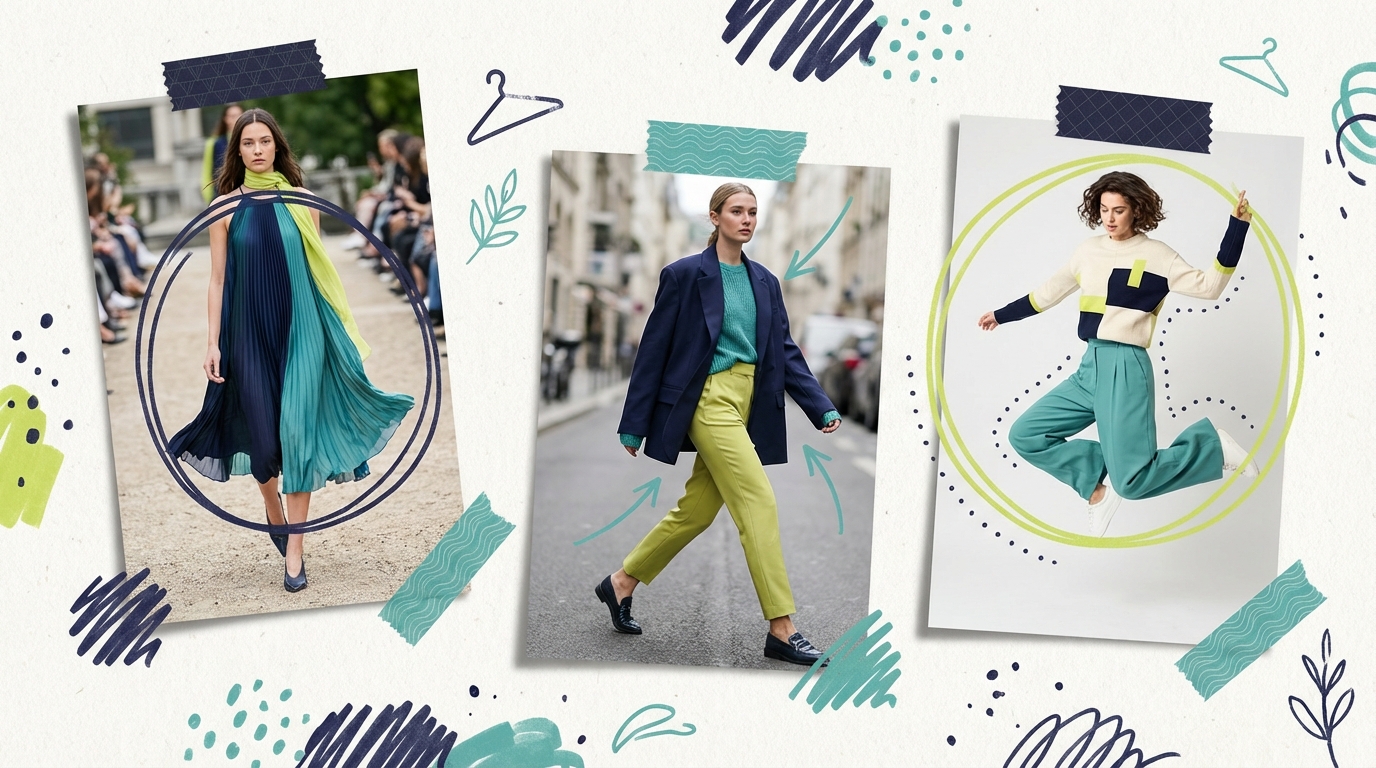
Fashion is visual. Clothing needs to be seen in motion, styled on real people, in contexts that suggest lifestyle and aspiration. Television delivers this better than any other advertising medium.
Showing Style in Motion
Static images can only do so much for fashion. Television advertising shows clothing flowing, fitting, and moving on real bodies. Customers can imagine how pieces will look and feel when worn, not just hanging on a rack.
The combination of sight, sound, and motion creates emotional responses that drive fashion purchases. Music sets mood. Movement shows fit. Styling suggests how pieces work together. These elements combine to create desire that static advertising cannot match.
Building Aspirational Brand Image
Fashion retail sells more than clothing. You're selling identity, lifestyle, and the feeling customers get when they wear your pieces. Television's cinematic quality helps construct these aspirational associations.
Brands that advertise on television are perceived as more established and trustworthy. For boutiques competing against major retailers, this credibility boost helps justify premium pricing and positions you as a legitimate alternative to well-known brands.
Reaching Local Fashion Customers
Most boutiques draw from a local geographic area. Customers might drive 15-30 minutes for a great shopping experience, but they won't cross the country. Streaming TV advertising allows precise geographic targeting to focus on your actual market.
Beyond geography, streaming platforms enable demographic and interest-based targeting. Reach households with higher discretionary income, fashion-interested viewers, or specific age demographics that match your customer profile.
Seasonal Advertising Strategies
Fashion retail follows predictable seasonal patterns. Align your advertising with these rhythms to maximize impact.
New Season Launches
Spring and fall arrivals represent major selling opportunities. Customers actively seek new pieces as weather changes and wardrobes need updating.
Time advertising to coincide with new inventory arrivals. Build anticipation before merchandise hits the floor. Drive traffic during the important first weeks when selection is best.
Holiday Shopping Season
The period from November through December accounts for a disproportionate share of annual retail revenue. Advertising investment during this window can significantly impact yearly performance.
Start holiday advertising in early November. Gift-giving messaging resonates throughout the season. Emphasize the personal touch and unique selection that distinguish boutique shopping from generic retail.
Sale Events
End-of-season sales and special promotions deserve advertising support. These events can attract new customers who might become full-price shoppers once they discover your store.
Create urgency with limited-time messaging. Show the value customers can find. Use sales as opportunities to introduce your store to customers who might not shop with you otherwise.
Slow Season Strategies
Every retail business has slower periods. Strategic advertising during these times can smooth revenue curves and maintain customer engagement.
Consider reduced but consistent advertising during slow months. Stay visible so customers think of you when they're ready to buy. Test new messaging or targeting approaches when competition for attention is lower.
Showing Your Boutique's Personality
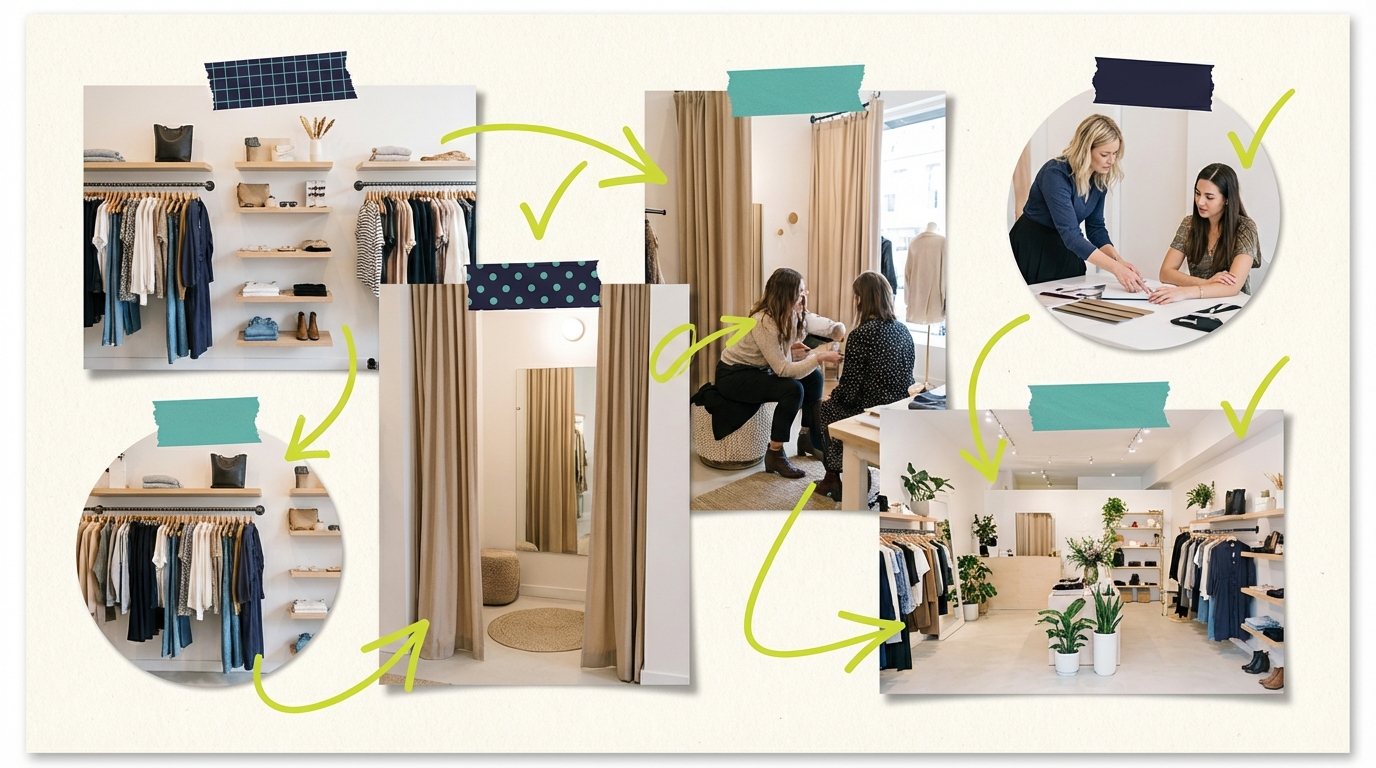
Your boutique's unique personality is your competitive advantage. Television advertising should communicate what makes shopping with you special.
Visual Merchandising on Screen
Feature your store environment if it's distinctive. Exposed brick, curated displays, inviting fitting rooms, and thoughtful styling all communicate the experience customers can expect.
Show the details that matter. How clothing is displayed, how outfits are coordinated, and the overall aesthetic of your space all contribute to brand perception.
Introducing Your Team
Personal service differentiates boutiques from impersonal retail chains. If your staff provides exceptional styling advice and genuine relationships with customers, show that in your advertising.
Feature real employees if they're comfortable on camera. Their authentic enthusiasm for fashion and customer service communicates values that scripted advertising cannot replicate.
Showing Unique Selection
Boutiques succeed by curating rather than offering everything. Show the thoughtful selection process that results in your inventory. Communicate that customers will find special pieces they won't see everywhere else.
Feature emerging designers, local makers, or exclusive items that demonstrate your curatorial eye. These unique offerings justify the boutique shopping experience.
Targeting Fashion-Forward Customers
Effective targeting ensures your advertising reaches people likely to shop at boutiques rather than mass-market alternatives.
Demographic Targeting
Fashion boutique customers typically have higher household incomes and prioritize quality and style over lowest price. Target accordingly on streaming platforms that allow income-based audience selection.
Age targeting matters too. Define your core customer demographic and focus advertising on those age ranges. A contemporary women's boutique targets differently than a young professional menswear store.
Interest-Based Targeting
Streaming platforms can target based on viewing behavior and interests. Fashion-related content viewers, lifestyle programming audiences, and viewers of content suggesting higher discretionary spending make good targets.
Layer interest signals with demographics and geography for precise audience definition. The goal is reaching people who value what boutiques offer and have the means to shop with you.
Geographic Precision
Define your realistic service area based on where current customers come from. Most boutiques draw primarily from a 20-30 minute drive radius, with some customers traveling further for special shopping trips.
Focus advertising spending on this core geography rather than trying to reach everyone in a large metropolitan area. Precision reduces waste and increases frequency among your actual target audience.
Creating Effective Boutique Advertising
What you show and how you show it significantly impacts advertising effectiveness.
Lead With Your Best Pieces
Feature your most compelling merchandise. Statement pieces, bestsellers, and items that exemplify your aesthetic should take center stage. These pieces hook attention and communicate your style point of view.
Rotate featured items seasonally to keep advertising fresh and relevant. What you show should reflect what customers will find when they visit.
Style Complete Looks
Fashion customers often want help putting outfits together. Show complete looks rather than isolated pieces. Demonstrate how items from your store work together to create polished outfits.
This styling approach adds value beyond simply showing product. It positions your store as a resource for fashion guidance, not just a place to buy clothes.
Include Lifestyle Context
Show clothing in contexts that suggest how customers might wear it. Office scenes, weekend outings, evening events, and everyday activities help customers envision pieces in their own lives.
These lifestyle contexts contribute to aspirational brand building. Customers don't just see clothing; they see possibilities for how they might look and feel.
Keep Branding Clear
Ensure viewers know who you are and where to find you. Store name, location, and any distinctive brand elements should appear clearly. Many viewers will need multiple exposures before visiting; each impression should reinforce your brand identity.
Budget Considerations
Boutiques operate on tight margins. Advertising investment must generate returns that justify the expense.
Starting Small
Adwave's platform makes television advertising accessible at budgets from $30/day. This low entry point allows boutiques to test TV advertising without major financial commitment.
Start with modest budgets during key selling periods. Measure results before scaling investment. Many boutiques find that even small TV campaigns generate noticeable increases in store traffic.
Scaling With Results
As you learn what works, increase investment during periods with highest potential. Heavy up during holiday season, new arrival launches, and sale events when return potential is greatest.
Scale back during slower periods while maintaining some presence. Consistent visibility compounds over time, but budget allocation should reflect opportunity.
Measuring Impact
Track store traffic, sales, and new customer acquisition during advertising periods. Ask customers how they heard about you. Monitor website traffic if you advertise your web address.
Attribution in retail is imperfect, but directional signals can indicate whether advertising is working. Look for patterns correlating advertising activity with business results.
Getting Started With TV Advertising
Modern platforms have made television advertising accessible for retailers of any size.
Creating Your Ad
Adwave generates professional TV commercials from your existing website and photos. Upload images of your store and merchandise, describe your brand personality, and AI creates broadcast-ready advertising.
The process takes minutes rather than the weeks traditional TV production requires. You can create new ads for different seasons, sales, or campaigns without significant additional investment.
Launching Your Campaign
Define your target geography and audience. Set a budget that aligns with your goals and comfort level. Campaigns can start from $30/day, making testing accessible.
Launch timing should align with your business objectives. New arrival periods, pre-holiday ramp-up, and sale events all represent good starting points.
Optimizing Over Time
Monitor results and refine your approach based on what you learn. Test different creative approaches, targeting parameters, and timing strategies. Television advertising improves as you learn what resonates with your specific customer base.
Common Questions Answered
Does TV advertising work for small boutiques? Yes. Fashion is inherently visual, making television an effective medium for showing clothing and building aspirational brand image. Streaming TV has made television accessible at budgets that work for small retailers, eliminating the barrier that previously limited TV to large chains.
How much should a boutique spend on TV advertising? Start small and scale based on results. A boutique might test with $500-1,000 monthly during peak season. Successful campaigns can scale to larger budgets during holiday periods or major promotions. The key is measuring results and investing where you see returns.
What should be in a clothing store TV ad? Show your best merchandise styled on real people in motion. Communicate your store's personality and aesthetic. Include clear branding with store name and location. Feature complete outfits rather than isolated pieces to demonstrate styling expertise.
When should boutiques advertise on TV? Concentrate investment around key selling periods: new season launches, holiday shopping season, and major sale events. Maintain lighter presence during slower periods to stay visible. Align advertising with when customers are actively shopping and your inventory is strongest.
Can boutiques compete with big retailers through advertising? Yes, but differently. Boutiques win by focusing on what chains cannot offer: curated selection, personal service, unique pieces, and distinctive shopping experiences. Television advertising helps communicate these advantages to customers who value them over lowest price or biggest selection.
The Bottom Line
Boutiques and clothing stores sell style, identity, and the pleasure of wearing something special. Television advertising captures these emotional elements in ways that static advertising simply cannot match.
The combination of visual storytelling, aspirational brand building, and precise local targeting makes streaming TV advertising especially well-suited to fashion retail. You can showcase your aesthetic, communicate your personality, and reach customers likely to value what boutique shopping offers.
Whether you're launching a new store, driving seasonal traffic, or building awareness in your community, television advertising provides tools that make advertising more accessible against larger competitors.
Ready to showcase your boutique's style on television? Create your ads in minutes and start reaching local fashion customers on premium streaming channels, from $30/day.


