
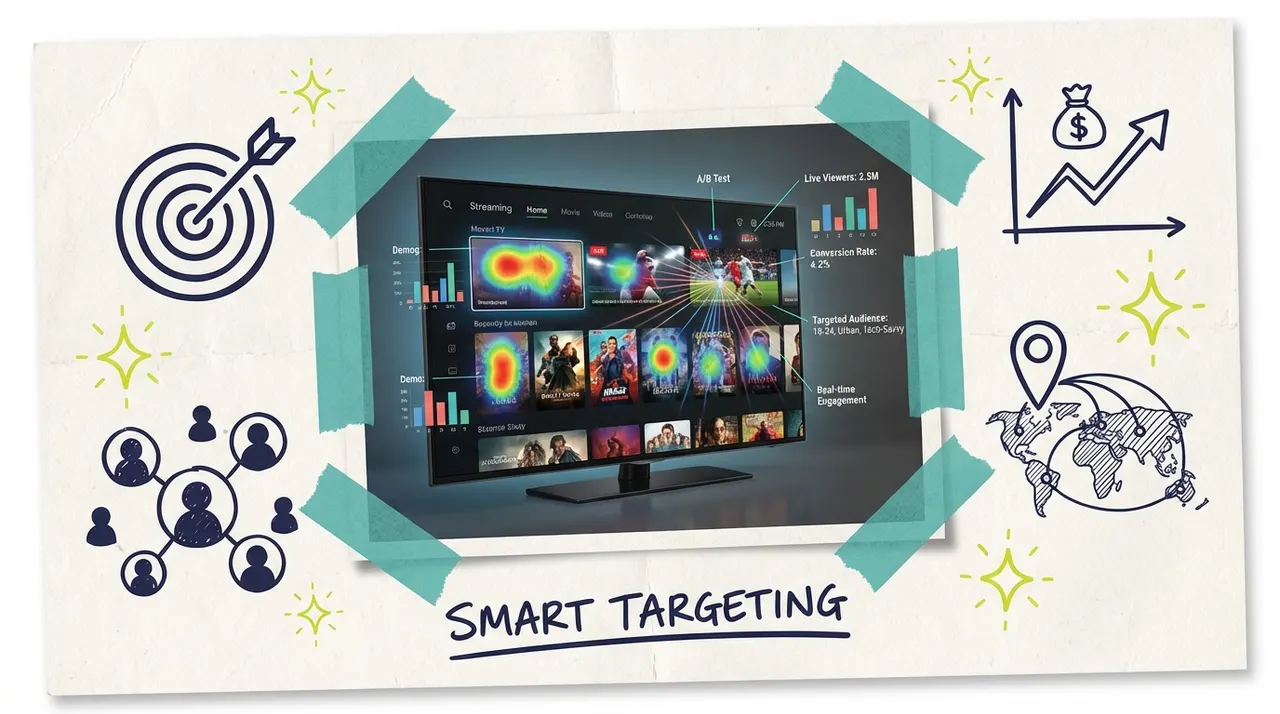
Old-school TV advertising was a blunt instrument. Buy a time slot, hope your audience is watching, cross your fingers.
CTV targeting changed everything.
Connected TV advertising lets you reach specific audiences with the same precision you expect from digital marketing, but on the biggest, most trusted screen in the house. You're not buying time slots. You're buying access to the exact people most likely to become your customers.
This guide breaks down every CTV targeting option available, so you can maximize every advertising dollar.
Demographic Targeting
The foundation of CTV targeting starts with demographics: who your ideal customers are based on observable characteristics.
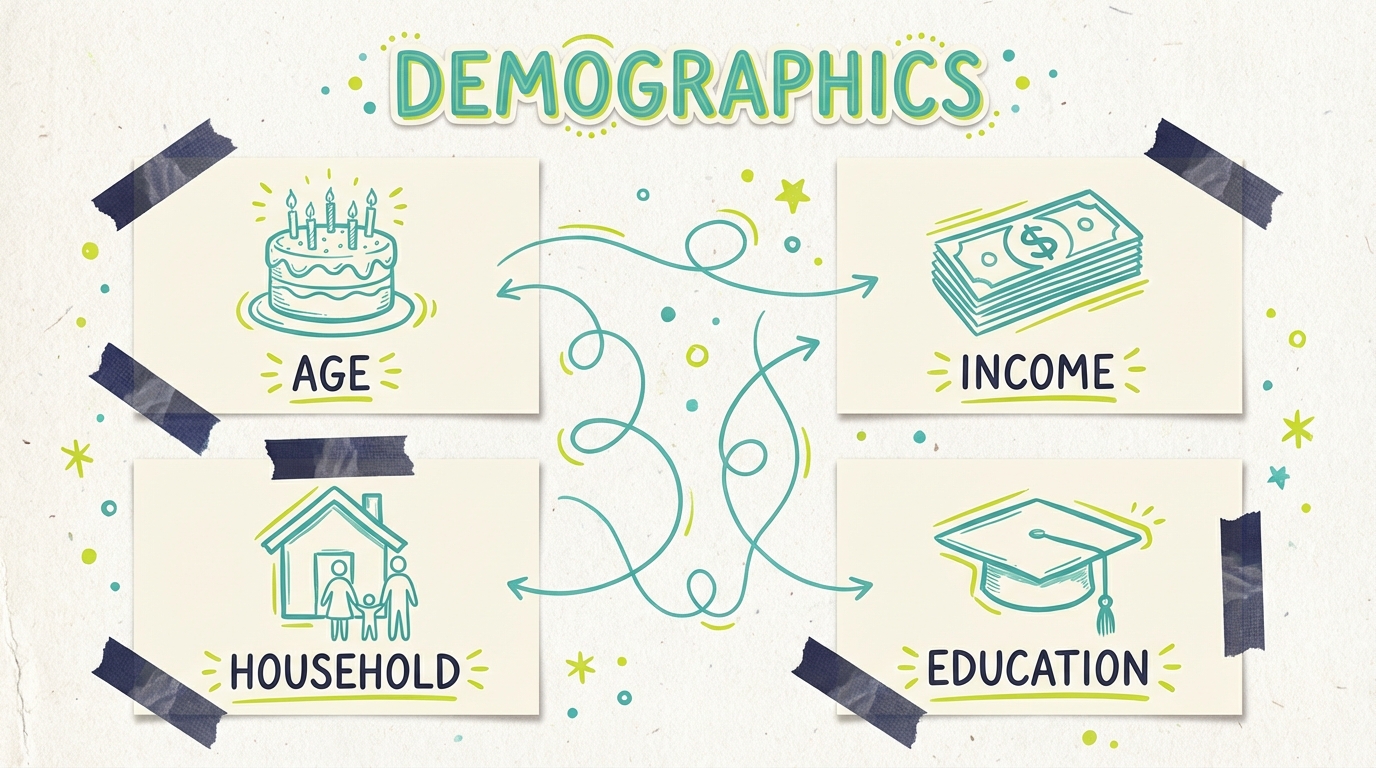
Age targeting lets you focus on specific age ranges. A pediatric dentist targets households with children. A retirement community targets 55+. A nightclub targets 21-35.
Gender targeting helps when your product skews toward a specific gender. Women's apparel, men's grooming products, and similar categories benefit from gender-focused campaigns.
Household income targeting puts your ads in front of people who can afford what you sell. Luxury services target high-income households. Value-focused businesses might target middle-income families.
Household composition matters for many businesses. Targeting families with children, empty nesters, or single-person households helps you reach the right life stage.
Education level can be a proxy for interests and purchasing behavior. Some products naturally appeal more to college-educated audiences.
The key with demographics: start broader than you think, then narrow based on performance. Over-targeting from day one limits your reach and learning.
Geographic Targeting
For local businesses, geographic targeting is often the most important lever.
DMA (Designated Market Area) targeting reaches everyone in a specific TV market. If you serve the entire Austin metro area, DMA targeting covers it efficiently.
State-level targeting works for businesses with regional footprints or state-specific regulations (like insurance agents licensed in particular states).
ZIP code targeting gets granular. Target affluent ZIP codes for luxury services. Target specific neighborhoods where your customers live.
Radius targeting is perfect for brick-and-mortar businesses. Set your store address and reach everyone within 10, 15, or 25 miles. This is how a local restaurant, gym, or retail store should think about targeting.
City-level targeting hits a specific city without the complexity of ZIP codes or the breadth of DMA.
For most local businesses, radius targeting around your location is the starting point. Expand from there based on where customers actually come from.
Interest-Based Targeting
Interest targeting reaches people based on what they care about, not just who they are.
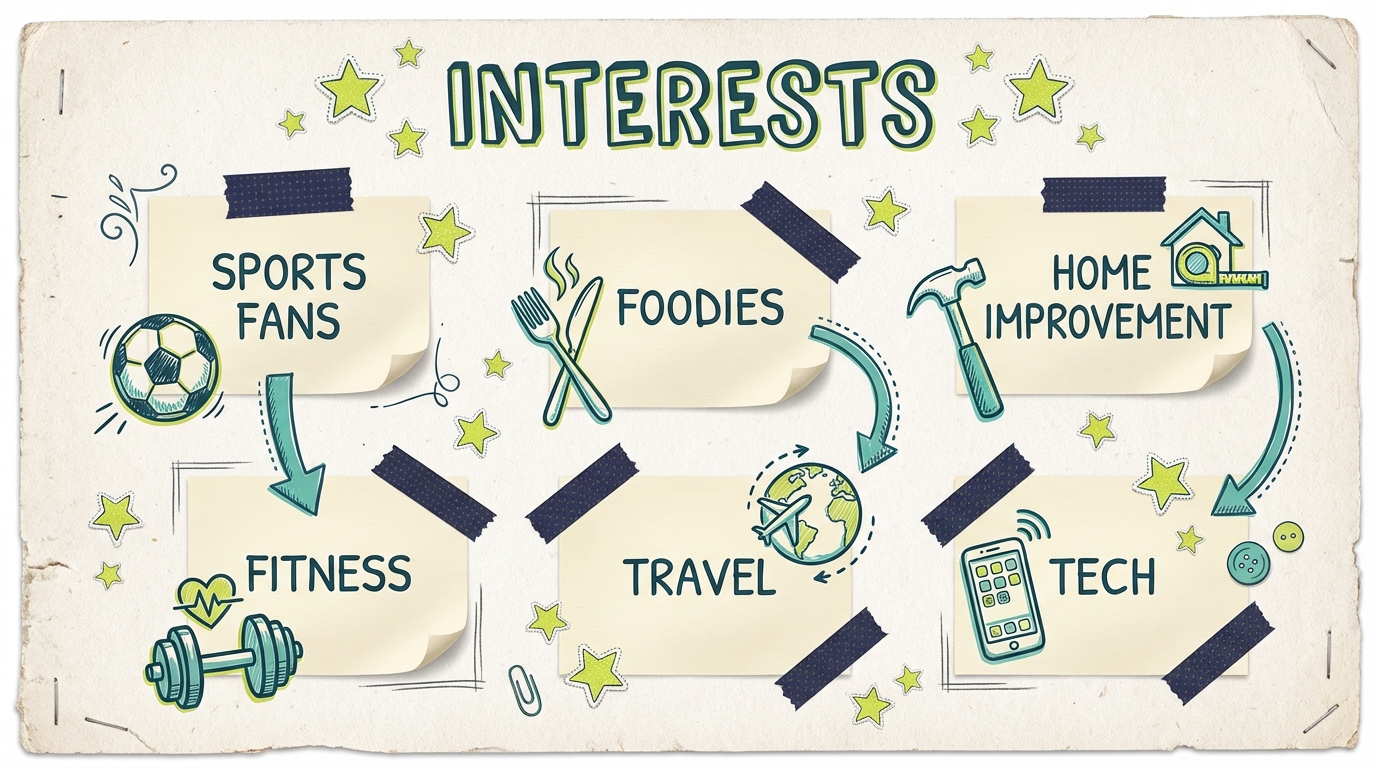
Lifestyle segments group people by how they live. "Health-conscious consumers," "outdoor enthusiasts," "luxury shoppers," and "budget-conscious families" are examples.
Affinity audiences reach people with demonstrated passion for categories. Sports fans, cooking enthusiasts, DIY home improvers, and similar groups.
Content preferences target based on what people watch. Viewers of cooking shows for restaurants. Viewers of home improvement content for contractors. Viewers of financial news for wealth management.
Purchase interests indicate what people are actively shopping for based on their behavior signals.
Interest targeting works well when you know your customers' passions. A sporting goods store targets sports fans. A high-end restaurant targets foodies. A travel agency targets wanderlust content viewers.
Behavioral Targeting
Behavioral targeting is where CTV gets powerful: reaching people based on what they actually do, not just who they are or what they like.
In-market audiences reach people actively shopping in a category. Someone researching cars is in-market for auto. Someone browsing real estate sites is in-market for homes. This is intent-based targeting.
Purchase behavior targets based on past buying patterns. Target people who buy organic groceries, shop at luxury retailers, or purchase home fitness equipment.
Life event targeting reaches people going through major changes: new movers, new parents, newly engaged, recent graduates, new homeowners. These moments trigger purchasing decisions.
Brand affinity targets people who engage with specific brands (competitors or complementary brands).
Behavioral targeting tends to drive stronger results because you're reaching people based on demonstrated actions, not assumed interests.
First-Party Data Targeting
Your own customer data is often your most valuable targeting asset.
Website retargeting shows your TV ads to people who have visited your website. They already know you; now reinforce with TV presence.
CRM matching uploads your customer email list and reaches those people (or similar audiences) on CTV. Reactivate lapsed customers or reinforce with current ones.
Lookalike audiences find new people who resemble your best customers. Upload your customer list, and targeting algorithms find more people like them.
App user targeting reaches people who have engaged with your app or similar apps in your category.
First-party data targeting is particularly effective because these audiences have already shown interest in your business. TV reinforces that relationship on the most credible screen.
Contextual Targeting
Contextual targeting places your ads adjacent to relevant content, creating natural associations.
Content genre targeting puts your ads on specific types of programming. A restaurant advertises during cooking shows. A sports bar advertises during live sports. A kids' brand advertises during family content.
Content rating ensures your ads appear in appropriate environments. Family-friendly brands target G/PG content. Adult products can target mature content.
Daypart targeting reaches people at specific times. Restaurants target dinner planning hours. Nightlife businesses target evening and weekend content.
Device targeting can focus on specific viewing environments. Target smart TVs for premium placements, or include mobile devices to extend reach.
Contextual targeting works because it creates natural relevance. Your ad feels like it belongs in the content environment.
Combining Targeting Strategies
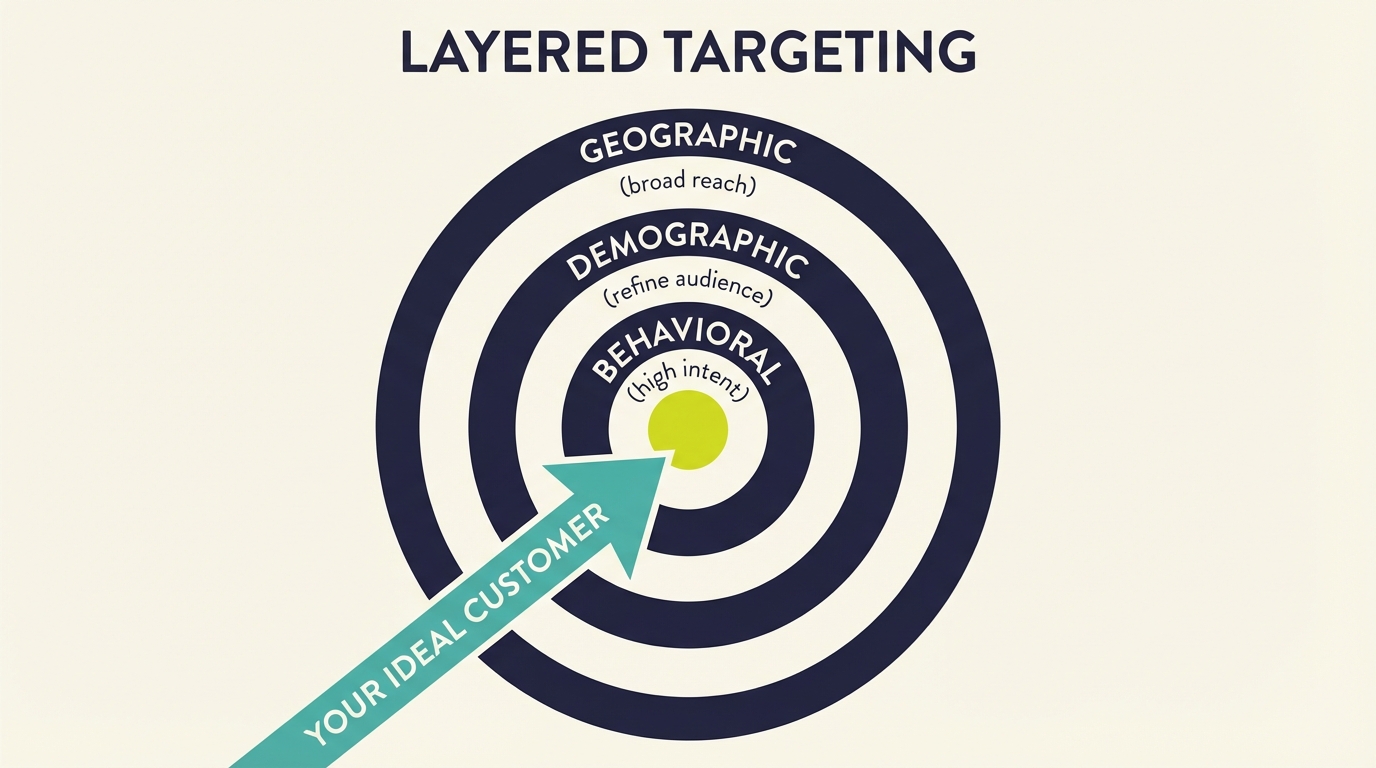
The real power comes from layering targeting options thoughtfully.
Example: Local dental practice
Geographic: 15-mile radius around the office
Demographic: Households with children OR adults 35-65
Interest: Health-conscious consumers
Behavioral: In-market for dental services
Example: E-commerce fashion brand
Geographic: National (US)
Demographic: Women 25-45
Interest: Fashion and style enthusiasts
Behavioral: Online shoppers, luxury purchasers
Example: Home services contractor
Geographic: Service area ZIP codes
Demographic: Homeowners, household income $75K+
Life event: New homeowners, new movers
Interest: Home improvement enthusiasts
Start with geographic and demographic foundations, then layer behavioral and interest targeting for precision.
Common Targeting Mistakes to Avoid
Even smart marketers make these targeting errors on CTV.
Over-targeting from the start. Layering too many targeting criteria limits reach and prevents learning. Start broader, then narrow based on data.
Ignoring frequency. Reaching the same person too many times wastes budget and annoys viewers. Set frequency caps (typically 3-5 exposures per week).
Geographic targeting too tight. A 5-mile radius might miss customers who would happily drive 15 miles for your service.
Assuming digital targeting translates directly. CTV is a household medium, not individual. You're reaching households, not specific people. Target accordingly.
Not testing targeting variations. Run A/B tests with different targeting approaches. What you assume works may not be what actually performs.
Forgetting the creative match. Your targeting and creative should align. Don't target young audiences with messaging designed for retirees.
How Adwave Makes Targeting Simple
Adwave brings enterprise-level CTV targeting to small businesses through an intuitive interface.
Local or national: Choose local targeting (set your address and radius) or national reach. No complex setup required.
Automatic optimization: Adwave's system optimizes delivery to reach the most relevant viewers based on your business type and goals.
No minimums: Start testing targeting approaches with just $50. Learn what works before scaling.
Real-time adjustments: See what's working and adjust targeting on the fly. No long-term commitments.
You get sophisticated targeting without needing a media buying degree.
Start Reaching Your Ideal Customers
CTV targeting gives you the precision of digital advertising on the most trusted screen in the home. You're no longer hoping your audience is watching. You're ensuring they see your message.
The key is starting smart: geographic foundation, demographic refinement, and behavioral layering. Test, learn, and optimize.
Create your targeted CTV campaign and put your business in front of exactly the right people. With campaigns starting at $50, there's no barrier to testing what precise targeting can do for your results.
Your ideal customers are watching. Make sure they see you.
Common questions answered
What targeting options are available for CTV advertising?
CTV platforms typically offer demographic targeting (age, gender, household income), geographic targeting (national, DMA, zip code, radius), interest and behavioral targeting (based on viewing habits and third-party data), and contextual targeting (specific content genres or channels). The exact options vary by platform.
How accurate is CTV demographic targeting?
CTV demographic targeting is generally accurate at the household level using data from multiple sources including subscription services, surveys, and purchase data. Accuracy varies by data provider but is typically 70 to 85% for broad demographics like age and income. Geographic targeting tends to be more precise since it's based on IP addresses.
Can I target specific TV shows or channels?
Yes, most CTV platforms offer some form of content targeting. You can typically target by genre (sports, news, entertainment), specific channels or networks, or even particular shows on some platforms. However, highly specific targeting usually comes with higher CPMs and may limit your available inventory significantly.
What's the best targeting strategy for a local business?
For local businesses, start with geographic targeting set to your service area (typically a radius around your location or specific zip codes). Layer on basic demographics if you have a clear target customer profile. Avoid over-targeting initially since you may limit your reach too much. Test broader targeting first, then refine based on results.


