
Walmart starts running holiday TV ads in October. Amazon's campaign begins before Halloween. Target's spots fill every commercial break from November 1st onward.
For small businesses watching these campaigns, it's easy to feel outgunned. How can you possibly compete with billion-dollar advertising budgets?
Here's the secret: you don't have to match their spending. You just have to be smart about when, how, and where you show up.
This holiday TV advertising playbook shows you how to compete with big brands during the biggest shopping season of the year, without the big brand budget.
Holiday TV Advertising Timing: When to Start
The biggest mistake small businesses make? Waiting too long.
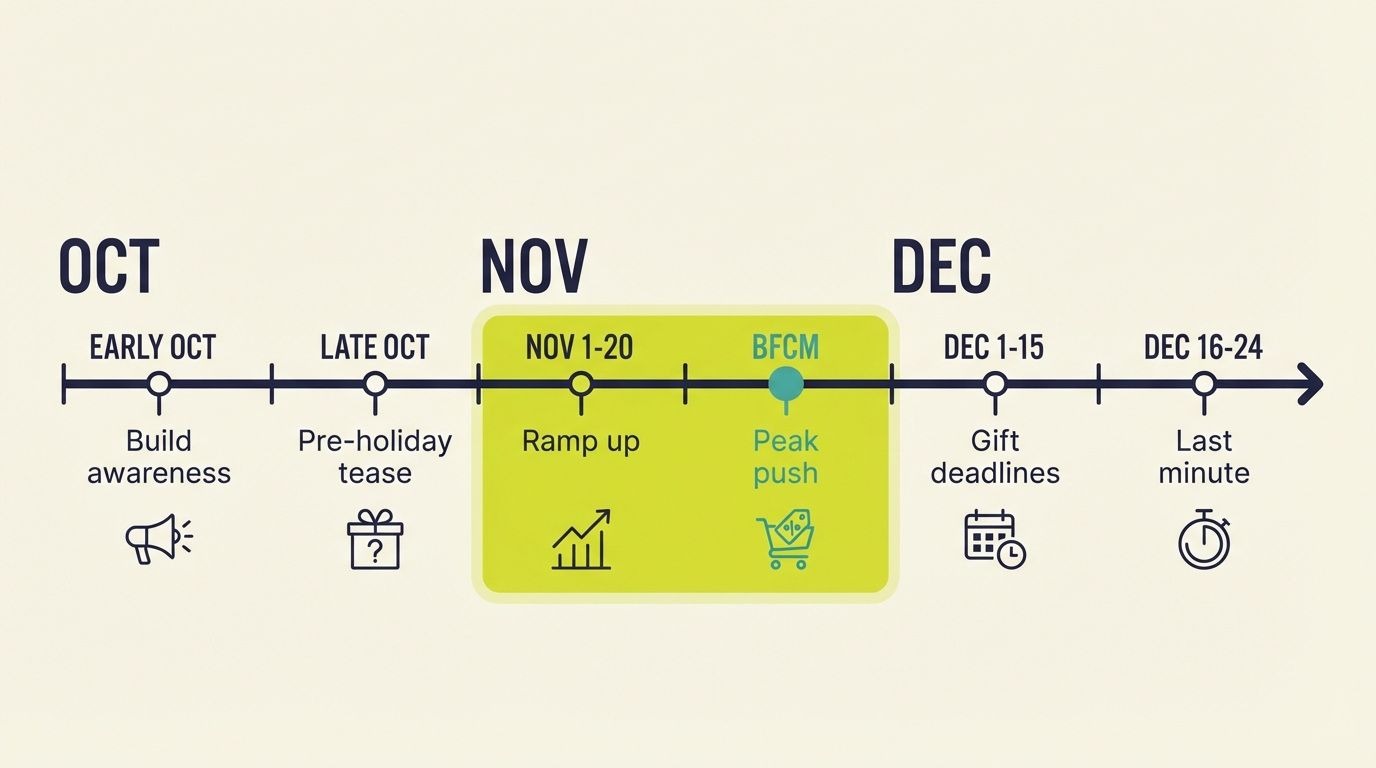
October: Foundation building
Start TV advertising now. Not to drive immediate sales, but to plant seeds. When someone sees your ad multiple times before Black Friday, you're already familiar when they're ready to buy.
Week 1-2: Test messaging, optimize creative
Week 3-4: Build frequency, establish presence
Early November: Tease and anticipate
Hint at what's coming. "Black Friday deals coming soon" or "Holiday collection arriving" creates anticipation.
Promote upcoming sales without giving everything away
Build email list and social following for sales announcements
Increase spending slightly to build reach
Thanksgiving Week & BFCM: Peak push
This is when everyone's advertising. Expect higher costs (CPMs typically increase 20-50% during this period) but also the highest shopping intent of the year.
Run your heaviest schedule
Clear, urgent messaging
Specific offers and deadlines
December 1-15: Gift deadline focus
Shift messaging to gift-giving and shipping deadlines. "Order by December 15 for guaranteed delivery" or "Perfect last-minute gift."
Target gift buyers (often different from your usual customers)
Emphasize convenience, quality, and arrival guarantees
Consider targeting by demographic (reach people buying for others)
December 16-24: Local and last-minute
For brick-and-mortar, this is your advantage. Digital can't compete with "Available today at our store."
Gift cards and in-store pickup
Extended hours messaging
"Still looking?" empathetic creative
Budget Considerations for Holiday
Let's talk money. Holiday advertising costs more, but the opportunity is bigger too.
Expect higher CPMs. During Q4, particularly November and December, ad inventory is at its most competitive. CPMs that are $20-25 in September might be $30-40 in late November.
Plan your total budget, then allocate:
October: 15% (testing, foundation)
Early November: 20% (build-up)
BFCM week: 35% (peak)
December: 30% (gifting season)
Example budgets:
$500 total: $75 October, $100 Early Nov, $175 BFCM Week, $150 December
$1,000 total: $150 October, $200 Early Nov, $350 BFCM Week, $300 December
$2,500 total: $375 October, $500 Early Nov, $875 BFCM Week, $750 December
With Adwave's $50 minimum, you can test the waters before committing larger budgets. Start small, see results, then scale.
Creative That Cuts Through the Noise
During the holidays, viewers are bombarded with ads. Your creative needs to work harder.
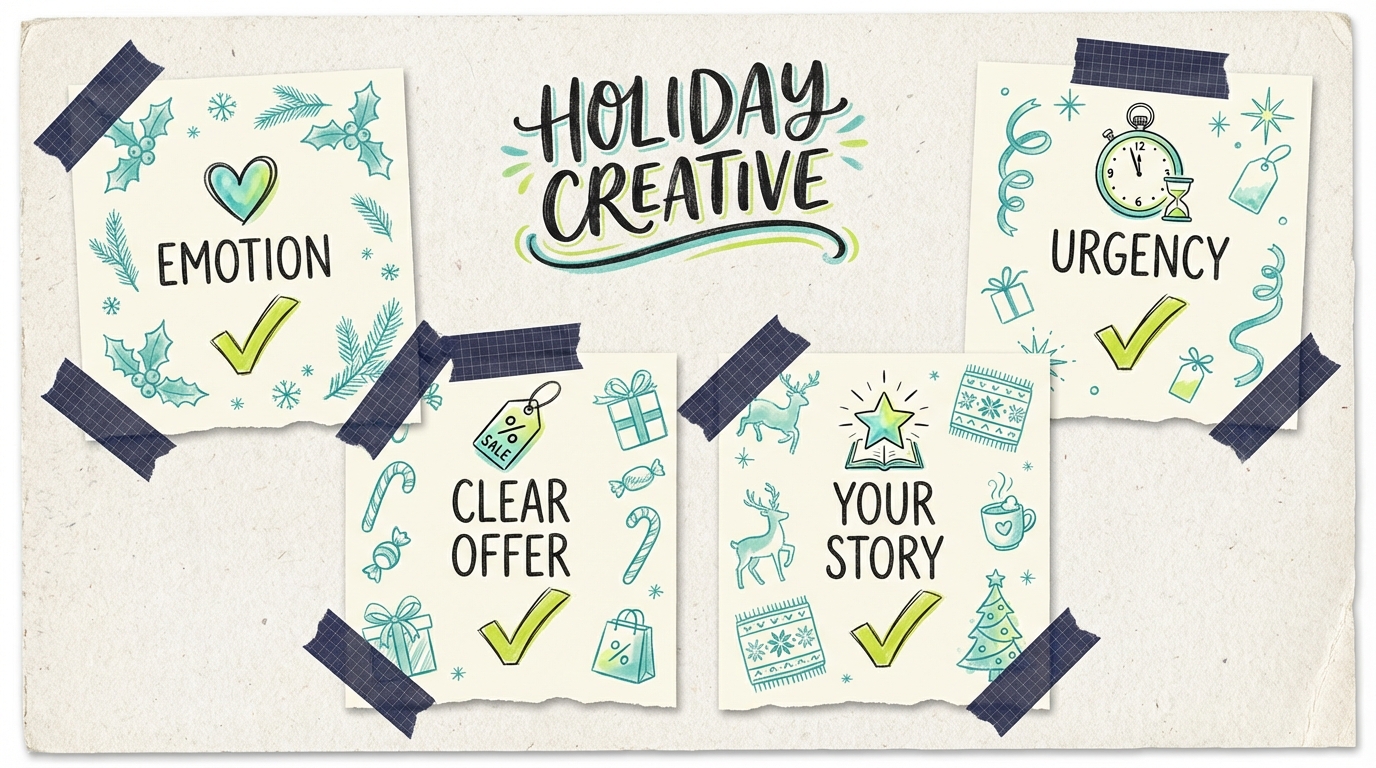
Lead with emotion. Holiday advertising that works taps into feelings: nostalgia, generosity, connection, joy. Big brands spend millions figuring this out. You can achieve it by being authentic.
Create urgency without desperation. "This weekend only" works. "BUY NOW OR MISS OUT FOREVER" doesn't. Respect your audience while motivating action.
Make offers crystal clear. Holiday shoppers are overwhelmed. "25% off everything through Sunday" is better than "Special holiday savings event."
Tell your story. This is your advantage over national chains. "Family-owned since 1985" or "Your neighbors for 20 years" creates connection that Walmart can never match.
Consider multiple creative versions:
General awareness (October)
Black Friday specific
Cyber Monday/online focused
Gift-giving focused (December)
Last-minute/local availability
Don't have video production resources? AI creative tools can generate holiday-specific versions of your commercial in minutes.
Targeting Holiday Shoppers
Holiday shoppers behave differently than your normal customers.
Gift buyers aren't your usual audience. Someone buying for a loved one may have different demographics than your typical customer. A husband buying jewelry, a daughter buying for her father, a friend looking for a unique gift.
In-market signals matter. People actively researching holiday purchases, visiting shopping sites, and engaging with holiday content are more likely to convert.
Targeting approaches:
Geographic: For local businesses, focus on your natural trading area. During holidays, people may travel farther for the right gift, so consider expanding slightly.
Demographic: Think about who buys your products as gifts, not just who uses them. Target accordingly.
Contextual: Your ad appearing during holiday programming (Hallmark movies, holiday specials, cooking shows during Thanksgiving week) creates natural alignment.
Behavioral: Target viewers who've shown shopping intent, visited retail sites, or engaged with gift guides.
Industry-Specific Holiday Strategies
Different businesses need different approaches.
Retail stores
Start early to drive foot traffic away from online
Emphasize in-store experience, expert service
Gift wrapping, personal shopping, extended hours
Post-BFCM focus on local availability
Restaurants
Holiday party and catering opportunities
Gift card campaigns (often 20%+ of December sales)
Special holiday menus
New Year's Eve/Day bookings
Service businesses
Gift certificates (spa, salon, fitness, experiences)
"Gift of..." messaging
Post-holiday service bookings (many people have time off)
E-commerce
Shipping deadlines are everything
Return policy confidence
Gift guides and curated collections
Remarketing to cart abandoners
Professional services
"Start the new year right" positioning
Year-end tax planning (accountants)
Q1 project scheduling
Holiday availability for urgent needs
Black Friday & Cyber Monday Tactics
BFCM deserves its own strategy within your holiday playbook.
For Black Friday (in-store focus):
Early opening / midnight deals (if applicable)
Doorbuster messaging
"Skip the mall crowds, shop local" positioning
QR codes for deal previews
For Cyber Monday (online focus):
Extended Black Friday deals
Free shipping thresholds
Online-exclusive offers
Easy returns messaging
For Small Business Saturday: Don't overlook this. The "Shop Small" movement has real momentum.
Lean into local identity
Community connection messaging
Neighborhood business collaboration
Personal service emphasis
See our Black Friday TV advertising guide for detailed BFCM tactics.
Measuring Holiday Campaign Success
Holiday campaigns should be measured differently than year-round advertising.
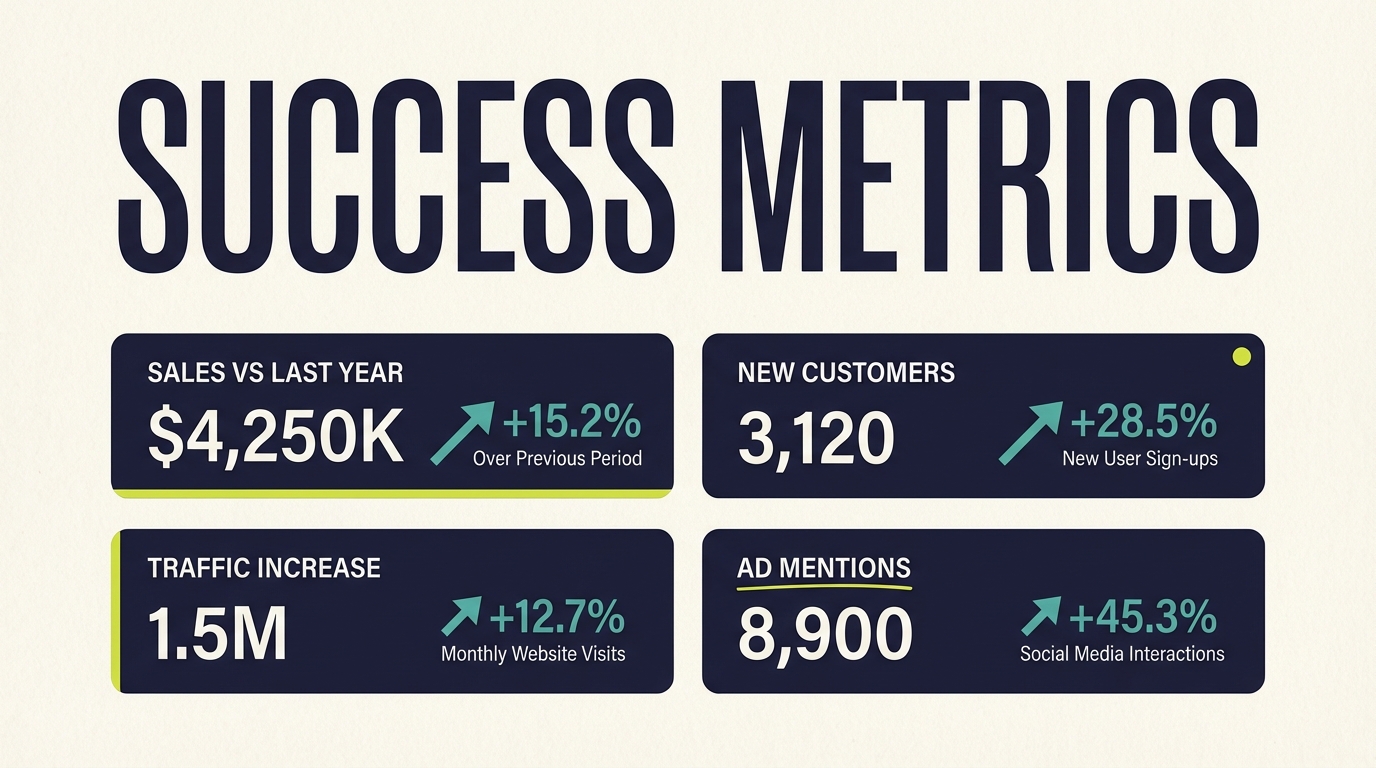
Compare to last year. The most meaningful measure is year-over-year performance during the same period. Did you grow?
Track new vs. returning customers. Holiday advertising often brings first-time buyers. How many became new customers?
Monitor traffic patterns. Do you see spikes during/after ad flights? Is there a correlation between ad exposure and store visits or website traffic?
Listen for mentions. "I saw your ad" is a powerful signal. Train staff to ask how customers heard about you.
Calculate acquisition cost. Total holiday ad spend ÷ new customers acquired = cost per acquisition. Compare to customer lifetime value.
Don't expect perfection. Holiday attribution is messy. Multiple touchpoints, long consideration periods, and shared purchases make precise measurement difficult. Directional indicators matter more than exact ROI calculations.
Launch Your Holiday Campaign
The holiday advertising window is finite. If you're reading this in October, you have time to build a strong foundation. If it's November, you can still compete during the peak season. Even in December, last-minute local campaigns can drive results.
The big brands have bigger budgets, but you have advantages they can't buy: authenticity, local presence, and genuine connection with your community.
Start your holiday TV campaign and give your business the visibility it deserves during the most important selling season of the year. With campaigns starting at $50, there's no reason not to test what TV can do for your holiday sales.
The holidays are coming. Make sure your customers see you before they see your competition.
Common questions answered
When should I start my holiday TV advertising campaign?
For most retail and consumer businesses, begin advertising in early November to build awareness before the holiday shopping frenzy. Black Friday and Cyber Monday specific promotions should start one to two weeks before the events. For restaurants and entertainment venues promoting holiday gatherings, start even earlier in October to capture party planners. The key is reaching customers while they're still making decisions, not after they've already committed to competitors.
How do I compete with big brands during the holiday season?
Focus on what makes you unique as a local or small business: personalized service, community ties, unique products, or specific expertise that big box stores can't match. Use your TV ads to highlight the experience of shopping local rather than trying to compete on price alone. Target your local market precisely where you have advantages, rather than trying to reach everyone. Many consumers actively seek out small businesses during holidays for more meaningful gift-giving.
Should I increase my TV advertising budget for the holidays?
If TV advertising has worked for your business during the year, increasing budget for holidays typically makes sense given higher consumer spending intent. However, don't dramatically increase spend without a history of what works. If you're new to TV advertising, the competitive holiday period isn't ideal for testing. Consider starting in September or October to establish baseline performance before the high-stakes holiday push.
What makes a good holiday TV ad for a small business?
Lead with emotional connection rather than just promotions. Show how your business makes holidays special, whether through unique gifts, stress-reducing services, or memorable experiences. Include holiday visuals and music to tap into seasonal mood without being cheesy. Have a clear offer or reason to visit now rather than later. Keep production quality high since viewers are bombarded with polished holiday ads from major brands.
How do I track results during the busy holiday season?
Set up tracking before the season starts so you have clean data. Use unique promotional codes mentioned only in TV ads, dedicated phone numbers or landing pages, and train staff to ask how customers heard about you. Compare year-over-year traffic and sales during campaign periods. Also track branded search volume and direct website traffic, which typically increase when TV advertising is working. Document everything so you can make better decisions next holiday season.


