You built an app. It works. It solves a real problem. Now comes the hard part: getting people to download and use it.
With millions of apps in the App Store and Google Play, discovery is the biggest challenge most developers face. App store optimization helps, but it's rarely enough on its own. The apps that break through use a combination of strategies to reach potential users wherever they spend time.
This guide covers proven user acquisition strategies, from the basics everyone should do to emerging channels that can give you an edge over competitors still relying on the same tired playbook.
Start with App Store Optimization
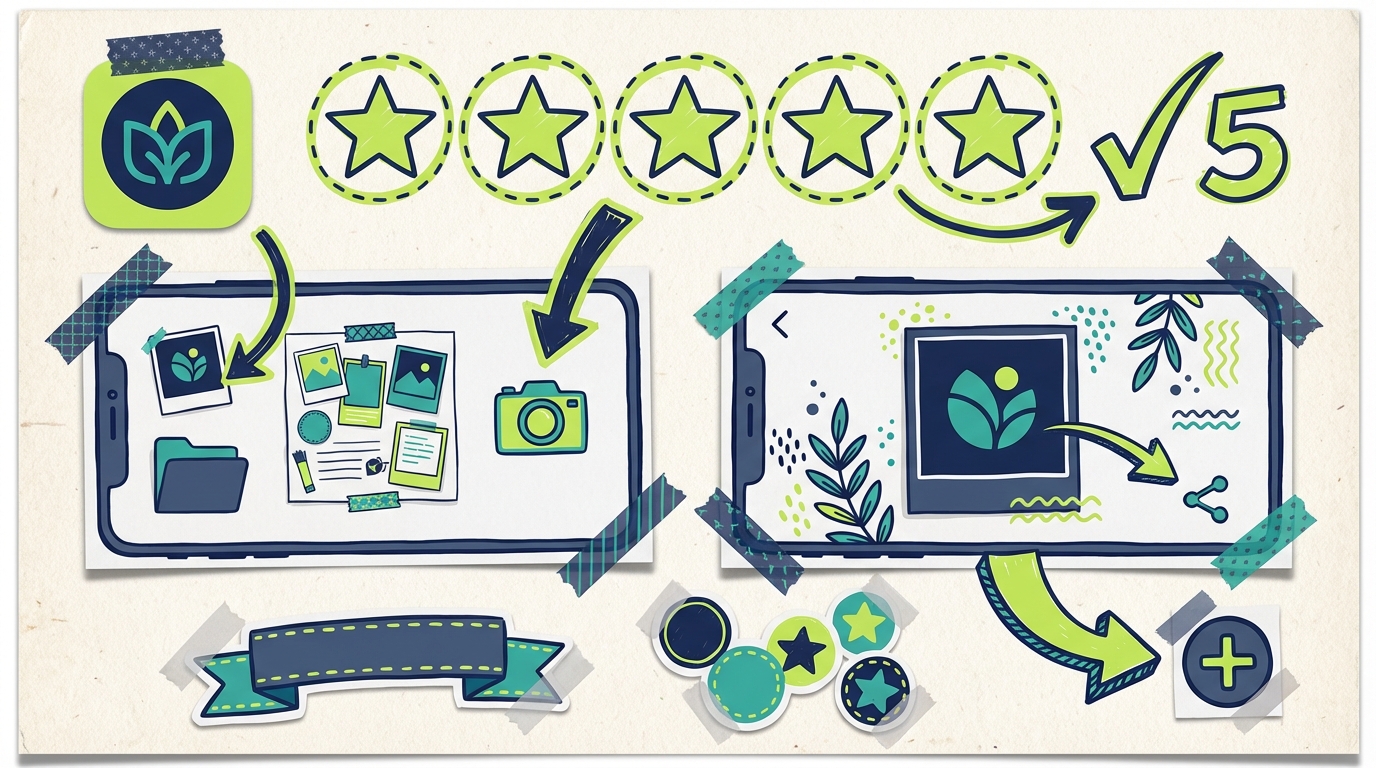
Before spending money on ads, make sure your app store presence converts the traffic you'll be driving. App store optimization (ASO) is the foundation everything else builds on.
Your app title and subtitle are prime keyword real estate. Include your most important search terms naturally while keeping the name memorable and brandable. "Budget Tracker" tells people what it does but won't stand out. "Mint: Budget & Bill Tracker" combines brand with keywords.
Screenshots sell your app more than any other element. Show the actual app experience, not marketing fluff. Lead with your strongest feature. Use all available screenshot slots. Consider adding short text overlays that highlight key benefits, but keep them readable on small screens.
Your app description should front-load the most compelling information. Most people won't scroll, so put your best pitch in the first few lines. Include relevant keywords naturally throughout, but write for humans first.
Ratings and reviews dramatically impact conversion rates. Apps with higher ratings get more downloads at every stage of the funnel. Prompt happy users to review at natural moments of delight, not immediately after download. Respond to negative reviews professionally and fix the issues they raise.
Localization opens new markets with relatively little effort. Even translating your store listing (without changing the app itself) can boost downloads in non-English markets.
Paid Mobile Advertising
When you're ready to invest in growth, mobile advertising offers the most direct path to downloads.
Apple Search Ads capture users actively searching for apps like yours. When someone searches "expense tracker" or "workout planner," your ad appears at the top of results. This is high-intent traffic. These people want an app right now. Start with Search Match to discover which queries drive downloads, then build targeted campaigns around your best-performing terms.
Google App Campaigns simplify mobile advertising by automatically creating ads from your store listing and running them across Search, Display, YouTube, and Google Play. You set your target cost per install and let Google's machine learning optimize delivery. The tradeoff is less control, but for many developers it's the easiest way to scale.
Social media app install ads on Meta, TikTok, and Snapchat reach users based on interests and behaviors rather than search intent. These platforms excel at introducing your app to people who didn't know they needed it. Creative matters enormously here. Video ads showing your app in action consistently outperform static images.
Mobile ad networks like Unity Ads, ironSource, and AppLovin reach users inside other apps. If your target audience uses gaming or utility apps, network ads can deliver efficient installs. Test multiple networks since performance varies significantly by app category.
Content and Influencer Marketing
Paid ads drive installs, but content builds lasting awareness and organic discovery.
Create content around problems your app solves. If you built a meal planning app, publish recipes, grocery shopping tips, and meal prep guides. This content ranks in search results, establishes authority, and introduces your app to people researching related topics.
YouTube reviews and tutorials from creators in your niche can drive significant downloads. A fitness app featured in a popular workout channel's video reaches exactly the right audience with built-in credibility. Reach out to creators whose audience matches your target users. Provide free access and let them share honest opinions.
TikTok and Instagram Reels favor authentic, entertaining content over polished ads. Show your app solving real problems in creative ways. Behind-the-scenes development content humanizes your brand. User-generated content showing people using your app provides social proof.
Micro-influencer partnerships often deliver better ROI than celebrity endorsements. A creator with 20,000 engaged followers in your niche typically generates more installs per dollar than one with millions of general followers. Look for creators whose content naturally aligns with your app's purpose.
Beyond Mobile: Cross-Platform Advertising
The most successful apps don't limit themselves to mobile-only marketing. Cross-platform campaigns reach potential users throughout their day.
Web-to-app campaigns use your website, landing pages, and web ads to drive app installs. Someone researching a topic on their laptop might download your app hours later on their phone. Smart links and deferred deep linking ensure the experience stays connected across devices.
Podcast advertising reaches engaged listeners during commutes, workouts, and other moments when they might be ready to try a new app. Host-read ads feel like personal recommendations. Choose podcasts whose audience demographics match your target users.
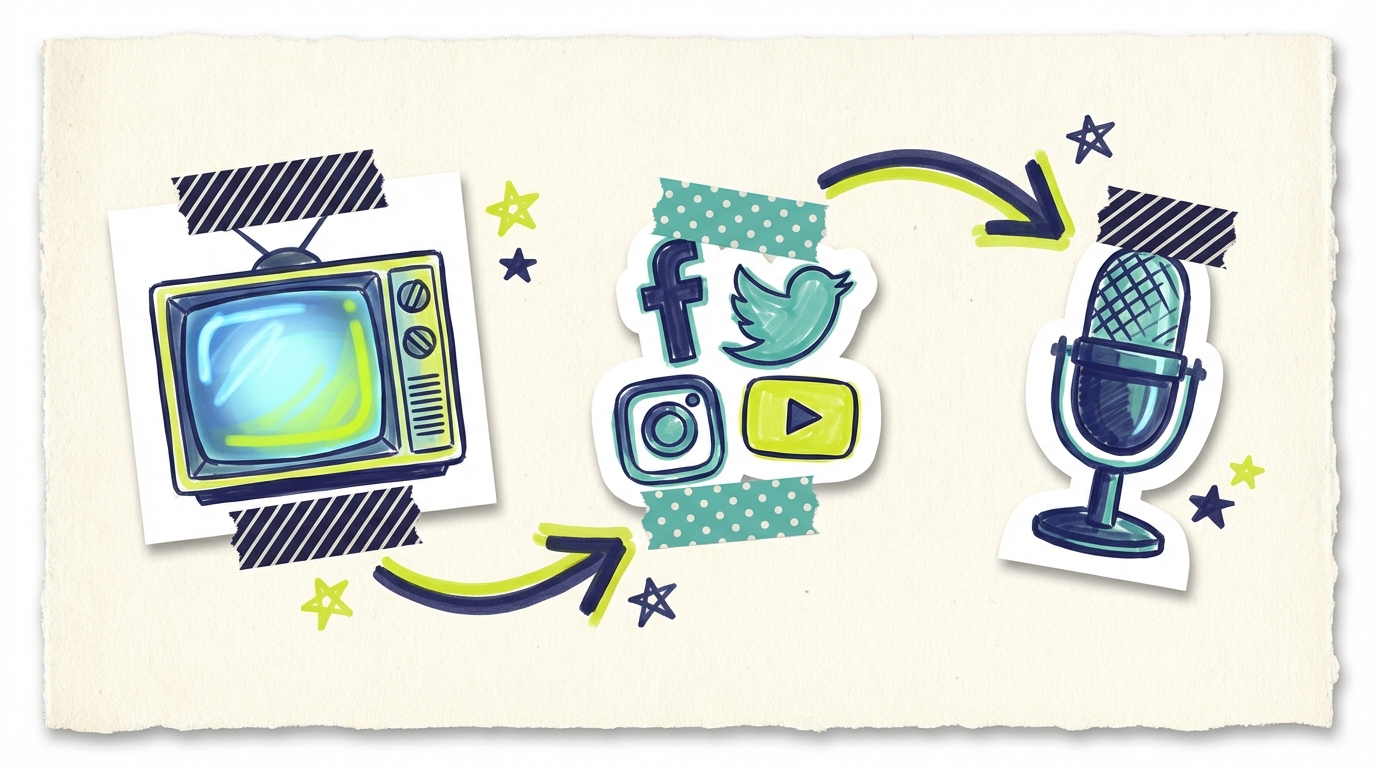
Streaming TV campaigns represent the newest frontier for app marketing. Connected TV advertising lets you reach millions of viewers watching on Hulu, Peacock, and other streaming services. For apps trying to build mass awareness, TV delivers reach that's hard to match on mobile alone.
The TV-to-mobile path works better than many developers expect. Someone sees your app on TV while watching their favorite show, then downloads it on their phone during a commercial break or after the episode ends. QR codes in TV ads can bridge the gap directly. TV advertising for mobile apps is becoming a legitimate user acquisition channel, especially for apps targeting broad consumer audiences.
With Adwave, you can create a TV commercial for your app in minutes and run it on 100+ premium channels starting at just $50. It's no longer a channel reserved for apps with massive budgets.
Community and Organic Growth
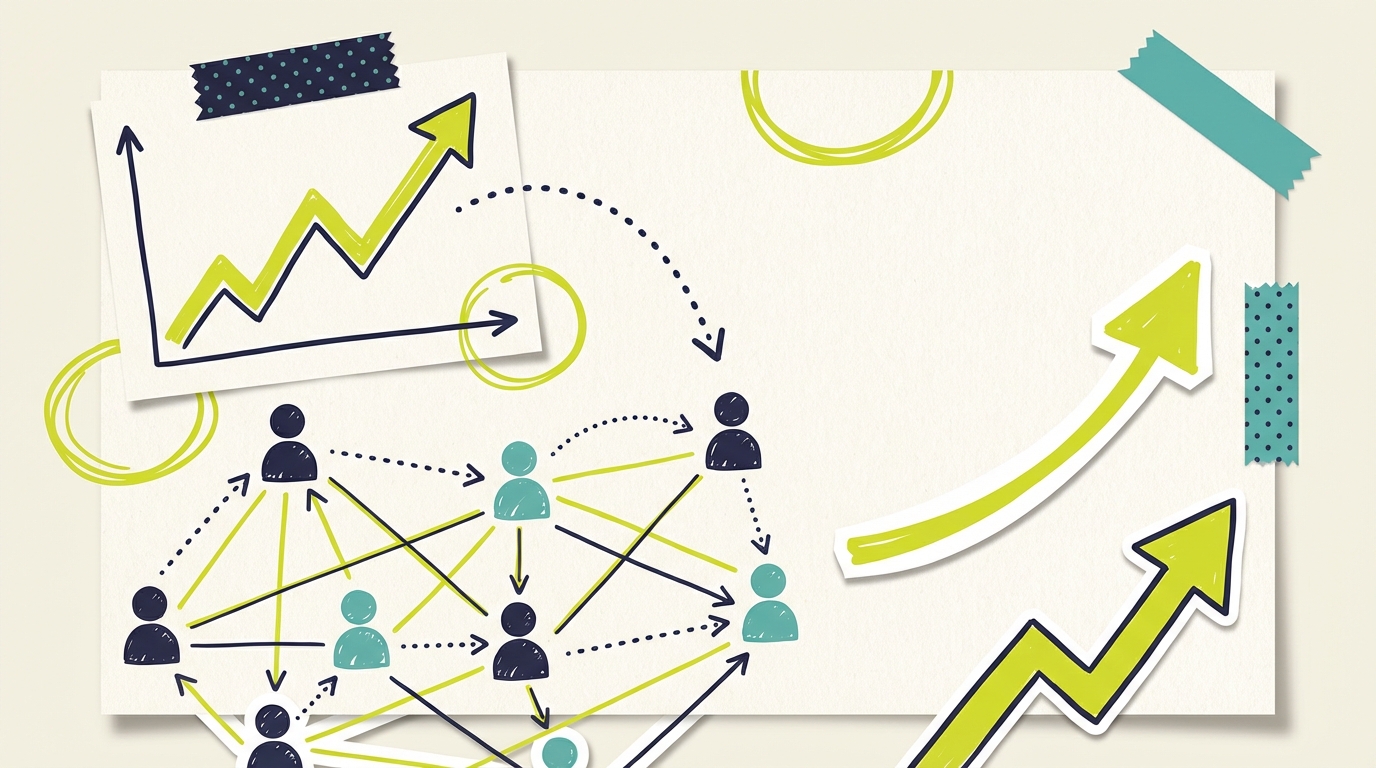
Sustainable user acquisition includes channels that compound over time without ongoing ad spend.
Building a community around your app creates advocates who spread the word organically. Discord servers, subreddits, Facebook groups, or in-app communities give users a place to connect around shared interests. Active communities improve retention while generating word-of-mouth growth.
Referral programs incentivize existing users to invite friends. The best referral programs reward both the referrer and the new user. Dropbox famously grew through referrals by offering free storage space. Think about what incentive makes sense for your app's value proposition.
PR and press coverage in tech publications, industry blogs, and mainstream media can spike downloads dramatically. Craft a compelling story angle. "We launched an app" isn't news. "This app helped 10,000 people save $500 each" might be. Build relationships with journalists who cover your category before you need coverage.
Product Hunt, App Store features, and launch platforms provide concentrated exposure to early adopters. A successful Product Hunt launch can generate thousands of downloads in a single day. Prepare thoroughly: have your community ready to upvote and comment, respond to every question, and make sure your app is polished for the spotlight.
Measuring User Acquisition
Without measurement, you're flying blind. Track these metrics to understand what's working.
Cost per install (CPI) tells you what you're paying to acquire each user. This varies dramatically by channel, category, and geography. Gaming apps might see $1-3 CPIs on some networks while B2B productivity apps might pay $5-15 or more.
Cost per action (CPA) matters more than CPI for most apps. What does it cost to acquire a user who completes onboarding, makes a purchase, or becomes a regular user? An app might have a $2 CPI but a $20 CPA for paying users. Focus on the action that matters for your business.
Lifetime value (LTV) determines how much you can afford to spend on acquisition. If a user generates $50 in revenue over their lifetime, you can afford to spend significantly more than if they generate $5. Calculate your unit economics before scaling any channel.
Attribution gets complicated when users see your app across multiple touchpoints before downloading. Mobile measurement partners like AppsFlyer, Adjust, and Branch help connect installs to the campaigns that drove them. Cross-device attribution is especially challenging but important as you expand beyond mobile-only channels.
Channel performance comparison reveals where to invest. Some channels deliver cheap installs that never engage. Others cost more but bring valuable long-term users. Look beyond CPI to understand quality differences. The cheapest channel isn't always the best channel.
Know when to scale versus optimize. If a channel is working, invest more before diminishing returns set in. If it's underperforming, either optimize creative, targeting, and bidding, or reallocate budget to better-performing channels.
Putting It Together: A User Acquisition Strategy
The most effective user acquisition strategies layer multiple channels together.
Start with ASO to maximize conversion of any traffic you drive. Add paid mobile advertising to generate initial traction and learn what messaging resonates. Build content and influencer presence for organic discovery and credibility. Expand to cross-platform channels as you scale. Cultivate community and referrals for sustainable long-term growth.
Test continuously. What works for one app may not work for another. Audiences, categories, and platforms evolve constantly. The developers who win are those who experiment relentlessly and double down on what works.
Common Questions Answered
How much should I budget for user acquisition? Start with whatever you can afford to lose while learning. Even $500-1,000 across a few channels will teach you which messages resonate and which audiences convert. Scale up once you understand your unit economics. If an install costs $3 and generates $15 in lifetime value, you can calculate exactly how much to invest.
Which user acquisition channel works best? It depends entirely on your app, audience, and goals. Apple Search Ads work well for apps solving clear problems people search for. Social ads excel at introducing apps people didn't know they needed. Content marketing builds long-term organic discovery. Test multiple channels and let data guide your investment.
How long does it take to see results from user acquisition? Paid ads generate installs immediately. You'll know in days whether creative and targeting are working. Content marketing and organic strategies take months to build momentum but compound over time. Most successful apps combine quick-win paid channels with longer-term organic investments.
Should I focus on iOS or Android first? iOS users typically generate more revenue per user, making acquisition economics easier. Android has more global users but lower average revenue. Start where your target audience is concentrated, then expand. Many apps launch iOS-first, then add Android once they've validated product-market fit.
When should I start spending on user acquisition? After you're confident the app works well and retains users who try it. Acquiring users for an app with poor retention is expensive and demoralizing. Fix your product first. Once retention metrics look healthy, start investing in growth.
Ready to reach potential users on the big screen? Create a TV ad for your app and run it on streaming platforms, starting at just $50.