You've booked the venue, lined up the talent, and handled the logistics. Now comes the part that keeps event organizers up at night: getting people to show up.
Whether you're promoting a local festival, community theater production, concert series, or charity fundraiser, empty seats mean lost revenue and a deflated atmosphere. You don't need a massive marketing budget to fill your venue. You need the right strategy.
This guide covers proven tactics for promoting local events, from free methods to affordable paid advertising that delivers real results.
Why Local Event Marketing Is Different
Marketing a one-time or seasonal event isn't like marketing an ongoing business. You're working against a fixed deadline with no second chances. Once the date passes, unsold tickets become worthless inventory.
The timeline pressure is real. You can't build awareness slowly over months. Event marketing requires compressed campaigns that generate urgency and drive action in weeks.
Local reach matters more than broad reach. A festival in Austin doesn't need impressions in Seattle. Every dollar spent reaching people outside your geographic area is wasted.
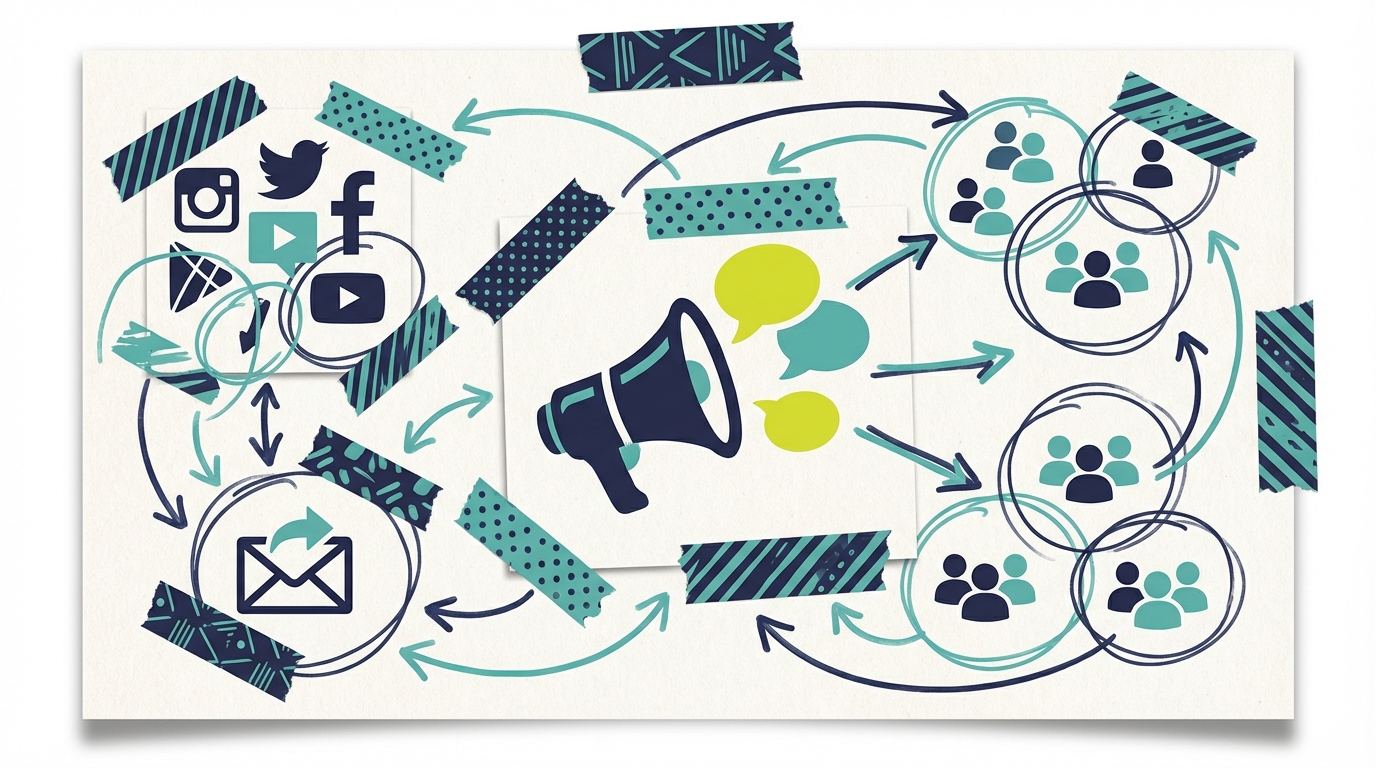
Word of mouth amplifies everything. Events are inherently social. One person who buys tickets often brings friends, family, or colleagues. Marketing that sparks conversations multiplies your investment.
Trust drives ticket purchases. People are cautious about spending money on experiences they can't preview. Marketing that builds credibility and excitement converts better than pure promotional messaging.
Free and Low-Cost Event Marketing Tactics
Before spending money on advertising, maximize these free and low-cost channels.
Use Your Existing Networks
Email your list first. If you've run events before, your past attendees are your warmest prospects. They already know what to expect and enjoyed it enough to share their email. Send early announcements with exclusive presale access or discounts.
Activate your performers, vendors, and partners. Everyone involved in your event has their own audience. Create shareable graphics, sample social posts, and tracking links so partners can promote easily. Their endorsement carries more weight than your own marketing.
Tap into community calendars. Local newspapers, radio stations, tourism boards, and community websites maintain event listings. Most are free to submit. These reach people actively looking for things to do in your area.
Social Media That Works for Events
Social media can drive event attendance, but only if you use it strategically.
Create an event page on Facebook. Despite the platform's declining organic reach, Facebook Events still work for local happenings. People can RSVP, invite friends, and get reminders. The social proof of seeing friends interested builds momentum.
Post content, not just promotions. Behind-the-scenes preparation, performer spotlights, venue tours, and throwback photos from past events generate more engagement than "Buy tickets now!" posts. Engagement increases visibility, which drives ticket sales.
Use location tags and local hashtags. Help people searching for local activities find your content. Research what hashtags your target audience follows in your area.
Encourage user-generated content. Ask past attendees to share memories. Run contests for free tickets in exchange for shares. People trust recommendations from friends more than branded content.
Partnerships and Cross-Promotions
Partner with complementary local businesses. A concert venue might partner with nearby restaurants for dinner-and-show packages. A festival might cross-promote with local hotels. These partnerships extend your reach to established customer bases.
Reach out to local influencers and bloggers. Many communities have local food bloggers, event reviewers, or lifestyle influencers with engaged followings. Offer complimentary tickets in exchange for coverage. Their authentic recommendations carry significant weight.
Connect with relevant organizations. A jazz festival should connect with local music schools. A food and wine event should partner with culinary associations. A charity run should engage corporate wellness programs. These organizations can promote to their members.
Traditional Publicity
Send press releases to local media. Local newspapers, magazines, and TV stations need content. A well-crafted press release with a compelling angle can earn free coverage worth thousands in advertising value.
Pitch feature stories, not just event listings. Instead of "Festival Happening This Weekend," try "How This Festival Brings 50 Local Artists Together." Stories about the people and purpose behind your event generate more interest than basic announcements.
Invite media to attend. Coverage of your event creates content for promoting future events. Build relationships with local journalists who cover entertainment, community events, or your specific niche.
Paid Advertising for Local Events
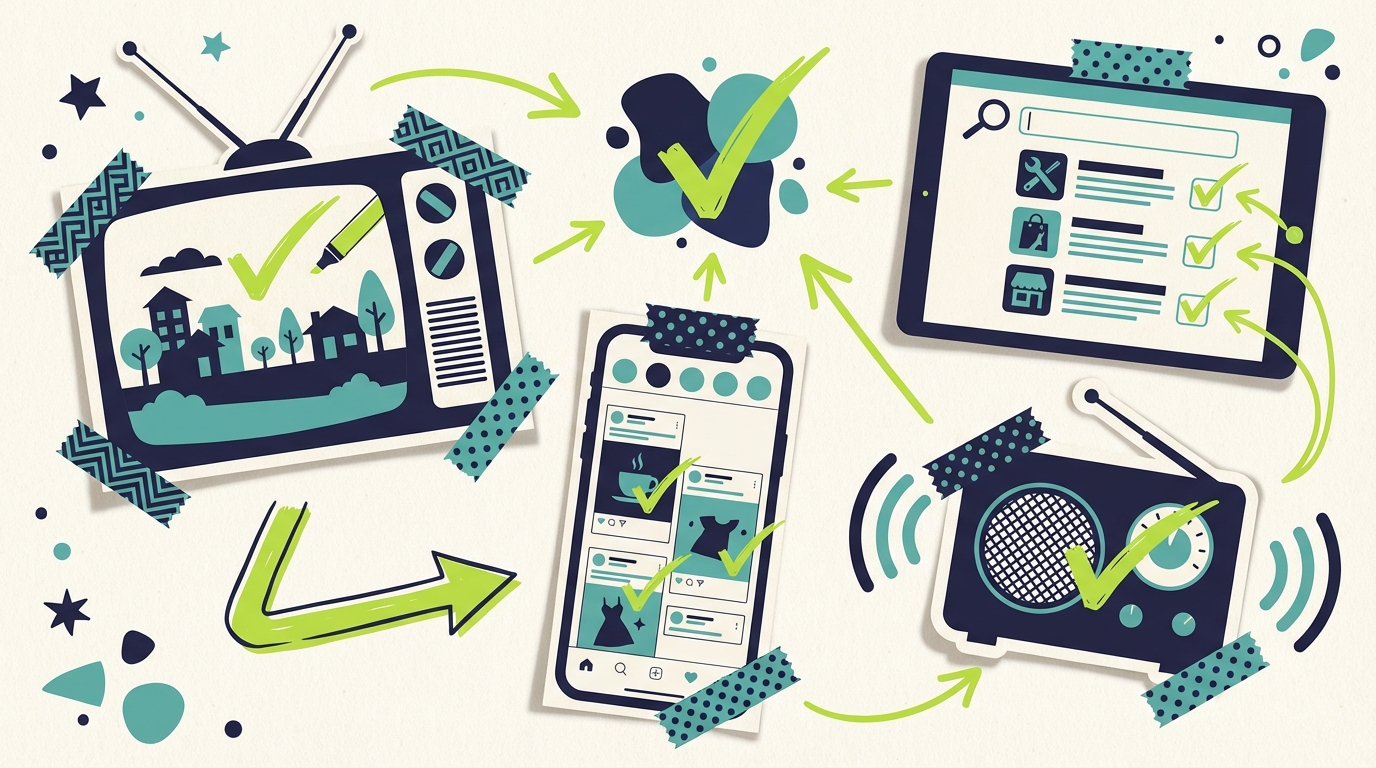
When free tactics aren't enough, paid advertising can accelerate ticket sales. The key is choosing channels that deliver local reach efficiently.
Social Media Advertising
Facebook and Instagram ads offer precise geographic and interest targeting. You can reach people in a specific radius who have shown interest in similar events, music genres, or activities.
Pros:
Detailed targeting options
Visual formats showcase event appeal
Retargeting reaches people who visited your website
Budget flexibility starting around $5/day
Cons:
Organic reach continues declining
Ad costs rising in competitive markets
Algorithm changes affect performance unpredictably
Younger audiences increasingly elsewhere
Best for: Events with strong visual appeal targeting audiences 25+. Effective for retargeting website visitors who didn't purchase.
Search Advertising
Google Ads capture people actively searching for events or activities in your area. Someone searching "concerts this weekend near me" has high intent.
Pros:
Reaches people actively looking for events
Pay only when someone clicks
Immediate visibility for event-related searches
Cons:
Limited to people already searching (doesn't create awareness)
Competitive event keywords can be expensive
Requires ongoing management and optimization
Best for: Events with strong search demand, especially recurring events or well-known performers. Less effective for new or niche events people aren't searching for.
Streaming TV Advertising
TV advertising through streaming platforms has become accessible for local event marketers. You can now run commercials on services like Hulu, Peacock, and Tubi targeting only viewers in your area.
Pros:
Premium placement alongside major network content
Geographic targeting to your specific market
High completion rates (viewers watch full ads)
TV-level credibility and emotional impact
No massive minimums with self-serve platforms
Cons:
Awareness channel, not direct response
Requires video creative
Best with consistent presence over time
Best for: Festivals, fairs, concerts, and major community events that benefit from broad local awareness. Especially effective when you need to reach beyond your existing audience.
The economics often work well for events. A streaming TV campaign starting at $50 can generate thousands of impressions in your local market. If even a handful of those impressions convert to ticket sales, the return exceeds the investment.
Radio Advertising
Local radio still reaches commuters and older demographics. Many stations offer event sponsorship packages that include on-air mentions, website listings, and social media promotion.
Pros:
Strong local reach in many markets
Packages often include promotional support beyond ads
Can negotiate value-adds like ticket giveaways
Cons:
Audience skewing older
No visual component to showcase your event
Difficult to track direct response
Best for: Events targeting audiences 40+ or when you can negotiate detailed sponsorship packages.
Print and Out-of-Home
Local newspapers, magazines, and outdoor advertising (billboards, transit ads, posters) can still work for event marketing, especially in smaller markets.
Pros:
Physical presence in the community
Some audiences prefer print
Outdoor ads provide persistent visibility
Cons:
Declining print readership
Limited targeting beyond geography
Difficult to measure effectiveness
Best for: Community events in smaller markets where local print media remains strong. Outdoor advertising works for events needing broad awareness in specific areas.
Building Your Event Marketing Timeline
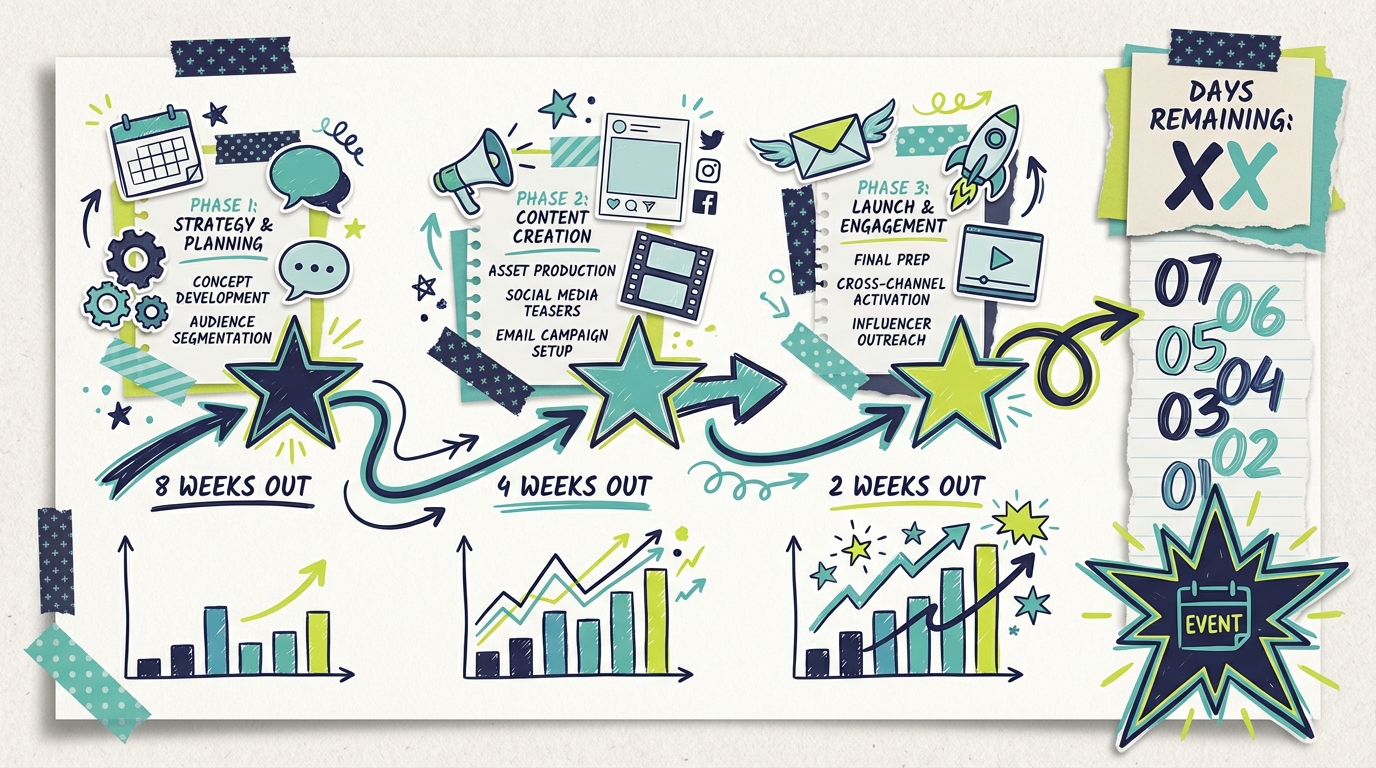
Effective event marketing follows a timeline that builds momentum toward your date.
8-12 Weeks Out: Foundation
Finalize event details (date, venue, performers, pricing)
Create event branding and key visuals
Build or update your event website with ticket purchasing
Set up tracking to measure marketing effectiveness
Submit to community calendars and event listing sites
Announce to your email list with early-bird pricing
6-8 Weeks Out: Awareness Building
Launch social media promotion with regular content
Begin outreach to partners, sponsors, and media
Start paid advertising campaigns (social, streaming TV)
Activate partner and performer promotion
Send press releases to local media
4-6 Weeks Out: Momentum
Increase advertising frequency and budget
Share social proof (ticket sales milestones, attendee excitement)
Publish partner and media coverage
Email subscribers with updates and urgency messaging
Consider influencer partnerships if not yet activated
2-4 Weeks Out: Urgency
Shift messaging to scarcity and deadline ("Only X tickets left")
Retarget website visitors who haven't purchased
Boost best-performing ads
Final push on all channels
Personal outreach to key community members
Final Week: Last Call
"Last chance" messaging across all channels
Email blast to full list
Day-of and day-before reminders to ticket holders
Prepare for walk-up sales promotion if applicable
Measuring Event Marketing Effectiveness
Track these metrics to understand what's working and improve future events.
Ticket sales by source. Use unique tracking links, promo codes, or "how did you hear about us?" questions to attribute sales to specific marketing channels.
Cost per ticket sold. Divide total marketing spend by tickets sold directly attributed to marketing. Compare across channels to identify most efficient tactics.
Website traffic and conversion rate. Monitor how many people visit your event page and what percentage purchase tickets. Low conversion rates suggest website or pricing issues.
Email engagement. Open rates and click rates indicate how engaged your list is. Segment by engagement level to focus on active subscribers.
Social media engagement. Track not just follower counts but actual engagement (comments, shares, event RSVPs). Engagement indicates content resonating with your audience.
Partner and earned media value. Estimate the reach and value of partner promotions and media coverage. This helps justify partnership investments.
Budget Allocation: Where to Put Your Marketing Dollars
How you distribute your budget matters as much as how much you spend. Here's a framework for allocating event marketing investment.
For events with established audiences (returning festivals, annual galas, recurring concert series):
40% on retention (email, past attendee outreach)
30% on paid advertising to expand reach
20% on partnerships and cross-promotions
10% on PR and earned media
For new events building awareness from scratch:
50% on paid advertising (streaming TV, social, search)
25% on partnerships with established local organizations
15% on PR and influencer outreach
10% on organic social and content
For community or nonprofit events with limited budgets:
Focus primarily on free channels (email, social, partnerships, PR)
Reserve any paid budget for the final 2-3 weeks to drive urgency
Prioritize tactics that generate word of mouth
The key principle: invest more in channels that reach new audiences when you need growth, and more in retention channels when you have an established base to activate.
Common Event Marketing Mistakes to Avoid
Starting too late. Event marketing needs time to build momentum. Starting heavy promotion two weeks before your event rarely works. Begin 8-12 weeks out for significant events.
Focusing only on ticket sales messaging. Constant "buy now" posts fatigue your audience. Mix promotional content with engaging stories, behind-the-scenes content, and value-driven posts.
Ignoring past attendees. Your previous attendees are your best prospects. Prioritize reaching them before spending heavily on new audience acquisition.
Spreading budget too thin. Better to dominate one or two channels than sprinkle budget across many. Focus on channels where your target audience spends time.
Neglecting mobile optimization. Most people discover and purchase event tickets on mobile devices. Ensure your website and ticket purchasing process work flawlessly on phones.
Not tracking results. Without tracking, you can't learn what works. Set up attribution from day one so you can optimize during the campaign and improve for future events.
Scaling Up: When to Invest More in Advertising
Some signals indicate it's time to increase your marketing investment:
Ticket sales are tracking but need acceleration. If you're selling steadily but won't hit your goal at current pace, increased advertising can accelerate momentum.
You've validated your messaging. When you see which ads, emails, or posts drive the most response, investing more in those proven approaches makes sense.
You're expanding to a new audience. Reaching beyond your existing network requires paid reach. Streaming TV and social ads can efficiently introduce your event to new prospects.
Word of mouth is building. When organic buzz starts, advertising amplifies it. Increased visibility combines with social proof to drive stronger response.
You have room in your budget. Event marketing is an investment, not an expense. If ticket revenue allows for increased marketing spend while maintaining margins, reinvest in growth.
Common Questions Answered
How much should I spend marketing a local event? Industry benchmarks suggest 20-30% of projected ticket revenue for marketing, but this varies widely. Newer events need more investment in awareness. Established events with loyal followings can spend less. Start with what you can afford to test, measure results, and scale what works.
When should I start promoting my event? For significant events, begin 8-12 weeks before the date. Smaller community events might need only 4-6 weeks. The key is allowing time for awareness to build and word of mouth to spread before your date.
What's the most effective advertising channel for local events? It depends on your audience and event type. Social media works well for younger audiences and visually appealing events. Streaming TV builds broad local awareness efficiently. Search ads capture high-intent searchers. Test multiple channels with small budgets before committing heavily to any single approach.
How do I promote an event with no budget? Maximize free channels: email your list, activate partners, use social media organically, submit to community calendars, and pursue local media coverage. These tactics alone can fill smaller events. For larger events, consider whether the potential return justifies some advertising investment.
Should I use ticket discounts to drive sales? Early-bird pricing creates urgency and rewards committed buyers. Last-minute discounts can fill remaining seats but may train your audience to wait for deals. Use discounts strategically rather than as a default when sales lag.
How do I know if my event marketing is working? Track ticket sales velocity (sales per day or week), website traffic and conversion rates, and cost per ticket sold by channel. If sales aren't meeting projections, adjust your tactics, messaging, or increase investment in what's working.
The Bottom Line
Filling seats for local events doesn't require a massive budget. It requires strategic thinking, early planning, and smart channel selection.
Start with your warmest audiences: past attendees, email subscribers, and partner networks. Build momentum through social media content that engages rather than just promotes. Amplify with targeted paid advertising on channels where your audience spends time.
The most successful event marketers combine multiple tactics into coordinated campaigns. Free publicity builds credibility. Social media creates buzz. Paid advertising extends reach. Email drives action. Together, they create the momentum that fills venues.
Ready to add TV advertising to your event marketing mix? Create your first commercial and reach every potential attendee in your area on streaming platforms, starting at just $50.