
Starting a business is exhilarating. Marketing that business? That's where most new owners feel lost.
You've got a great product or service, maybe some savings to invest, and absolutely no idea how to get the word out without wasting money on tactics that don't work. The good news: you don't need a marketing degree or a huge budget to build awareness in your first year. You need a practical strategy and the discipline to execute it.
This guide walks you through exactly how to market your new business, month by month, from launch through your first anniversary.
The First Year Marketing Mindset
Before tactics, let's align on strategy:
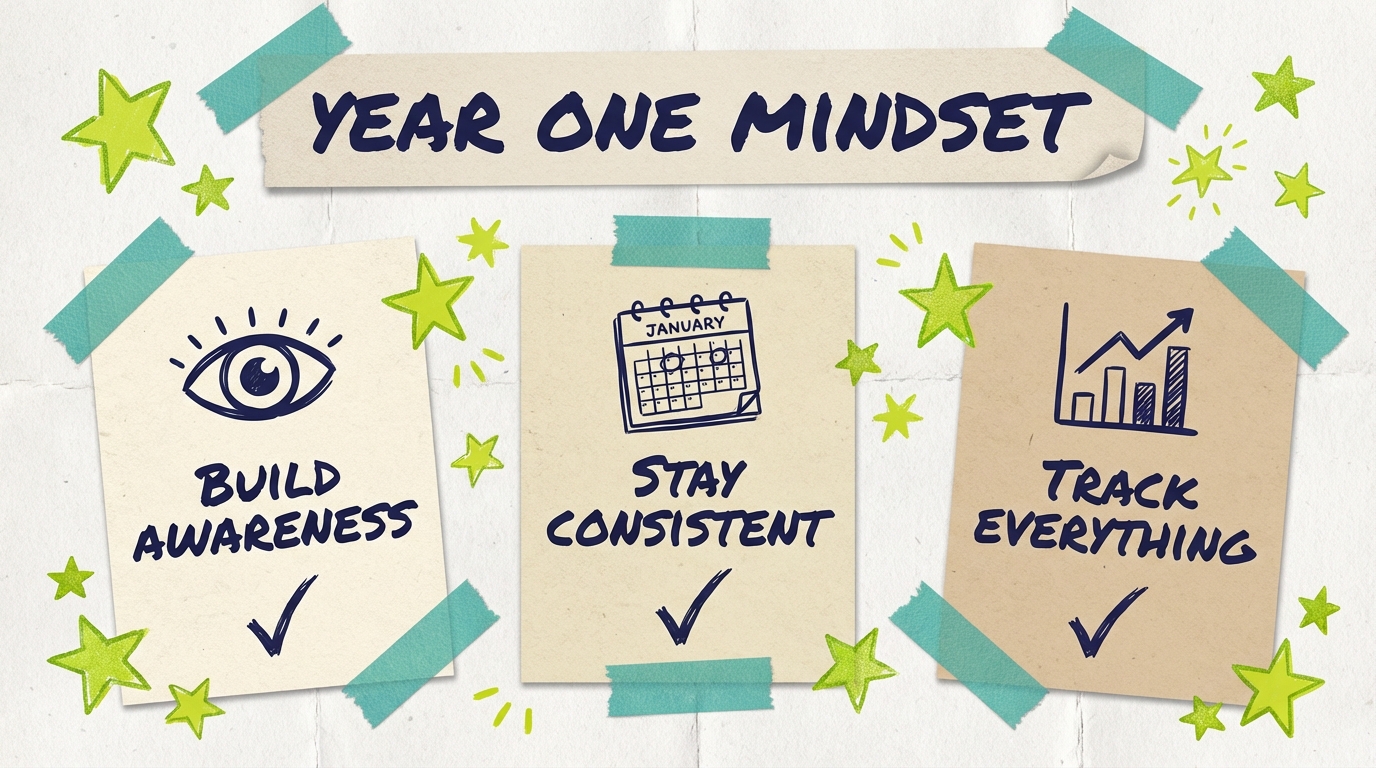
You're building awareness, not optimizing conversions. In year one, most potential customers have never heard of you. Your job is to change that. Conversion optimization matters, but it's a year-two problem.
Consistency beats intensity. A small marketing effort every week outperforms a massive push followed by three months of silence. Your goal is staying visible, not going viral.
Track everything from day one. Set up analytics, ask every customer how they found you, and document what works. This data becomes invaluable for year-two planning.
Months 1-3: Foundation Building
Your first quarter is about getting the basics right.
Claim your digital territory:
Set up and verify Google Business Profile
Claim social media handles (even if you won't use them all)
Build a simple, professional website
Set up Google Analytics and Google Search Console
Establish your messaging:
Define your unique value proposition
Create consistent descriptions for all platforms
Develop your brand voice and visual identity
Write your "about" story
Start collecting reviews:
Ask your first customers for Google reviews
Make leaving reviews easy (send direct links)
Respond to every review promptly
Begin local networking:
Join your local chamber of commerce
Attend networking events in your industry
Connect with complementary businesses
Budget allocation (Months 1-3): Focus spending on foundational elements (website, basic tools) rather than advertising. You need somewhere credible to send people before you start driving traffic.
Months 4-6: Testing Advertising Channels
With your foundation in place, start testing paid channels.
Google Ads (Search):
Start with your most obvious keywords
Set a modest daily budget ($10-20)
Focus on high-intent searches
Track which keywords drive actual inquiries
Meta Ads (Facebook/Instagram):
Test awareness campaigns to local audiences
Experiment with different ad creative
Build retargeting audiences from website visitors
TV Advertising:
Launch your first CTV campaign with $50-100
Target your immediate geographic area
Use this to build credibility and local awareness
Track brand searches before and after
Local sponsorships:
Sponsor a local sports team or event
Contribute to community causes
Get your name visible in your area
Budget allocation (Months 4-6): Split your advertising budget across 2-3 channels. You're testing to learn what works for your specific business, not committing to a single channel yet.

Months 7-9: Doubling Down on Winners
By now you have data on what's working. Time to focus.
Analyze your first-half results:
Which channels drove the most inquiries?
What was your cost per customer by channel?
Where did your best customers come from?
What creative/messaging resonated?
Cut what isn't working:
Stop spending on channels with poor results
Eliminate tactics that took time but produced nothing
Focus your energy on fewer, more effective activities
Scale what is working:
Increase budget on high-performing channels
Double down on successful ad creative
Expand geographic targeting if results justify it
Add content marketing:
Start a blog with helpful content
Create guides relevant to your customers
Build email list from website visitors
Budget allocation (Months 7-9): Shift 70% of budget to your top-performing channels. Keep 30% for continued testing and new experiments.
Months 10-12: Building Sustainable Systems
Your final quarter of year one is about creating repeatable systems.
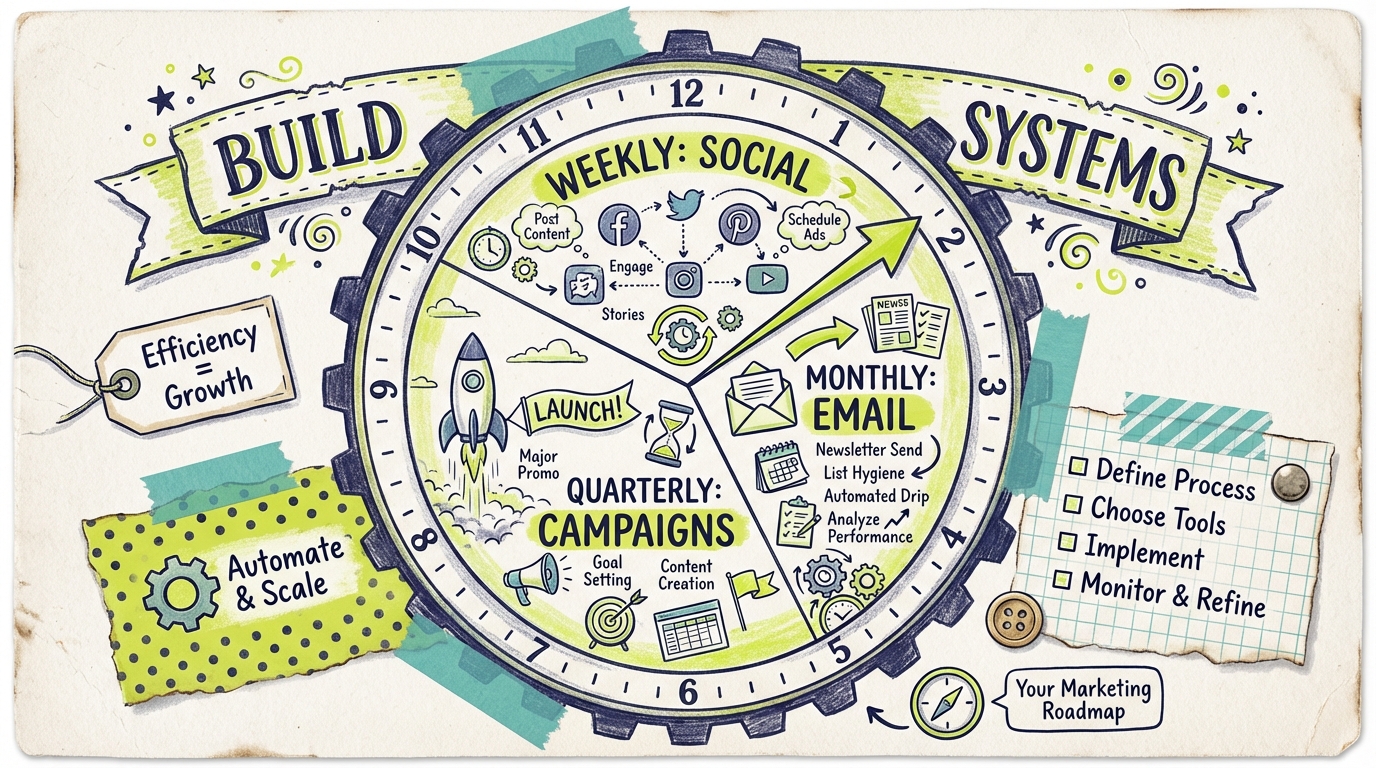
Establish marketing rhythms:
Weekly social media posting schedule
Monthly email newsletter
Quarterly campaign refreshes
Ongoing review generation
Build referral systems:
Create a formal referral program
Ask happy customers to spread the word
Partner with complementary businesses
Prepare for year two:
Document what worked and what didn't
Set realistic growth targets
Plan your annual marketing calendar
Consider seasonal advertising strategies
Lock in year-one wins:
Maintain presence on successful channels
Continue nurturing customer relationships
Keep your Google Business Profile updated
First-Year Marketing Budget Framework
For a new business with limited resources, here's how to allocate:
Minimum viable marketing ($300-500/month):
$100-200 on Google Ads
$100-200 on Meta Ads or CTV advertising
$50-100 on tools and subscriptions
Time investment on organic social and networking
Growth-focused marketing ($1,000-2,000/month):
$300-500 on Google Ads
$200-400 on Meta Ads
$200-400 on TV advertising
$100-200 on email tools and marketing software
$100-300 on content creation
Aggressive growth ($3,000-5,000/month):
$800-1,500 on search advertising
$600-1,000 on social advertising
$500-1,000 on TV advertising
$300-500 on content and creative
$200-400 on tools and testing
The right budget depends on your business model, margins, and growth targets. Start smaller than you think and scale based on results.
Common First-Year Mistakes to Avoid
Learn from others' expensive lessons:
Trying to do everything at once. Pick 2-3 channels and execute well rather than spreading yourself across 10 channels poorly.
Expecting instant results. Marketing compounds over time. Give each channel at least 60-90 days before judging performance.
Neglecting your Google Business Profile. For local businesses, this is often your highest-ROI marketing investment. Keep it updated.
Stopping marketing when you get busy. The businesses that struggle are the ones who pause marketing when things are good and scramble when things slow down.
Not tracking how customers find you. Without this data, you're flying blind. Ask every customer, every time.
What Success Looks Like After Year One
Realistic expectations for a successful first year:
Brand awareness: People in your service area recognize your name
Steady lead flow: Consistent inquiries from multiple channels
Customer reviews: 20-50+ positive reviews on Google
Email list: 500-1,000+ subscribers
Profitable channels: 1-2 marketing channels with proven ROI
Documented systems: Repeatable processes for marketing execution
You won't have everything figured out. But you'll have a foundation to build on and data to guide year-two decisions.
Ready to Start Your First-Year Marketing Journey?
The best time to start marketing your new business was day one. The second best time is today.
Begin with the fundamentals: claim your Google Business Profile, set up a simple website, and start asking for reviews. Then test paid channels systematically, double down on what works, and build sustainable systems.
For TV advertising, Adwave makes it easy to add credibility and local awareness to your marketing mix. Create a professional commercial from your website in minutes and start running on NBC, Hulu, ESPN, and 100+ premium channels for as little as $50.
Create your first TV ad and add television to your year-one marketing strategy.
Common questions answered
What should a new business prioritize for marketing in the first year?
Focus on fundamentals before fancy tactics. Ensure your Google Business Profile is complete and optimized, your website clearly explains what you offer, and you have a system for collecting and responding to reviews. Build an email list from day one, even if it starts small. These foundations compound over time and cost little to implement. Only after these basics are solid should you invest in paid advertising.
How much should a new business spend on marketing?
New businesses often need to invest more heavily in marketing than established ones, typically 12 to 20 percent of projected revenue. However, spend strategically rather than everywhere at once. Start with one or two channels, learn what works, then expand. Many new businesses waste money by spreading small budgets too thin across many channels rather than achieving meaningful presence anywhere.
When should a new business start advertising?
Start with free and low-cost marketing immediately: social media, Google Business Profile, networking, and asking for referrals. Begin paid advertising once you've validated that your product or service resonates with customers and you can handle increased demand. Advertising too early can mean paying to discover problems with your offering; advertising too late can mean struggling unnecessarily to find customers.
What marketing mistakes do new businesses commonly make?
The most common mistakes include trying to do everything at once instead of focusing, expecting immediate results from brand-building activities, neglecting existing customers while chasing new ones, not tracking what's actually working, and giving up on strategies before giving them adequate time. New business owners also often underinvest in professional branding and overinvest in tactics that don't match their customer acquisition model.
How do I market my business when no one knows who I am yet?
Leverage other people's audiences and credibility. Partner with complementary businesses for cross-promotion. Get involved in community events and organizations where your target customers gather. Ask early customers for reviews and referrals. Create helpful content that showcases your expertise. Consider local TV advertising which builds credibility quickly by putting you on the same channels as established brands. Every touchpoint is an opportunity to make an impression when you're starting from zero awareness.


