Guides
December 08, 2025
10 Powerful Small Business Advertising Tips for Growth in 2025
Table of Contents
In today's crowded marketplace, simply having a great product or service isn't enough. Effective advertising is the engine that drives visibility, builds trust, and ultimately converts prospects into loyal customers. For small businesses, however, navigating the complex world of advertising can feel overwhelming, with questions about budget, channels, and ROI looming large. The good news is that modern technology has leveled the playing field, making powerful strategies once reserved for large corporations accessible to everyone.
This guide cuts through the noise to provide a curated list of actionable small business advertising tips. We'll move beyond the basics and dive into tactics that deliver real-world results, from defining your audience with precision to tracking data that actually informs your strategy. You'll learn how to implement everything from targeted social media campaigns to compelling content that educates and converts. For a comprehensive understanding of effective online promotion, refer to this practical guide to digital advertising for small businesses.
Crucially, we'll also explore a game-changing, often overlooked, channel that builds unparalleled brand awareness and trust: Television. Forget the old notions of six-figure budgets and complex production. We'll show you how innovative platforms like Adwave are making TV advertising a realistic and highly effective tool for local growth. This list is designed to help you transform your marketing from an expense into a strategic investment that delivers measurable results, empowering you to compete and win in your market.
1. Tip #1: Unlock Unmatched Brand Trust and Reach with Accessible TV Advertising
For decades, TV advertising was a powerful tool reserved for big brands with massive budgets. This exclusivity created a perception of prestige and trustworthiness. Today, this powerful medium is no longer out of reach for small businesses. Modern platforms have democratized television advertising, making it one of the most effective and affordable small business advertising tips for achieving significant local growth.
Placing your business on premier networks like NBC, Hulu, and ESPN instantly elevates your brand’s credibility. Unlike the fleeting nature of social media ads, TV commercials capture a focused audience in a lean-back, immersive environment. This undivided attention fosters higher brand recall and builds the kind of trust that translates directly into new customers. It’s about leveraging the power of television with precision, targeting specific zip codes to ensure your message reaches the most relevant households in your community.
Why It Works for Small Businesses
This approach is highly effective for any small business looking to become a household name in their local area. For service providers like Kaimuki Dental, which saw 150% client growth in just five weeks, it builds immediate authority. For retailers like Farrow Harley-Davidson, it drives targeted traffic and boosts revenue. Even local restaurants like Mountain Burger have used this strategy to expand their customer base beyond their immediate vicinity. TV advertising positions your business as a stable, trustworthy leader in the local market.
How to Get Started
Implementing a local TV advertising strategy is simpler than you might think. Here are actionable steps to get your business on screen:
Eliminate Production Costs: Use a platform with built-in tools, like Adwave’s AI ad generator, to create a professional-quality commercial in minutes without hiring a production crew. To see this technology in action, you can learn more about how Adwave streamlines the process on their website.
Start Small and Test: You don't need a huge budget. Begin with a targeted, small-scale campaign in your primary service area to measure its impact on leads and sales before scaling up.
Time Your Ads Strategically: Schedule your commercials to air during periods of peak demand for your products or services, maximizing your return on investment.
Track Your ROI: Include a clear call to action, such as visiting your website. This drives online traffic and allows you to directly measure how many viewers are responding to your ad.
2. Leverage Social Media Marketing
While TV establishes unparalleled trust, social media marketing offers a cost-effective, direct line to engage with your target audience where they spend a significant portion of their time. These platforms are more than just digital billboards; they are dynamic communities where small businesses can build relationships, showcase their personality, and drive sales through consistent, authentic interaction. This makes mastering social media one of the most essential small business advertising tips for modern growth.
Social media allows you to connect directly with potential and existing customers, fostering a sense of loyalty and community that is difficult to replicate. From viral videos on TikTok to daily specials on Instagram Stories, these platforms provide a suite of free and low-cost tools to tell your brand’s story, gather immediate feedback, and guide followers from discovery to purchase.
Why It Works for Small Businesses
This approach is highly versatile and effective for nearly any business model. A local bakery can use Instagram to showcase its daily creations and drive foot traffic, while a B2B consulting firm can leverage LinkedIn to establish thought leadership and generate qualified leads. E-commerce brands like Glossier built empires on community-driven social content, and service businesses can use Facebook Groups to nurture a loyal customer base. Social media levels the playing field, allowing you to build brand awareness and drive sales without a massive ad budget.
How to Get Started
Building an effective social media presence is about strategy, not just sporadic posting. Here are actionable steps to get started:
Choose Your Platforms Wisely: Don't try to be everywhere at once. Focus on 1-2 platforms where your target audience is most active, whether it's Instagram for visual products, Facebook for community building, or LinkedIn for professional services.
Post Consistently and Engage: Aim for 3-5 high-quality posts per week and make a point to respond to comments and messages. This authentic engagement builds a loyal following. To learn more about building your audience, you can discover proven strategies for how to gain more real followers on Instagram.
Utilize Platform-Specific Features: Leverage features like Instagram Reels, Facebook Live, and TikTok trends to increase your reach and show your brand’s personality in a format native to the platform.
Track Key Metrics: Monitor engagement rates, follower growth, and website clicks from your social profiles. Use this data to understand what resonates with your audience and refine your strategy over time.
3. Use Email Marketing Effectively
While new channels emerge, email marketing remains one of the highest-ROI advertising channels available. It allows small businesses to build a direct line of communication with interested leads and loyal customers. This owned audience is an invaluable asset, enabling you to nurture relationships, drive repeat business, and promote new offerings without competing for attention on crowded social feeds.
Building a quality email list and sending targeted, valuable messages is a cornerstone of sustainable growth. Unlike paid ads that stop when you stop paying, your email list is a long-term resource that generates consistent returns. It’s about creating a community around your brand and delivering the right message at the right time, converting subscribers into repeat buyers and advocates.
Why It Works for Small Businesses
This strategy is highly effective because it’s both low-cost and high-impact. For e-commerce stores, automated abandoned cart emails can recover a significant percentage of lost sales. Local restaurants can drive foot traffic by sending weekly specials and event updates to their subscriber list. For service-based businesses, a well-crafted email sequence can educate potential clients, build trust, and guide them toward a consultation or purchase. Email marketing provides a direct, measurable way to engage customers and boost your bottom line.
How to Get Started
Building a successful email marketing program is straightforward with the right approach. Here are actionable steps to begin:
Offer a Valuable Incentive: Encourage sign-ups by offering a compelling reason to subscribe, such as a 15% discount, a free downloadable guide, or exclusive access to new products.
Segment Your Audience: Group your subscribers based on their purchase history, interests, or how they signed up. This allows you to send more relevant, personalized content that resonates deeply.
Automate a Welcome Series: Create a sequence of 3-5 automated emails that are sent immediately after someone subscribes. Use these to introduce your brand story, highlight popular products, and provide value upfront.
Balance Value and Promotion: A good rule of thumb is to provide twice as much valuable, non-promotional content (tips, stories, insights) as you do sales-focused messages to keep your audience engaged.
4. Optimize for Search Engines (SEO) to Capture Active Demand
Search engine optimization (SEO) is the process of improving your website’s visibility in organic search results on platforms like Google. Unlike paid ads, SEO helps you attract high-intent customers who are actively looking for your exact products or services. This makes it one of the most powerful and sustainable small business advertising tips for generating long-term, cost-effective growth.
When a potential customer searches for "emergency plumber in [your city]," a well-executed SEO strategy ensures your business appears at the top of the results. This digital real estate is invaluable, as it positions your company as a credible and relevant solution at the precise moment a customer needs you. It’s an investment that builds on itself, driving qualified traffic to your website without a per-click cost.
Why It Works for Small Businesses
This strategy is essential for any business aiming to be found online by local customers. A local bakery can optimize its Google Business Profile to rank for “best cupcakes near me,” driving foot traffic. An e-commerce store can target long-tail keywords like “handmade leather dog collars” to attract niche buyers with high purchase intent. SEO builds a strong foundation for your digital presence, establishing authority and consistently attracting qualified leads.
How to Get Started
Boosting your website's search ranking is an ongoing process, but these foundational steps will make a significant impact:
Claim and Optimize Your Google Business Profile: This is the most crucial step for local SEO. Fill out every section completely, add high-quality photos, and encourage customer reviews to improve your visibility in local map searches.
Target Long-Tail Keywords: Instead of competing for broad, high-difficulty keywords, focus on more specific phrases your customers use, like "24-hour AC repair in downtown," which have less competition and higher conversion rates.
Create Valuable Content: Develop blog posts or guides that answer your customers' most common questions. This positions you as an expert and naturally attracts organic traffic over time.
Ensure Your Website is Fast and Mobile-Friendly: Google prioritizes sites that offer a good user experience. Use free tools to check your page load speed and ensure your website is easy to navigate on a smartphone.
5. Create Quality Content That Educates
Instead of directly selling, modern advertising often involves providing value first. Content marketing achieves this by establishing your business as a trusted authority, building relationships with potential customers long before they are ready to buy. This strategy centers on creating and distributing valuable, relevant content like blogs, guides, and videos that solve your audience’s problems, making it one of the most sustainable small business advertising tips for long-term growth.
This educational approach attracts and engages your target audience by answering their most pressing questions. It’s not just about showcasing your products or services; it’s about demonstrating your expertise and building a community around your brand. By consistently providing helpful information, you nurture leads, support your search engine optimization (SEO) efforts, and create a loyal customer base that views you as the go-to resource in your industry.
Why It Works for Small Businesses
Content marketing is highly effective because it builds genuine trust. When a local fitness coach creates free workout guides or a software company publishes in-depth tutorials, they are providing tangible value without asking for anything in return. This goodwill translates directly into brand loyalty and sales. For businesses targeting a local customer base, optimizing this content is key. For those looking to dive deeper into this topic, a comprehensive guide to local SEO services for small businesses offers detailed strategies for getting found by nearby customers. This approach allows even the smallest businesses to compete by becoming a reliable source of information.
How to Get Started
Building an effective content strategy is a marathon, not a sprint. Here are actionable steps to begin creating content that educates and converts:
Identify Customer Questions: Brainstorm and list the top 10-15 questions your customers ask you. Each question can become the foundation for a blog post, video, or social media update.
Choose Your Format: You don't have to do everything. Start with one format you're comfortable with, whether it's writing blog posts, recording short videos for social media, or starting a simple podcast.
Create a Content Calendar: Plan your content releases to ensure consistency. A simple calendar helps you stay organized and maintain momentum, which is crucial for building an audience.
Promote and Repurpose: Don’t just publish your content and forget it. Share it across all your channels, and repurpose high-performing pieces. A successful blog post can be turned into a video, an infographic, or a series of social media tips.
6. Implement Pay-Per-Click (PPC) Advertising
While building long-term brand authority is crucial, sometimes you need immediate results. Pay-per-click (PPC) advertising on platforms like Google Ads and Facebook Ads offers instant visibility, placing your business directly in front of customers actively searching for your products or services. This makes it one of the most powerful and controllable small business advertising tips for driving targeted traffic and generating leads quickly.
PPC allows you to bid for ad placement in a search engine's sponsored links or on social media feeds when someone searches for a specific keyword or fits a demographic you've targeted. You only pay when a user clicks on your ad, making it a highly efficient and measurable strategy. This direct-response approach provides immediate feedback on what messaging resonates with your audience, allowing for rapid optimization and clear ROI tracking.
Why It Works for Small Businesses
This strategy is perfect for businesses that need to generate leads and sales with a predictable budget. A local plumbing company can use Google Local Services Ads to appear at the very top of search results when a homeowner has an emergency. An e-commerce boutique can leverage Google Shopping ads to showcase products directly to interested buyers. This method offers unparalleled control, allowing you to turn campaigns on or off, adjust budgets daily, and precisely target customers by location, interest, and behavior.
How to Get Started
Launching a successful PPC campaign requires a strategic approach to avoid wasting your budget on irrelevant clicks. Here are some actionable steps:
Start with Long-Tail Keywords: Target highly specific, multi-word phrases (e.g., "emergency roof repair in Phoenix") instead of broad terms ("roofer"). These have less competition and higher conversion intent.
Set Up Conversion Tracking First: Before launching, ensure you have tracking in place to measure what actions users take after clicking your ad, such as filling out a form or making a purchase.
Use Negative Keywords: Build a list of terms you don't want to show up for. For example, a luxury car dealership would add "cheap" and "used" as negative keywords to filter out unqualified traffic.
Create Compelling Ad Copy and Landing Pages: Ensure your ad message is clear and directly relates to the content on your landing page. A consistent message improves your ad's Quality Score, which can lower your cost per click.
7. Build Strategic Partnerships and Referral Programs
Leveraging the customer base of another trusted business is one of the most powerful and cost-effective small business advertising tips you can implement. Strategic partnerships and formal referral programs tap into existing networks of loyal customers, allowing you to acquire new leads with built-in credibility. This collaborative approach creates a win-win scenario, driving growth for both you and your partners.
Instead of spending your budget to find new customers from scratch, you gain direct access to an audience that already trusts your partner's recommendation. This "warm" introduction dramatically shortens the sales cycle and builds a strong sense of community around your brand. It’s a powerful way to generate high-quality leads that are more likely to convert, all while strengthening your local business ecosystem.
Why It Works for Small Businesses
This strategy is highly effective for businesses that share a similar target audience but don't directly compete. For example, a wedding planner can partner with photographers and caterers to refer clients to one another, creating a seamless experience for the customer. Similarly, a local gym can offer referral bonuses to current members for signing up friends, turning their most loyal customers into a powerful marketing force. The key is mutual benefit and shared value.
How to Get Started
Building a successful partnership or referral program requires a clear and structured approach. Here are actionable steps to launch your own:
Identify Complementary Partners: Make a list of non-competing businesses in your area that serve the same type of customer. A real estate agent, for instance, could partner with mortgage brokers, moving companies, and home inspectors.
Create a Win-Win Proposal: Clearly outline what’s in it for your potential partner. This could be a commission for each referral, a reciprocal referral agreement, or co-marketing opportunities.
Establish a Formal Program: Don’t rely on informal agreements. Create a simple, documented referral system with clear terms, incentives, and tracking methods to ensure transparency and fairness.
Equip Your Partners: Provide your partners with marketing materials like brochures, business cards, or a unique discount code to make referring your business as easy as possible.
8. Leverage Video Marketing
Video content consistently outperforms static text and images, generating higher engagement, more shares, and better conversion rates. For small businesses, video is a powerful medium for storytelling, educating customers, and building a personal connection. From product demonstrations and tutorials to client testimonials and behind-the-scenes glimpses, video marketing on platforms like YouTube, Instagram, and TikTok is one of the most dynamic small business advertising tips for capturing audience attention.
This dynamic format allows you to showcase your brand’s personality and value in a way that static ads cannot. A well-crafted video can explain a complex service, demonstrate a product’s effectiveness, or tell the story of your business, creating an emotional connection that builds lasting loyalty. By bringing your brand to life, you can stop a user’s scroll and deliver a message that truly resonates.
Why It Works for Small Businesses
Video marketing is highly versatile and effective for nearly any industry. For example, a local contractor can create compelling before-and-after videos of their work, visually proving their expertise and results. Similarly, a local restaurant can share short, engaging clips of their chefs in action, making viewers hungry and eager to visit. Even B2B service providers can create educational tutorials or share client success stories to build authority and trust. This strategy works because it’s authentic, engaging, and highly shareable.
How to Get Started
You don't need a Hollywood budget or a professional film crew to succeed with video. Modern smartphones are more than capable of producing high-quality content. Here are a few actionable steps:
Start with Your Smartphone: The camera on your phone is powerful enough to create professional-looking videos for social media and your website. Focus on good lighting and clear audio.
Hook Viewers Immediately: Capture attention within the first three seconds. Start with a compelling question, a surprising visual, or a bold statement to prevent viewers from scrolling past.
Keep It Short and Sweet: For platforms like TikTok and Instagram Reels, aim for videos between 15 and 60 seconds. For YouTube, you can create longer, more in-depth content.
Add Captions: A majority of social media videos are watched without sound. Adding captions makes your content accessible and ensures your message is understood, even in silent-viewing environments.
Include a Clear Call to Action (CTA): Tell your viewers what to do next. Encourage them to "like," "comment," "share," or "visit our website" to drive engagement and measure your video's impact.
9. Use Customer Testimonials and Social Proof
Potential customers are more likely to trust what other people say about your business than what you say about yourself. This is the power of social proof, and leveraging it through testimonials, reviews, and case studies is one of the most effective small business advertising tips for building instant credibility. It taps into the natural human tendency to follow the actions of others, turning satisfied clients into your most persuasive advocates.
Showcasing genuine customer feedback validates your quality and service, reducing purchase anxiety for new prospects. Whether it's a glowing Yelp review, a detailed case study with measurable results, or a simple video testimonial, this user-generated content acts as a powerful endorsement. It demonstrates that real people have invested in your business and were so pleased with the outcome that they are willing to share their experience publicly.
Why It Works for Small Businesses
Social proof is the great equalizer for small businesses competing against larger, more established brands. A local contractor can win a major project by showcasing before-and-after photos and client praise. A new café can build a loyal following by encouraging and highlighting positive Google reviews. For B2B services, like a marketing agency, a case study detailing a client's ROI can be more convincing than any sales pitch. This strategy builds a foundation of trust that is critical for converting prospects into long-term customers.
How to Get Started
Integrating social proof into your advertising is a straightforward process that yields significant returns. Here are actionable steps to begin:
Systematize Your Requests: Actively ask for reviews and testimonials immediately after a successful transaction or project completion. Send a simple, direct email with a link to your preferred review platform (Google, Yelp, etc.).
Showcase Reviews Everywhere: Feature your best testimonials prominently on your website's homepage, in email newsletters, and as standalone social media posts. Create visually appealing graphics to make them stand out.
Create Compelling Case Studies: For significant projects, develop detailed case studies. Outline the client's problem, your solution, and the specific, measurable results you achieved, such as a percentage increase in sales or leads.
Leverage Video Testimonials: Ask your most enthusiastic customers if they would be willing to record a short video. Video is highly engaging and adds a layer of authenticity that text alone cannot match, making it perfect for both social media and TV ads.
10. Tip #10: Track Analytics and Optimize Based on Data
Launching an ad campaign without tracking its performance is like driving with your eyes closed. Data-driven decision-making ensures every dollar of your advertising budget is spent effectively. Small businesses must establish clear metrics, track performance across all channels, and continuously optimize based on tangible results rather than assumptions or vanity metrics.
This process involves moving beyond simply noticing more website clicks or social media likes. It requires a strategic approach to measurement where you define what success looks like for your business and systematically track progress toward that goal. This is one of the most critical small business advertising tips because it transforms your spending from an expense into a predictable, growth-driving investment. By analyzing the data, you can confidently double down on what works and cut what doesn't.
Why It Works for Small Businesses
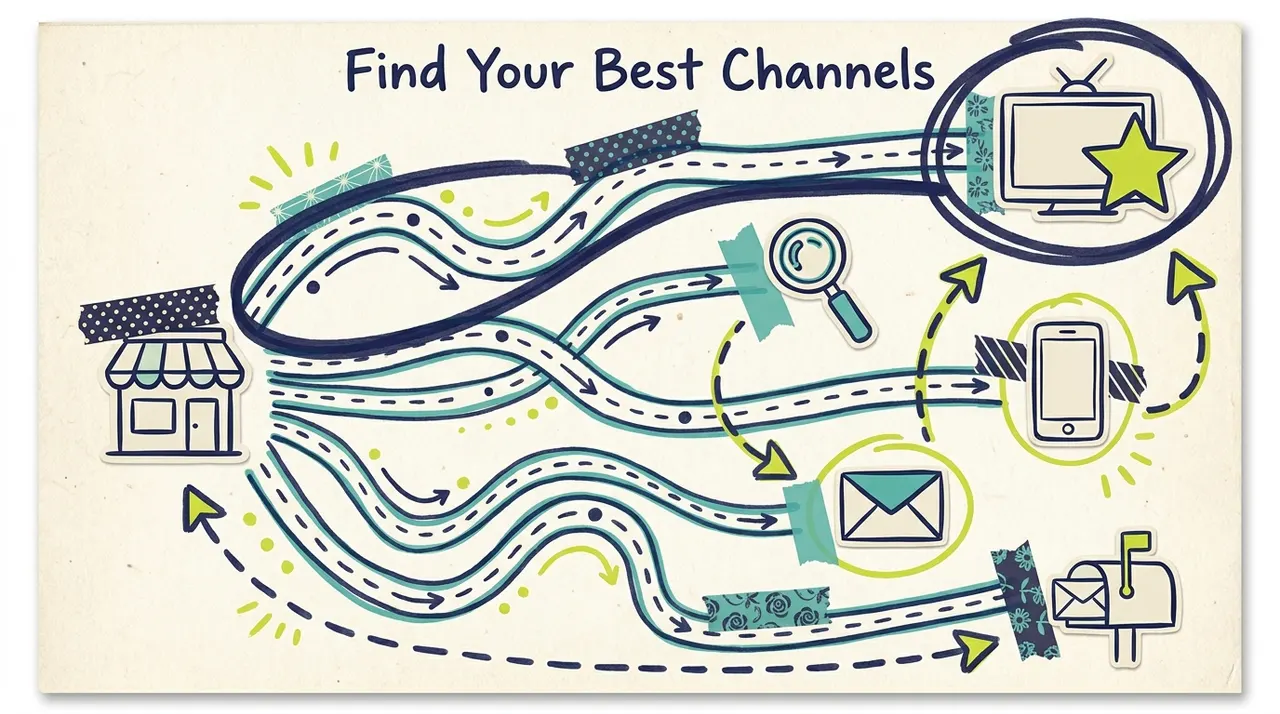
For a local business, this means knowing which ad channels are actually driving phone calls or foot traffic. An e-commerce store can use analytics to identify where customers drop off in the checkout process and fix the leak. For service businesses, it’s about calculating the cost per lead from each channel, from Google Ads to local TV, and allocating your budget to the most profitable source. This disciplined approach eliminates wasteful spending and maximizes your return on investment.
How to Get Started
Implementing a data-driven advertising strategy is straightforward. Here’s how you can begin making smarter decisions with data:
Define Your Key Metrics: Before you launch, decide what you need to measure. Is it cost per lead, customer acquisition cost (CAC), or return on ad spend (ROAS)? Align these metrics with your primary business goals.
Use UTM Parameters: Add unique UTM codes to the links in your ads. This allows your analytics software to precisely track which campaigns, channels, and ad creatives are driving traffic and conversions.
Track Your Entire Funnel: Implement tracking tools like Google Analytics to monitor user behavior from the first click to the final sale. For offline conversions, such as those from TV ads, use a unique URL or phone number in your commercial to measure its impact.
Review and Adjust Weekly: Set aside time each week to review your performance dashboard. Look for trends and make small, incremental adjustments to your campaigns.
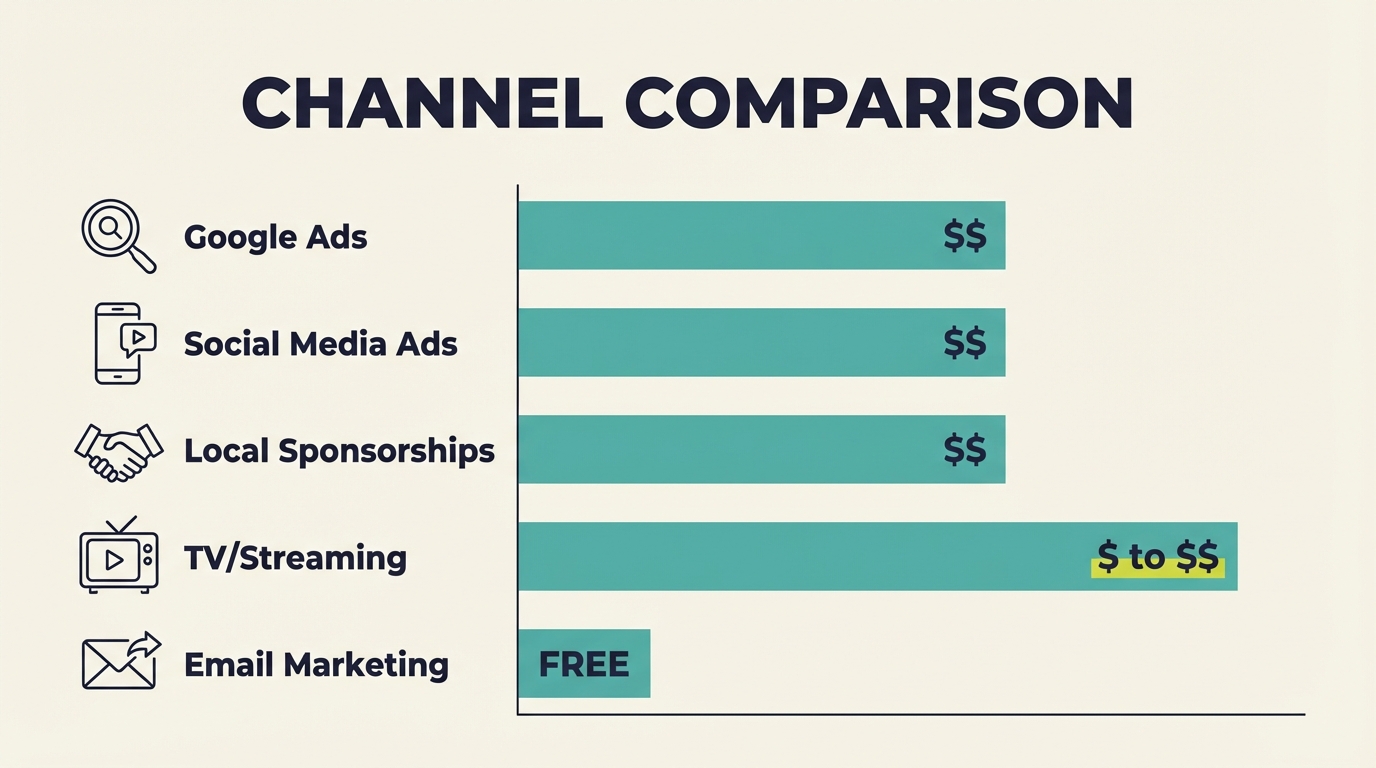
Small Business Advertising: 10-Point Comparison
Putting It All Together: Your Blueprint for Advertising Success
You’ve explored a comprehensive suite of small business advertising tips, from leveraging social media to the foundational importance of SEO. Each of these strategies represents a powerful tool in your marketing arsenal. However, their true potential is unlocked not when used in isolation, but when integrated into a cohesive, strategic blueprint. Think of your advertising efforts as building a powerful engine for your business, with each part playing a critical role.
Digital strategies like SEO, content, and social media marketing create your foundation. They build a stable online presence, engage your audience, and attract customers who are actively searching for what you offer. These are the components that give you control and build momentum over time.
But what about when you want to truly accelerate? What about when you want to shift into a higher gear and command attention across your entire community? That's when you introduce a power-adder like television advertising.
From Digital Foundations to Broadcast Dominance
The journey to effective advertising is a progressive one. You start by mastering the digital fundamentals. You build an online presence that search engines and customers can find. You create valuable content that establishes your authority and answers your audience's most pressing questions. This groundwork is non-negotiable.
Once that foundation is solid, you can amplify your message exponentially. While digital ads are excellent for targeted activities, they often exist in a crowded, noisy environment. To truly elevate your brand, build widespread awareness, and establish a level of trust that digital-only campaigns struggle to achieve, you must consider a broader stage. This is where a strategic leap into local TV advertising can transform your business from a local player into a household name.
The credibility conveyed by a television ad is unique. It signals stability, success, and a commitment to the community. For businesses like real estate agencies, automotive dealerships, or local retailers, this form of advertising doesn't just generate leads; it builds an enduring brand identity that resonates deeply within a specific geographic area.
Your Actionable Blueprint for Growth
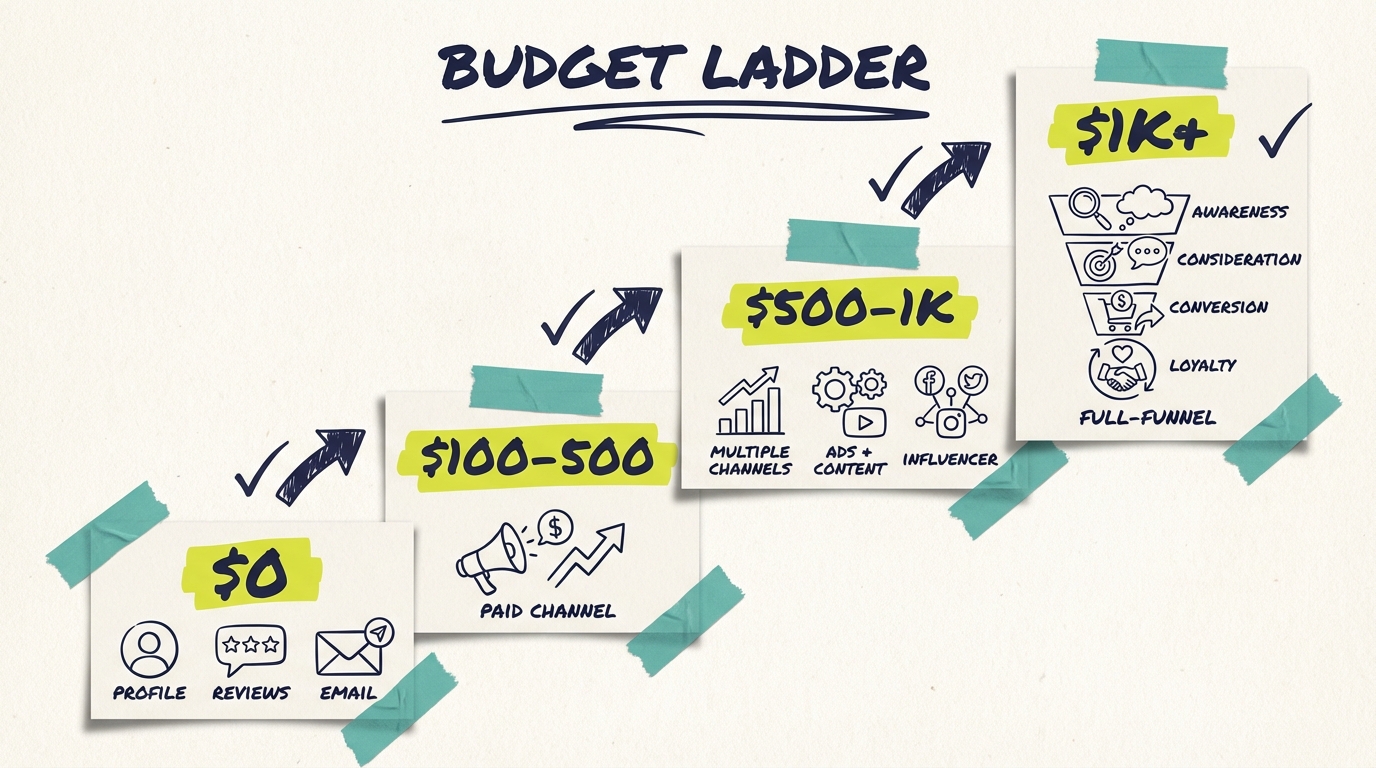
The sheer volume of small business advertising tips can feel overwhelming, but progress is about taking deliberate, sequential steps. Don't try to implement everything at once. Instead, use the insights from this article to create a phased, manageable plan.
Solidify Your Digital Foundation: Start by reviewing your current efforts. Is your website optimized for search (SEO)? Do you have a consistent content and social media strategy? Address any gaps here first.
Activate Your Engagement Channels: With a solid base, focus on building relationships. Implement a structured email marketing campaign and start collecting and showcasing customer testimonials to build trust.
Experiment with Targeted Paid Ads: Begin experimenting with targeted PPC and social media ads. Use the data you’ve collected on your audience to ensure your budget is spent efficiently, driving traffic and conversions.
Achieve Mass Awareness with TV: When you have a proven message and are ready for significant growth, it's time to leverage the power of television. Use a platform like Adwave to make this step accessible and affordable, turning your local success into regional recognition.
By following this layered approach, you move from scattered tactics to a coordinated advertising strategy. You create a system where each component supports the others, leading to sustainable and predictable growth. Mastering these concepts is not just about getting more clicks or calls; it's about building a resilient, trusted brand that can thrive in any market. You are not just advertising; you are investing in your legacy.
Ready to take your brand to the next level and reach thousands of local customers? Adwave makes TV advertising simple, affordable, and effective for small businesses, giving you the power to build trust and awareness on the most influential screen in the home. Explore how you can launch your first TV campaign and become a household name at Adwave.