
You've decided to try TV advertising for your small business. Smart move. But before you launch that first campaign, there are a few expensive lessons you can skip by learning from others' mistakes.
TV advertising mistakes can burn through budgets quickly. The good news? Most of these mistakes are completely avoidable once you know what to watch for. Here are the seven most common TV advertising mistakes small businesses make, and exactly how to sidestep each one.
Mistake #1: Trying to Say Too Much
The most common TV advertising mistake is cramming too much into a 30-second spot. Business owners want to mention every product, every service, every location, every promotion. The result? Viewers remember nothing.
Why this happens: You're paying for airtime, so you want to maximize it. It feels wasteful to leave anything out.
The reality: 30 seconds is shorter than you think. Read this paragraph out loud, and you've already used about 20 seconds. That's why effective TV ads focus on one clear message and one clear call to action.
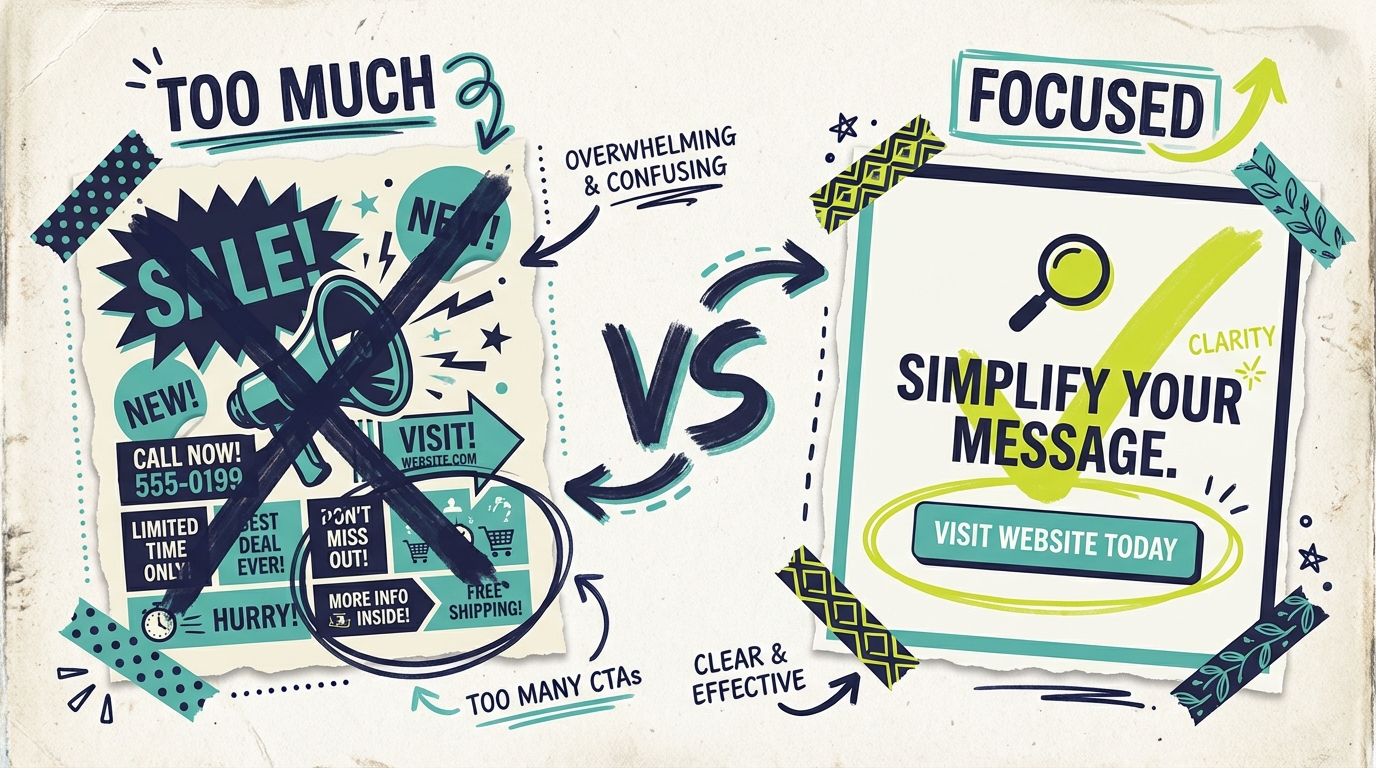
How to avoid it:
Pick ONE thing you want viewers to remember
If you can't explain it in one sentence, simplify
Your CTA should be equally simple: visit, call, or scan
Save the full story for your website
Think of your TV ad as the headline, not the article. It should make people curious enough to learn more, not tell them everything at once.
Mistake #2: Wrong Targeting (Too Broad or Too Narrow)
Targeting mistakes come in two flavors, and both waste money.
Too broad: "Everyone is my customer" thinking leads to ads that reach people who will never buy from you. A local plumber doesn't need to reach viewers 50 miles away. A luxury spa doesn't need to reach budget-conscious households.
Too narrow: Over-targeting can make your audience so small that you never reach enough people to matter. If you're targeting left-handed vegetarian homeowners who watch cooking shows on Tuesdays, you might reach 12 people.
How to avoid it:
Start with geography: Where do your actual customers come from?
Add one or two relevant demographic or interest layers
Test and adjust based on results
For most local businesses, a 10-25 mile radius around your location hits the sweet spot
The goal is reaching enough of the right people, not reaching everyone or only the "perfect" customer.
Mistake #3: Expecting Immediate Results
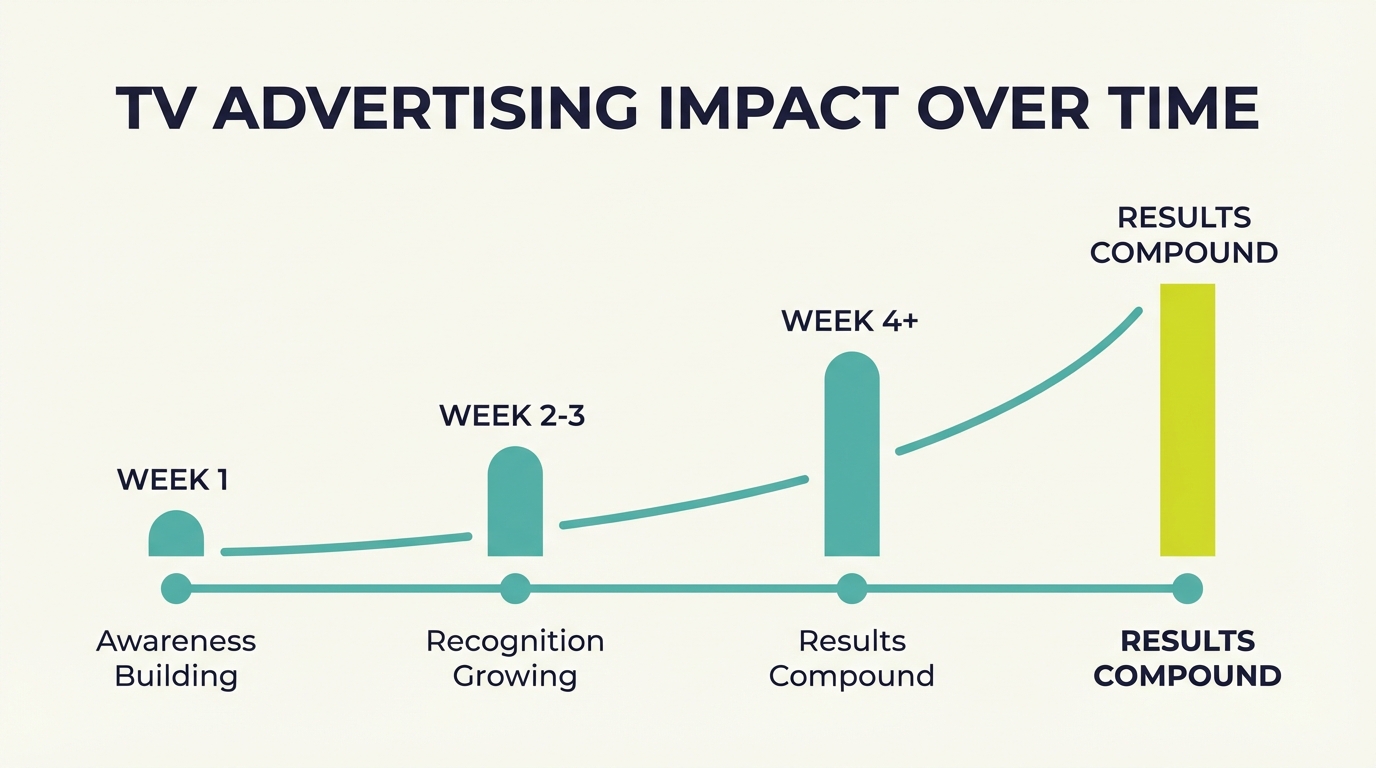
TV advertising builds awareness, not instant conversions. If you're expecting phone calls the minute your ad airs, you'll be disappointed and might quit too soon.
The reality of TV advertising:
Most viewers won't act immediately (they're watching a show)
Brand awareness builds over multiple exposures
The payoff often comes days or weeks later
TV works best as part of a longer-term strategy
How to set realistic expectations:
Plan for at least 4-6 weeks before evaluating success
Track brand searches and direct website traffic, not just immediate calls
Ask new customers "how did you hear about us?"
Understand that TV primarily drives top-of-funnel awareness
The businesses that succeed with TV are the ones that give it time to work.
Mistake #4: Budget Too Small Spread Too Thin
Spreading a tiny budget across months is like trying to heat your house by lighting one match per day. Each individual effort is too small to make an impact.
The peanut butter spread problem: $100 per month for six months sounds reasonable, but it means so few impressions each month that no one sees your ad enough times to remember it.
A better approach: Concentrated campaigns with adequate frequency. It's better to run $300 for two weeks than $50 for six weeks. You need viewers to see your ad multiple times (3-5 exposures minimum) before it sticks.
How to structure your budget:
Calculate how many impressions you can afford
Aim for enough budget to reach your target audience 3-5 times each
Consider running campaigns in bursts rather than continuously
Start with at least $50-100 for a focused test
Remember: frequency matters more than duration when you're starting out.
Mistake #5: Boring or Generic Creative
Your ad is competing with professionally produced content. If it looks like a PowerPoint presentation or sounds like you're reading a script for the first time, viewers will tune out.
Common creative mistakes:
Stock footage that looks like stock footage
Robotic voiceovers
Too much text on screen
No emotional hook in the first 3 seconds
Generic messages that could apply to any business
What works instead:
Show your actual business, team, or products
Lead with something attention-grabbing
Tell your unique story (what makes YOU different?)
Use professional-quality production (AI tools like Adwave can help)
Include your personality
Your ad doesn't need a Hollywood budget, but it does need to feel authentic and engaging. The first 3 seconds determine whether viewers pay attention or zone out.
Mistake #6: Not Tracking Results
"I think TV is working" isn't a business strategy. Without tracking, you're guessing, and guessing leads to wasted spend.
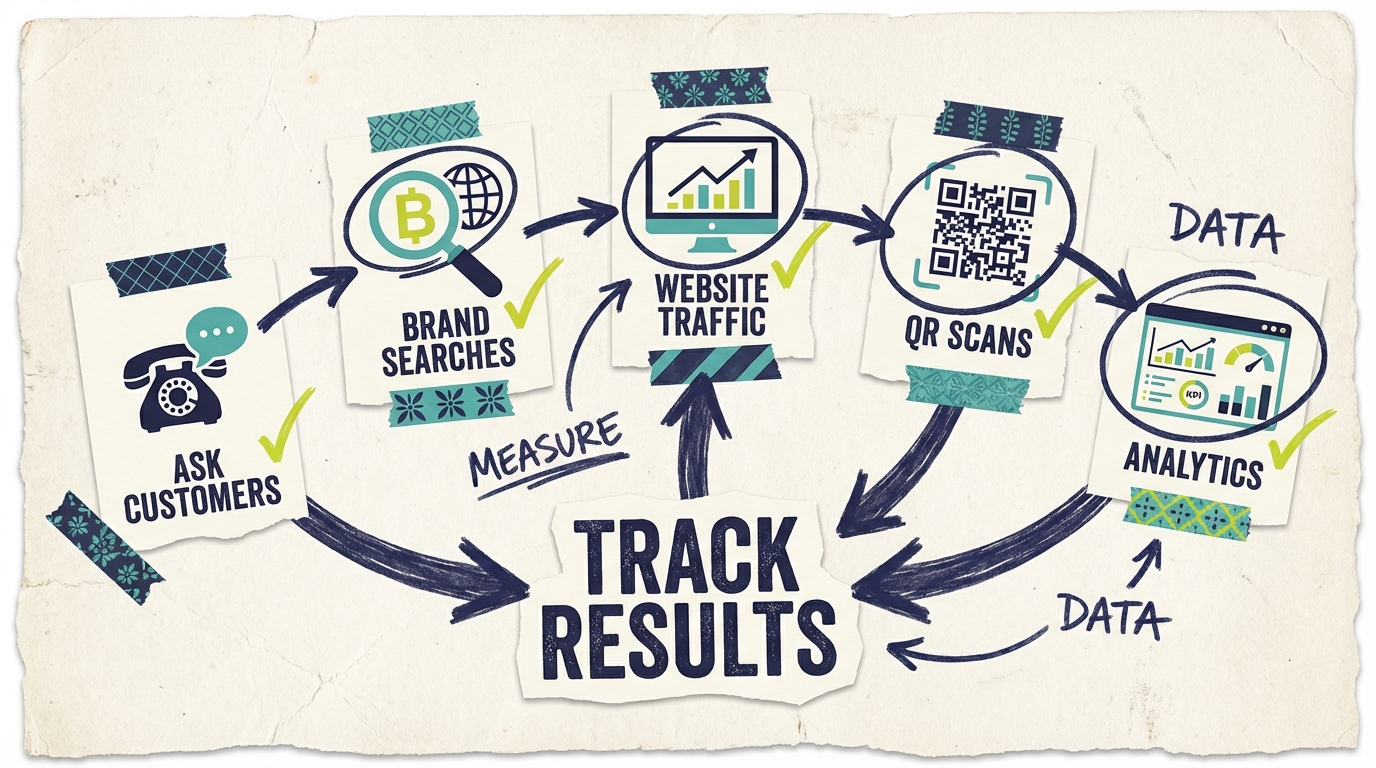
Simple ways to track TV ad impact:
Ask customers: Add "how did you hear about us?" to every interaction
Monitor brand searches: Track Google searches for your business name
Watch direct traffic: Look for increases in people typing your URL directly
Use QR codes: Many CTV platforms display scannable codes
Track website visits from ad-exposed households: Platforms like Adwave show this in your dashboard
What to track:
Website traffic during and after campaigns
Brand search volume (Google Trends is free)
New customer inquiries and their source
Overall sales trends correlated with campaign timing
You don't need perfect attribution to make informed decisions. Directional data is enough to know if TV is contributing to growth.
Mistake #7: Giving Up Too Soon
The most expensive TV advertising mistake? Quitting before the campaign has a chance to work.
Marketing compounds over time. The first impression plants a seed. The second reinforces it. The third starts building trust. By the fifth or sixth exposure, you're becoming familiar. Stopping after two weeks is like planting a garden and pulling up the seeds before they sprout.
When it makes sense to stop:
After 6+ weeks with zero measurable impact
If your business fundamentals have changed
If you've identified a better opportunity for those dollars
When you should keep going:
You're seeing early indicators (brand searches, mentions)
You haven't reached minimum exposure frequency
You're still in the first month
How to optimize instead of quitting:
Adjust targeting if reach seems off
Test different creative if engagement is low
Try different dayparts or programming
Increase frequency if you're spreading too thin
The businesses that win with TV are the ones that commit to learning and optimizing, not the ones that expect perfection on the first try.
What Success Looks Like Instead
When you avoid these mistakes, TV advertising becomes a powerful growth channel:
Clear messaging that viewers actually remember
Smart targeting that reaches your real customers
Realistic timelines that allow awareness to build
Adequate budgets concentrated for impact
Engaging creative that stands out
Proper tracking to measure what's working
Patience to let campaigns mature
The businesses succeeding with TV today aren't the ones with the biggest budgets. They're the ones making smart decisions and avoiding expensive mistakes.
Start Your TV Campaign the Right Way
TV advertising works when it's done right. The mistakes above trip up most first-timers, but now you know what to watch for.
Adwave helps small businesses avoid many of these mistakes from the start. AI-generated creative ensures professional quality without production headaches. Built-in targeting tools prevent the too-broad or too-narrow problem. And the dashboard shows you exactly what's happening with your campaign so you're never guessing.
Ready to try TV advertising without the common pitfalls? Create your first ad free and see what your business looks like on the big screen.
Related Resources:
Common questions answered
What's the most common mistake small businesses make with TV advertising?
The most common mistake is treating TV advertising like digital advertising and expecting immediate, directly attributable conversions. TV builds awareness and consideration over time, and its effects often show up in other channels like increased direct traffic and branded searches. Businesses that give up after one short campaign miss the cumulative brand-building benefits that make TV advertising so powerful for long-term growth.
How long should I run a TV campaign before judging results?
Plan for at least four weeks of consistent advertising before drawing conclusions. TV advertising needs repetition to build awareness, and viewers typically need multiple exposures before your brand registers. Some businesses see results in the first week, but most need sustained presence. If you're testing with a small budget, consider running shorter flights more frequently rather than one continuous campaign, and measure results over several months.
Is it a mistake to create my own TV ad instead of hiring professionals?
Not necessarily, but quality matters more on TV than any other medium. A poorly produced ad can actually harm your brand perception. However, AI-powered ad creation tools have made professional-quality creative accessible to small businesses without production budgets. The key is being honest about your creative capabilities. If you can't produce something that looks professional, use a platform or service that handles creative for you.
Should I put my phone number in my TV ad?
This depends on your business and goals. For local services where phone calls drive business (home services, medical practices, professional services), displaying a phone number makes sense. For businesses driving web traffic or in-person visits, a phone number may be less important. Avoid cluttering your ad with too much contact information. Pick one clear call to action rather than showing phone, website, social handles, and address all at once.
How do I know if I'm targeting the right audience?
Monitor both your campaign metrics and your actual customer inquiries. If your ads are completing at high rates but not driving business, your targeting might be off. Ask new customers how they heard about you and track whether TV-attributed customers match your targeting parameters. Most platforms let you adjust targeting mid-campaign, so don't be afraid to refine based on early results. Testing different audience segments is often more valuable than trying to perfect targeting upfront.


