
"What's the ROI on that TV campaign?" It's the question every business owner faces, whether from a skeptical partner, a curious accountant, or just their own need to know if the money was well spent.
TV advertising ROI is real and measurable, but it works differently than your Google Ads dashboard. The good news? With the right framework, you can prove value to yourself and any stakeholder asking the question.
Why TV ROI Measurement Is Different
TV advertising doesn't work like direct-response digital ads where someone clicks and buys immediately. That doesn't mean it doesn't work. It means measurement requires a different approach.
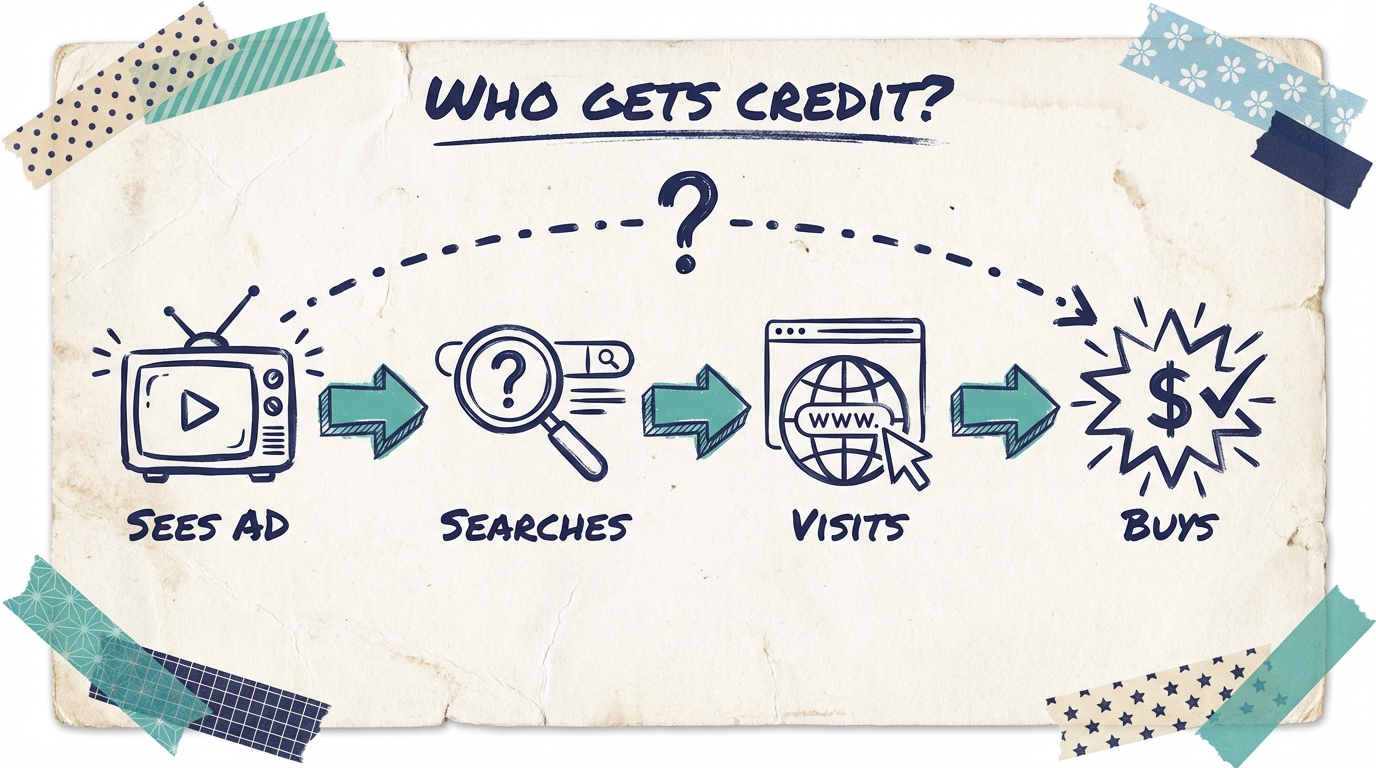
The multi-touch reality: A customer might see your TV ad, search for your business later, then convert through your website. Traditional tracking gives all credit to the search, but the TV ad started the journey.
The halo effect: TV advertising lifts performance across all your other channels. Your social ads convert better. Your search campaigns get more clicks. Your direct traffic increases. Measuring TV in isolation misses these benefits.
Brand building value: Some of TV's value is building recognition that pays off over time. The customer who sees your ad today might become a customer six months from now. That's not failure. That's how brand advertising works.
Understanding these dynamics helps you set realistic expectations and measure what actually matters.
Direct Response ROI Measurement
When you can track direct conversions, measuring TV ROI becomes straightforward. Here's how.
Methods that work:
Unique promo codes: Create a TV-specific code ("Use code TV20 for 20% off"). Every redemption is directly attributable.
Dedicated phone numbers: Use a tracking number only shown in TV ads. Every call is a TV conversion.
Unique landing pages: Drive TV viewers to yoursite.com/tv and track all visits.
QR codes: On-screen QR codes track scans directly to your TV campaign.
The direct ROI formula:
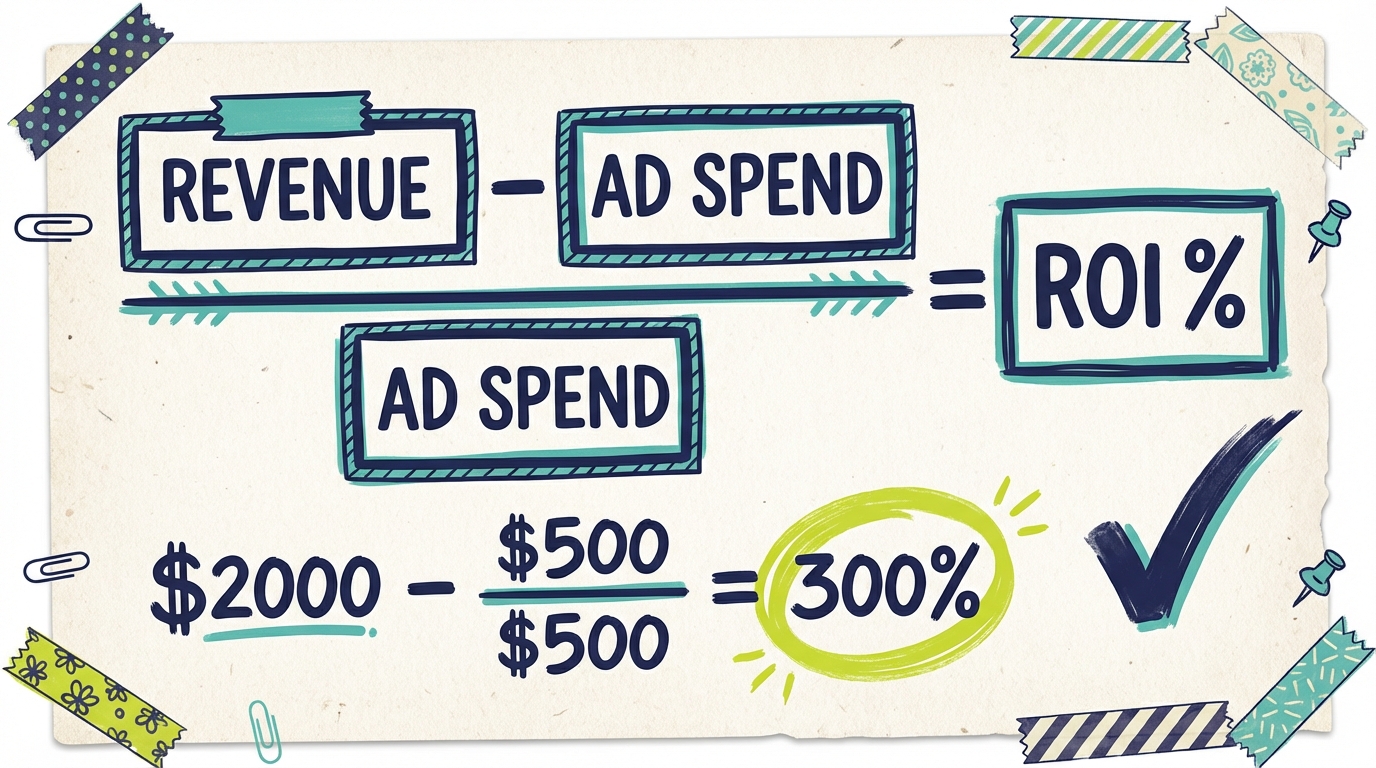
ROI = (Revenue from TV conversions - TV ad spend) / TV ad spend × 100
Example: You spend $500 on TV ads. Your promo code generates $2,000 in sales.
ROI = ($2,000 - $500) / $500 × 100 = 300%
That's a 3x return on your TV investment, clearly measured. For more on what makes TV advertising effective, see our creative guide.
Brand Lift ROI Measurement
Not every TV campaign goal is immediate conversion. Sometimes you're building awareness that drives results over time. Here's how to measure that.
Search lift: Compare branded search volume before and after your TV campaign. Tools like Google Trends show whether more people are searching for your business name. A spike during campaign periods indicates TV is driving awareness.
Website direct traffic: Track visits that come directly to your site (people typing your URL). Increases during TV campaigns suggest viewers remember and seek you out.
Social engagement: Monitor follower growth and engagement during campaigns. TV exposure often drives social discovery.
Survey-based measurement: Ask new customers "How did you hear about us?" Simple but effective, especially for service businesses where conversations happen naturally.
Competitive share: Track your share of local conversations, reviews, or market presence before and after campaigns.
The Simple ROI Framework
Here's a practical framework that works for most small businesses:
Step 1: Establish baselines
Before launching TV, document:
Weekly revenue averages
Website traffic patterns
Branded search volume
Lead/inquiry volume
Social media metrics
Step 2: Run your campaign with tracking
During the campaign:
Use at least one direct tracking method (code, number, or landing page)
Note campaign timing precisely
Track all metrics weekly
Step 3: Compare and calculate
After the campaign, compare:
Direct conversions from tracking methods
Lift in baseline metrics during campaign period
Attribution of increased activity to TV exposure
Setting Up Proper Attribution
Before you launch your next TV campaign, put these pieces in place:
Technical setup:
Create unique tracking URLs or landing pages
Set up phone call tracking if calls matter to your business
Configure Google Analytics goals for key conversions
Enable QR code tracking if using on-screen codes
Operational setup:
Train staff to ask "How did you hear about us?"
Create a system to record and track responses
Brief anyone answering phones on the TV campaign
Documentation:
Record exact campaign dates and budget
Note any other marketing running simultaneously
Document any external factors (seasonality, events, promotions)
With proper setup, you can measure your campaigns effectively and optimize based on real data.
Benchmarks: What Good TV ROI Looks Like
Not sure if your results are good? Here are industry benchmarks:
Direct response campaigns:
2-3x ROI is solid for immediate conversions
4-5x ROI is excellent
1.5x ROI can still be positive when including brand value
Brand lift indicators:
10-30% increase in branded searches during campaign
15-25% increase in direct website traffic
Measurable lift in social followers and engagement
Long-term value:
Customer acquisition costs that compete with or beat digital channels
Customers acquired through TV often have higher lifetime value
Brand recognition that compounds over multiple campaigns
The key benchmark: Is the revenue attributable to TV (directly and indirectly) greater than what you spent? If yes, your TV advertising is working.
Building Your ROI Case for Stakeholders
Need to justify TV spend to partners, investors, or your own skeptical side? Here's your template:
The one-page ROI summary:
Campaign overview: Dates, budget, targeting, creative summary
Direct results: Conversions tracked via codes/tracking numbers/landing pages
Lift results: Before/during/after comparisons of key metrics
ROI calculation: Clear math showing return on investment
Qualitative value: Brand building, competitive positioning, customer feedback
Recommendation: Continue, adjust, or reallocate based on results
How to present:
Lead with direct, measurable results
Show lift data as supporting evidence
Acknowledge what TV does well (brand building, credibility)
Compare to other channel costs where favorable
Propose next steps based on learnings
Track What Matters
Here's the reality: perfect attribution doesn't exist for any marketing channel. Even your "perfectly tracked" digital campaigns miss view-through conversions and brand influence.
What matters is whether TV advertising is contributing to business growth. Are more people finding you? Are conversion rates improving across channels? Is revenue growing?
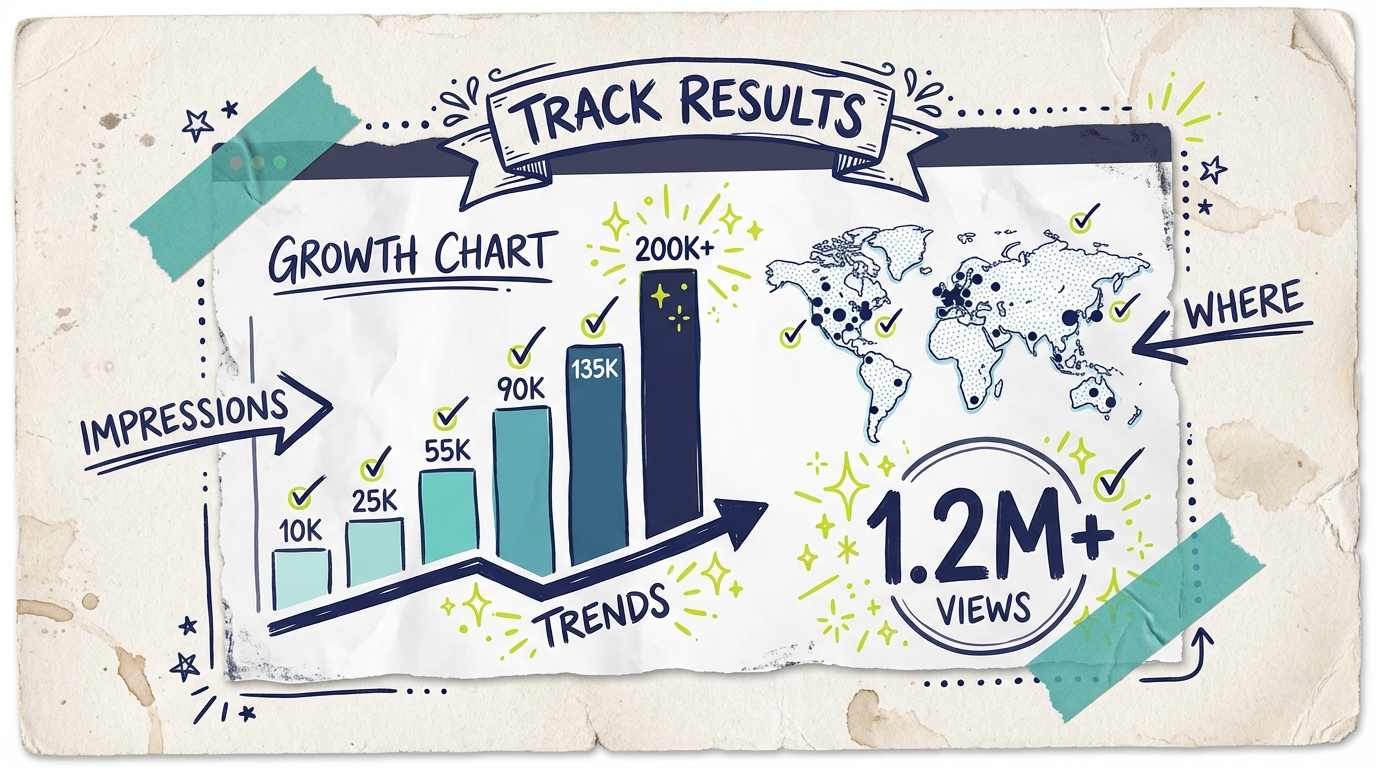
With Adwave, you get real-time analytics showing impressions, viewership patterns, and geographic distribution. Combined with the tracking methods above, you have everything you need to prove TV advertising value.
Ready to Measure Your TV Advertising ROI?
The frameworks here work whether you're spending $50 or $5,000. Start with direct tracking methods, layer in lift measurement, and build your ROI case over time.
TV advertising ROI is real. With the right measurement approach, you can prove it to anyone who asks, including yourself.
Get started with Adwave and see how easy it is to launch, track, and optimize your TV advertising campaigns.
Common questions answered
How do I track if my TV ads are working?
Track multiple signals: branded search volume increases, direct website traffic, "how did you hear about us" responses from customers, and correlation between ad flight dates and business metrics. CTV platforms also provide view-through tracking and some attribution data. The key is establishing baseline metrics before you start advertising.
What's a good ROI for TV advertising?
ROI varies significantly by industry and campaign goals. For brand awareness campaigns, measure success through brand lift and awareness metrics rather than direct conversions. For response-focused campaigns, a 3:1 to 5:1 return is often considered strong. Remember that TV's impact often shows up in improved performance across all your other marketing channels.
How long before I see results from TV advertising?
Brand awareness builds over time, typically becoming noticeable after 4 to 8 weeks of consistent advertising. Some businesses see immediate response (phone calls mentioning the ad), while others see gradual lifts in other metrics. Set realistic expectations: TV is a brand-building channel, not typically an immediate-response channel like paid search.
Should I measure TV ROI differently than digital ads?
Yes. Digital ads have clear click-through attribution, but TV works differently. Measure TV's contribution through brand lift studies, incremental reach analysis, and correlation with other business metrics. Many businesses find that adding TV improves the performance of their digital campaigns by warming up audiences before they see other ads.


