
Patreon creators face a unique challenge: building sustainable recurring revenue through membership tiers requires reaching people who value your work enough to commit monthly. While social media drives discovery, algorithm changes can devastate your patron pipeline overnight. The top 1% of Patreon creators earn $2,500+ monthly, but most struggle to convert casual followers into paying patrons.
TV advertising solves this by reaching potential patrons who consume content similar to yours but aren't actively browsing Patreon or scrolling your social feeds. Unlike one-time crowdfunding campaigns, Patreon success depends on consistent patron acquisition to offset churn and grow monthly recurring revenue (MRR). In this guide, you'll learn how Patreon creators use TV advertising to build membership businesses that aren't dependent on social media algorithms, attract patrons willing to commit to recurring subscriptions, and establish credibility that makes sponsors take notice.
Why TV Advertising Works for Patreon Creators
TV advertising offers unique advantages for creators building subscription-based membership businesses. Here's what makes it especially effective for Patreon creators:

Convert casual viewers into paying patrons. Patreon's subscription model requires viewers to commit to recurring monthly payments, not just one-time support. TV advertising reaches people who watch content similar to yours but aren't actively seeking new Patreon creators to support. When they see your work on TV, the same medium where they consume premium content, they're more likely to see you as worth a monthly subscription. This is especially powerful for podcasters, musicians, and video creators whose work translates naturally to TV viewing.
Showcase membership tier value. Unlike crowdfunding campaigns with one-time rewards, Patreon creators offer ongoing exclusive content through membership tiers. TV commercials let you visually demonstrate what patrons get at each tier: behind-the-scenes content, early access, exclusive episodes, or community access. This visual demonstration of value helps viewers understand why a monthly subscription is worth it, not just a one-time purchase.
Build recurring revenue stability. Patreon creators face constant churn as patrons cancel subscriptions monthly. TV advertising provides a consistent acquisition channel that isn't subject to algorithm changes or platform policy shifts. When your Instagram reach drops or YouTube demonetizes your content, TV advertising continues driving new patrons to your membership tiers, creating revenue stability that social media can't match.
Target patrons who value premium content. Patreon's model works best when patrons see your work as premium, not free content. TV advertising positions your content alongside premium programming on channels like Hulu, Peacock, and Roku, signaling quality that justifies a paid membership. When potential patrons see your work on TV, they're more likely to understand why it's worth paying for monthly.
Reduce dependency on platform discovery. Patreon's built-in discovery is limited. Most patrons find creators through external channels. TV advertising creates a direct path from viewer to patron without relying on Patreon's search or social media algorithms. This diversification protects your membership business from platform changes that could devastate your patron pipeline.
Real Results from Patreon Creator TV Ads
Patreon creators using TV advertising report measurable improvements in membership growth and patron quality. Here's what success looks like:
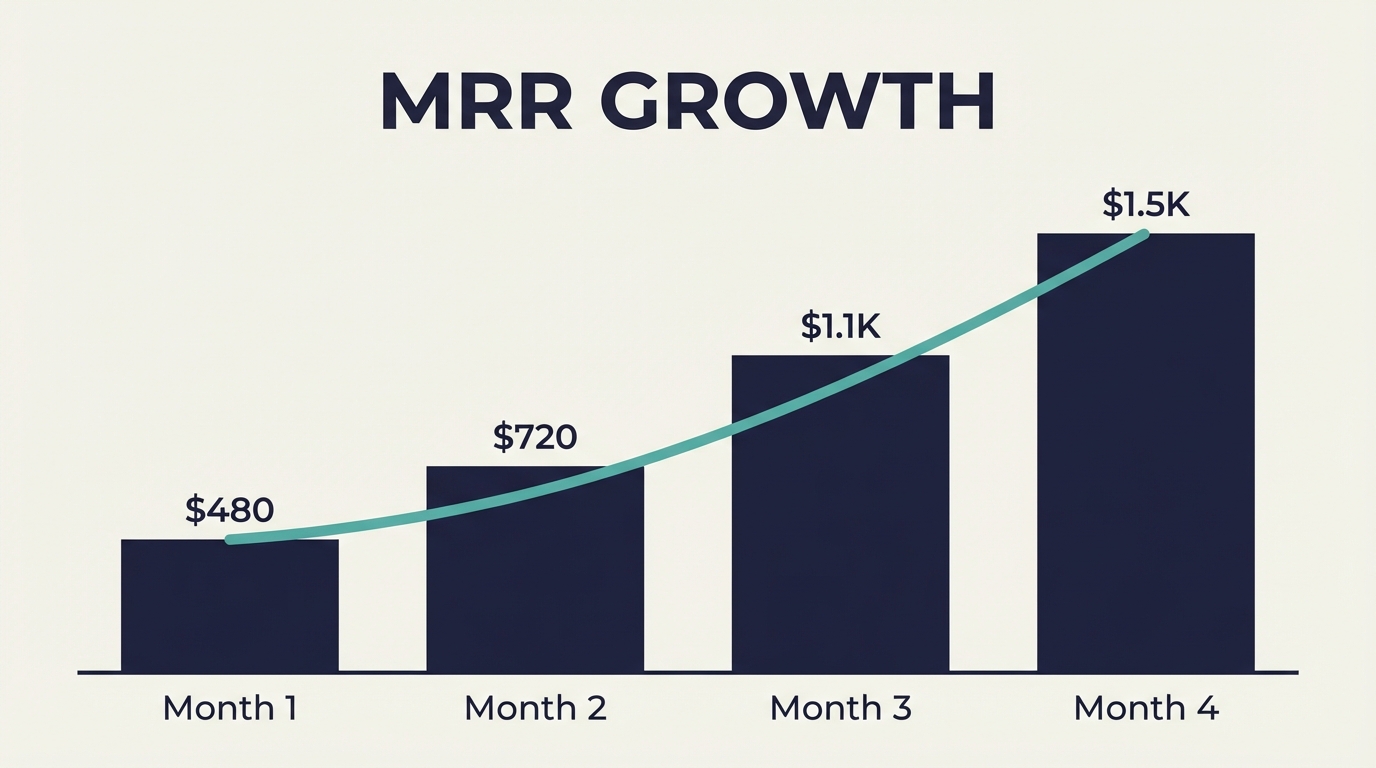
Increased monthly recurring revenue from new patron sign-ups. TV advertising drives patrons who weren't finding you through social media alone. These new patrons often have higher lifetime value because they discovered you through a more intentional channel.
Higher-quality patrons who discovered you through TV. Patrons who find you through TV advertising tend to be more engaged and committed. They've seen your work in a premium context and are more likely to become long-term supporters at higher tiers.
Expanded audience reach beyond your existing social media demographics. TV advertising helps you reach demographics that might not be active on your primary social platforms. This diversification strengthens your membership base and reduces dependency on any single platform.
Boosted brand recognition that makes you more attractive to sponsors. When sponsors see you're investing in TV advertising, it signals serious business growth. This can lead to better partnership opportunities and higher sponsorship rates.
Targeting Strategies for Patreon Creators
Geographic Targeting for Membership Businesses
Most Patreon creators benefit from national targeting since membership subscriptions aren't location-dependent. However, creators with local content (local news podcasts, city-specific content) or those building local community tiers should target their geographic area. For example, a local history podcaster might target their city to build a local patron community, while a music producer should target nationally to maximize potential patron pool.
Demographic Targeting for Recurring Subscriptions
Patreon patrons need disposable income for monthly subscriptions, so target demographics with higher discretionary spending. Age 25-54 with middle-to-upper income levels are most likely to commit to recurring memberships. However, don't ignore younger demographics. Gen Z and Millennials are increasingly comfortable with subscription models. The key is matching demographics to your content type: educational content appeals to 30-50 year-olds, while gaming content targets 18-35 year-olds.
Interest-Based Targeting for Content Creators
Match viewer interests to your content category with precision. Podcast creators should target viewers who watch talk shows, documentaries, or educational content. Musicians should target viewers who watch music programming, concerts, or music documentaries. Visual artists should target viewers interested in art, design, or creative content. The goal is finding viewers who already consume similar content and would value exclusive access to your work through Patreon membership tiers.
Budget Considerations for Patreon Creators
Patreon creators operate on recurring revenue, so TV advertising ROI should be measured in monthly recurring revenue (MRR) growth, not one-time conversions. From $30/day, you can test TV advertising's impact on patron acquisition. Most successful Patreon creators allocate 10-20% of monthly revenue to marketing, with TV advertising becoming a larger portion as they scale.
For creators earning $500-1,000 monthly, a $100-200 TV campaign can drive 5-10 new patrons at $5-10/month tiers, potentially increasing MRR by $25-100 monthly. The key is tracking patron lifetime value. If patrons stay 6+ months, TV advertising pays for itself quickly. Scale up when you see consistent patron acquisition and positive MRR growth. Creators earning $2,500+ monthly often invest $500-1,000 monthly in TV advertising to maintain growth and offset churn.
Creating Effective Patreon Creator TV Commercials
Effective Patreon creator commercials showcase your best work while clearly communicating membership value. Start with a hook that demonstrates your content quality: show a clip of your podcast, a snippet of your music, or a preview of your art. Then explain what patrons get: exclusive episodes, early access, behind-the-scenes content, or community access.
Visualize your membership tiers if possible. Show what $5/month gets versus $10/month or $25/month. This helps viewers understand the value proposition immediately. Include social proof: "Join 500+ patrons" or "Top 1% creator" signals legitimacy.
End with a clear call-to-action: "Join my Patreon at [yourname].com/patreon" or a QR code that links directly to your membership page.
For podcasters, show your recording setup and mention exclusive bonus episodes. For musicians, play your music and mention early access to new releases. For visual artists, showcase your work and mention exclusive prints or tutorials. The goal is making viewers understand why your content is worth a monthly subscription, not just a one-time purchase.
Learn more about what makes a good TV commercial to craft messaging that converts.
How It Works for Patreon Creators
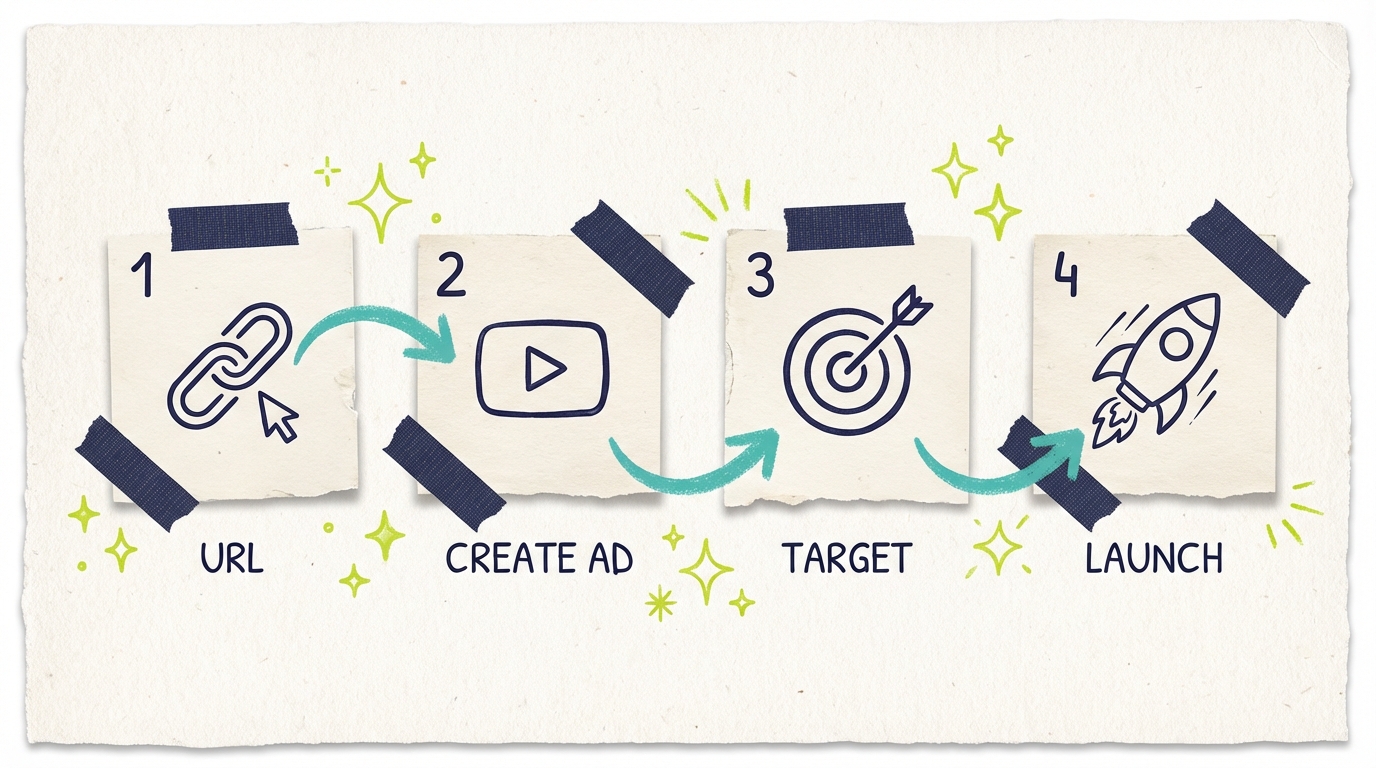
Share your Patreon page or website. Adwave's AI gathers your content, branding, and messaging automatically. Simply provide your Patreon URL or website, and the AI pulls your images, videos, and content to understand your brand.
AI creates your TV commercial. Your ad showcases your work and includes a clear call-to-action to join your Patreon. The AI generates a professional 30-second commercial that highlights your best content and makes joining your Patreon the obvious next step.
Target your ideal audience. Reach viewers who watch content similar to yours, in specific locations or demographics. You can target locally if you have a geographic focus, or nationally if your content appeals broadly.
Launch and track results. Monitor how many viewers visit your Patreon page and convert to patrons. Adwave's dashboard shows you impressions, website visits, and you can track Patreon sign-ups through your campaign.
Measuring Success for Patreon Creators
Patreon creators should track different metrics than one-time crowdfunding campaigns. Focus on monthly recurring revenue (MRR) growth, not just patron count. A campaign that drives 20 patrons at $5/month ($100 MRR) is more valuable than 50 patrons at $1/month ($50 MRR).

Track patron acquisition cost (PAC): divide your TV ad spend by new patrons acquired. If you spend $200 and gain 10 patrons, your PAC is $20. Compare this to patron lifetime value (LTV). If patrons stay 6 months at $5/month, LTV is $30, making TV advertising profitable.
Monitor patron quality: TV-acquired patrons often have higher retention rates than social media-acquired patrons because they discovered you through a more intentional channel. Track which membership tiers TV viewers choose. If they're selecting higher tiers ($10+), TV advertising is attracting higher-value patrons.
Use Patreon's analytics to segment patrons by acquisition source. Set up UTM parameters on your Patreon page link in TV ads to track traffic. Monitor patron churn rates. If TV-acquired patrons have lower churn than other sources, TV advertising is building a more stable membership base.
Common Mistakes to Avoid
Treating TV ads like social media posts. Patreon creators often make commercials that feel like Instagram stories: too casual, too short, not enough value demonstration. TV commercials need to clearly explain membership value and why viewers should commit to recurring payments. Show what patrons get, not just who you are.
Not showing membership tiers. Many creators forget to explain their tier structure, leaving viewers confused about what they're signing up for. Effective commercials show tier benefits visually: "$5/month gets exclusive episodes, $10/month adds early access, $25/month includes community access." This clarity increases conversions.
Set a test budget and track new patrons, acquisition costs, and recurring revenue before increasing spend.
Not tracking patron lifetime value. Focusing only on acquisition cost misses the bigger picture. A patron who costs $20 to acquire but stays 12 months at $10/month ($120 LTV) is profitable, even if acquisition cost seems high. Track retention rates for TV-acquired patrons versus other sources to understand true ROI.
Common questions answered
Can Patreon creators benefit from TV advertising?
TV advertising can help established Patreon creators reach new audiences beyond their existing social media following. While it requires investment, creators with strong conversion funnels may find TV effective for building awareness that drives new patron sign-ups. The key is having compelling content and a clear value proposition for potential supporters.
What should a Patreon creator's TV ad focus on?
Showcase your best content and what makes your work unique. Communicate the value patrons receive: exclusive content, community access, or behind-the-scenes material. Feature yourself to build personal connection. Include a clear call to action directing viewers to your Patreon page. Make viewers feel they're missing out by not being part of your community.
How much should a Patreon creator spend on TV advertising?
Start small with $100 to $500 to test whether TV resonates with your potential audience. Calculate your average patron value over time to determine acceptable acquisition cost. Creators with higher-tier offerings or strong retention may justify larger investments. Scale based on results rather than committing large budgets upfront.
How do Patreon creators track TV advertising results?
Monitor new patron sign-ups during campaign periods. Use unique referral codes mentioned only in TV ads. Track website and Patreon page traffic during advertising versus baseline periods. Compare patron acquisition cost from TV to other channels you use. Watch for increases in social media follows that may convert to patrons later.