Golf courses and country clubs face a unique marketing challenge. Your potential members and guests make decisions months before they show up. Someone considering a membership thinks about it for weeks, asks friends, researches online, and finally reaches out when they're ready. Day-rate golfers plan rounds days or weeks ahead, especially for nicer courses worth the drive.
This extended consideration period makes TV advertising especially powerful for golf properties. You're not trying to get someone to act in the next five minutes. You're building the kind of awareness and credibility that makes your course the obvious choice when they're ready to book or join.
This guide covers how golf courses and country clubs can use TV advertising to fill tee sheets, drive membership inquiries, and build the prestige that justifies premium pricing.
Why TV Works for Golf Properties
Golf is aspirational. People don't just want to play golf; they want to play at courses that feel special. TV advertising taps directly into that aspiration in ways digital ads simply cannot match.
Building Perceived Value
Brands that advertise on television are perceived as more established and trustworthy. For golf courses, this perception translates directly to pricing power. A course that advertises on NBC and ESPN feels like a premium destination worth premium green fees.
Think about it from your potential guest's perspective. They see your course on their TV screen, positioned alongside major brands. That creates an impression of quality and legitimacy that a Facebook ad or Google listing simply cannot replicate.
Reaching the Right Audience
Golf's demographics align exceptionally well with streaming TV viewership. The sport attracts an audience with above-average household income, education levels, and discretionary spending. These same people are increasingly watching streaming television rather than traditional cable.
Connected TV advertising lets you target by geography, demographics, and household characteristics. You can reach viewers within a reasonable drive of your course who match the profile of your ideal member or guest.
Long Consideration Windows
Golf isn't an impulse purchase. Someone deciding whether to join a country club might think about it for six months. A golfer planning a buddies trip researches courses weeks in advance. This extended timeline makes awareness-building advertising especially valuable.
TV keeps your course familiar throughout that consideration period. When someone finally decides to book, your name surfaces naturally because they've seen it repeatedly in a credible context.
Membership Marketing Through Television
Country clubs and private courses face particular marketing challenges. Membership is a significant commitment that people research carefully before inquiring.
The Prestige Factor
Private clubs sell exclusivity and prestige as much as they sell golf. TV advertising reinforces both. A club that advertises on premium streaming channels signals success and stability. It suggests a membership worth having.
This perception matters enormously in the membership decision. Prospective members want to join clubs that other successful people want to join. TV presence creates that impression.
Reaching Decision Influencers
Membership decisions often involve spouses and families. The golfer might be sold, but they need to convince their partner that the membership dues are worth it. TV advertising reaches the whole household, building familiarity and positive associations with everyone involved in the decision.
This household reach distinguishes TV from more targeted digital advertising. Golf publications and websites reach the golfer, but miss the spouse who has veto power over the family budget.
Supporting the Sales Process
Most country clubs have a membership sales process involving tours, meetings, and relationship building. TV advertising makes that process more effective by pre-warming prospects before they contact you.
When someone inquires about membership after seeing your TV ads, they already feel some connection to your club. The salesperson isn't starting from scratch. They're building on familiarity and positive impressions that advertising created.
Daily Fee Course Strategies

Public and semi-private courses have different goals than private clubs. You're filling tee times, not selling memberships. TV advertising supports that goal in several ways.
Geographic Targeting
Most golfers won't drive more than an hour for a regular round. They might travel further for special occasions, but weekday golf comes from your local market. Streaming TV advertising lets you target specific geographic areas precisely.
You can focus your budget on ZIP codes within reasonable driving distance. This geographic precision means you're not paying to reach people who would never make the trip to your course.
Seasonal Timing
Golf is intensely seasonal in most markets. You don't need to advertise at the same level year-round. A seasonal advertising approach lets you increase spending when golfers are actively booking and reduce it during the off-season.
Ramp up advertising in early spring when golfers start thinking about the season ahead. Maintain presence through peak season. Consider a push in early fall when weather improves and summer crowds thin out. Pull back in winter if your area gets cold.
Competing with Chains
Independent courses compete against management companies operating dozens of properties with substantial marketing budgets. TV advertising helps level that playing field by giving independent courses the same premium positioning that chains enjoy.
When a golfer sees your independent course advertised on the same channels as national brands, the implied quality comparison works in your favor. You look like a serious operation, not a small local alternative.
What to Show in Your Golf Course Ad
Golf is visual, which makes it perfect for television advertising. Your course is your product, and showing it in motion creates desire that still images cannot match.
Course Footage
Feature your most photogenic holes. Aerial views of signature holes, morning light on manicured fairways, and water features all create emotional appeal. Golf courses are beautiful, and that beauty sells.
Show conditions that demonstrate course quality. Smooth, fast greens. Perfectly striped fairways. White sand bunkers. These details signal the premium experience golfers seek.
The Experience Beyond Golf
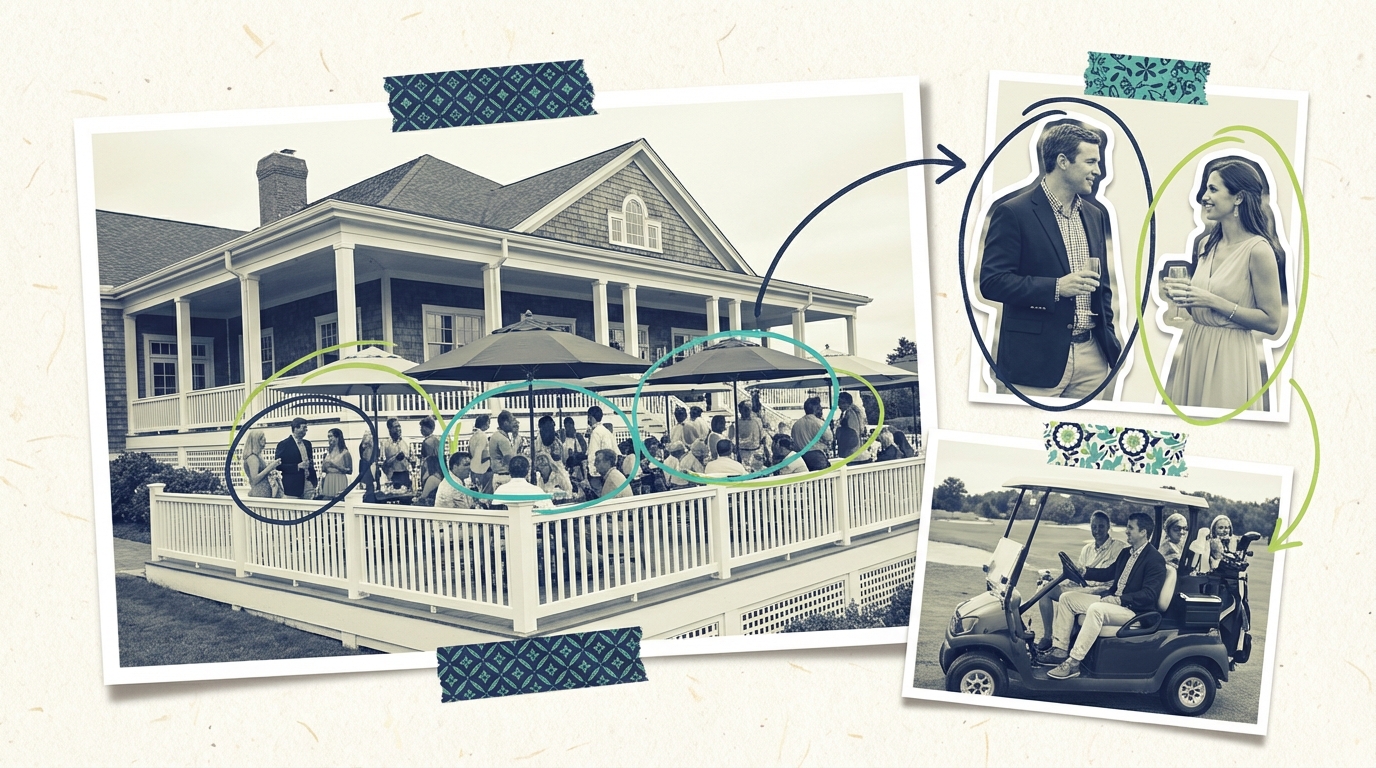
Country clubs and resort courses sell more than golf. Show the clubhouse, dining options, practice facilities, and social scenes. Members and guests buy the complete experience, not just 18 holes.
For courses with events, show celebrations. Wedding parties on the veranda, corporate groups on the first tee, friends gathering after a round. These images help prospects envision themselves as part of your community.
People Enjoying Themselves
Golf is social. Show people having fun together on the course and around the clubhouse. Foursomes laughing, friends celebrating a good shot, families spending time together. These emotional moments resonate more than perfect swing sequences.
Avoid the common mistake of showing golf that looks intimidating. Serious-faced players hitting perfect shots can make casual golfers feel unwelcome. Show joy and accessibility alongside quality.
Budget Considerations for Golf Advertising

Golf properties range from small public courses to expansive private clubs. Marketing budgets vary accordingly, but TV advertising works across the spectrum.
Starting Small
Streaming TV advertising starts from $30/day with Adwave. This low entry point lets smaller courses test TV advertising without major commitment. Run a modest campaign during a shoulder season and measure the response.
A small course might allocate $500-1,000 monthly during peak season. That's enough to maintain consistent local presence and drive meaningful awareness within your primary market.
Scaling With Goals
Larger operations with bigger goals can scale accordingly. A country club running a membership drive might invest significantly more during the campaign period. A resort course promoting stay-and-play packages might increase spending around vacation planning seasons.
The key is matching investment to opportunity. Big events like golf tournaments or membership promotions warrant bigger advertising pushes. Quiet periods can maintain awareness with smaller budgets.
Measuring Results
Track inquiries and bookings during advertising periods. Ask new members and first-time guests how they heard about you. Monitor website traffic patterns during campaigns.
Golf has longer sales cycles than some businesses, so allow time for advertising effects to appear. Someone who sees your ad in March might not book until May or inquire about membership until fall.
Targeting Strategies for Golf Courses
Effective targeting ensures your advertising reaches people likely to play golf and able to afford your course.
Demographic Targeting
Golf skews toward higher-income households. Target accordingly. Streaming platforms allow targeting by household income ranges, education levels, and other demographic factors.
For private clubs, focus on the upper income tiers that can afford membership dues. For public courses, target middle and upper-middle income households within your drive-time radius.
Geographic Precision
Define your primary and secondary markets. Your primary market might be everyone within 30 minutes. Your secondary market could extend to an hour for weekend play or special occasions.
Weight your advertising toward the primary market while maintaining some presence in secondary areas. Most of your play comes from close by, but you want visibility with people who might make the occasional trip.
Interest-Based Targeting
Streaming platforms can target viewers who have shown interest in golf content, sports generally, or lifestyle content that correlates with golf participation. Layer these interest signals with demographics and geography for precise targeting.
Getting Started With Golf Course TV Advertising
Starting TV advertising for your golf course is straightforward with modern platforms.
Create Your Ad
Adwave's platform generates professional TV commercials from your existing website and marketing materials. Upload course photos and video, describe what makes your course special, and AI creates a broadcast-ready commercial.
The process takes minutes rather than the weeks traditional TV production requires. You can have a professional ad ready to air within hours.
Define Your Audience
Set your geographic targeting based on realistic drive times. Define demographic parameters that match your current member or guest profile. The platform handles the technical details of reaching those specific audiences.
Set Your Budget and Schedule
Choose a monthly budget that fits your marketing plan. Set seasonal variations to increase spending during peak booking periods. Launch when you're ready and adjust based on results.
Monitor and Optimize
Track performance through the advertising platform and your own booking systems. Note patterns in inquiries and bookings. Adjust targeting and messaging based on what you learn.
Common Questions Answered
Does TV advertising work for golf courses? Yes. Golf courses benefit from TV advertising's ability to build prestige and maintain awareness over long consideration periods. The sport's higher-income demographic aligns well with streaming TV viewership, and the visual nature of golf makes it ideal for video advertising.
How much should a golf course spend on TV advertising? Budgets vary widely based on market size, competitive intensity, and business goals. Small public courses might start with $500-1,000 monthly during peak season. Private clubs running membership campaigns might invest several thousand monthly. Start conservatively and scale based on results.
What should be in a golf course TV commercial? Feature your most beautiful holes, course conditions that demonstrate quality, and people enjoying themselves. For country clubs, show amenities beyond golf. Focus on the emotional experience of being at your course, not technical golf instruction.
When should golf courses advertise on TV? Concentrate spending during booking season and membership recruitment periods. In most markets, this means ramping up in early spring, maintaining through summer, and potentially pushing again in early fall. Reduce spending during off-season months when fewer people are planning golf.
Can small golf courses afford TV advertising? Yes. Streaming TV advertising starts from $30/day, making it accessible for courses of any size. The key is targeting precisely within your realistic market area rather than trying to reach everyone. A focused local campaign can be very affordable.
The Bottom Line
Golf courses and country clubs sell experiences that people dream about. TV advertising puts those dreams on the biggest screen in the house, building the kind of awareness and prestige that fills tee sheets and membership rosters.
The combination of geographic precision, demographic targeting, and the inherent credibility of television makes streaming TV especially well-suited to golf marketing. You can reach the right people in the right places with messages that build lasting impressions.
Whether you're a small public course competing for local players or a private club seeking qualified membership prospects, TV advertising deserves a place in your marketing strategy.
Ready to put your golf course on television? Create your ads in minutes and start reaching golfers on premium streaming channels, from $30/day.