
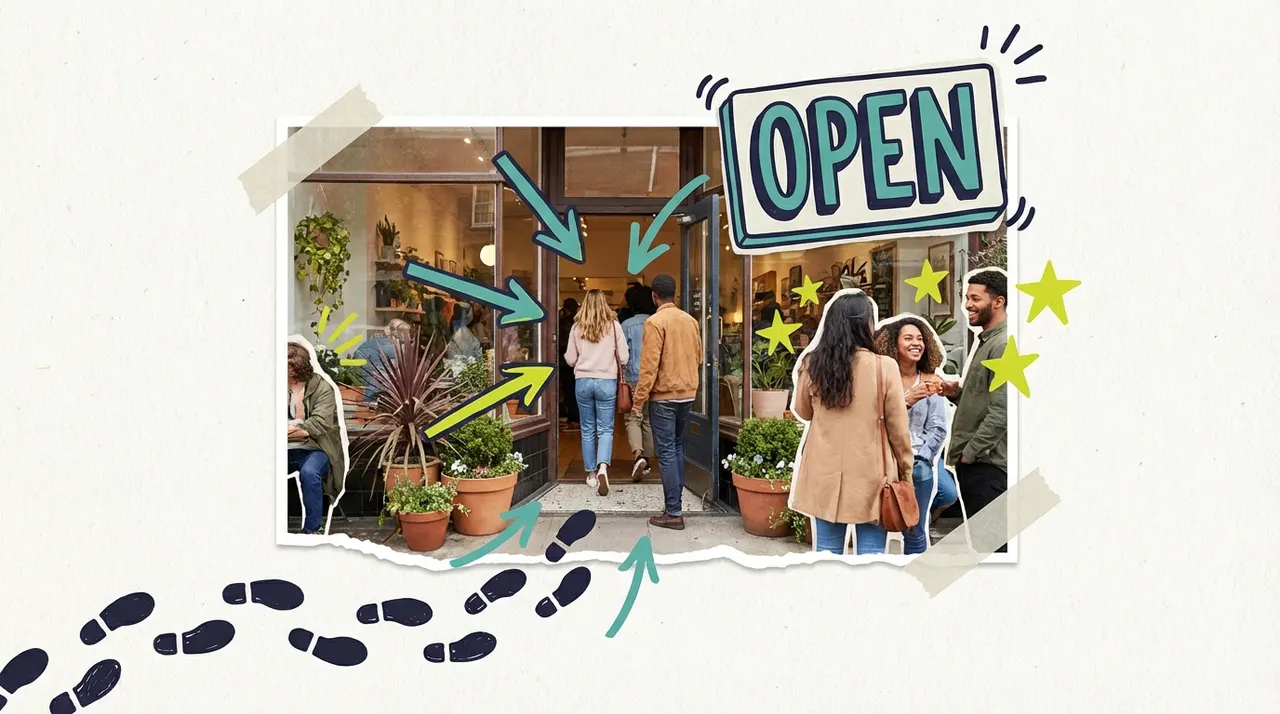
Proven strategies to get more customers walking through your doors, from visual merchandising to TV advertising.
If you run a retail store or restaurant, foot traffic isn't just nice to have—it's essential. Even in an age of online shopping and delivery apps, physical locations thrive when people walk through the door. But getting those customers to visit isn't always easy.
The good news? There are proven strategies to increase foot traffic to your store, and they don't all require a massive marketing budget. Some tactics focus on optimizing your physical presence. Others use digital marketing to drive people to your location. The best approach combines both.
In this guide, we'll cover practical, actionable strategies to get more customers walking through your doors. Whether you're in a high-traffic area that needs better conversion or a destination location that needs to draw people in, these tactics will help. Whether you're in a high-traffic area that needs better conversion or a destination location that needs to draw people in, these tactics will help.
Optimize Your Physical Presence
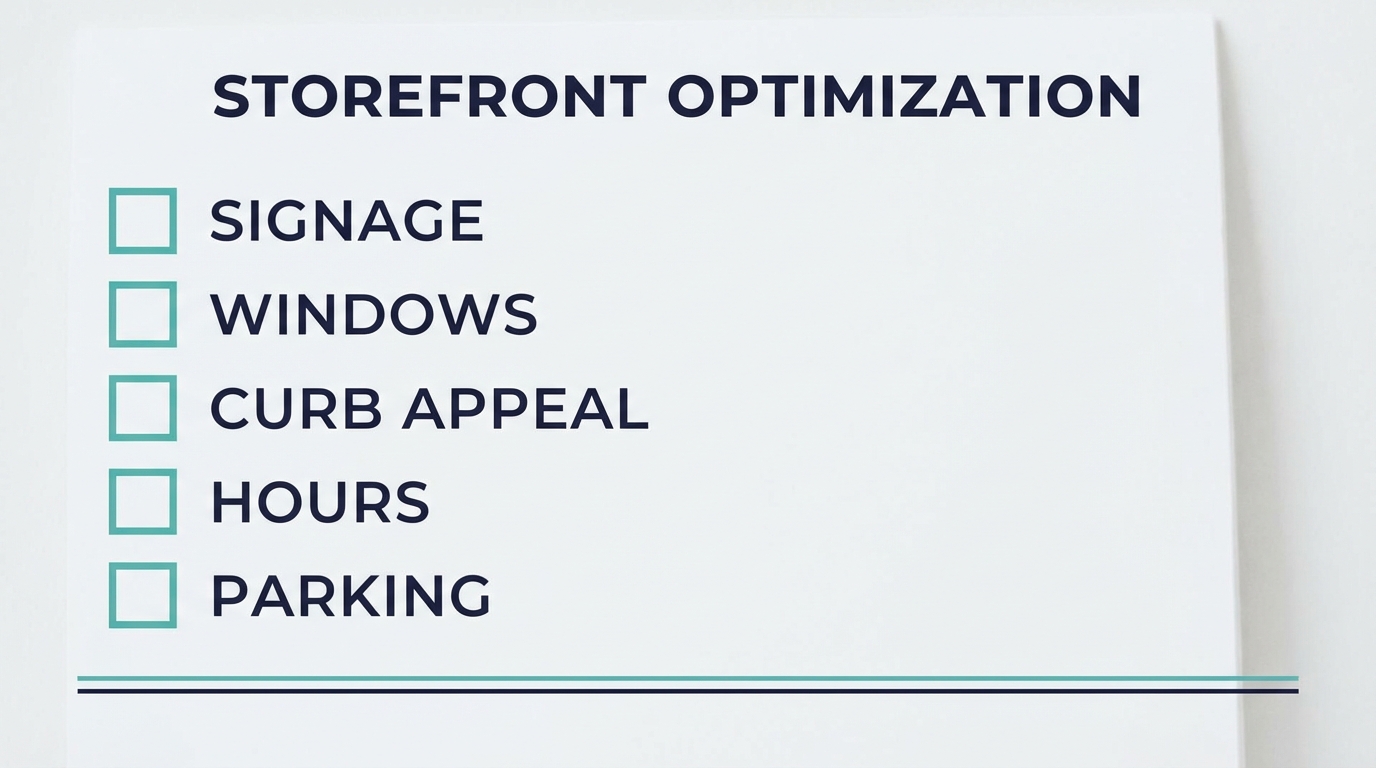
Before you spend money on advertising, make sure your storefront is doing its job. Your physical presence is your first and most important marketing tool. Here's how to optimize it:
Storefront and signage need to be visible and clear. Can people see your business name from across the street? Is your signage readable at a glance? If you're on a busy street, you have seconds to catch someone's attention.
Make sure your business name is prominent. Use contrasting colors that stand out. If you're open, make that clear with an "OPEN" sign or well-lit windows. Consider adding your hours, phone number, or a brief tagline that explains what you do.
Window displays are your chance to tell a story. A well-designed window display can stop foot traffic and draw people inside. Change displays regularly—weekly or bi-weekly—to give people a reason to look again.
Show your best products or most popular items. Create themes around seasons, holidays, or current promotions. Use lighting to make displays pop, especially if you're open in the evening.
Curb appeal matters even for retail stores. Keep sidewalks clean. Make sure your entrance is welcoming and well-lit. Add plants or outdoor seating if space allows. A clean, inviting exterior suggests a clean, inviting interior.
Hours of operation should match customer patterns. If you're closed when your target customers are available, you're missing opportunities. Track when you get the most foot traffic and adjust hours accordingly.
Consider staying open later on weekends or during peak shopping times. Some businesses see significant increases in foot traffic simply by extending hours during high-demand periods.
Parking and accessibility can make or break foot traffic. If parking is difficult, customers will go elsewhere. Make sure your parking situation is clear—signage helps if parking is behind the building or in a nearby lot.
Ensure your entrance is accessible. Clear pathways, ramps if needed, and wide doors make your business welcoming to everyone.
These physical optimizations cost little but can significantly impact foot traffic. They're the foundation everything else builds on.
Get Found Online (Drive Digital to Physical)
Most customers research businesses online before visiting. Your online presence directly impacts foot traffic. Here's how to optimize it:
Google Business Profile is essential for local businesses. When someone searches "coffee shop near me" or "best Italian restaurant downtown," your Google Business Profile appears in maps and search results. For more strategies on attracting local customers, see our guide on how to attract local customers to your business.
Complete every section of your profile. Add photos of your storefront, interior, products, and team. Post updates about promotions, events, or new products. Respond to reviews promptly and professionally.
Keep your information accurate: address, phone number, hours, website. Enable messaging so customers can contact you directly. Add attributes like "outdoor seating" or "wheelchair accessible" that help customers find what they're looking for.
"Near me" search optimization helps you appear when people search for businesses nearby. Include your neighborhood or area in your business description. Use location-specific keywords naturally.
Make sure your address is consistent across all platforms. Google, Yelp, Facebook, and your website should all have the exact same address format. Inconsistencies confuse search engines and customers.
Website with clear location info helps drive foot traffic. Your website should prominently display your address, hours, and a map. Make it easy for people to find you.
Include directions, parking information, and nearby landmarks. Photos of your location help people recognize it when they arrive. A "Visit Us" page with all location details removes friction.
Online inventory visibility can drive foot traffic for retail stores. If customers can see what you have in stock, they're more likely to visit. Use your website or social media to showcase products available in-store. For retail-specific strategies, see our TV advertising guide for retail stores.
Some businesses use "available in-store" badges on their website. Others post daily or weekly inventory updates on social media. The goal is letting customers know what they'll find when they visit.
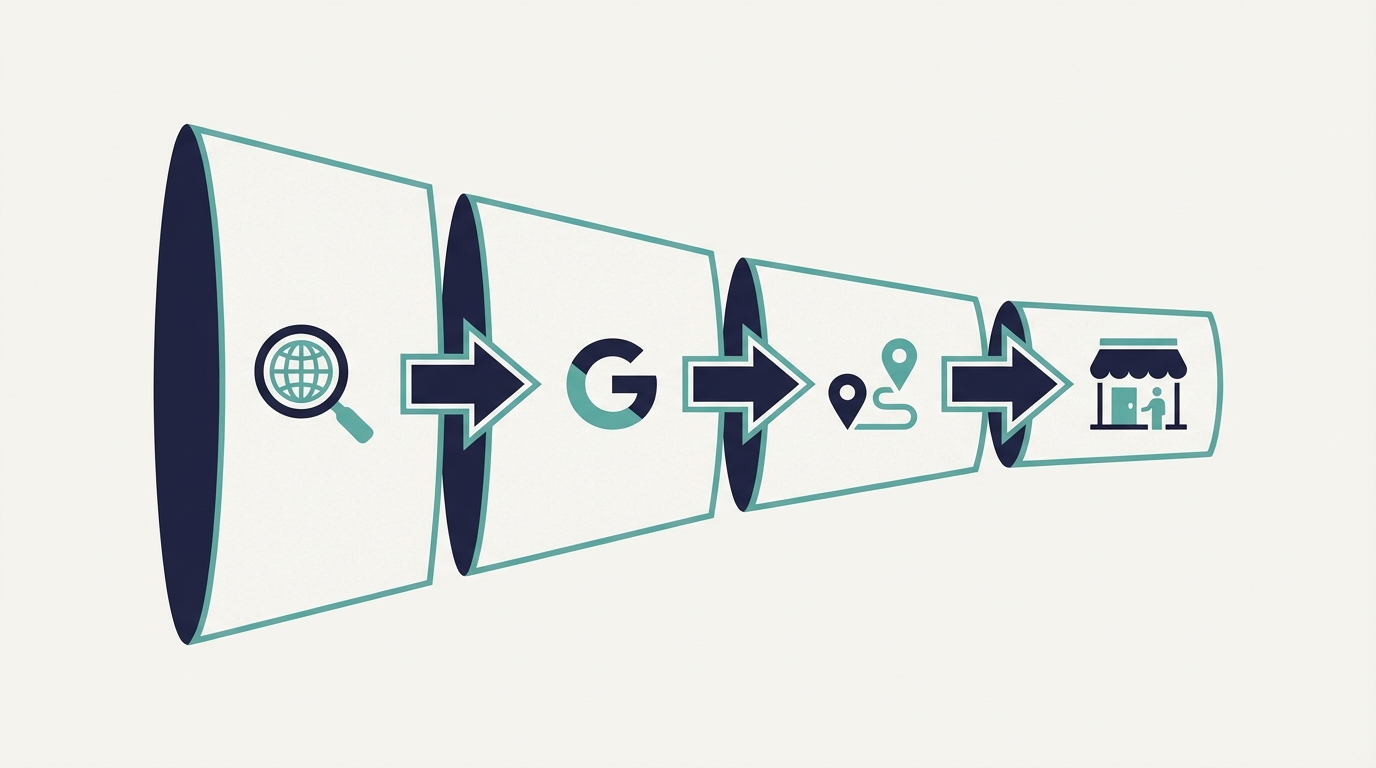
These digital optimizations help you capture demand that already exists. When people search for what you offer, you want to be the business they find and visit.
Create Reasons to Visit
Give people specific reasons to come to your store. Generic "visit us" messaging doesn't work as well as clear incentives:
In-store only promotions create urgency. "20% off when you shop in-store" or "Buy one, get one free—in-store only" gives people a reason to visit instead of shopping online.
These promotions work best when they're time-limited. A weekend sale or week-long promotion creates urgency. Promote them on social media, in email, and with window signage.
Events and experiences turn your store into a destination. Host workshops, tastings, meet-and-greets, or product launches. Events give people a reason to visit beyond shopping.
A bookstore might host author readings. A wine shop might host tastings. A craft store might offer classes. Events build community and drive foot traffic on specific dates.
Limited-time offers create FOMO (fear of missing out). "This weekend only" or "First 50 customers" messaging drives immediate visits. Combine with social media promotion for maximum impact.
Loyalty programs with in-store rewards incentivize repeat visits. Offer points or rewards that can only be redeemed in-store. This drives both first visits and repeat traffic.
Make sure your loyalty program is simple and rewarding. Complex programs confuse customers. Clear benefits—like "every 10th visit free" or "double points on Tuesdays"—work best.
These tactics give people concrete reasons to visit. They turn your store from "somewhere I might go" to "somewhere I need to go."
Build Local Awareness
Building awareness in your community drives foot traffic over time. When people know your business exists and what you offer, they're more likely to visit:
Community involvement positions your business as part of the neighborhood. Sponsor local sports teams, participate in community events, or support local causes. This builds goodwill and name recognition.
When people see your business supporting the community, they're more likely to support your business. Community involvement also generates word-of-mouth, which is powerful for local businesses.
Local partnerships can drive foot traffic from complementary businesses. Partner with nearby businesses for cross-promotion. A coffee shop might partner with a bookstore. A restaurant might partner with a theater.
Create joint promotions or refer customers to each other. These partnerships expand your reach without increasing your marketing budget.
Neighborhood marketing targets people who live or work nearby. Flyers in local mailboxes, partnerships with apartment buildings, or neighborhood newsletters can reach your immediate area.
For destination businesses, neighborhood marketing builds a local customer base that visits regularly. For businesses in high-traffic areas, it helps you stand out to people who pass by daily. For more on standing out in a crowded market, see our guide on how to make your local business stand out.
Word of mouth programs turn customers into advocates. Offer incentives for referrals. Create shareable moments—photo opportunities, unique experiences, or memorable service—that people want to tell others about.
Make it easy for customers to share. Social media hashtags, review requests, or referral cards all help. The best word-of-mouth comes from exceptional experiences, so focus on that first.
These awareness-building tactics take time but create lasting results. They position your business as a community fixture, not just another store.
Paid Advertising for Foot Traffic
While organic tactics are important, paid advertising can accelerate foot traffic growth. Here are the most effective paid channels for driving store visits:
Geotargeted social media ads let you show ads to people within a specific radius of your location. When someone is near your store, they see your ad. This is powerful for driving immediate visits.
Set your radius based on how far customers typically travel. For most retail stores, 3-5 miles works well. For restaurants, 1-3 miles might be more appropriate. Test different radii to find what works.
Google Local campaigns are designed specifically to drive foot traffic. They show ads across Google Search, Maps, and the Google Display Network to people likely to visit physical locations.
These campaigns use location signals and search behavior to target people who are likely to visit stores like yours. They're particularly effective for businesses with clear local search demand.
Local print and outdoor advertising can drive foot traffic, especially for events or grand openings. Local newspapers, community magazines, or flyers reach people in your area.
Billboards or bus stop ads work well if you're on a high-traffic route. The key is clear messaging and a strong call-to-action that drives immediate visits.
Streaming TV with local targeting reaches households throughout your service area. Unlike other channels that target people actively searching, TV builds awareness so people think of you when they need what you offer.
A streaming TV campaign can reach every household within 10 miles of your store. When those households need a coffee shop, restaurant, or retail store, your business is top-of-mind.
Platforms like Adwave make streaming TV accessible starting at $50. Your commercial runs on premium channels like NBC, Hulu, and ESPN, building credibility that drives foot traffic over time.
The key with paid advertising is starting with one channel, measuring results, and then expanding. Don't try every channel at once—master one, then add more as your budget allows.
Measure and Improve
You can't improve what you don't measure. Here's how to track foot traffic and use that data to improve:
Simple foot traffic tracking doesn't require expensive systems. Count customers at different times of day. Note which days are busiest. Track how weather, promotions, or events affect traffic.
Some businesses use simple door counters. Others track by sales transactions if most visitors purchase. The goal is understanding patterns so you can optimize.
Ask "how did you hear about us?" This simple question provides valuable data. Track responses to see which marketing channels drive the most foot traffic.
You might find that Google searches drive the most traffic, or that word-of-mouth is your biggest source. This data helps you allocate your marketing budget effectively.
Test and iterate based on what you learn. Try different window displays and see which drives more traffic. Test different promotions and measure results. Adjust your hours based on when you see the most customers.
Small changes can have big impacts. A new window display might increase foot traffic 10%. Extended hours on weekends might drive 20% more weekend visits. Keep testing and improving.
Combine tactics for maximum impact. Physical optimization plus digital marketing plus paid advertising works better than any single tactic alone. For more on local advertising budgets and strategies, see our guide on advertising your local business on a budget.
A well-optimized storefront captures walk-by traffic. Strong online presence captures search traffic. Paid advertising accelerates both. Together, they create a comprehensive foot traffic strategy.
Ready to Get Started?
Increasing foot traffic requires a combination of tactics. Start with physical optimization—it's free and foundational. Then build your online presence to capture search traffic. Finally, add paid advertising to accelerate growth.
If you want to reach every household near your store, Adwave puts your business on streaming TV with precise local targeting, starting at $50. Your commercial runs on premium channels, building awareness that drives foot traffic over time.
Whether you focus on storefront optimization, digital marketing, or paid advertising, the most important step is starting. Pick one tactic, implement it, measure results, and then add more. Consistent effort compounds into significant foot traffic growth.
Common questions answered
What's the fastest way to increase foot traffic to my store?
For immediate impact, consider promotions or events that create urgency. Limited-time offers, in-store events, and partnerships with complementary businesses can drive short-term traffic spikes. For sustained improvement, focus on local advertising that reaches your target customers, optimizing your Google Business Profile, maintaining strong online reviews, and ensuring your storefront signage and curb appeal invite people in.
How do I get people to visit my store instead of shopping online?
Emphasize what in-person shopping offers that online can't match: the ability to see, touch, and try products; immediate gratification without shipping wait; personalized service and expert advice; and the experience of discovery. Create reasons to visit through in-store exclusives, events, services like alterations or customization, and a welcoming atmosphere that makes shopping enjoyable.
Does advertising actually drive foot traffic?
Yes, when done strategically. Advertising builds awareness that translates into visits, especially when it includes compelling reasons to come in. Track the connection by asking new customers how they heard about you, watching traffic patterns during campaign periods, and using offer codes mentioned in ads. TV advertising is particularly effective for driving foot traffic because it reaches people during leisure time when they're planning activities.
How important is my store's online presence for driving foot traffic?
Extremely important. Most consumers research online before visiting stores, even for local shopping. Your Google Business Profile, website, and social media presence determine whether people find you and what impression you make. Poor online presence means losing customers to competitors before they ever consider visiting your store. Think of your online presence as your storefront's first impression.
What store improvements have the biggest impact on foot traffic?
Window displays and storefront appearance affect walk-by traffic significantly. Clear signage helps people find you. Online visibility ensures people searching for your products can discover you. But perhaps most important is delivering excellent experiences so customers return and refer others. One-time traffic tactics matter less than building a business people want to visit again and recommend.


