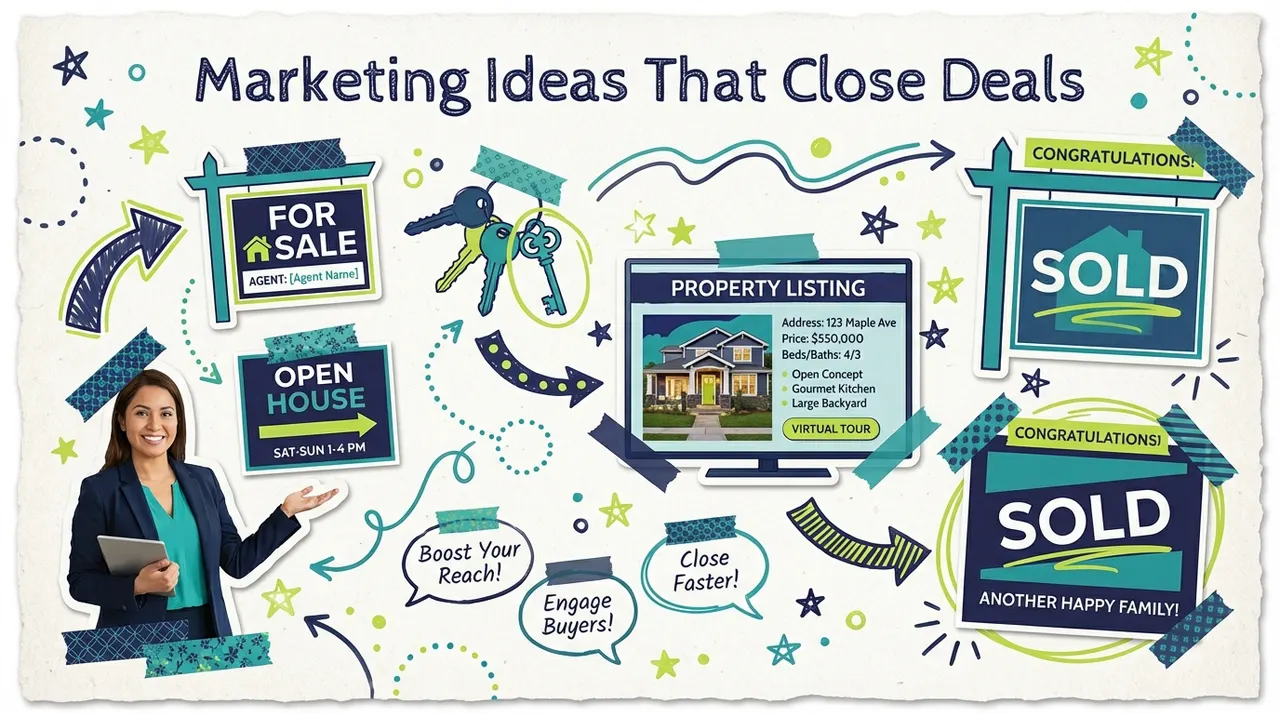
The real estate market in 2026 presents a unique landscape for agents and brokers. Interest rates have stabilized but remain elevated compared to the historic lows of years past. Buyer pools are more selective, yet quality properties still move quickly. Sellers have adjusted expectations while still seeking top-dollar results.
This environment rewards agents who market themselves and their listings strategically. The agents who thrive aren't necessarily those with the biggest budgets. They're the ones who understand which marketing channels deliver results and how to use them effectively.
This guide covers the marketing strategies that work for real estate professionals in 2026. From building your personal brand to promoting individual listings, these ideas will help you attract more clients and close more deals.
Building Your Personal Brand
In real estate, you are the product as much as the properties you represent. Clients choose agents based on trust, expertise, and connection. Your marketing must establish all three.
Establish Your Market Position
Define your specialty. Generalist agents compete with everyone. Specialists attract clients seeking specific expertise. You might focus on first-time buyers, luxury properties, investment properties, a specific neighborhood, or a particular property type. Whatever you choose, own it completely.
Develop a unique value proposition. What makes you different from other agents? Maybe you offer virtual tours for every listing. Perhaps you have construction experience that helps buyers evaluate properties. Your negotiation track record might set you apart. Identify what makes you valuable and make it central to your marketing.
Create consistent branding. Your headshot, colors, fonts, and messaging should remain consistent across all channels. This consistency builds recognition. When someone sees your yard sign, they should instantly connect it to your digital presence.
Build Your Online Presence
Optimize your Google Business Profile. Many clients search "real estate agent near me" before anything else. A complete Google Business Profile with reviews, photos, and accurate information captures these searches. Respond to reviews promptly and keep information current.
Develop your website strategically. Your website should do more than list your contact information. Include neighborhood guides, market reports, and content that demonstrates local expertise. Make sure it loads quickly on mobile devices since most real estate searches happen on phones.
Create valuable social content. Stop posting only listings. Share market insights, home maintenance tips, local event information, and behind-the-scenes glimpses of your work. Mix educational content with personal moments that reveal your personality. People hire agents they like.
Use Video Marketing
Produce regular video content. Video builds familiarity faster than any other medium. Short-form videos work well for social platforms, while longer content suits YouTube and your website. Cover topics your clients ask about: market updates, buying tips, selling preparation, neighborhood features.
Show properties through video. Static photos are table stakes. Video walkthroughs give buyers a true sense of properties. Narrate what makes each home special rather than simply showing rooms.
Get comfortable on camera. If you're not naturally comfortable with video, practice until you are. This skill will increasingly separate successful agents from the rest. Authenticity matters more than polish.
TV Advertising for Real Estate
Television advertising remains one of the most powerful tools for building agent recognition and promoting listings.
Why TV Works for Real Estate
Credibility through presence. TV advertising signals success and stability. An agent who appears on television seems established and trustworthy. This perception directly influences whether potential clients reach out.
Reach decision-makers at home. Real estate decisions involve households. TV reaches multiple decision-makers simultaneously during relaxed evening hours when families are together and receptive to messaging.
Local targeting matches your market. Streaming TV advertising targets specific ZIP codes. You can focus on the neighborhoods where you want to list and the communities where potential buyers live.
Premium impression quality. TV advertisements command full attention in ways digital ads cannot match. A 30-second commercial tells a story, shows your personality, and demonstrates expertise.
Getting Started With TV
Modern platforms make TV accessible. Adwave's AI creates professional commercials from your existing website content. You don't need a production budget or video expertise to get started.
Start with brand building. Initial advertising should focus on building your personal brand rather than specific listings. Establish recognition first, then promote properties to an audience that already knows you.
Target strategically. Focus on areas where you want to grow your business. Include both neighborhoods where you want listings and areas where likely buyers for those neighborhoods live.
Measure what matters. Track inquiries during advertising periods. Ask new clients how they found you. Monitor website traffic patterns. The connection between TV advertising and business growth becomes clear quickly.
See pricing or create your first ad to experience how simple TV advertising has become.
Digital Advertising Strategies
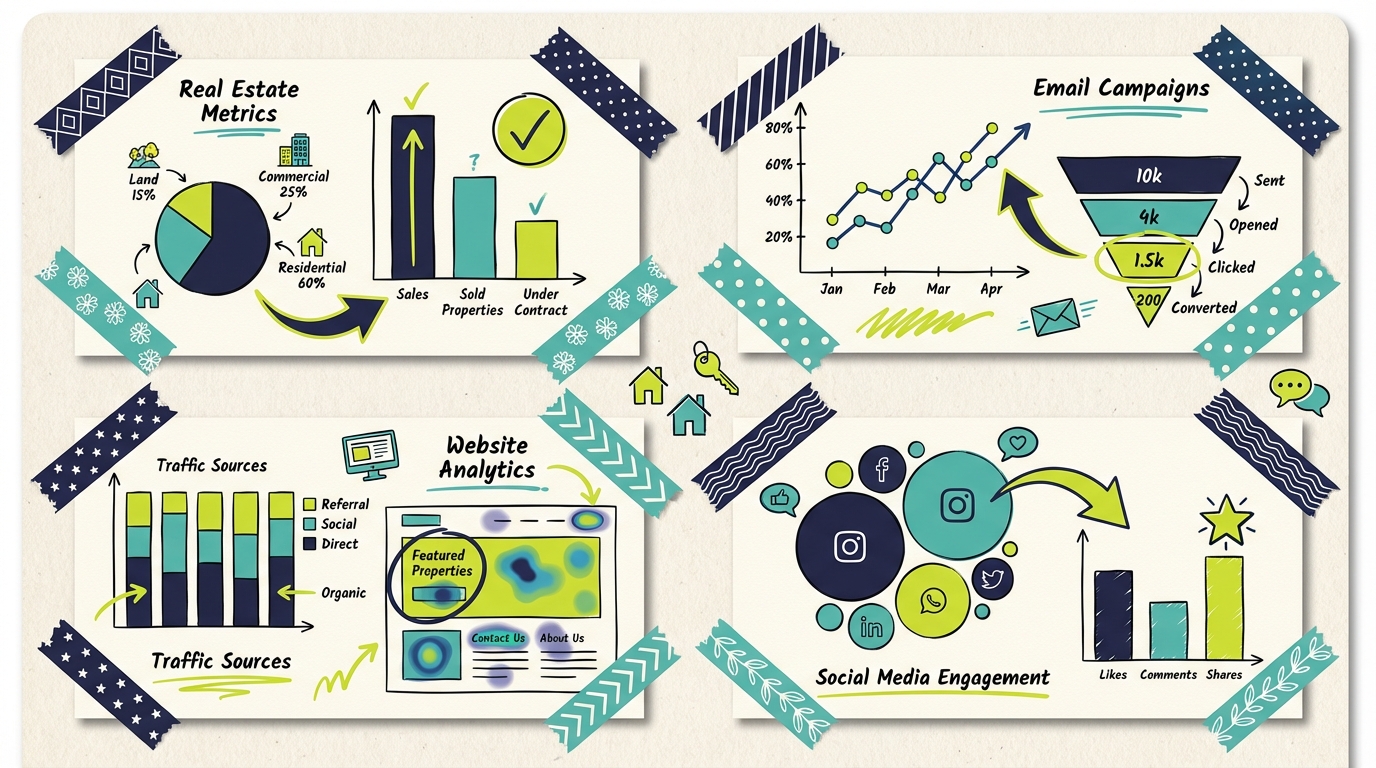
Digital advertising complements TV with precise targeting and measurable results.
Search Advertising
Capture active searches. When someone searches "homes for sale in [your area]" or "real estate agent [neighborhood]," you want to appear. Search advertising puts you in front of people actively looking for what you offer.
Target competitor terms carefully. Bidding on competitor names can be expensive and may irritate colleagues. Consider whether the potential benefits outweigh the costs and relationship implications.
Use negative keywords. Exclude searches that waste budget. Terms like "free," "cheap," or "jobs" rarely indicate serious buyers or sellers.
Social Media Advertising
Target by life events. Platforms allow targeting based on life changes: recently engaged, expecting a baby, newly married, recent job change. These events often trigger home purchases.
Retarget website visitors. People who visit your website but don't contact you are warm leads. Retargeting ads keep you visible as they continue their search.
Promote specific listings to likely buyers. When you have a family home, target families. When you have a starter home, target young professionals. Matching listings to likely buyers improves ad performance.
Display and Video Advertising
Maintain visibility across the web. Display advertising keeps your brand visible as prospects browse other websites. The goal is recognition rather than immediate conversion.
Use video ads for engagement. Short video ads on social platforms capture attention and communicate more than static images. Show your personality and properties in motion.
Content Marketing That Works
Content marketing establishes expertise and attracts clients organically over time.
Market Reports and Analysis
Produce regular market updates. Monthly or quarterly reports on your local market demonstrate expertise and provide shareable content. Include median prices, days on market, inventory levels, and your interpretation of trends.
Analyze neighborhood-specific data. Broad market reports are everywhere. Neighborhood-specific analysis shows local expertise that clients value. Compare communities, highlight trends, and offer genuine insights.
Make data accessible. Present statistics in ways non-experts understand. Use charts, comparisons, and plain language. Avoid jargon that distances you from potential clients.
Neighborhood Guides
Create detailed neighborhood content. Cover schools, restaurants, parks, commute times, and community character. This content ranks well in search and demonstrates the local knowledge buyers seek.
Include insider perspectives. What do residents love about living there? What should newcomers know? This personal touch distinguishes your guides from generic descriptions.
Update regularly. Neighborhoods change. New restaurants open. Schools adjust boundaries. Keep your guides current to maintain search rankings and credibility.
Educational Content
Address buyer questions. Create content answering questions buyers ask: How much home can I afford? What happens during closing? How do inspections work? This content attracts organic traffic and establishes expertise.
Help sellers prepare. Content about preparing homes for sale, pricing strategies, and what to expect during the selling process attracts potential listings.
Explain the process. Real estate transactions intimidate many people. Clear explanations of what to expect reduce anxiety and position you as a helpful guide.
Email Marketing for Real Estate

Email remains one of the highest-ROI marketing channels when done well.
Building Your List
Capture leads strategically. Offer valuable content in exchange for email addresses: market reports, neighborhood guides, home valuation tools. The exchange should feel worthwhile to subscribers.
Segment from the start. Buyers and sellers have different needs. Separate them from the beginning so you can send relevant content to each group.
Nurture past clients. Former clients represent referral opportunities and potential repeat business. Keep them on your list with appropriately spaced communications.
Email Content That Engages
Send market updates. Regular market insights keep you familiar and demonstrate ongoing expertise. Don't just share data; interpret what it means for your audience.
Feature new listings. Give your email list early access to new listings. This exclusive access rewards subscribers and creates urgency.
Share your content. When you publish blog posts, videos, or market reports, email them to your list. This drives engagement and extends content reach.
Personal touches matter. Holiday greetings, anniversary notes, and relevant local news add personal elements that strengthen relationships.
Automation That Works
Welcome sequences introduce you. New subscribers should receive a series of emails establishing who you are and how you help clients. Spread this over several days rather than overwhelming with information.
Drip campaigns nurture leads. Not everyone is ready to buy or sell immediately. Drip campaigns keep you visible during the consideration period that might last months.
Trigger-based emails respond to behavior. When someone views a listing multiple times, send additional information about that property. When someone reads your mortgage content repeatedly, they may need guidance.
Community Marketing
Real estate is local. Community involvement builds relationships that generate business.
Event Sponsorship and Participation
Sponsor local events. Community festivals, charity runs, school events, and local sports teams offer sponsorship opportunities that increase visibility and demonstrate community commitment.
Host your own events. Client appreciation events, homebuyer seminars, and neighborhood gatherings create opportunities to connect with potential clients and strengthen existing relationships.
Participate actively. Don't just write sponsorship checks. Show up at events you sponsor. Meet people. Build genuine connections rather than expecting name recognition alone to generate business.
Community Involvement
Join local organizations. Chamber of commerce, service clubs, neighborhood associations, and professional groups all offer networking opportunities and community visibility.
Volunteer meaningfully. Choose causes you care about. Authentic involvement creates deeper connections than transparent networking attempts.
Support local businesses. Recommend local businesses to clients. These relationships often generate reciprocal referrals and strengthen your community connections.
Networking That Works
Focus on relationships, not transactions. The goal isn't immediate referrals but long-term relationships that generate ongoing business. This mindset leads to more authentic connections.
Stay in touch. Networking events are starting points, not endpoints. Follow up, stay connected, and nurture relationships over time.
Give before asking. Offer help, referrals, and value to your network before expecting anything in return. This generosity builds trust and goodwill.
Listing Marketing Strategies
When you have a property to sell, targeted marketing finds the right buyers.
Pre-Listing Preparation
Professional photography is mandatory. Quality photos are the minimum expectation. Invest in professional photography for every listing. The cost is minimal compared to faster sales and better prices.
Add video and virtual tours. Video walkthroughs and 3D virtual tours let buyers experience properties before visiting. This pre-qualification saves time for everyone and generates more serious showings.
Stage to sell. Proper staging helps buyers envision themselves in the space. Whether using a professional stager or providing guidance to sellers, ensure properties show their best.
Multi-Channel Listing Promotion
MLS syndication reaches agents. Ensure listings appear correctly across all major portals. Verify photos, descriptions, and pricing display properly everywhere.
Social media promotion expands reach. Post listings across platforms with compelling images and descriptions. Encourage sharing among your followers.
Targeted digital advertising finds buyers. Use demographic and geographic targeting to put listings in front of likely buyers. A downtown condo appeals to different audiences than a suburban family home.
TV advertising for premium listings. Higher-value listings justify TV advertising investment. Streaming TV can target specific buyer demographics and geographic areas effectively.
Open House Optimization
Promote extensively. Don't rely on yard signs alone. Advertise open houses across social media, email, and local advertising channels.
Create experiences. Beyond clean staging and information sheets, consider what makes your open houses memorable. Refreshments, local business partnerships, and neighborhood information packets add value.
Capture leads systematically. Every open house visitor is a potential client, whether or not they buy this particular property. Collect contact information and permission to follow up.
Referral Marketing
Referrals remain the highest-quality leads in real estate. Intentional systems generate more of them.
Building Referral Systems
Ask at the right moments. Closing day, positive review conversations, and client anniversaries are natural times to ask for referrals. Make asking a systematic part of your process.
Make referring easy. Provide clients with simple ways to refer you. Business cards, website links, and social profiles they can share reduce friction.
Recognize referral sources. Thank clients who send referrals, regardless of whether those referrals become transactions. Consider gifts, handwritten notes, or other recognition that shows appreciation.
Client Experience Drives Referrals
Exceed expectations throughout. Referrals come from memorable experiences. Look for opportunities to exceed expectations at every stage of the transaction.
Stay in touch after closing. Don't disappear after transactions close. Anniversary check-ins, holiday cards, and market updates keep you familiar when friends ask for agent recommendations.
Solve problems gracefully. How you handle challenges often determines referral likelihood more than smooth transactions. Clients remember how you responded when things went wrong.
Measuring Marketing Success
Track what matters to improve results over time.
Key Metrics to Monitor
Lead source tracking. Know where your clients come from. Ask every inquiry about their source and record it consistently. This data guides resource allocation.
Cost per lead by channel. Compare what you spend on each marketing channel against the leads it generates. Some channels cost more but deliver better quality leads.
Conversion rates by source. Leads from different sources convert at different rates. TV and referral leads often convert better than internet leads, even if the latter are cheaper to acquire.
Time to close by lead source. Some marketing channels generate clients who are further along in their decision process. Understanding this helps set expectations and allocate effort.
Adjusting Based on Data
Double down on what works. When a channel delivers strong results, consider increasing investment rather than spreading resources thin.
Test before abandoning. Poor results from one campaign don't mean the entire channel fails. Test different approaches before concluding a channel doesn't work for you.
Consider full customer value. Some clients generate referrals, repeat business, and long-term value beyond single transactions. Factor this into ROI calculations.
Common Questions Answered
What's the most effective marketing for real estate agents? The most effective marketing combines brand building with targeted lead generation. TV and social media advertising build recognition, while search advertising and content marketing capture active buyers and sellers. Referral systems remain the highest-quality lead source for most agents. Success comes from consistent execution across multiple channels rather than any single tactic.
How much should real estate agents spend on marketing? Industry benchmarks suggest allocating 10-15% of gross commission income to marketing. New agents or those building market share may invest more heavily. The key is tracking results and adjusting spending toward channels that deliver returns.
How do real estate agents build their personal brand? Personal branding starts with identifying what makes you unique and valuable to clients. Consistent visual identity, regular content creation, community involvement, and strategic advertising build recognition over time. The most successful agents become known for something specific rather than trying to appeal to everyone.
Does TV advertising work for real estate agents? Yes, TV advertising effectively builds recognition and credibility that influences client decisions. Streaming TV advertising makes targeting specific neighborhoods and demographics affordable for individual agents. The agents who use TV consistently report that clients frequently mention seeing their commercials.
What social media platforms work best for real estate? Instagram and Facebook remain most effective for residential real estate, with LinkedIn valuable for commercial and investment properties. Video content performs well across platforms. The best platform is whichever one you'll use consistently and where your target clients spend time.
The Bottom Line
Marketing in 2026 requires multiple channels working together. TV advertising builds recognition and credibility. Digital advertising captures active searchers. Content marketing demonstrates expertise. Community involvement builds relationships. Referral systems use satisfied clients.
The agents who succeed don't master one channel while ignoring others. They build integrated marketing systems that create visibility, establish trust, and generate consistent leads. Start with the fundamentals, measure results, and expand what works.
Your marketing should tell a consistent story about who you are and why clients should choose you. When someone encounters your brand on television, sees you at a community event, finds your content online, and hears your name from a friend, that consistency builds the confidence that leads to hiring you.
Ready to add TV advertising to your marketing mix? Create your first TV ad and start building recognition with local audiences, starting at just $50.