


February 14, 2026
How to Stand Out as a New Business and Get Noticed in Your Local Area
Table of Contents
Opening a new business is exhilarating and terrifying in equal measure. You've invested everything into creating something valuable, but now comes the harder part: getting people to notice you exist.
Established competitors have years of brand recognition, loyal customers, and word-of-mouth networks built up over time. You're starting from zero. Every customer you acquire must be convinced to try something new instead of sticking with what they know.
The good news is that new businesses have advantages too. You can move faster, try bolder approaches, and create the kind of memorable first impressions that established businesses often struggle to replicate. This guide covers proven strategies for getting noticed in your local market, building initial momentum, and establishing yourself as a legitimate player in your industry.
Understanding the New Business Challenge
Before diving into tactics, understand what you're actually competing against.
The Awareness Gap
People can't buy from you if they don't know you exist. This seems obvious, but new business owners consistently underestimate how long it takes to build basic awareness. Your potential customers pass by your location without seeing it, search online without finding you, and ask friends for recommendations that don't include your name.
Closing this awareness gap requires consistent effort across multiple channels. No single tactic solves it. Building recognition takes time, but you can accelerate the process with the right approach.
The Trust Deficit
Even when people learn about you, they face uncertainty. Will this new business deliver what they promise? Will they still be around in six months? Is it worth trying something new when the familiar option is good enough?
Established businesses have overcome these questions through years of consistent performance. You need to build trust faster, using every available signal of legitimacy and reliability.
The Budget Reality
New businesses rarely have substantial marketing budgets. You need strategies that maximize impact per dollar spent, build on each other over time, and generate returns quickly enough to fund continued growth.
This constraint isn't entirely negative. Limited budgets force focus and creativity that larger competitors often lack.
Building Your Digital Foundation
Before spending on advertising, ensure your online presence converts the attention you'll attract.
Website Essentials
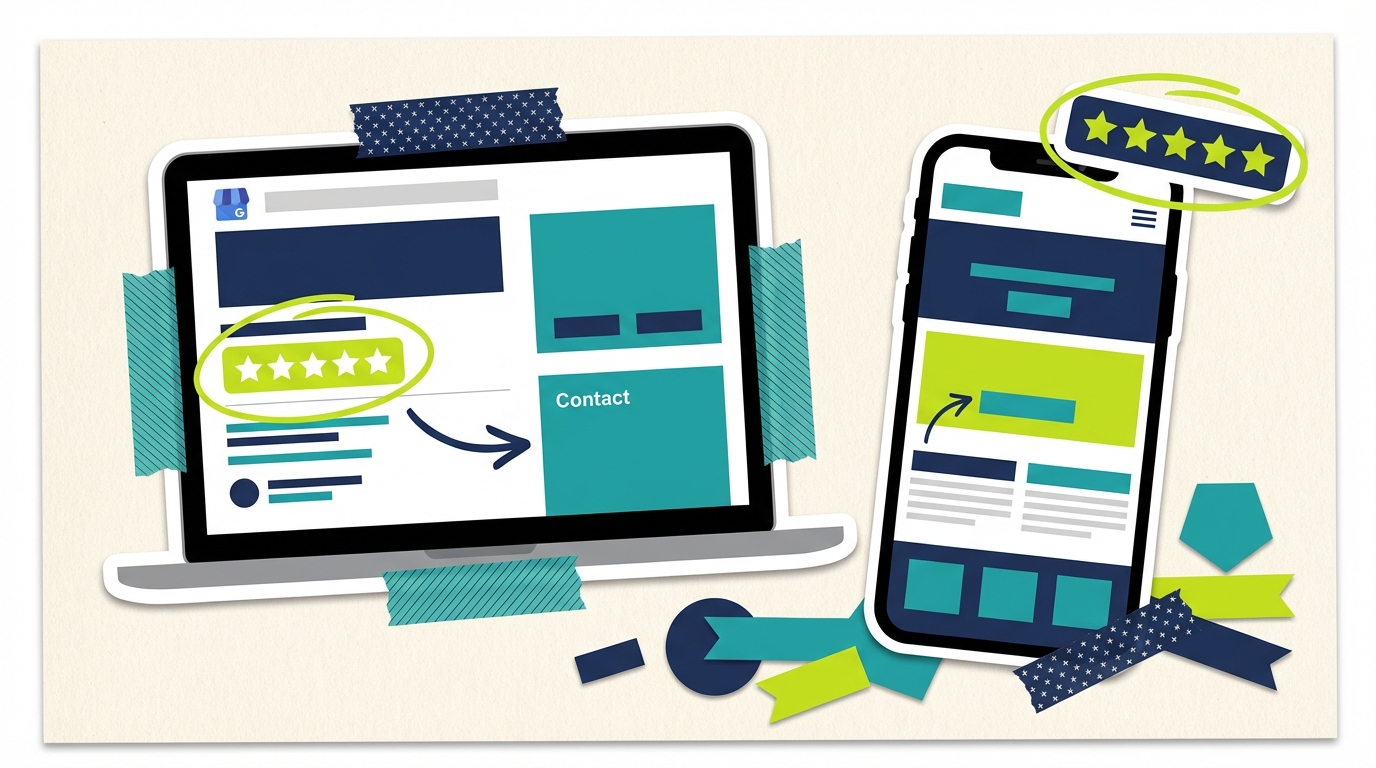
Your website is your digital storefront. It's often the first impression potential customers have of your business. A professional, functional website signals that you're legitimate and trustworthy.
Mobile optimization is mandatory. Most local searches happen on phones. If your site doesn't work well on mobile, you're losing customers before they even consider you.
Clear value proposition. Within seconds, visitors should understand what you do, who you serve, and why they should choose you. Don't make them hunt for basic information.
Easy contact methods. Phone number, address, hours, and contact form should be immediately visible. Friction in contacting you costs customers.
Google Business Profile
Your Google Business Profile often appears before your website in local searches. Optimize it thoroughly.
Claim and verify immediately. An unclaimed profile looks unprofessional and leaves you vulnerable to inaccurate information.
Complete every field. Hours, services, attributes, description, and categories all matter. Google rewards completeness with better visibility.
Add photos regularly. Show your location, products, team, and work. Visual content helps customers imagine visiting your business.
Post updates weekly. Google Business posts keep your profile fresh and give you another channel to communicate with potential customers.
Review Strategy From Day One
Reviews matter enormously for new businesses. They provide social proof that you deliver on your promises.
Ask every satisfied customer. Don't wait for reviews to happen organically. Directly ask happy customers to share their experience online.
Make it easy. Provide direct links to your Google review page. QR codes at your location work well. The fewer steps required, the more reviews you'll receive.
Respond to every review. Thank positive reviewers personally. Address any concerns professionally. Responsiveness shows you care about customer experience.
Don't fake it. Fake reviews are obvious and damaging when discovered. Build genuine reviews even if it takes longer.
Local SEO for New Businesses

When someone searches for what you offer in your area, you want to appear in results.
Local Keyword Optimization
Include location in your content. "Plumber in [city]" and "[neighborhood] coffee shop" are the searches you want to capture. Include your location naturally throughout your website content.
Create location-specific pages. If you serve multiple areas, create pages optimized for each. This signals relevance to searches from those locations.
Use consistent NAP. Your name, address, and phone number should be identical everywhere online. Inconsistencies hurt local rankings and confuse customers.
Directory Listings
Claim your profiles everywhere. Yelp, industry directories, local business associations, and niche platforms all contribute to your online presence.
Maintain consistency. Same business name, same address format, same phone number across all listings.
Keep information current. Outdated hours or closed locations in directories frustrate customers and hurt credibility.
Content That Attracts Local Customers
Answer local questions. What do people in your area want to know about your industry? Create content that addresses these questions.
Cover local events and topics. Connecting your business to local happenings signals community involvement and attracts local search traffic.
Showcase local work. If applicable, feature projects completed in your area. This demonstrates local experience and attracts similar customers.
Advertising Strategies for New Businesses
Organic strategies build slowly. Advertising accelerates awareness when you need faster results.
Social Media Advertising
Facebook and Instagram reach local audiences effectively. Demographic and geographic targeting lets you reach potential customers in your specific service area.
Start small and learn. Test different messages, images, and audiences with modest budgets. Scale what works.
Retargeting captures interested prospects. Show ads to people who visited your website but didn't convert. Stay visible as they consider options.
Google Ads
Search ads capture active intent. When someone searches for what you offer, appearing at the top delivers immediate visibility to high-intent prospects.
Focus on your service area. Don't pay for clicks from people outside your realistic market. Geographic targeting ensures relevant reach.
Local Service Ads add credibility. For eligible businesses, Google's verified badge adds trust signals that help new businesses compete.
Television Advertising
TV advertising builds credibility that digital advertising struggles to match. For new businesses, this credibility can help overcome the trust deficit you face.
Streaming TV makes television accessible. Connected TV advertising eliminates the massive budgets traditional TV once required. Campaigns start at just $50 with Adwave.
Geographic precision matches your market. Target specific ZIP codes and neighborhoods without wasting budget on areas you don't serve.
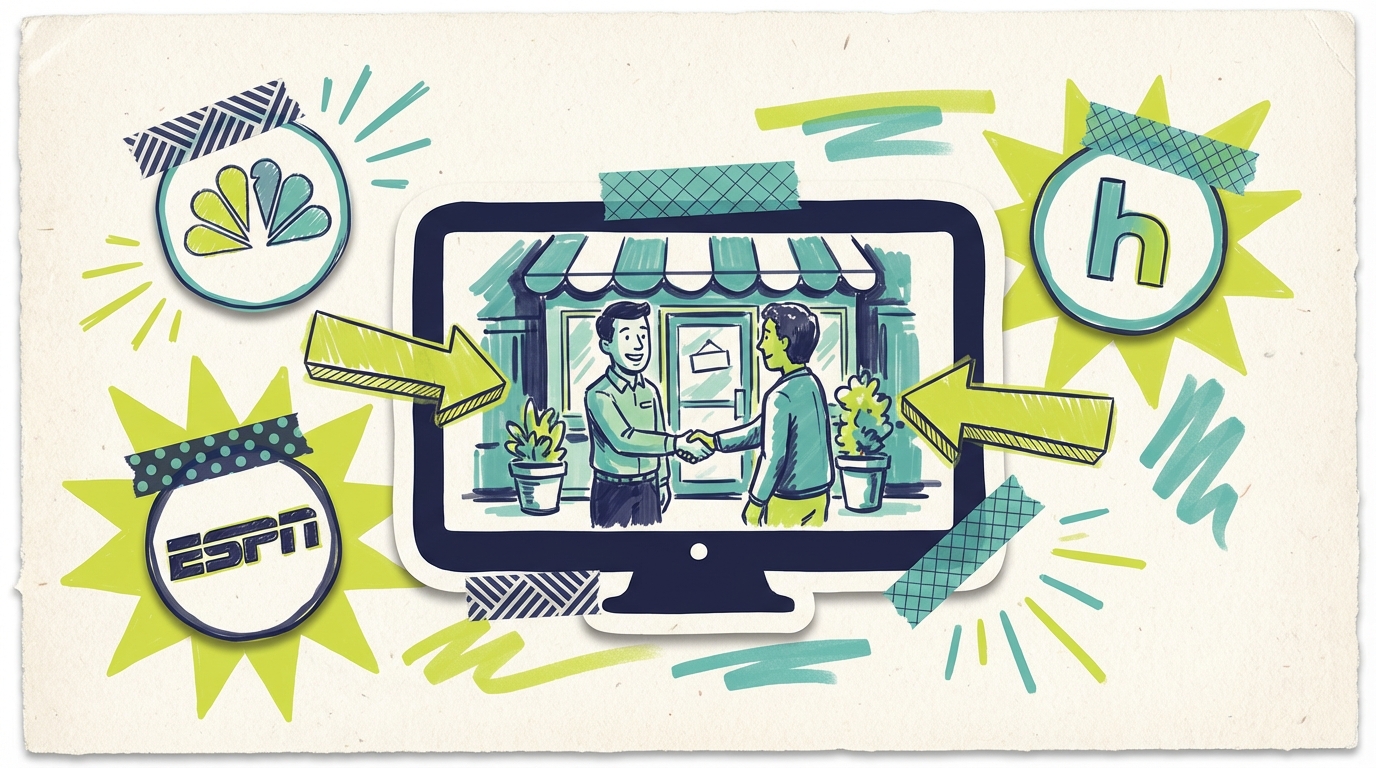
Premium positioning elevates perception. Appearing on networks like NBC, ESPN, and Hulu positions your new business alongside established brands, signaling legitimacy and stability.
Adwave's platform generates professional commercials from your website and photos, eliminating traditional production costs and timelines.
Community Engagement Strategies
Local businesses thrive on community connection. Active involvement builds awareness and trust simultaneously.
Networking and Partnerships
Join local business organizations. Chamber of commerce, industry associations, and business networking groups provide connections and visibility.
Partner with complementary businesses. Cross-promotion with non-competing businesses that serve similar customers expands your reach without competition.
Attend community events. Be visible where your potential customers gather. Genuine participation builds recognition and relationships.
Sponsorships and Involvement
Support local causes. Youth sports teams, charity events, school programs, and community organizations offer sponsorship opportunities that build goodwill.
Choose relevant opportunities. Sponsorships aligned with your business or customer base resonate more strongly than random associations.
Maximize visibility. Ensure sponsorships include meaningful exposure. Logo placement, booth presence, or speaking opportunities increase value.
Grand Opening and Launch Events
Make your opening memorable. Special promotions, events, or experiences give people a reason to visit and talk about your new business.
Invite local media. Local news outlets often cover new business openings, especially with interesting angles or community connections.
Create shareable moments. Photo opportunities, unique experiences, or surprising elements encourage customers to spread the word on social media.
Building Word of Mouth
The most powerful marketing comes from satisfied customers telling others. You can't force word of mouth, but you can encourage it.
Delivering Remarkable Experiences
Exceed expectations. Satisfactory experiences don't generate conversation. Remarkable ones do. Find ways to surprise and delight customers.
Personal touches matter. Remembering names, following up after purchases, and genuine care create the emotional connections that drive referrals.
Solve problems gracefully. How you handle issues often matters more than preventing them entirely. Exceptional problem resolution creates loyal advocates.
Encouraging Referrals
Ask directly. Many satisfied customers would refer others but don't think to do so. A simple ask significantly increases referral volume.
Make referring easy. Provide referral cards, shareable links, or simple instructions. Remove friction from the referral process.
Thank referrers. Acknowledgment encourages future referrals. Personal thanks carry more weight than automated responses.
Leveraging Social Proof
Share customer success stories. With permission, feature happy customers and their experiences. Real stories resonate more than generic testimonials.
Display reviews prominently. Showcase positive reviews on your website, in your location, and in your marketing materials.
Highlight milestones. First 100 customers, one-year anniversary, awards received. Milestones signal momentum and staying power.
Managing Limited Budgets Effectively
New businesses must maximize every marketing dollar. Strategic allocation matters.
Prioritize Foundation First
Get basics right before advertising. A great ad driving traffic to a poor website wastes money. Ensure your online presence converts before scaling traffic.
Start small and test. Don't commit large budgets to unproven approaches. Test multiple channels with small amounts, then scale what works.
Focus Over Breadth
Dominate one channel before expanding. Doing one thing well beats doing many things poorly. Build competence and results in one area before spreading thin.
Geographic focus matters. Intense presence in a small area beats weak presence in a large one. Concentrate where you can achieve meaningful frequency.
Track and Optimize
Measure what matters. Track inquiries, sales, and customer acquisition costs. Understand which efforts generate returns.
Cut what doesn't work. New businesses can't afford to keep funding ineffective marketing. Be willing to stop approaches that don't produce results.
Reinvest returns. Successful marketing should fund expanded marketing. Channel profits back into growth.
Common Questions Answered
How long does it take for a new business to get noticed? Building meaningful awareness typically takes 6-12 months of consistent effort. Some tactics generate immediate results while others compound over time. Expect gradual improvement rather than overnight success, but know that strategic effort accelerates the timeline.
What's the best marketing for a new local business? The most effective approach combines a strong digital foundation (website, Google Business Profile, reviews) with targeted advertising and community involvement. For faster results, TV advertising builds credibility while digital captures active searchers. The optimal mix depends on your specific business and market.
How much should a new business spend on marketing? Industry guidance suggests 12-20% of projected revenue for new businesses, higher than the 5-10% typical for established businesses. The extra investment funds the awareness-building that established competitors have already completed. Start with what you can sustain, then scale as you see returns.
Can new businesses compete with established competitors? Yes, but differently. You won't outspend established competitors, but you can outmaneuver them. New businesses can be more responsive, more personal, and more willing to try unconventional approaches. Focus on niches, experiences, or values that larger competitors can't easily replicate.
What's the biggest mistake new businesses make with marketing? Waiting too long to start and expecting instant results. Marketing momentum builds over time. Starting early, even with modest efforts, compounds into significant advantages. Patience with strategy combined with urgency in execution produces the best results.
The Bottom Line
Standing out as a new business requires consistent effort across multiple fronts. No single tactic solves the awareness and trust challenges you face. Success comes from building a solid digital foundation, pursuing strategic advertising, engaging with your community, and delivering experiences worth talking about.
The businesses that break through aren't necessarily those with the biggest budgets. They're the ones that combine strategic thinking with persistent execution, learn from what works and what doesn't, and build momentum over time.
Television advertising deserves particular consideration for new businesses. The credibility boost from appearing on premium networks helps overcome the trust deficit new businesses face. Streaming TV makes this accessible at budgets that work for businesses just starting out.
Your first year is about building the foundation for lasting success. Every customer acquired, every review earned, and every impression made contributes to the recognition and reputation that will sustain your business for years to come.
Ready to accelerate your new business visibility? Create your first TV ad in minutes and start building credibility on premium streaming channels, starting at just $50.