
Think customer appreciation only works when you can afford gift boxes, catered events, or expensive swag? That's the gap in most advice. Small businesses don't usually lose customers because they failed to spend big. They lose them because they failed to make people feel seen.
A $50 budget is enough to create that feeling, if you use it well. A handwritten note after a service call, a surprise sample tucked into an order, early access to a sale, or a short thank-you video can stick far longer than a generic giveaway. The point isn't the price tag. It's relevance, timing, and proof that a real person on your team noticed the customer.
That's also why many of the best customer appreciation ideas that cost under $50 aren't really about “gifts” at all. Some are about access. Some are about recognition. Some are about making the customer part of your brand story. Even affordable media can play a role here. Adwave, for example, gives small businesses a way to turn appreciation into visibility through broadcast-ready TV campaigns starting at $50, which opens up a very different kind of thank-you than most owners consider.
If you want a physical gift option, Online Gifts Canada budget selections can help with curated choices. But the strongest ideas below don't depend on buying a basket and hoping for the best.
Here are 15 practical customer appreciation ideas that cost under $50, with real implementation advice, timing guidance, and trade-offs that matter when you're running a small business.
1. Personalized Thank You Cards or Notes
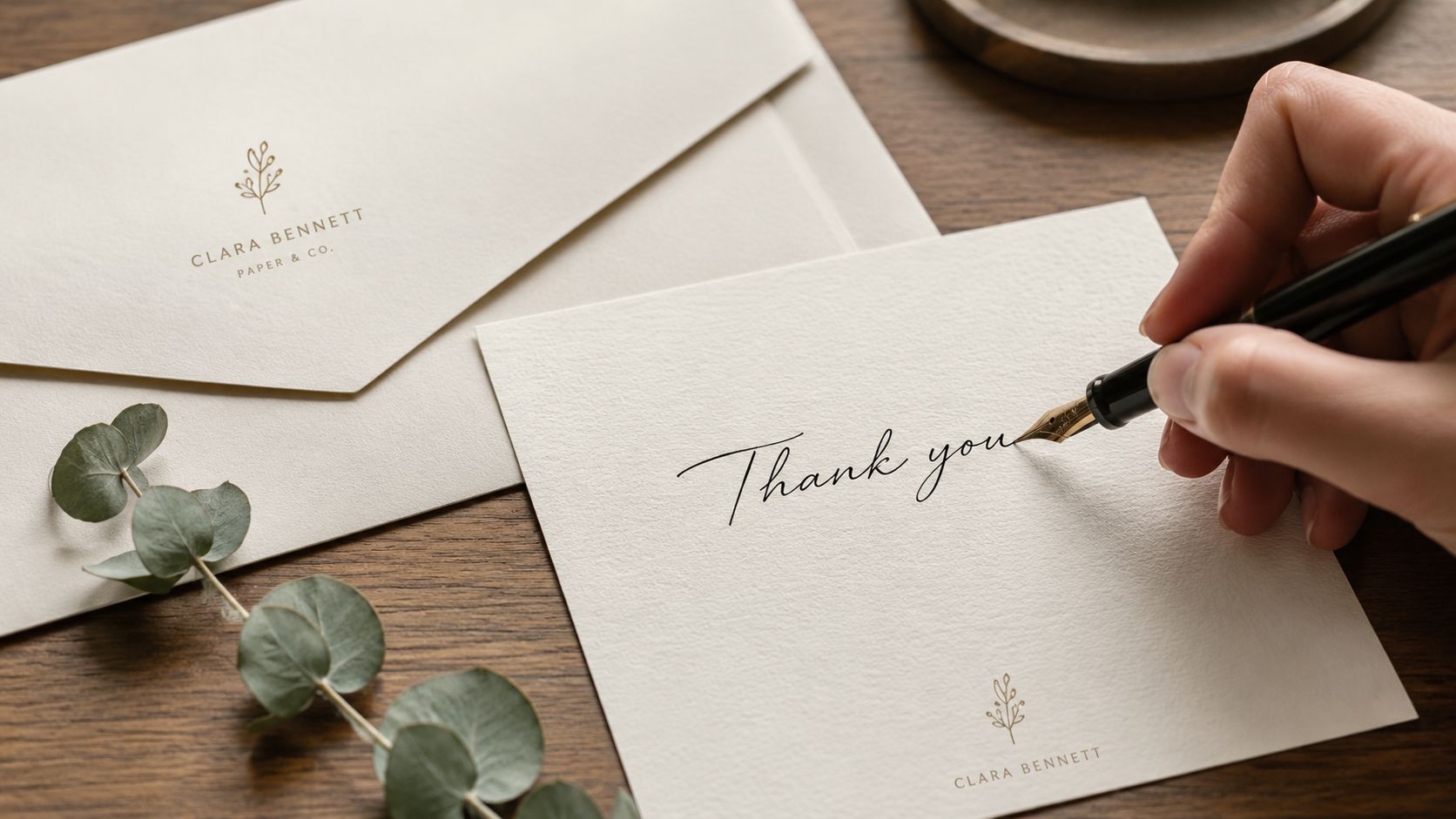
What is the fastest way to make a customer feel remembered without spending much? Send a short thank-you note that proves you know who they are and what they bought.
I have seen this work best after service jobs, higher-ticket purchases, first orders, and milestone purchases. It is inexpensive, personal, and hard to fake well at scale. That last part is the advantage. Customers can tell the difference between a real note and a template with a name dropped in.
Cost breakdown
For a small batch, the math is straightforward:
Basic card and envelope: often under $1 each in small packs
Postage: one stamp per note
Upgrade option: thicker card stock or branded envelopes if your average order value supports it
A batch of 10 to 20 notes usually stays well under $50, depending on your materials and postage. If your business sells lower-margin items, plain cards are enough. If you work in real estate, legal services, design, or premium home services, better paper and a clean branded envelope can justify the extra cost.
How to make it work
Send it within seven days of the purchase, delivery, or appointment. Past that point, the note starts to feel like admin catching up instead of appreciation.
Keep the message short and specific:
Name the customer
Reference the exact product, service, or occasion
Add one genuine line of appreciation
Close with a light next step, if it makes sense
Use this template:
“Hi [First Name], thank you for choosing us for [specific service or product]. We appreciate the chance to help with [specific detail]. I hope everything is working well on your end, and we'd love to see you again when you need [relevant next service or product].”
The specific detail carries the note. “Thanks for your order” is forgettable. “Thanks for trusting us with your roof inspection before closing” feels real.
Practical rule: If the note could go to any customer with only the name changed, rewrite it.
Best timing by business type
Timing matters as much as wording:
Retail or e-commerce: send after first purchase, large order, or fifth order
Service businesses: send after a completed job or a positive in-person interaction
Professional services: send after onboarding, project completion, or a referral
Restaurants or hospitality: reserve notes for regulars, private events, or VIPs
Do not try to mail one to every customer if your volume is high. Pick moments that deserve a human touch. That keeps the process affordable and stops it from becoming busywork.
Personalization examples
A real estate agent could write, “Thanks for trusting us with your home purchase on Maple Street.”
A restaurant owner could write, “We appreciate how often you bring your family in on Fridays.”
A salon owner could write, “Thanks for booking your color service with us again. We appreciate your trust and consistency.”
Each one does the same job. It shows attention.
Trade-offs to consider
A handwritten note takes time. If your team is small, that is the primary cost, not the stationery. Set a weekly cap, use a simple template, and assign one person to handle it consistently.
Skip the coupon insert unless it supports your margin and fits the relationship. In many cases, a clean thank-you note performs better than a note that immediately tries to sell again.
2. Exclusive Discount Codes for Loyal Customers
Discounts are easy to overuse. If every customer gets one all the time, it stops feeling like appreciation and starts feeling like your normal pricing.
Used correctly, though, an exclusive code is one of the cleanest customer appreciation ideas that cost under $50 because digital delivery costs almost nothing. What matters is who gets it and why.
Where this works best
This is strong for e-commerce stores, salons, HVAC service plans, boutique retail, and any business with repeat purchase behavior. Keep the audience narrow. Send it to repeat buyers, newsletter subscribers, or customers celebrating a milestone with your business.
A few formats work well:
Birthday offer: “Happy birthday, enjoy a thank-you discount this month.”
VIP return offer: “You've supported us before, so this one is just for past customers.”
Lapsed customer reactivation: “We haven't seen you in a while, and we'd love to have you back.”
Set an expiration date so the offer doesn't drift into irrelevance. A short redemption window creates action, but don't make it so short that busy customers miss it.
The trade-off is margin. If your margins are thin, skip broad discounts and limit the offer to a category, service add-on, or slower-moving item. The best appreciation offers feel exclusive without training customers to wait for sales.
A local auto shop, for example, might offer loyal customers a service discount on a weekday slot they'd like to fill. That keeps the gesture affordable and ties it to actual operational needs.
3. Free Samples or Trial Products
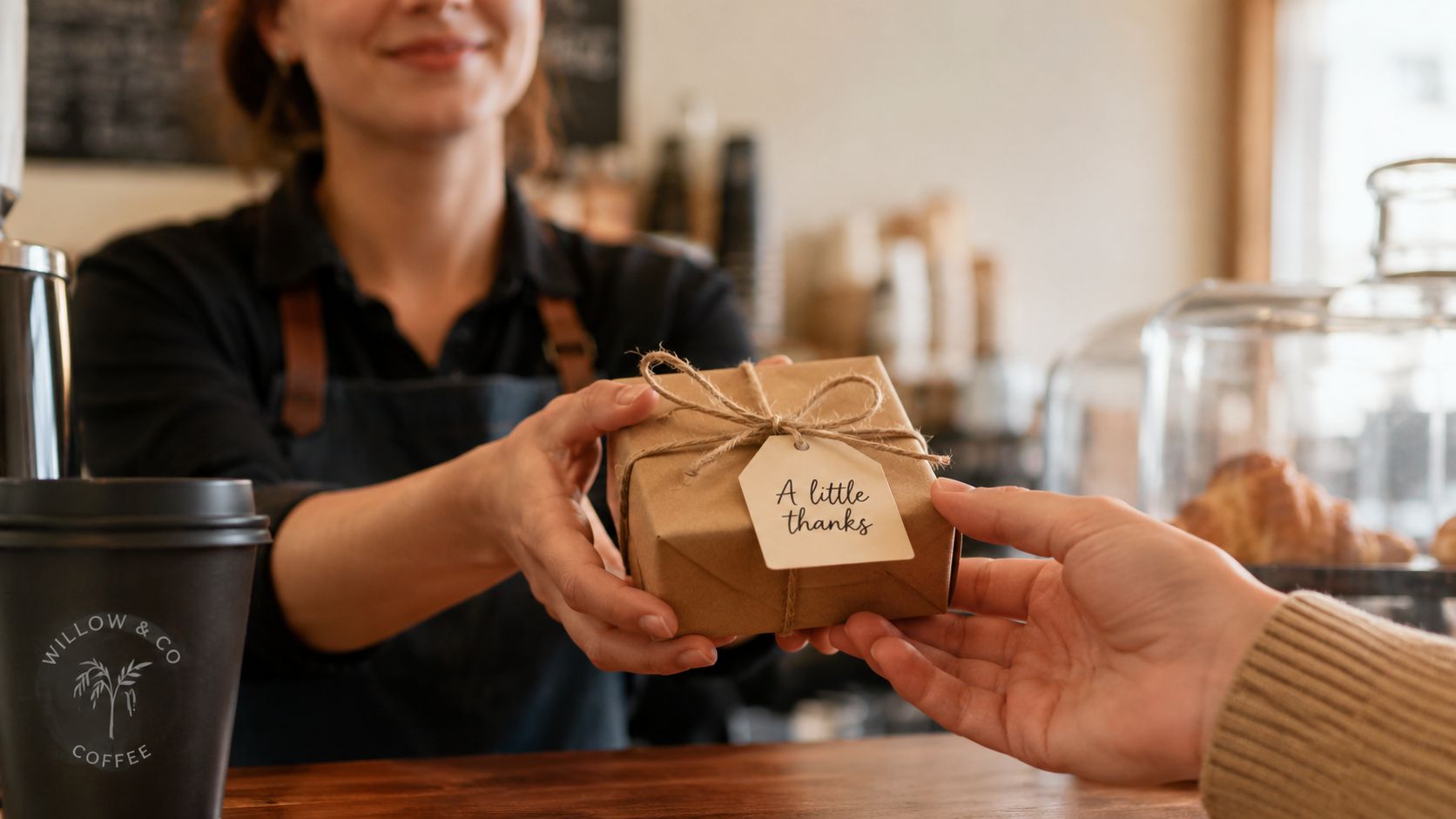
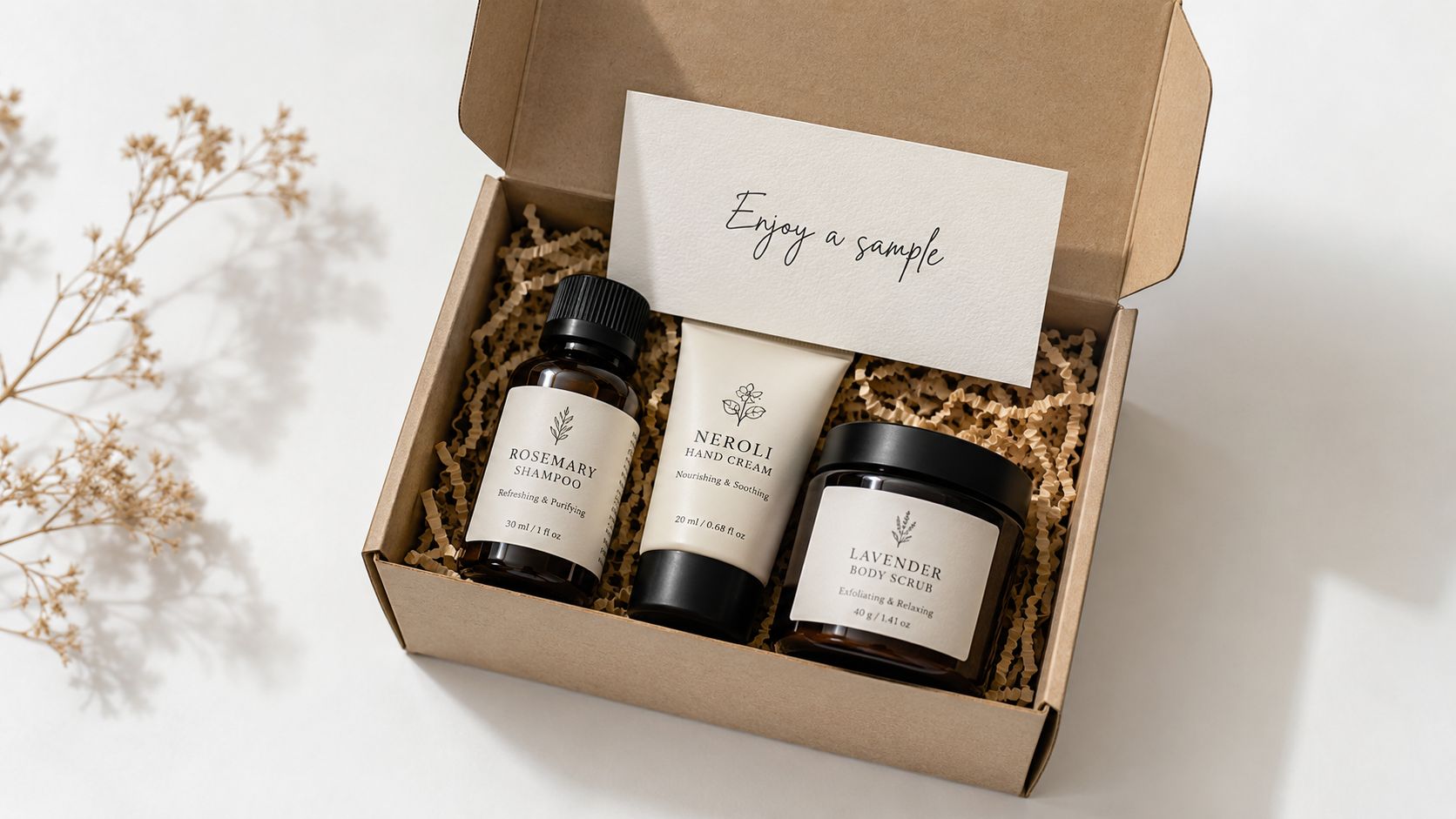
Want customers to try one more product without paying for a full campaign? A well-matched sample does that job cheaply, and it feels like appreciation instead of promotion.
This works best for products people can taste, test, apply, or compare. It also works for service businesses that can give a limited version of a paid upgrade. The key is relevance. A skincare shop can hand a dry-skin customer a mini moisturizer. A café can add a sample pastry to a regular's usual order. A cleaning company can include a small add-on treatment in one room.
Best use case
Use samples right after a purchase or at pickup. That timing matters because the customer already trusts you enough to buy, so the extra item feels selected rather than pushy.
Set a simple budget before you start:
Target cost per sample: $1 to $5
Packaging: $0 to $1
Handwritten or printed note: under $1
Total per customer: usually well under $10
Keep the packaging clean and the message specific. Generic freebies get ignored. A short note gives the sample context and raises the odds that the customer uses it.
Use lines like:
“Based on your order, this looked like a good fit.”
“Thanks for coming back. We included a sample we think you'll like.”
“You bought the original, so we added a trial of the newer version.”
For repeatability, tie each sample to a purchase category. Build a basic cheat sheet for staff so they know what to include with moisturizers, espresso drinks, dog grooming visits, or recurring service calls. If you already send follow-up emails, connect the sample to one of these email newsletter ideas that keep subscribers engaged so the customer sees the same recommendation twice.
Small extras work best when they feel chosen for that customer.
The trade-off is inventory and margin. Avoid items that are expensive to replace, hard to explain, or too disconnected from the original purchase. Pick products with high perceived value, low unit cost, and a clear next step if the customer wants the full version.
4. Social Media Shout-Outs and Features
Want to make a customer feel valued without mailing anything or cutting into margin? Give them useful visibility.
This works best when the recognition is specific, earned, and easy for the customer to share. I've seen it work especially well for local businesses, B2B firms, agencies, salons, fitness studios, and home service brands. The customer gets public credit. You get trust-building content that does more than another generic promotional post.
The cost is low, but it still needs a process:
Design template: $0 to $15 if you use Canva or an existing brand template
Staff time: 10 to 20 minutes per post
Optional thank-you add-on: $5 to $20 if you pair the feature with a small gift card or free add-on
Total per spotlight: often under $20, and usually under $50 even with a small extra
A repeatable spotlight format
Start with permission. A quick DM, email, or text is enough. Ask whether they want their full name, first name only, business name, photo, or no photo. That extra step matters. Some customers love the attention. Others want the appreciation without the public exposure.
Then choose one format and keep it consistent:
Client win post: Highlight a result, milestone, or finished project
Customer feature: Spotlight a loyal regular and why they matter to your business
Before-and-after story: Strong fit for beauty, design, fitness, and home services
Testimonial graphic: Pair one clear quote with a customer photo or project image
A simple monthly cadence is enough. One customer feature each week gives you four appreciation posts a month without turning your feed into a parade of thank-yous.
What to post
Keep the caption focused on the customer, not your brand. Use a short structure your team can reuse:
Who they are
What they chose or accomplished
Why you appreciate them
A light callout if they want to be tagged
Try templates like these:
For a local service business: “Customer spotlight: Sarah trusted us with her kitchen remodel, and the finished space came out beautifully. We appreciate clients who communicate clearly, make fast decisions, and let us do our best work. Thanks again, Sarah, for choosing us.”
For a retail shop: “This week's customer feature goes to Mia, one of our longtime regulars. She always supports new arrivals early and gives honest feedback that helps us buy better. We appreciate you.”
For B2B: “Client win: Congrats to Greenline Dental on the launch of their new office. We were glad to support the project and appreciate the trust their team placed in us from day one.”
With permission, feature customers in posts and explain why you appreciate their business.
The trade-off is quality control. Forced praise, generic captions, or overly polished testimonials usually fall flat. Plain language works better. A short, real story gets more response than a brand-heavy graphic full of buzzwords.
5. Email Newsletters with Exclusive Content
Most small business newsletters fail because they're just promotions in disguise. Customers stop opening them when every issue says “buy now.”
A good appreciation newsletter gives customers something useful before it asks for anything. That's why this works so well for service businesses, consultants, retailers, and local experts.
What to send
Use an 80/20 split. Mostly useful content, with a small promotional section at the end. The content should solve a small problem your customer already has.
Examples:
A real estate team sends seasonal homeowner tips.
An HVAC company sends a quick maintenance guide.
A boutique retailer shares gift picks or styling advice.
A bakery previews holiday ordering deadlines.
If you need help shaping issues people will read, Adwave's guide to email newsletter ideas that keep subscribers engaged is worth borrowing from.
Timing matters. Send on the same day and time so customers know what to expect. Segment by customer type if you can. New buyers, repeat buyers, and inactive customers shouldn't all get the same message.
The trade-off is consistency. An irregular newsletter usually underperforms because subscribers forget why they signed up. Keep it simple enough that you can sustain it every month.
6. Loyalty Rewards Program
Want customers to come back without handing out bigger and bigger discounts?
A loyalty rewards program does that when the rules are simple and the reward arrives fast enough to matter. Small businesses do not need an app to make it work. A punch card, a POS tag, or a basic spreadsheet is often enough if staff can explain it in one sentence and customers can track progress without asking.
The mistake I see most often is setting the bar too high. If the first reward takes months to earn, customers tune it out. Reachable rewards get used, and used rewards train repeat behavior.
A practical setup under $50 usually looks like this:
Tool cost: $0 to $20 for printed punch cards or simple loyalty cards
Reward cost per redemption: $3 to $15
Admin time: 15 to 30 minutes a week to track redemptions and spot abuse
Keep the structure tight:
Entry reward: after 3 to 5 visits or purchases
Mid-tier reward: after 8 to 10 visits, with a slightly better perk
Bonus trigger: double points or a surprise extra on slow days, seasonal lulls, or high-margin items
Examples work best here. A coffee shop can offer a free drip coffee after five purchases and a specialty drink upgrade at ten. An auto shop can give a discounted tire rotation after a set number of paid services. A boutique can offer early access to a new drop plus a small member-only discount on one item.
Personalization raises response without adding much cost. Use short language at checkout or in text follow-ups:
At checkout: “You're two visits away from your reward.”
By text or email: “You've earned your next perk. Use it by Friday.”
For slower periods: “Double points this Tuesday and Wednesday.”
Timing matters as much as the reward itself. Mention progress every visit. Remind customers right before a likely reorder window. If you wait until they have already drifted, the program turns into a reactivation campaign instead of a loyalty tool.
The trade-off is margin control. Too generous, and you train customers to wait for freebies. Too weak, and nobody cares. Start with one reward customers want, track redemption for 30 days, then adjust the threshold or perk value. Adwave also has a useful resource on building a customer loyalty program on any budget, which fits owners who want a lean version that still feels intentional.
7. Community Event Sponsorships or Hosting
Want customers to feel appreciated in a way people notice? Show up where they already spend time.
Community events work because they tie your business to a shared place, not just a sale. For local service businesses, restaurants, clinics, shops, and real estate teams, that matters. Customers remember the company that sponsored the school raffle, hosted the sidewalk coffee table, or helped make a neighborhood event happen.
Keep the spend under $50 and easy to execute
The best low-cost option is usually a small sponsorship add-on or a simple hosted event at your location. Skip broad exposure plays. Pick something your current customers already attend.
Low-cost options that usually fit this budget:
$20 to $30: snacks, coffee, or bottled water for a short customer stop-in
$15 to $25: a prize for a school, church, or youth team raffle
$30 to $50: shared event table costs with another local business
Under $20: printed sign, name tags, or a small welcome station if you already have the space
If you host, keep the format tight and useful:
Coffee and donuts morning
Back-to-school supply drop-off
Pet photo day
Mini customer open house
The implementation matters more than the concept. A simple event with the right audience beats a bigger one with weak local fit every time.
Alignable's guidance on community-based local business networking and promotion supports the same practical point. Community involvement works best when the event matches the customers you serve. That means a family clinic should look at school or youth events, while an auto shop may get more from a car wash fundraiser or local safety day.
Use a short invite so turnout does not depend on heavy promotion:
Email: “We're hosting coffee and donuts for customers this Saturday from 9 to 11. Stop by, say hi, and bring a friend.”
Text: “Customer thank-you morning this Saturday. Free coffee while it lasts.”
In person: “We're sponsoring the school raffle next week. We'd love to see you there.”
Timing matters here too. Tie the event to a seasonal moment, a customer milestone, or a day with natural foot traffic. A tax office can host an appreciation table after filing season. A boutique can pair it with a new arrival weekend. A home service company can sponsor a spring cleanup day when homeowners are already in maintenance mode.
The trade-off is time. Even small events need setup, follow-up, and someone friendly on-site. If your team is stretched thin, partner with another local business and split the workload. That keeps the cost low and gives customers a stronger reason to stop by.
8. Free Webinar, Workshop, or Educational Content
What can you give customers for under $50 that still proves your expertise? Teach them something useful.
Free education works well when customers have repeat questions, ongoing maintenance needs, or a buying decision that feels complicated. A short webinar or workshop can do more than a giveaway because it shows how you think, how you solve problems, and whether customers should trust you with the next purchase.
Keep the topic tight. Broad sessions attract polite interest and weak attendance. Narrow sessions get sign-ups.
Topics that usually work:
First-time home buying mistakes
Winter HVAC maintenance checks
Retirement planning basics
Skincare routines by skin type
Patio furniture cleaning and storage
How to run it without wasting time or budget
Aim for 20 to 30 minutes. Give customers one clear problem, three practical fixes, and a short Q&A. That structure is easy to deliver and easy for customers to remember.
A simple format:
Opening: Name one mistake customers make all the time.
Core teaching: Walk through three useful actions.
Q&A: Answer live questions or collect them ahead of time.
Follow-up: Email a recap, checklist, or slide deck.
Zendesk's customer appreciation discussion points to customer feedback and community input as useful signals for shaping appreciation efforts. Use that directly. Build the session around questions your staff already hears every week.
Teach what customers already ask about. That is usually the fastest route to a workshop people will attend.
The budget can stay low if you keep the setup simple. Use Zoom, Google Meet, or an in-store demo table you already own. Spend the money on a small thank-you add-on if you want better attendance, such as coffee, printed checklists, or a $10 door prize. In my experience, the trade-off is preparation time. A sloppy presentation hurts more than no presentation at all.
Set a basic implementation plan:
7 days before: Pick the topic and write the three takeaways.
5 days before: Send one email invite and post one social reminder.
1 day before: Send a reminder with the time, link, or in-store details.
Same day: Start on time and end on time.
Next day: Send the recap and one relevant offer.
If you want this idea to feel like appreciation instead of promotion, keep the sales pitch short. Teach first. Offer help second. Customers can tell the difference quickly.
9. Referral Incentive Program
Referrals are appreciation in both directions. You reward the customer who sends business your way, and you make it easy for happy customers to advocate for you.
This tactic works especially well for businesses with trust-heavy buying decisions. Real estate, legal, financial services, HVAC, dental, and home improvement all fit.
Keep the process simple
The biggest mistake is making referrals hard to track. Customers shouldn't need to fill out long forms or guess whether they'll get credit.
Use one method:
A unique referral code
A dedicated email
A short referral form
A “mention this customer's name” process your staff logs
If you want a reward under $50, stay practical. Account credit, service add-ons, gift cards, or a free premium upgrade often work better than generic swag. Keep the reward tied to your business when possible, because that's easier to fulfill and protects your margin.
One more note. Publicly recognizing top referrers can work, but only if your customer base likes that kind of visibility. In some industries, quiet thanks is more appropriate than a public leaderboard.
10. Personalized Birthday or Anniversary Gifts or Discounts
What gets used more often, a generic promo code or an offer tied to a date the customer already cares about? In my experience, milestone-based appreciation wins because the timing feels personal before the customer even reads the message.
The catch is execution. If the offer looks automated, it loses most of its value. A birthday email with the customer's name and a bland discount still reads like bulk marketing. A better approach is to tie the gift or discount to something specific you already know about that customer and keep the value easy to redeem.
A restaurant might offer a free dessert plus priority booking during the customer's birthday week. A salon can give a complimentary add-on that fits the service they book most often. A realtor can send a home-purchase anniversary card with a small local gift card. A retailer can issue a short code for the product category that customer buys repeatedly.
The point made in
is clear. Gifts matched to a person's real preferences usually feel more thoughtful than generic branded items.That does not require a detailed customer profile. It requires an usable note in your CRM or booking system. Pet owner. New homeowner. Color service client. Monthly subscriber.
For an under-$50 budget, set a simple structure:
$5 to $15 for a product freebie, add-on, or account credit
$10 to $25 for a local gift card or packaged item
3 to 7 days of lead time before the birthday or anniversary message goes out
2 to 4 weeks to redeem, so the offer feels generous instead of rushed
A simple template works: “Happy birthday, Sarah. Thanks for being with us this past year. We added a free conditioning treatment to your next visit this month.” For anniversaries, mention the original milestone. “It's been two years since we helped you buy your home. We wanted to send a small thank-you.”
This works best when the reward matches the relationship. The trade-off is admin time. If your customer data is messy, do this for repeat buyers, members, or top accounts first, then expand once the process is working.
11. Free Consultation, Audit, or Assessment Services
A free consultation only feels like appreciation if it delivers value without pressure. Customers know the difference between a real review and a disguised sales pitch.
This works best when your business has genuine expertise to share. Home value reviews, energy assessments, portfolio check-ins, account reviews, style consultations, or maintenance inspections all fit.
What to include
Set a clear boundary before the session starts. Tell the customer how long it takes and what they'll get from it. Then give them something tangible afterward, even if it's just a short written summary.
A strong structure:
Review the current situation
Flag one to three issues or opportunities
Recommend next steps
Offer help without hard pressure
The benefit is obvious. You give customers useful guidance and often surface future work naturally. The trade-off is staff time. If your team can't deliver these well, offer fewer of them to higher-value customers instead of opening the floodgates.
This is one of the best under-$50 tactics for businesses that don't sell products at all. Expertise becomes the gift.
12. Surprise and Delight Gestures
What do customers talk about more than a standard discount? The small, unexpected extra that proves you were paying attention.
Surprise and delight works because it feels personal, not programmed. A free add-on, a handwritten note, a waived small fee, expedited shipping, or a minor service upgrade can all fit under $50 if you set rules before your team starts offering them.
Build a simple system before you start
Give staff a fixed monthly budget and a short approval guide. I like a three-part rule. Keep the gesture low-cost, tie it to a real customer moment, and make sure it can be delivered without slowing down operations.
Use this approach when:
A loyal customer places another order
A shipment is delayed and you need a recovery move
Someone sends you a referral
A customer hits a milestone purchase
The team spots a chance to add a thoughtful extra without being asked
Cost range is usually $3 to $25 per gesture. For product businesses, that might be a bonus item already in inventory. For service businesses, it could be a complimentary add-on that takes 10 extra minutes but feels generous to the customer.
Personalization matters more than the dollar amount. If a customer buys bourbon-related gifts, a small add-on inspired by these top barware gifts for clients will usually land better than a generic freebie.
A practical rollout plan
Start with 10 to 15 gestures per month. Track who received them, what you gave, the cost, and whether the customer mentioned it later in a review, reply, or repeat purchase. After 30 days, you will know which gestures create real lift and which ones just eat margin.
A simple message template works well: “Thanks for sticking with us, [First Name]. We added [bonus] to this order as a small thank-you for your support.”
The trade-off is consistency. If every customer starts expecting the same surprise, it stops feeling special and starts behaving like a promotion. Keep the pool of gestures varied, use them selectively, and reserve the best ones for high-value moments.
This idea also pairs well with broader visibility plays. A business that already understands the advantages of advertising on TV can use small surprise moments to reinforce the brand promise customers saw in market. That combination is powerful because the ad gets attention, and the unexpected gesture gives people a reason to remember you.
13. Limited-Time Exclusive Offers and Early Access
Early access works because it protects margin while still giving loyal customers something that feels special. Instead of cutting price, you give people first choice. That matters more than a small discount when inventory is limited, appointment slots fill fast, or a seasonal offer has a short window.
This approach fits product drops, holiday bundles, service calendars, event registration, and real estate previews. The customer benefit is clear. They get the best selection before the public rush starts.
How to run it without training customers to wait
Keep the VIP window short. In practice, 24 to 72 hours is usually enough. Longer than that, and urgency fades. Shorter than that, and some customers miss it.
A simple rollout stays under $50:
Email or SMS send through your existing platform: $0 to $20
Small bonus for the first few redemptions, if you choose to add one: $10 to $25
Simple landing page or booking note: usually $0 if you use your current tools
Use clear criteria for who gets access. Repeat buyers, annual members, referral partners, and customers above a certain spend threshold are good candidates. If everyone gets “exclusive” access every time, the offer loses its value fast.
A basic message template is enough: “Hi [First Name], we're opening [product, booking calendar, event, or release] to loyal customers first. You can shop or book before public release until [day/time]. Use this private link: [link].”
If you want to make the offer feel bigger without discounting harder, pair early access with visibility. A customer who sees your brand in market and then gets a private invitation is more likely to act because the brand already feels familiar. That is one reason small businesses combine VIP offers with broader campaigns after reviewing the advantages of TV advertising for local brands.
The trade-off is execution. You need a real cutoff time, a clear customer segment, and inventory or appointment capacity set aside in advance. Do that well, and early access becomes one of the cleaner appreciation plays in this list because it rewards loyalty, protects margin, and gives you a repeatable system you can run for less than $50.
14. Customer Appreciation Using Adwave's Affordable TV Advertising
Most businesses never think of advertising as appreciation. That's a mistake. If you feature customers, celebrate their success, or run a TV-only thank-you campaign, advertising becomes recognition at scale.
Adwave is especially useful here because it makes TV accessible to small businesses. Campaigns start at $50, and Adwave Digital's platform helps businesses create, launch, and track broadcast-ready ads across premium channels including NBC, Hulu, and ESPN without the usual production headache.
How to use TV as a thank-you
A few practical formats work well:
Customer spotlight ad: Feature a loyal client or success story.
Community thank-you ad: Thank local customers for supporting your business.
VIP offer ad: Run a TV-only appreciation message with a loyal-customer incentive.
Milestone ad: Celebrate your anniversary by showing customers, not just your company.
This approach works because it scales gratitude beyond one-to-one outreach. A dentist can feature patient success stories with permission. A real estate team can spotlight clients who found the right home. A home service company can show before-and-after customer results and share credit with the homeowner.
If you want the strategic case for this channel, Adwave explains the advantages of advertising on TV for local businesses. For appreciation campaigns, the value isn't just reach. It's legitimacy. Customers feel recognized when your brand puts their story on a premium platform.
The trade-off is creative discipline. Don't turn a customer spotlight into a self-congratulatory brand reel. Keep the customer at the center. Adwave's workflow makes that easier by removing much of the production friction that used to make TV feel out of reach for small teams.
15. Thank You Video Messages
Want a thank-you that feels personal without buying, packing, or mailing anything? Record a short video and send it the same day.
This works well for service businesses, consultants, agencies, and any owner-led brand where the relationship matters as much as the product. A 20 to 45 second message sent by text or email can carry more weight than a low-value branded gift because the customer sees your face, hears your tone, and knows the message was made for them.
Use it at moments that already have emotional value:
After a completed project
After a first purchase from a high-value customer
After a referral
On a customer anniversary
After a standout review or testimonial
Keep the format simple. Say their name, mention the specific action or milestone, thank them plainly, and close with a clear next step or warm sign-off.
A practical template:
“Hi Sarah, thanks for trusting us with your kitchen remodel. We know that was a big project, and we appreciate the chance to do it for you.”
“Hi James, I wanted to thank you for the referral last week. Customers like you help this business grow.”
“Hi Mia, happy one-year anniversary with us. We appreciate your continued business and we're glad to have you with us.”
Cost stays low. If you already have a phone and decent lighting, it costs nothing but a few minutes. If you want to improve quality, a $15 tripod and a $20 clip-on mic are usually enough. That keeps the total under $50 and gives you a repeatable system your team can use.
The trade-off is time. One personalized video does not scale like an email campaign. For your top customers, though, the response rate is usually better because the effort is visible. RingCentral's customer appreciation ideas for budget-conscious businesses specifically points out that many low-cost appreciation lists focus too heavily on physical gifts and miss more personal outreach methods.
A few execution rules matter. Record vertically if you plan to text it. Record horizontally if you will email it as a polished follow-up. Use natural light, keep the background clean, and do one quick practice run so you don't ramble.
Overproducing hurts this format. A sincere message from the owner or account manager usually performs better than a heavily edited clip that feels scripted.
15-Item Comparison: Customer Appreciation Ideas Under $50
Turn Appreciation into Your Strongest Marketing Channel
What happens when customer appreciation stops being a once-a-year gesture and becomes part of your operating rhythm?
It usually turns into repeat business, referrals, better reviews, and stronger retention. That is why the best ideas in this list work as a system, not as one-off promotions. A thank-you note can make a first purchase feel personal. A referral offer can turn a happy customer into a source of new business. A birthday discount can bring someone back at the right time. Adwave adds a different option. It lets a small business thank customers in public and reach new local buyers at the same time.
The practical question is not which single tactic is best. The practical question is which tactic fits the stage of the relationship, the margin on the sale, and the amount of time your team can realistically spend each month.
For new customers, use fast, low-friction gestures. A short handwritten note, a simple welcome discount for the next order, or a quick thank-you video works well because it arrives close to the purchase. For repeat customers, use programs that build over time, such as loyalty rewards, referral incentives, and early access offers. For long-term clients, spend more effort on personalization. A small gift, a consultation, a public feature, or a customer spotlight ad often makes sense there because the lifetime value supports the extra work.
Physical gifts still have a place, but they need to feel useful. According to Giftafeeling's 2026 corporate gifting statistics and category preference roundup, buyers are showing strong interest in practical, personalized gift categories such as wellness items and tech accessories. That lines up with what many owners see firsthand. Customers keep what they can use. They forget generic branded swag quickly.
Customization usually beats heavier branding. In SwagMagic's guide to top-performing gifts under $50, the company highlights strong recipient interest in customized, daily-use items such as personalized mugs and similar practical products. That is a useful filter when you are choosing between five decent options. Pick the one the customer will reach for next week, not the one that shows off your logo the most.
If you need something more polished for a formal client relationship, curated products in the $25 to $50 range can work well. CorporateGift's $25 to $50 collection shows the kind of options businesses often use in that bracket, including stationery sets, gourmet food gifts, candles, portfolios, and boxed gift sets. The trade-off is straightforward. These gifts can look professional, but they carry a little more fulfillment complexity than digital offers, notes, or discounts.
Bundling can improve perceived value without pushing the budget too far. As Teak & Twine explains in its look at corporate gifts under $50, curated and experience-driven gifting continues to draw interest. In practice, that can be very simple. A notebook plus a handwritten note often lands better than a notebook by itself. Coffee beans plus a thank-you card often feels more considered than a single item pulled off a shelf.
Appreciation also does not have to involve a gift at all. In Zendesk's customer appreciation discussion, the company points to empathy, responsiveness, and acting on feedback as key drivers of long-term loyalty. Small businesses feel that directly. Fix a problem fast. Waive a minor fee when the situation calls for it. Follow up after a complaint and explain what changed. Those actions often do more for retention than a $20 giveaway.
Adwave deserves attention here because it gives small businesses a modern appreciation play that used to feel out of reach. Instead of limiting customer appreciation to one-to-one gestures, a business can run an affordable TV ad built around customer stories, local gratitude, or a community thank-you message. That creates two outcomes from one spend. Customers feel recognized, and the business gets broader visibility in the local market.
Start small. Pick one low-lift idea and one scalable idea. Run both for a full quarter, track repeat purchases, referrals, redemptions, and replies, then keep the tactics that earn a response. Appreciation works best when it is consistent, easy to deliver, and tied to results you can measure.
If you want a customer appreciation tactic that also expands your reach, Adwave is one of the smartest places to start. It lets small businesses create and run broadcast-ready TV ads starting at $50, so you can turn customer stories, thank-you campaigns, and loyalty offers into premium local visibility without a huge production budget.


