Political Action Committees operate in a unique advertising environment. You're raising money from donors who expect results, competing for attention in crowded media markets, and working within strict regulatory frameworks that govern everything from disclosure requirements to spending limits.
Television remains the dominant channel for political advertising because it works. Voters respond to video messages delivered in trusted environments. The combination of emotional storytelling and broad reach makes TV the backbone of serious political campaigns and PAC operations.
This guide covers how PACs can develop effective TV advertising strategies, from audience targeting to media buying to compliance considerations that keep you on the right side of FEC regulations.
Understanding PAC Advertising Fundamentals

Before diving into strategy, understand what makes PAC advertising different from candidate campaigns and commercial advertising.
Types of PACs and Their Advertising Rules
Traditional PACs can contribute directly to candidates and coordinate with campaigns. Their advertising typically supports specific candidates and must follow contribution limits. These PACs often run ads that explicitly advocate for or against candidates.
Super PACs cannot coordinate with candidates but can raise and spend unlimited amounts. They've become major players in political advertising, often outspending the candidates they support. Super PAC ads must include disclaimers identifying the organization.
Hybrid PACs maintain separate accounts for contributions and independent expenditures. They combine traditional PAC fundraising with Super PAC-style independent spending.
501(c)(4) organizations can engage in political activity but must have social welfare as their primary purpose. Their advertising rules differ from PACs, and they face different disclosure requirements.
Each structure has implications for your advertising strategy, disclosure requirements, and coordination restrictions.
The Political Media Calendar
Political advertising follows predictable patterns that affect strategy and costs.
Early cycle (18+ months before election): Lower costs, less competition, good for establishing narratives and name recognition. Smart PACs start building awareness before media markets get crowded.
Primary season: Costs rise as candidate campaigns compete for airtime. PAC advertising can be especially effective when candidate campaigns are focused on primary opponents.
General election ramp-up (Labor Day to Election Day): Maximum competition and costs. Major markets can see TV advertising costs triple or quadruple. Planning and booking early is essential.
Final two weeks: The most expensive and competitive period. Reserved inventory becomes scarce. PACs that haven't secured airtime may find themselves shut out of key markets.
Why Television Dominates Political Advertising
Despite the growth of digital advertising, television remains the primary channel for serious political operations. Understanding why helps you allocate budgets effectively.
Reach and Frequency
Television reaches voters that digital channels miss. Older voters, who turn out at higher rates, watch more television than younger demographics. Swing voters who aren't highly engaged politically may not seek out political content online but will see TV ads during their regular viewing.
Connected TV advertising combines traditional TV's reach with digital targeting capabilities. You can reach specific voter segments on streaming platforms while maintaining the credibility of the television environment.
Credibility and Impact
Voters perceive television advertising differently than digital ads. A message delivered during trusted programming carries more weight than the same message in a social media feed. This perception matters enormously in political advertising where trust is the currency.
Studies consistently show that television advertising moves voter preferences more effectively than equivalent digital spending. The combination of sight, sound, and motion in a lean-back viewing environment creates emotional impact that other formats struggle to match.
Forced Exposure
Television ads reach viewers who aren't actively seeking political content. Unlike digital advertising, where users can scroll past or skip ads, television delivers messages to audiences regardless of their initial interest level.
This forced exposure is especially valuable for reaching persuadable voters who don't follow politics closely. These voters often decide late and can be influenced by advertising they encounter during regular television viewing.
Developing Your PAC's TV Strategy
Effective PAC advertising requires strategic thinking about goals, audiences, and message development before buying a single ad.
Define Clear Objectives
Electoral objectives focus on winning specific races. Determine which races your PAC will prioritize and what victory requires in each. Some races need persuasion of swing voters; others require base mobilization.
Issue advocacy objectives aim to shift public opinion on specific policy questions. These campaigns may not be tied to particular elections and can run year-round.
Fundraising support objectives use advertising to generate donor interest and contributions. Effective PACs understand that advertising serves multiple purposes beyond direct voter persuasion.
Organizational building objectives establish your PAC's brand and credibility for future cycles. Even advertising that doesn't immediately move votes can position your organization for long-term influence.
Audience Identification and Targeting
Political targeting has become increasingly sophisticated. Modern campaigns can identify and reach specific voter segments with remarkable precision.
Voter file integration matches television viewing data with voter registration records. This allows you to target ads to households containing registered voters with specific characteristics: party registration, vote history, demographics, and modeled issue positions.
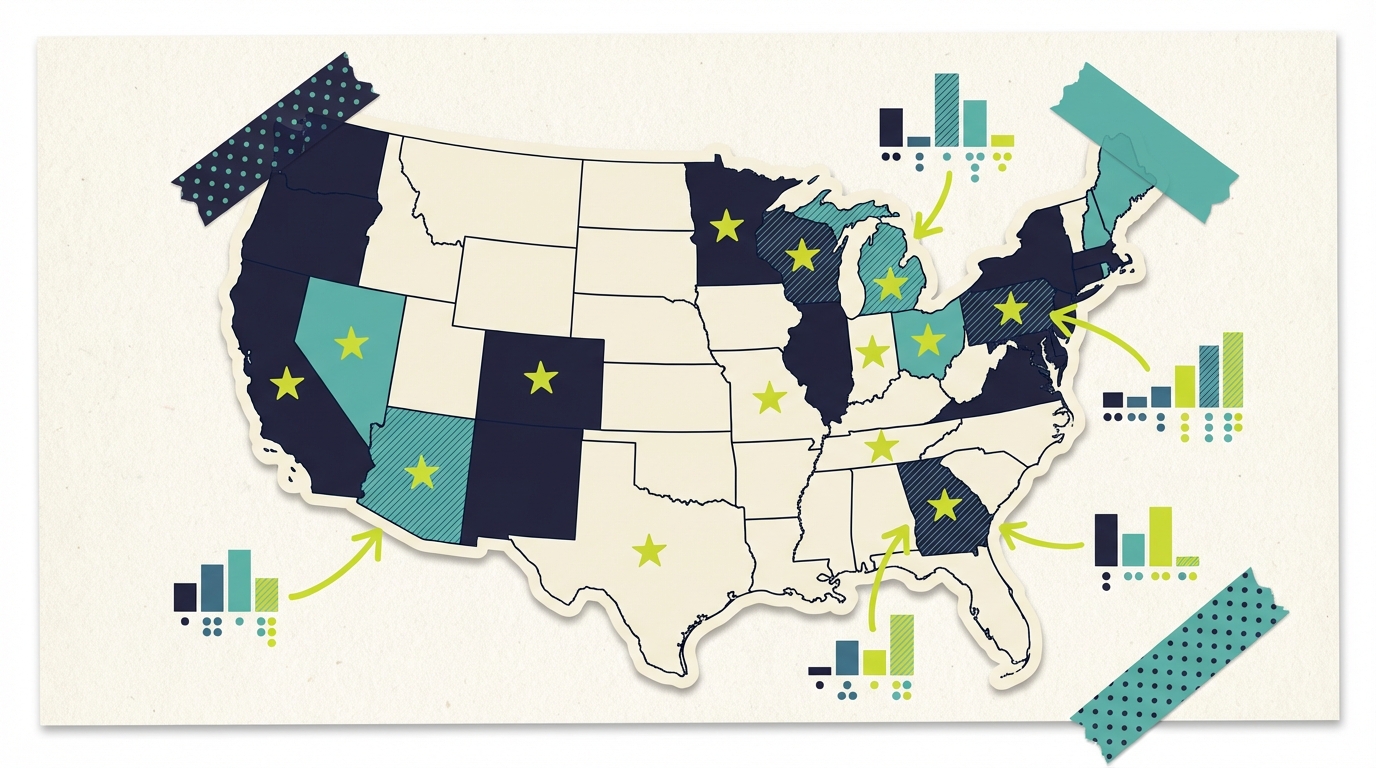
Geographic targeting focuses spending on competitive areas where advertising can make a difference. National PACs often concentrate resources in swing states and competitive districts rather than spreading budgets thin.
Behavioral targeting identifies voters based on their media consumption patterns, purchase behavior, and online activity. Advanced targeting options allow precise audience definition on streaming platforms.
Message Development
Political advertising messages must work harder than commercial advertising. You're asking people to take action that affects their community, not just make a purchase.
Emotional resonance drives political advertising effectiveness. Fear, hope, anger, and pride all motivate voter behavior. The most effective political ads create emotional responses that align with desired actions.
Credibility and sourcing matter in political contexts. Voters have become sophisticated about political advertising. Claims need support, and attacks need documentation.
Call to action clarity tells voters exactly what you want them to do. Vote for a specific candidate. Oppose a ballot measure. Contact their representative. The action should be clear and achievable.
Media Buying Strategies for PACs
How you buy television advertising affects both efficiency and effectiveness. Political media buying has unique considerations that differ from commercial advertising.
Broadcast vs. Cable vs. Streaming
Broadcast television offers the broadest reach but less targeting precision. Local broadcast stations are required to offer political advertisers lowest unit rates during certain windows, which can make broadcast cost-effective despite its broader audience.
Cable television provides more targeting through network selection. News networks reach politically engaged viewers. Specific cable channels can target demographic or interest-based segments.
Streaming television offers the most precise targeting. Programmatic political advertising on connected TV platforms allows PACs to reach specific voter segments at household level.
Timing and Flight Patterns
Continuous presence maintains awareness throughout a campaign period. This approach works well for PACs with sufficient budgets and long-term objectives.
Flight patterns concentrate advertising in bursts with breaks between. This approach maximizes impact during key moments while conserving budget.
Front-loading invests heavily early to establish narratives before opposition can respond. This strategy can be effective when you have a clear message advantage.
Late surge concentrates spending in final weeks when voter attention peaks. This approach risks being shut out if inventory is scarce but can be effective when budgets are limited.
Negotiating and Purchasing
Political advertising involves different purchasing dynamics than commercial advertising.
Lowest unit rate provisions require broadcast stations to offer political advertisers the lowest rate they charge any advertiser during certain windows before elections. Understanding and enforcing these requirements can significantly reduce costs.
Make-goods and preemptions are common in political advertising. Stations may preempt political ads when higher-paying commercial advertisers want inventory. Negotiating strong make-good provisions protects your campaign.
Upfront commitments can secure inventory in competitive markets. PACs that commit early often get better rates and guaranteed placements.
Compliance and Disclosure Requirements

PAC advertising operates within a regulatory framework that requires careful attention to compliance.
FEC Requirements
The Federal Election Commission regulates political advertising by PACs. Key requirements include:
Disclaimer requirements mandate that PAC advertisements identify who paid for them. The specific language and placement requirements vary based on medium and ad type.
Reporting requirements obligate PACs to disclose advertising expenditures. Independent expenditures must be reported within specific timeframes.
Coordination prohibitions prevent Super PACs from coordinating with candidate campaigns. Violations can result in significant penalties and legal exposure.
State and Local Requirements
Many states have additional requirements for political advertising that supplement federal rules.
State disclaimer requirements may be more stringent than federal requirements. Some states mandate specific language or disclosure of top donors.
Registration requirements in some states require PACs to register before advertising in state and local races.
Reporting timelines vary by state and may require faster disclosure than federal rules.
Platform-Specific Requirements
Different advertising platforms have their own political advertising policies.
Broadcast and cable stations maintain political files documenting political ad purchases. These records are publicly available.
Streaming platforms have varying policies regarding political advertising. Some restrict political ads; others require additional verification.
Content restrictions on some platforms may limit certain types of political messaging. Understand platform policies before developing creative.
Measuring PAC Advertising Effectiveness
Political advertising measurement differs from commercial advertising because the ultimate metric is electoral outcomes, not sales.
Pre-Election Metrics
Polling movement tracks changes in candidate support, issue positions, or voter awareness. Correlating polling changes with advertising flights helps assess effectiveness.
Fundraising response measures donor behavior following advertising. Effective PAC advertising often generates fundraising alongside voter persuasion.
Earned media amplification occurs when advertising generates news coverage. Controversial or especially effective ads can multiply their impact through news coverage.
Digital engagement metrics show how advertising affects online behavior. Website visits, social sharing, and search volume can indicate advertising resonance.
Post-Election Analysis
Election results are the ultimate measure but require careful analysis. Many factors affect electoral outcomes, and isolating advertising effects requires sophisticated analysis.
Precinct-level analysis compares results in areas with heavy advertising to similar areas with less exposure. This approach helps isolate advertising effects from other campaign variables.
Survey research among voters who saw advertising can assess message recall and influence on vote choice.
Building Long-Term PAC Advertising Capabilities
Effective PACs develop institutional advertising capabilities that improve over time.
Data and Targeting Infrastructure
Invest in data capabilities that support precise targeting. Voter file integration, viewing data partnerships, and analytics capabilities compound in value over election cycles.
Creative Development Processes
Develop systematic approaches to message testing and creative development. What works varies by race, audience, and moment. Building institutional knowledge improves future campaigns.
Vendor Relationships
Cultivate relationships with media buyers, production companies, and analytics providers who understand political advertising. Experienced partners can provide competitive advantages.
Compliance Systems
Implement robust compliance processes that ensure regulatory adherence without slowing operations. Political advertising operates under tight timelines, and compliance systems must keep pace.
Connected TV Strategy for PACs
Streaming television has become increasingly important for political advertisers. Understanding how to use these platforms effectively expands your strategic options.
Advantages of CTV for PACs
Precision targeting allows PACs to reach specific voter segments. Rather than buying broad audiences on broadcast, CTV delivers ads to households matching your targeting criteria.
Geographic flexibility enables national PACs to advertise in specific competitive districts without buying entire DMAs. This efficiency especially benefits PACs operating across multiple races.
Frequency control prevents over-exposure to the same voters while keeping sufficient reach. CTV platforms allow precise frequency caps at the household level.
Real-time optimization enables adjustments based on performance data. Unlike broadcast buys committed weeks in advance, CTV campaigns can be modified quickly.
CTV Implementation
Adwave's platform makes CTV advertising accessible for PACs of all sizes. AI-generated creative reduces production timelines, and campaigns can launch quickly to respond to developing situations.
For PACs operating across multiple races, CTV provides flexibility to shift resources between markets as competitive dynamics evolve. The platform's targeting capabilities enable voter-file-based targeting that reaches specific voter segments.
Common Questions Answered
How much should a PAC spend on TV advertising? Budget depends on objectives, competitive environment, and available resources. Effective spending in a congressional race might range from hundreds of thousands to millions of dollars. Smaller state legislative races might require $50,000-200,000 in TV spending. The key is matching investment to realistic impact potential.
When should a PAC start TV advertising? Earlier is generally better for establishing narratives, but budget constraints often require concentration in final weeks. Ideal timing starts 4-6 weeks before early voting begins, with increasing intensity through Election Day. PACs with sufficient resources benefit from earlier presence.
How does PAC TV advertising differ from candidate advertising? PACs cannot coordinate with candidates, which limits message alignment. PAC advertising often focuses on contrast and attack messages that candidates prefer not to deliver themselves. Super PACs especially fill this role, running negative advertising that candidates can distance themselves from.
What compliance risks should PACs consider? Coordination with candidates is the primary risk for Super PACs. Improper coordination can result in ads being treated as contributions, potentially violating limits. Disclaimer requirements vary by platform and message type. Consulting election law counsel before launching advertising programs is advisable.
Can small PACs effectively use TV advertising? Yes. Streaming TV advertising has lowered barriers significantly. A small PAC focusing on a single state legislative race can run effective CTV campaigns with budgets starting in the thousands rather than hundreds of thousands. Adwave's pricing starts at $50, making testing accessible.
The Bottom Line
Television advertising remains the most powerful tool available to Political Action Committees seeking to influence elections and policy debates. The combination of emotional impact, broad reach, and forced exposure makes TV the backbone of serious political advertising programs.
Modern PACs benefit from the convergence of traditional TV's power with digital targeting capabilities. Connected TV platforms allow precise voter targeting while maintaining the credibility and impact of the television environment. This combination enables both large national PACs and smaller organizations to deploy television effectively.
Success requires strategic clarity about objectives, sophisticated audience targeting, compelling creative, and rigorous compliance. PACs that develop institutional capabilities in these areas build advantages that compound across election cycles.
Ready to add television to your PAC's advertising strategy? Create your first TV ad in minutes and start reaching voters on premium streaming channels, starting at just $50.