Summer is the most misunderstood TV advertising season. Most marketers assume Q4 holiday is the only time TV spending matters, then pull back on summer budgets and miss the second-largest opportunity of the year. They're wrong, and the data backs it up.
Connected TV (CTV) viewing peaks in summer for many key audiences (eMarketer, 2024). Streaming consumption among kids and teens jumps by 30-50% as schools let out (Nielsen, 2024). Cord-cutters spend more time on Hulu, Peacock, and Roku during summer travel and rainy-day weekends. CPMs are lower than Q4 because most marketers underspend. The combination creates a window where smart advertisers reach more eyeballs at lower cost than any other season except early Q1.
Summer TV success isn't just about buying media at lower CPMs. It requires summer-specific creative, summer-specific targeting, and summer-specific timing. The brands that win plant the seeds in May, peak in June-August, and convert through Labor Day weekend.
This guide covers everything you need to win summer TV advertising in 2026: which industries thrive in summer, how summer audience behavior differs from other seasons, summer-specific creative approaches, budget pacing through the season, targeting tactics that work, and how to measure success. You'll get realistic budgets and a week-by-week playbook for May through August.
For year-round seasonal planning, see our seasonal TV advertising calendar. For Q4 strategy, see our holiday TV advertising playbook.
Why Summer Is the Most Underrated TV Season
Three dynamics make summer dramatically more valuable than most marketers realize.
Lower CPMs. Summer is the slow season for most national advertisers (auto, finance, retail Q4-prep). With less competition, CTV CPMs drop 15-30% versus Q4 in many categories. Smart small business advertisers exploit this gap.
Different viewing patterns. Summer viewing shifts to streaming, sports, kids' programming, and outdoor-event content. Audiences spend more time on Hulu, Tubi, Peacock, and YouTube than during fall/winter prime time. Cable viewing drops; streaming viewing climbs.
Long days, more decisions. Consumers are out, traveling, dining out, attending events, planning fall purchases (back-to-school, fall fashion, fitness comebacks). The summer ad has time to land with the audience and convert before the September decision deadline.
Kids drive household decisions. With school out, kids influence more household decisions on dining, entertainment, products, and travel. Family-targeted CTV reaches parents at peak influence-by-kids moments.
Travel breaks geographic norms. Vacation travelers consume content in unfamiliar regions. Summer is one of the few times national or super-regional TV campaigns outperform tightly-geo-targeted ones for some categories.
Industries That Win Summer TV Advertising
Some industries see their highest annual demand in summer and should heavy-up TV ad spend accordingly.
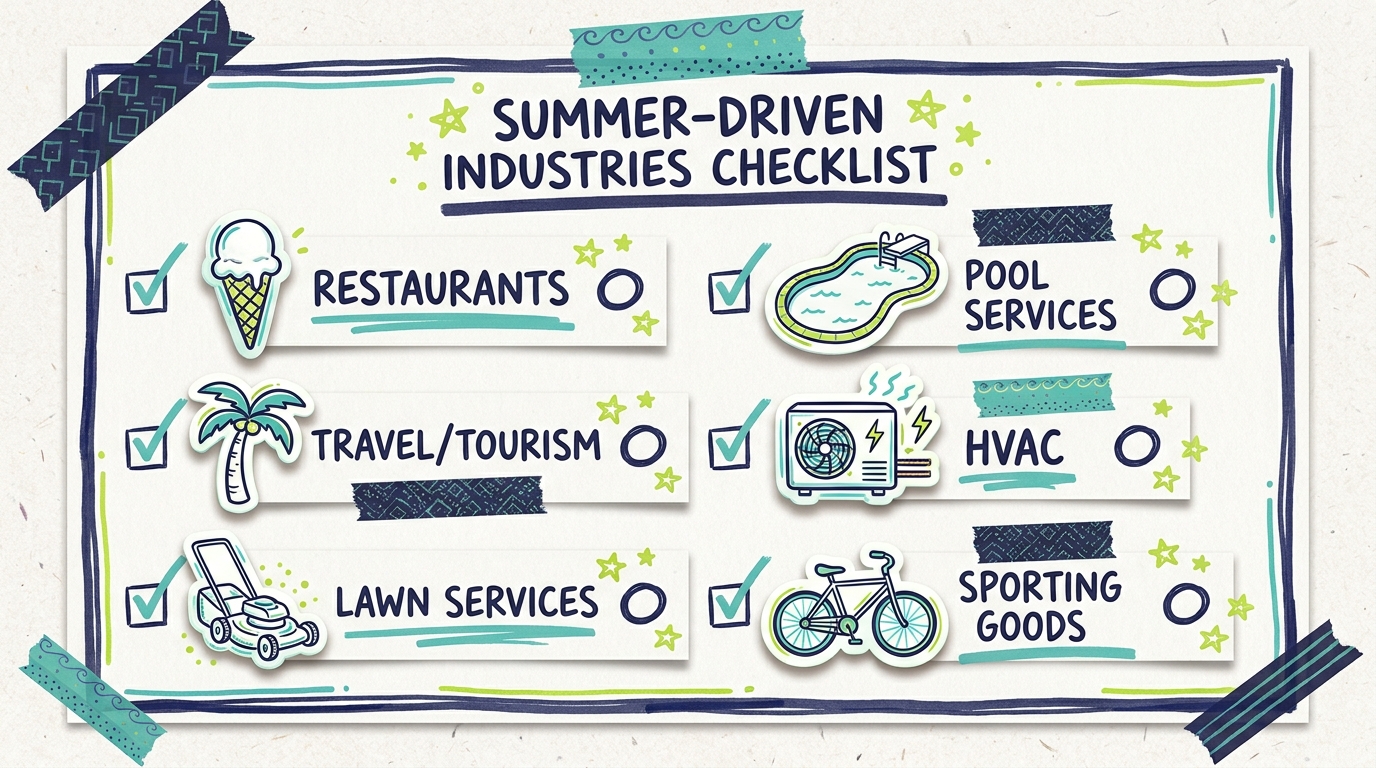
Restaurants and food service. Outdoor dining, ice cream, takeout, family meals. Summer drives 20-40% higher restaurant spending versus baseline.
Travel, hotels, and tourism. Booking and last-minute travel decisions peak May through August. Local hotels, regional resorts, RV parks, attractions, and tourism boards see returns that justify aggressive summer TV spending.
Pool, lawn, and outdoor home services. Pool installation, lawn care, pest control, exterior painting, deck refinishing. Demand peaks May through July.
Air conditioning and HVAC. First heat wave of summer drives 3-5x baseline service calls. AC sales and installation peak May-August.
Sporting goods and outdoor recreation. Bikes, boats, kayaks, camping gear, golf equipment, pool floats, BBQ grills. Summer is peak.
Auto dealerships. Summer sales events ("Summer Drive Off the Lot"), end-of-model-year clearance starting in August, family vehicle decisions during vacation.
Real estate. Most home sales close summer (May through August). Family movers prefer summer transitions before school starts.
Theme parks, amusements, and entertainment. Peak season for parks, water parks, mini-golf, concerts, festivals, and similar.
Wedding services. Most weddings happen May through October. Florists, caterers, photographers, venues see summer peak booking and execution.
Beverages. Beer, wine, hard seltzers, soft drinks, sports drinks, ready-to-drink cocktails. Summer is THE category-driving season.
Sunscreen, swimwear, sunglasses, and seasonal apparel. Self-explanatory.
Outdoor furniture and grills. Peak May-July sales windows.
Streaming services and entertainment platforms. Summer programming launches and acquisition campaigns. Many streamers buy heavily in summer to acquire viewers ahead of fall content drops.
If your industry is on this list, summer should be at least 25-35% of your annual TV ad budget.
Summer Audience Behavior Differences
Understanding how audiences behave differently in summer shapes what creative works.
More mobile-and-couch viewing. Vacation, beach houses, and rainy-day relaxation drive viewing that's less "appointment TV" and more passive streaming. Ads that work in this context are emotional and atmospheric rather than complex or intense.
Family co-viewing. Kids are home more, watching more streaming with parents. Family-friendly creative that doesn't alienate any household member outperforms purely adult-targeted creative.
Ad-supported streaming surges. Free streaming platforms (Tubi, Pluto TV, Freevee, FAST channels) see significant summer growth. Reaching cord-cutters and budget-conscious viewers means going where they watch.
Sports viewing patterns. Baseball season hits stride, MLB All-Star, summer Olympics in 2026, soccer leagues, golf majors. Sports-adjacent creative reaches engaged sports audiences.
Outdoor moments matter. July 4th, Memorial Day weekend, summer vacation peaks (mid-July through Labor Day). Creative that resonates with these moments converts better than generic summer messaging.
Decisions are slower (sometimes). Consumers have more time. Long-consideration decisions (cars, home improvements, fall enrollment) get more research time. Multi-touchpoint campaigns work better than direct-response in summer.
Decisions are faster (other times). Impulse summer purchases (vacation booking, spontaneous dining, "let's get a new pool float") are common. Direct-response summer ads with strong CTAs and time-limited offers win impulse moments.
Summer-Specific Creative That Works
Summer TV ads break the rules of fall and winter creative.
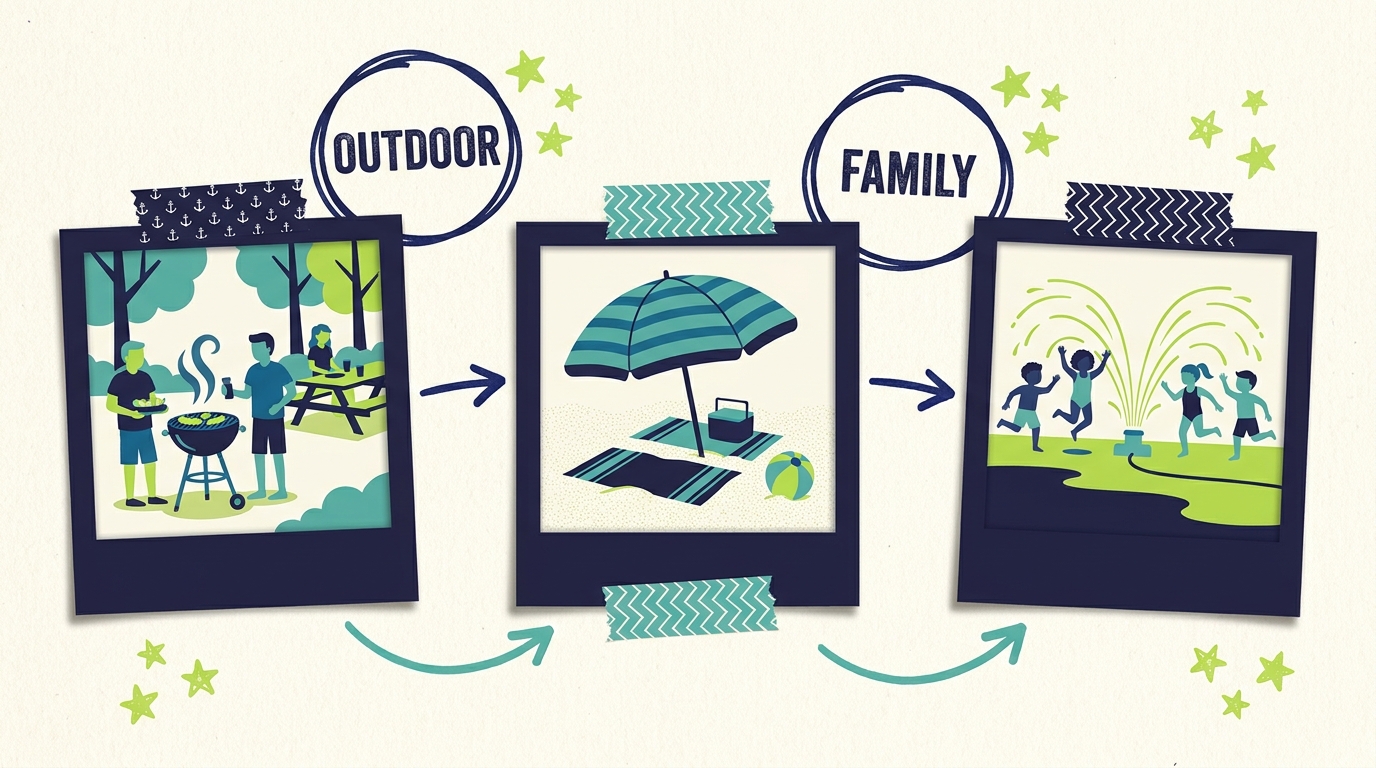
Outdoor settings dominate. Show your product in real summer contexts. Backyard, beach, pool, camping, parks, dining patios, road trips. Indoor settings feel out of place in summer.
Music and energy matter more. Summer ads with up-tempo soundtracks outperform serious or somber tones. Even practical service businesses benefit from "summer feel" creative versus their fall/winter counterparts.
Heat, refreshment, and reprieve. Whatever your product, find the summer benefit angle. AC service is "stay cool when it counts." Restaurant takeout is "dinner without heating up the kitchen." HVAC is "before the first heat wave."
Family scenes resonate. Multi-generational summer moments (grandparents, parents, kids) often drive emotional connection across audiences.
Practical urgency for service businesses. "Schedule your AC tune-up before the next heat wave" creates immediate urgency. "Pool service slots fill by Memorial Day" creates booking-window pressure.
Vacation and travel imagery. Even non-travel businesses benefit from vacation-adjacent imagery. People relate.
Sunshine, water, green grass. Visual cues that signal "summer" instantly. Avoid winter-coded imagery that breaks the seasonal mood.
Avoid heavy or serious tones. Summer audiences are in vacation mindset. Heavy emotional appeals or pessimistic messaging underperforms.
Local references. Mention specific summer events ("ahead of [local festival]," "before pool season closes"). Localized creative outperforms generic summer messaging.
For service businesses producing TV ads on a tight timeline, platforms like Adwave generate broadcast-quality 30-second spots from your website in about two minutes. You can tweak messaging, swap visuals, and refresh creative throughout summer without booking traditional production crews.
Budget Pacing Through Summer
When you spend matters as much as how much you spend in summer.
May: Setup Month
Memorial Day weekend kicks off the season. Most consumers form summer plans, intentions, and impressions in May.
Budget weighting: 15-20% of total summer budget. Light spend with focus on awareness and category education.
Creative focus: Anticipation, planning, "summer is coming" messaging. Strong call to action for early-season bookings (pool service, AC tune-ups, vacation planning).
Audience focus: Plan-ahead audiences, research-mode consumers, families finalizing summer plans.
June: Acceleration
Summer fully underway. Schools let out. Outdoor activities peak. First heat waves drive service demand.
Budget weighting: 25-30% of summer budget. Heavy direct-response and scaled awareness campaigns.
Creative focus: "Summer is here." Celebrate the season. Solve immediate problems (AC issues, pool prep, vacation planning gaps).
Audience focus: Active-consumption audiences. Heat-wave reactive customers (AC, indoor dining, AC retail). Family entertainment seekers.
July: Peak Season
Mid-summer peak. Vacation traffic. July 4th weekend. Heat waves nationally. Streaming consumption peaks for many demographics.
Budget weighting: 30-35% of summer budget. Heaviest spend of the season.
Creative focus: Emotional summer moments. Maximize CTV brand-building during peak engagement. Strong direct-response on summer-specific products.
Audience focus: Travelers, vacationers, peak-season decision makers. Cross-screen campaigns for travel-adjacent categories.
August: Conversion and Transition
Last 4-6 weeks of summer. Back-to-school approaches. Vacation winding down. Decision pressure on summer-only purchases.
Budget weighting: 20-25% of summer budget. Final-push direct response. Begin layering fall messaging.
Creative focus: "Last chance" summer messaging. End-of-season offers. Bridge to fall priorities (back-to-school, fall enrollment, fall service contracts).
Audience focus: Last-minute decision makers. Back-to-school families. Fall planning starters.
Summer TV Advertising Targeting Tactics
CTV's targeting capabilities let you reach summer audiences in ways linear TV never could.
Geographic targeting for travel. If you're a regional resort, hotel, or attraction, target both your home market AND major source markets that vacation in your area. Beach resorts can target metros 200-500 miles inland.
Heat-wave triggered campaigns. Some CTV platforms support real-time triggered campaigns. AC service companies can launch campaigns within hours of a heat advisory.
Sports-adjacent audiences. Target users watching baseball, soccer, tennis, golf, or outdoor sports content. Combined with category fit, this drives strong engagement.
Family targeting. Households with kids ages 5-15 see meaningful summer programming consumption. Family-business-friendly targeting matches summer audience reality.
Day-parting matters. Summer mid-day viewing (10am-2pm) jumps because kids are home and weather drives indoor moments. Many advertisers ignore mid-day; smart summer advertisers exploit it.
Streaming platform mix. Summer audiences spread across more platforms than fall/winter. Spread budget across Hulu, Peacock, Tubi, Roku Channel, Pluto TV, and YouTube TV instead of concentrating on one.
Frequency capping. Summer viewers are more captive but more annoyed by repetition (vacation rental TVs, kids watching) so cap frequency lower than during Q4. 3-5 impressions per week is often the sweet spot.
Measuring Summer TV Campaign Success
Summer TV success requires different KPIs than Q4 holiday or general direct-response campaigns.
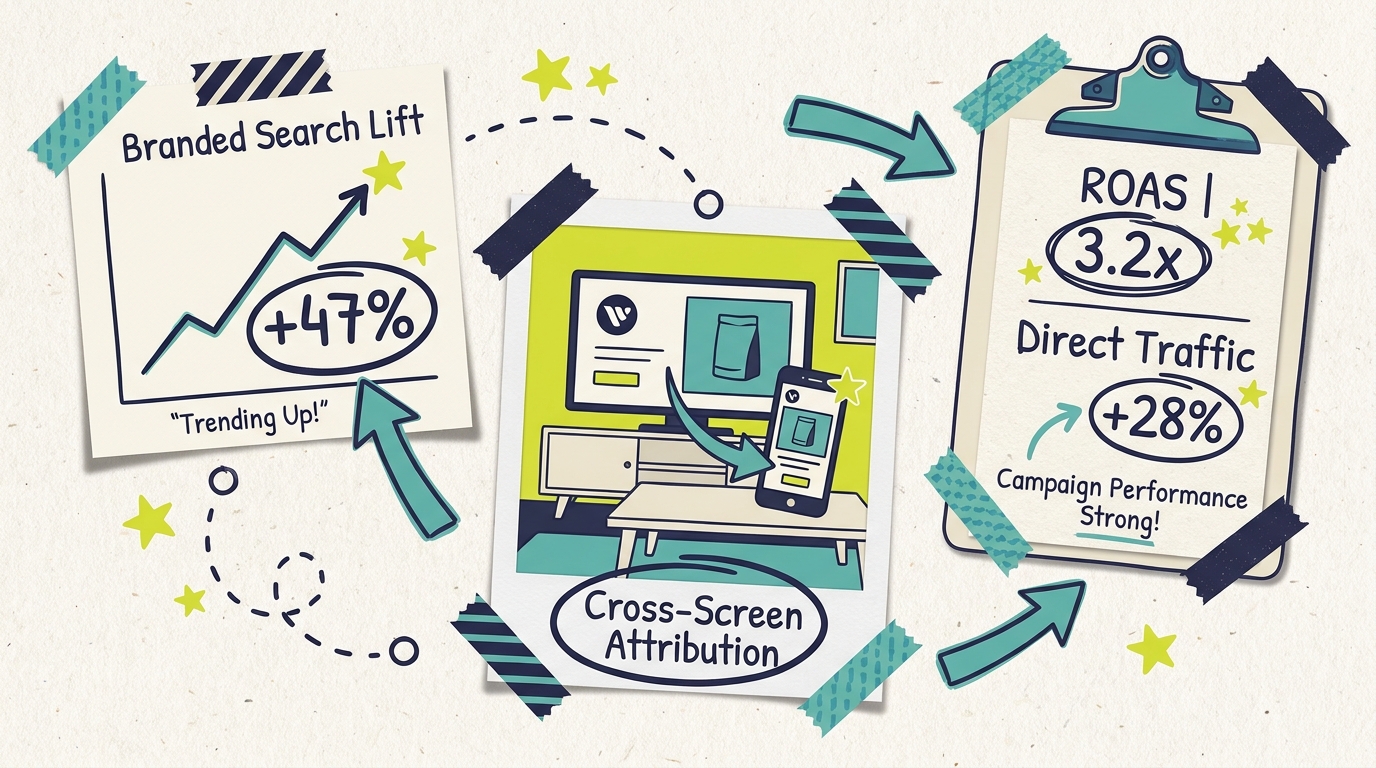
Branded search lift. Summer TV often drives meaningful searches for your brand 24-72 hours after exposure. Track branded search volume (Google Search Console, branded Google Ads search-impression data) before, during, and after campaign windows.
Direct traffic lift. Track unique visitors and direct-traffic sources during campaign weeks versus baseline. Direct traffic lift correlates strongly with TV ad effectiveness.
Geo-holdout testing. Run your TV campaign in 8-10 markets and hold out 3-5 demographically similar markets as control. Compare brand-search lift, store visits (if applicable), and conversion lift between test and control.
In-store visit data. For local service businesses, foot traffic data (Placer.ai, SafeGraph, GroundTruth) shows visit lift in TV-targeted markets. Powerful for restaurants, retailers, and service businesses with physical locations.
Call attribution. Track inbound call volume during and after campaign hours. Service businesses (HVAC, plumbing, AC) often see calls within hours of TV ad exposure.
Multi-touch attribution. Use modeled attribution to understand TV's role in multi-channel summer campaigns. Last-click attribution dramatically under-represents TV's influence on mobile and search conversions.
Engagement metrics on streaming partners. Most CTV platforms provide completion rate, view-through rate, and audience composition data. Use these to optimize creative within the summer window.
Net new customer acquisition. Track summer-period new customer counts versus baseline. Strong summer TV typically produces 10-30% new customer lift versus same-period prior year.
Summer TV Common Mistakes to Avoid
Smart marketers avoid these traps.
Spending the same budget across May-August. Front-loading May or coasting through August both miss peak audience moments. The 15-25-30-25-percentage breakdown above is the rough optimum for most categories.
Reusing fall/winter creative. Generic creative from Q4 underperforms versus summer-native creative. The cost of producing summer-specific creative ($500-$5,000 with platforms like Adwave; more with traditional production) pays back many times over.
Ignoring streaming-specific viewing. Buying only linear TV in summer misses cord-cutters and the demographic shift toward streaming. CTV should be a meaningful share of summer TV budget.
Dropping budget during vacation peak weeks. Many advertisers go dark July 1-15 thinking "no one's home." Wrong. Travel TVs, beach houses, and vacation rentals all stream. Streaming hours peak.
Forgetting frequency capping. Without proper caps, your same beach-themed ad runs 15 times during a single Hulu binge session. Annoying viewers destroys recall.
Skipping geographic broadening for travel audiences. If your category benefits from out-of-market summer travelers, geo-target broader than usual.
Underspending on the back-to-school transition. August conversion windows are often as strong as May setup. Don't pull back too early.
Summer TV Quick-Pick by Industry
Restaurants: Local CTV in 25-mile radius. $1,500-$5,000/month May-August. Heavy weekend day-parting.
Hotels and tourism: Source-market geo-targeting. $3,000-$15,000/month. Heavy May-July, taper August.
HVAC and AC service: Heat-wave reactive campaigns. $1,500-$8,000/month. Highest ROI of any seasonal industry on TV.
Pool and lawn services: May-July heavy spend. $1,000-$4,000/month. Front-load May setup.
Real estate agents: Family-targeting Q2 through Q3. $1,000-$3,000/month. Heavy June-August.
Sporting goods and outdoor: May-July heavy spend. $2,000-$10,000/month. Family targeting.
Auto dealerships: Summer-sale-event creative. $5,000-$25,000/month. Heavy June-August.
Beverages and dining brands: July 4th and Labor Day weekend heavy spend. $5,000-$50,000/month for established brands.
Streamers and entertainment: Summer programming launches. Varies widely.
Common Questions Answered
When should summer TV campaigns start?
Memorial Day weekend (late May) is the natural start for most categories. Service businesses with heat-driven demand (HVAC, AC, pool) should start mid-May to capture early planners. Travel and tourism should start as early as April for vacation planning windows.
How much should summer TV budget be relative to annual budget?
For summer-driven industries (restaurants, tourism, HVAC, pool, sporting goods), 25-35% of annual TV budget should hit between Memorial Day and Labor Day. For neutral industries, 15-20%. For winter-driven industries, 10% is enough to maintain awareness without wasting budget in slow seasons.
Is summer TV more expensive or less expensive than Q4 holiday TV?
Less expensive. CTV CPMs in summer typically run 15-30% lower than Q4 across most categories. Premium content (sports, MLB, summer Olympics) commands its own pricing, but general streaming inventory is meaningfully cheaper than Q4.
What's the single biggest summer TV mistake?
Reusing fall/winter creative instead of producing summer-specific creative. Generic ads underperform summer-native ones by 30-60% in CPMs and conversion rates. Producing summer creative is the highest-ROI investment most advertisers can make.
Should small businesses advertise on TV in summer?
Yes, for industries on the summer-driven list above. CTV starts at $50 through platforms like Adwave, making summer TV realistic for businesses that previously couldn't afford TV at all. Restaurants, HVAC, pool services, and tourism businesses should consider it baseline, not optional.
What's the best summer TV creative format?
30-second spots are the standard for full storytelling. 15-second spots work for direct-response and time-sensitive offers. Vertical 9:16 versions for mobile-streaming placements (most CTV apps now serve mobile and connected TV both). Test multiple formats and let performance data drive allocation.
Where to Start This Week (If It's Currently Pre-Memorial Day)
If summer is approaching and you don't have a TV plan yet, here's an 8-week ramp:
Week 1 (early May): Define your summer-driven offer or message. Plan creative themes for the next 4 months. Identify which weeks get heavy budget (July 4th, peak vacation weeks, end-of-summer).
Week 2: Produce summer-specific creative. Use Adwave for fast turnaround if you don't have a production timeline that fits.
Week 3: Launch CTV campaigns 2-3 weeks before Memorial Day. Light budget initially. Test creative variants.
Week 4 (Memorial Day window): Scale spend through Memorial Day weekend. Track engagement and adjust.
Weeks 5-12 (June through Labor Day): Maintain pacing per the 15-25-30-25 weighting above. Update creative every 4-6 weeks. Track branded search lift and direct traffic.
Week 13 (Labor Day week): Final summer push. Begin transitioning to fall creative for September launches.
If you're starting summer planning later (mid-June or later), compress the ramp and front-load the first 2 weeks heavily to catch up on missed setup time.
Looking Beyond Summer
Summer is one season in a year-round TV strategy. The smartest advertisers plan summer in February, refresh creative in April, execute through May-August, and pivot directly into fall and Q4 holiday planning.
For year-round seasonal planning, see our companion seasonal TV advertising calendar. For holiday and Q4 strategy, see our holiday TV advertising playbook.
Summer TV advertising is one of the most underrated growth opportunities in the calendar year. CPMs are lower. Audiences are spread across more platforms. Many advertisers under-invest. The brands that show up consistently with summer-native creative through Memorial Day, July 4th, peak vacation weeks, and Labor Day capture meaningful share at lower cost than any other season except early Q1.