
Valentine's Day isn't just for florists and chocolatiers. It's a $25 billion spending event that creates opportunities for restaurants, jewelers, spas, fitness studios, pet stores, and dozens of other local businesses. The couples celebrating, the singles treating themselves, the friends exchanging gifts, and the last-minute shoppers all represent customers looking for local solutions.
The challenge is standing out during a season when every business suddenly wants attention. Your competitors are ramping up their marketing. Big brands are dominating digital channels. And consumers are being bombarded with Valentine's messages from every direction.
This guide covers how local businesses can capture Valentine's Day spending, from timing your marketing to choosing the right channels to creating offers that convert.
The Valentine's Day Spending Opportunity
Valentine's Day spending in America exceeds $25 billion annually, with the average celebrating consumer spending over $185. While jewelry, flowers, and candy dominate the traditional gift categories, spending extends far beyond these obvious choices.
Experience spending is growing. Consumers increasingly prefer experiences over physical gifts. Dinner reservations, spa treatments, weekend getaways, and activity packages represent a growing share of Valentine's spending. This trend favors local businesses that can deliver memorable experiences.
Self-care purchases are rising. The "treat yourself" movement has transformed Valentine's Day beyond romantic gestures. Singles, friends, and couples all use the holiday as an excuse for personal indulgences, creating opportunities for businesses that might not seem Valentine's-adjacent.
Pet spending keeps climbing. Americans spend over $2 billion on Valentine's gifts for their pets. Pet stores, groomers, and pet photographers can tap into this enthusiastic market of pet parents celebrating their "fur babies."
Last-minute shopping dominates. Nearly half of Valentine's shoppers wait until the week before the holiday to make purchases. This creates opportunities for local businesses that can capture these urgent buyers when e-commerce shipping windows close.
Timing Your Valentine's Marketing
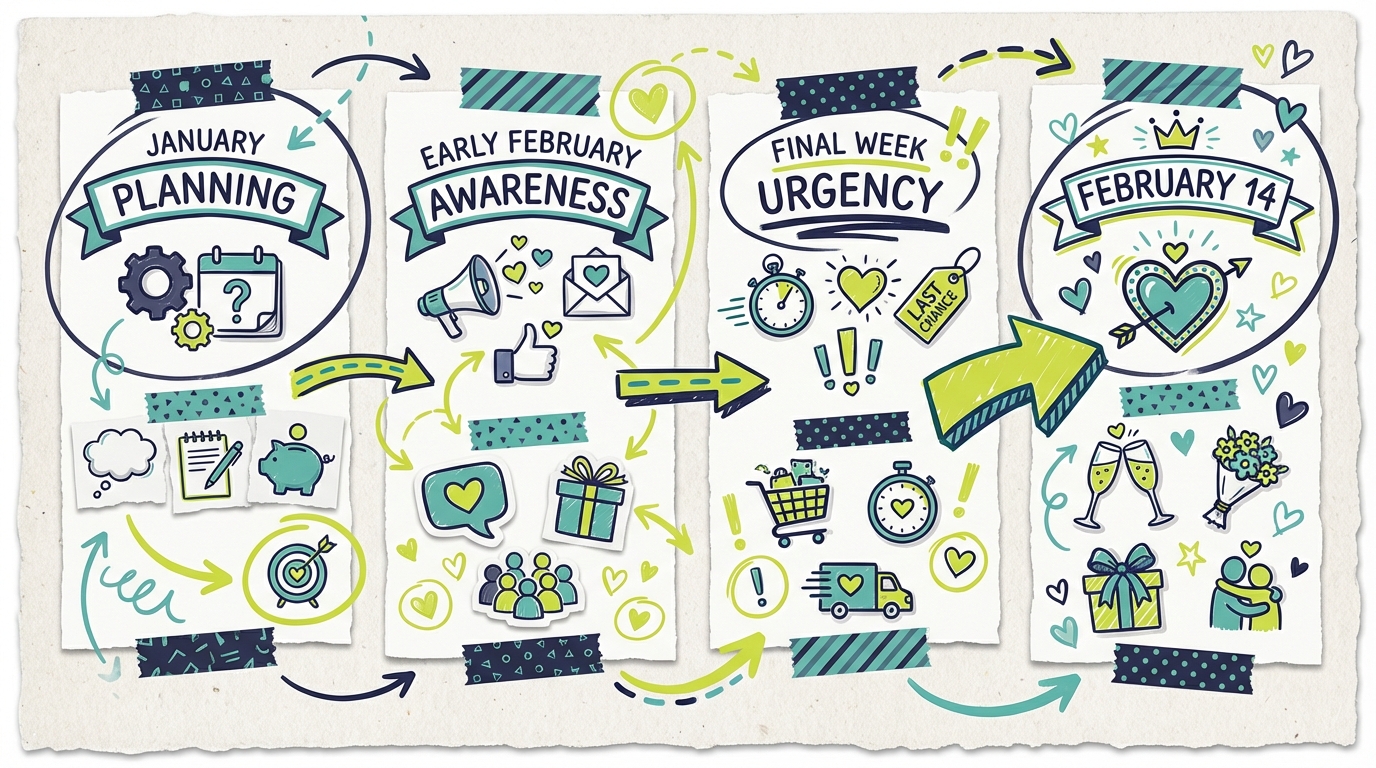
The Valentine's shopping window is compressed but predictable. Understanding when customers make decisions helps you time your marketing for maximum impact.
January planning phase (January 1-31). Early planners research options and make reservations for popular experiences. Restaurants, spas, and entertainment venues should book their advertising to capture these advance planners. Promote reservation specials and early-bird offers.
Early February awareness (February 1-7). The main shopping wave begins. Consumers are actively thinking about Valentine's plans but haven't committed. This is prime time for building awareness and presenting your Valentine's offers. TV advertising during this period reaches consumers as they're making decisions.
Final week urgency (February 8-13). Last-minute shoppers dominate this period. They need solutions that can be delivered or experienced immediately. Emphasize availability, gift cards, same-day options, and in-stock merchandise. Local businesses have a major advantage over e-commerce during this crunch.
Valentine's Day itself (February 14). Walk-in traffic and same-day services peak. Restaurants serve romantic dinners. Florists handle final deliveries. Spas accommodate last-minute bookings. Make sure your hours and availability are clearly communicated.
Post-Valentine's opportunity (February 15+). Many businesses ignore post-Valentine's marketing, but opportunities remain. Discounted flowers and chocolates, belated celebration dinners, and "anti-Valentine's" events can capture additional revenue.
Valentine's Marketing Strategies by Business Type

Different local businesses can approach Valentine's Day in different ways. Here's how various business types can tap into the holiday spending surge.
Restaurants and Bars
Valentine's Day is one of the biggest restaurant nights of the year. Competition for reservations is intense, which means early marketing matters.
Promote special menus. Create prix fixe menus with romantic touches. Champagne pairings, special desserts, and shareable appetizers all enhance the experience and justify premium pricing.
Emphasize the experience. Couples want more than food; they want an experience. Highlight ambiance, live music, special decorations, and anything that makes your Valentine's offering feel different from a regular dinner.
Capture different segments. Not everyone celebrates with a romantic dinner. Galentine's Day (February 13) targets friend groups. Anti-Valentine's events appeal to singles. Family celebrations work for parents with young children. Create offerings for multiple audiences.
Push reservations early. Start promoting reservations in mid-January. Use TV advertising to build awareness of your Valentine's offerings before tables fill up. Scarcity messaging becomes effective as the date approaches.
Florists and Gift Shops
These businesses see their biggest sales of the year around Valentine's Day. The challenge is capturing share in a crowded market.
Differentiate your arrangements. Everyone sells roses. What makes yours special? Unique varieties, local sourcing, creative arrangements, or premium presentation all provide differentiation points worth advertising.
Offer delivery guarantees. Valentine's flower delivery is high-stakes. Customers worry about on-time delivery and quality upon arrival. Strong guarantees reduce purchase anxiety and justify premium pricing.
Promote gift alternatives. Not everyone wants flowers. Balloons, chocolates, stuffed animals, and gift baskets all represent opportunities. Showcase your full range of Valentine's gift options.
Target last-minute shoppers. Many florist sales happen in the final days before Valentine's Day. Ensure your advertising runs through February 13, and emphasize same-day availability.
Spas and Wellness
Valentine's Day creates strong demand for couple's treatments and self-care experiences.
Create couples packages. Side-by-side massages, spa day packages, and romantic treatments appeal to couples celebrating together. Bundle services and add romantic touches like champagne or chocolates.
Promote gift certificates. Not every gift recipient wants their treatment on Valentine's Day. Gift certificates let purchasers give spa experiences without booking a specific date. This is also ideal for last-minute shoppers.
Target self-care buyers. Singles and friends treating themselves represent a significant market. "Treat yourself" messaging resonates with consumers celebrating self-love or friendship.
Book services early. Spa services require scheduled appointments. Push Valentine's booking early in February to fill your calendar before competitors capture the available customers.
Jewelry Stores
Valentine's Day is one of the top jewelry-buying occasions after the December holidays.
Emphasize occasion appropriateness. Help customers understand what jewelry is appropriate for different relationship stages. First Valentine's together calls for different gifts than tenth anniversary celebrations.
Showcase price ranges. Customers have varied budgets. Display options from affordable accessories to significant pieces. Don't assume Valentine's shoppers only want inexpensive gifts.
Offer services. Cleaning, repairs, resizing, and engraving all represent additional revenue and reasons to visit your store. Promote these services alongside gift merchandise.
Stay open late. Last-minute shoppers need access. Extended hours in the week before Valentine's Day capture sales that would otherwise go to competitors.
Fitness Studios and Gyms
Fitness businesses can offer Valentine's Day classes or activities for pairs.
Sell couple's packages. Partner memberships, couples' training sessions, and date-night fitness classes appeal to active couples celebrating together.
Promote self-love fitness. "Love yourself" messaging connects fitness with Valentine's themes. This works especially well for targeting singles who want to invest in themselves.
Offer gift memberships. Fitness gifts show care for someone's health and wellbeing. Gift cards and trial memberships let recipients choose their own experience.
Host Valentine's events. Dance classes, partner yoga sessions, or singles' mixer workouts create community and drive trial visits from new potential members.
Pet Businesses
Pet Valentine's spending exceeds $2 billion annually. Pet parents enthusiastically celebrate their animals.
Create pet gift sets. Curated boxes with treats, toys, and accessories make perfect Valentine's gifts for pet parents who want to spoil their animals.
Offer photo packages. Valentine's-themed pet photography sessions are popular with pet owners who love sharing their animals on social media.
Promote grooming specials. "Pamper your pet" messaging aligns with Valentine's self-care themes. Special grooming packages or add-on services capture holiday spending.
Stock Valentine's merchandise. Heart-themed toys, treats, bandanas, and accessories sell well in the weeks before Valentine's Day.
Building Awareness Before the Rush
The businesses that win Valentine's Day are the ones customers think of first when they start planning. Building awareness before the shopping rush puts you in consideration sets.
Start early with TV advertising. Streaming TV advertising builds the awareness that makes customers think of you when Valentine's planning begins. Start campaigns in late January to reach early planners and continue through the shopping window.
TV advertising is especially effective for Valentine's marketing because it reaches consumers in a relaxed, receptive state. Someone watching Netflix or Hulu in the evening is more open to Valentine's inspiration than someone scrolling social media while distracted.
Use visual storytelling. Valentine's Day is emotional. Show the experience you provide: the romantic dinner, the recipient opening the gift, the couple enjoying the spa treatment. TV advertising lets you tell visual stories that static ads cannot.
Target local audiences. Every Valentine's purchase is local. Someone needs a dinner reservation in their city, flowers delivered to their address, spa treatments they can reach. Geographic targeting ensures your advertising reaches people in your service area.
Maintain presence through the window. Valentine's shopping happens in waves. Early planners, main shoppers, and last-minute buyers all need different messages at different times. Consistent advertising presence ensures you reach customers whenever they're ready to act.
Creating Valentine's Offers That Convert
Your marketing is only as good as the offer behind it. Create Valentine's offers that give customers compelling reasons to choose you.
Add value, not just discounts. Deep discounts can devalue your brand during a premium buying occasion. Instead, add value: complimentary champagne, free gift wrapping, bonus services, or upgraded experiences.
Create exclusivity. Limited availability creates urgency. "Only 20 tables available for our Valentine's dinner" or "Valentine's gift sets while supplies last" motivates action.
Bundle strategically. Combine products or services into Valentine's packages that offer perceived value while maintaining margins. A dinner, dessert, and champagne package costs less to promote than each item separately.
Make gifting easy. Gift buyers don't always know what recipients want. Gift cards, experience vouchers, and curated selections reduce decision anxiety and make your business easier to buy from.
Solve the last-minute problem. Position your business as the solution for procrastinators. Same-day availability, gift cards, and walk-in options capture sales that last-minute shoppers might otherwise lose.
Digital Marketing for Valentine's Day
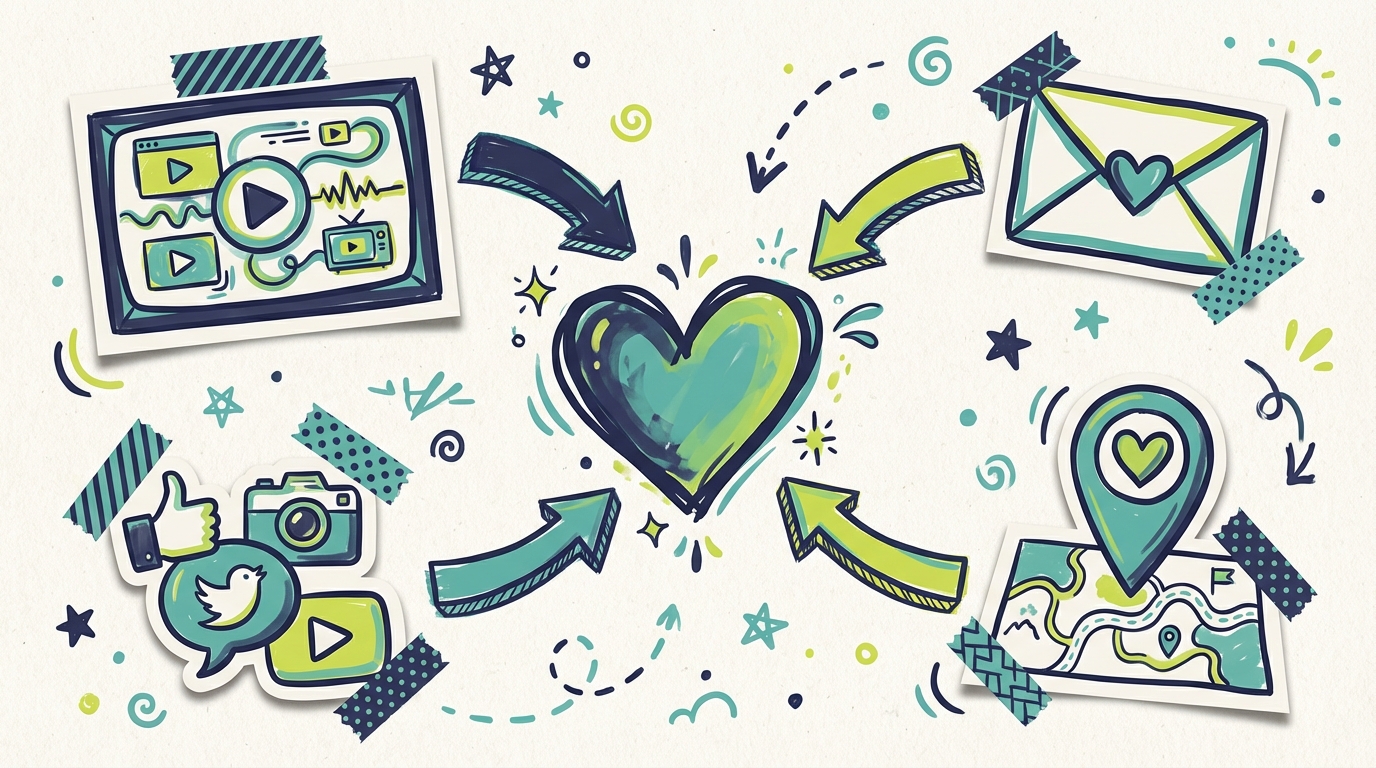
While TV advertising builds broad awareness, digital channels capture intent and drive conversions.
Optimize for Valentine's searches. Update your website with Valentine's content. Create landing pages for Valentine's offerings. Ensure your Google Business Profile shows Valentine's specials and hours.
Run targeted social ads. Facebook and Instagram let you target couples, gift givers, and last-minute shoppers. Layer geographic targeting to reach local audiences with Valentine's creative.
Email your existing customers. Your customer list is your best Valentine's audience. They already know your business; they just need a reminder and a reason to return for Valentine's.
Capture last-minute searches. Google Ads capture high-intent searches like "Valentine's dinner near me" or "florist open now." Budget heavily for the final week when these searches peak.
Standing Out in a Crowded Season
Every business markets during Valentine's Day, which creates noise your message must cut through. Here's how to differentiate.
Be specific about your audience. Generic "Valentine's specials" messages get lost. Target specific audiences: couples married 20+ years, new relationships, galentine's friend groups, pet parents, or self-care singles. Specific messages resonate more strongly.
Tell a story. Rather than listing features or prices, tell stories about Valentine's experiences at your business. The couple who got engaged at your restaurant. The annual tradition of your flower arrangements. These stories make your business memorable.
Show real experiences. User-generated content and real customer moments build authenticity. Ask customers to share their Valentine's experiences and feature their content in your marketing.
Don't compete only on price. The cheapest option isn't always the winner for Valentine's purchases. Many customers specifically want premium experiences. Compete on quality, exclusivity, and experience rather than racing to the bottom on price.
Common Questions Answered
When should local businesses start Valentine's Day marketing? Start building awareness in mid-January to capture early planners, then intensify through the first two weeks of February. TV advertising should begin by late January and continue through February 13. Digital campaigns can ramp up starting February 1 and peak in the final week when last-minute searches surge.
Which local businesses benefit most from Valentine's Day marketing? Restaurants, florists, and jewelers are obvious beneficiaries, but the opportunity extends much further. Spas, salons, gift shops, bakeries, chocolatiers, photographers, entertainment venues, pet stores, and fitness studios all can capture Valentine's spending. Any business that sells experiences, gifts, or self-care services has potential.
How can local businesses compete with big brands during Valentine's Day? Focus on what local businesses do better: personal service, immediate availability, local delivery, and community connection. Big brands can't offer the intimate dinner experience or same-day flower delivery that local businesses provide. TV advertising helps make advertising more accessible by giving local businesses professional presence alongside national brands.
What Valentine's Day messaging works best for local businesses? Emotional messaging outperforms promotional messaging for Valentine's. Show the experience and the feeling rather than leading with prices and discounts. Specificity also helps: target messages to couples, singles, friends, or pet parents rather than generic Valentine's greetings. And always emphasize local availability and service that e-commerce cannot match.
How do local businesses capture last-minute Valentine's shoppers? Emphasize immediate availability in your messaging. "Open late," "same-day delivery," "walk-ins welcome," and "gift cards available" all signal to last-minute shoppers that you can solve their problem. Run advertising through February 13 and consider boosted presence in the final days when urgency peaks.
Building on Valentine's Success
Valentine's Day is just one opportunity in the calendar year. The marketing fundamentals that work for Valentine's Day work for other occasions too.
Mother's Day (second Sunday in May) drives significant spending on flowers, brunch, spa treatments, and gifts. Many of the same businesses that benefit from Valentine's Day see strong Mother's Day performance.
Father's Day (third Sunday in June) creates opportunities for restaurants, sports experiences, and certain gift categories.
Back-to-school season drives retail and service spending in late summer.
The holiday season from Thanksgiving through New Year's creates the year's biggest spending window.
Build your Valentine's marketing into a year-round calendar of seasonal campaigns. The awareness you build during Valentine's Day carries forward, making each subsequent campaign more effective as customers recognize your brand.
The Bottom Line
Valentine's Day creates a compressed window of intense consumer spending. Local businesses that build awareness before the rush, create compelling offers, and stay visible through the shopping period capture more than their share of the $25 billion opportunity.
Start your Valentine's marketing in January with TV advertising that builds awareness among early planners. Intensify through the first two weeks of February as the main shopping wave hits. And maintain presence through the final days to capture last-minute buyers that e-commerce can't serve.
The businesses that win Valentine's Day aren't just the obvious categories. Any local business that sells experiences, gifts, self-care, or celebration can find a Valentine's angle. The key is starting early, staying visible, and giving customers compelling reasons to choose you.
Ready to build awareness for Valentine's Day and beyond? Create your first TV ad in minutes and reach local customers on streaming platforms, starting at just $50.


