-
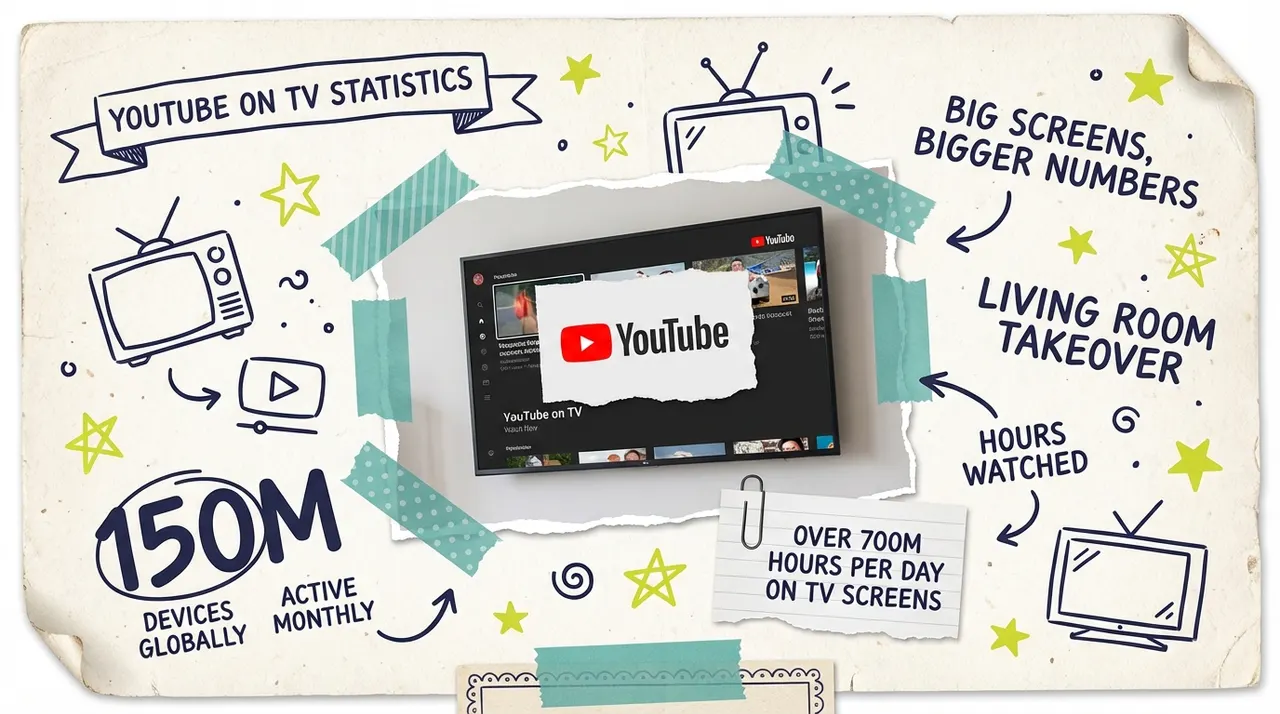
150M
Americans watch YouTube on TV monthly
-
11.6%
Share of total TV viewing time
-
36%
YouTube viewing now happens on TV screens
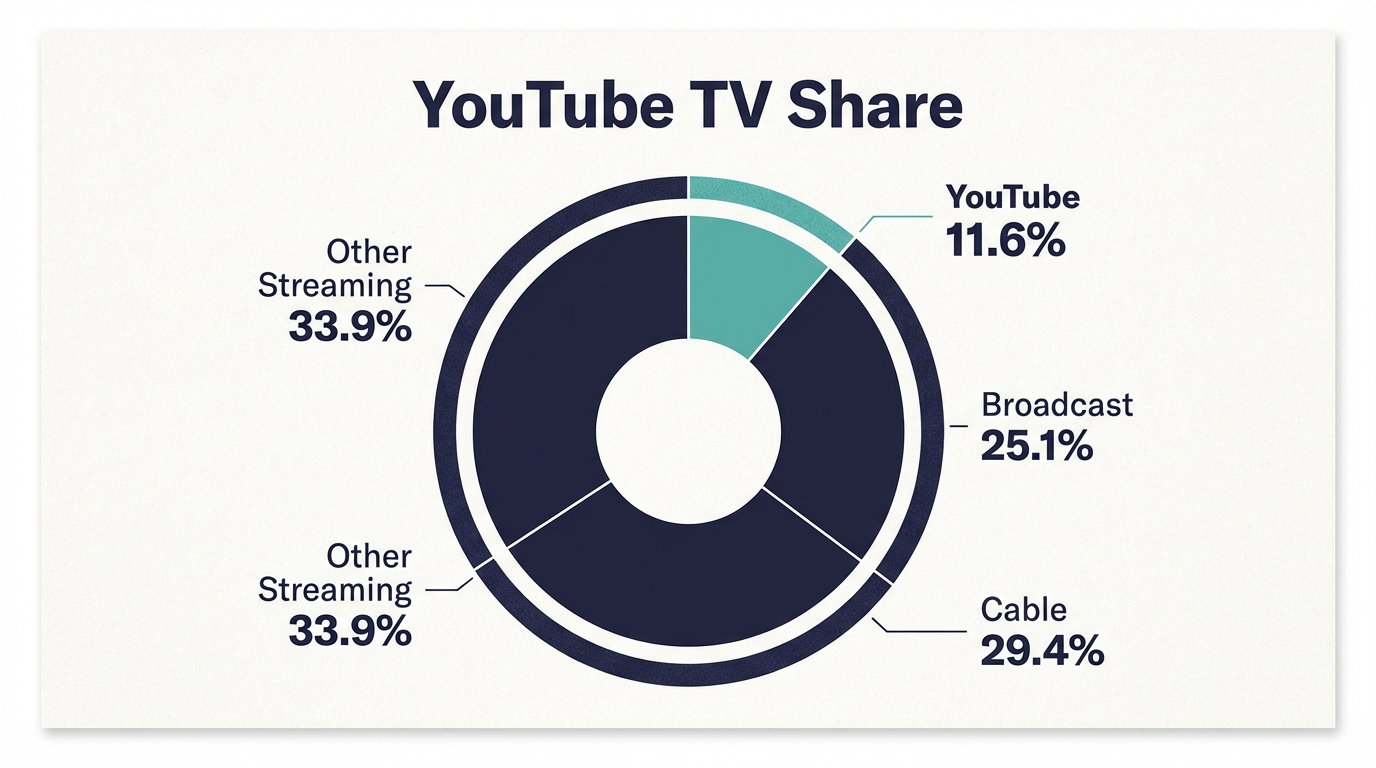
Over 150 million Americans now watch YouTube on connected TV screens each month, representing more than 40% of the U.S. population, according to Livemint. YouTube has become the dominant streaming platform by viewing time, capturing 11.6% of total TV viewing in February 2025 according to Nielsen. This transformation from desktop video platform to living room staple represents one of the most significant shifts in American viewing habits.
What the data shows
YouTube's transformation from a desktop video platform to a living room entertainment staple represents one of the most significant shifts in American viewing habits over the past decade. According to Nielsen's February 2025 report, YouTube achieved 11.6% of total TV viewing time, making it the single most-watched streaming platform in America. This milestone reflects years of strategic investment in living room experiences and content creator partnerships.
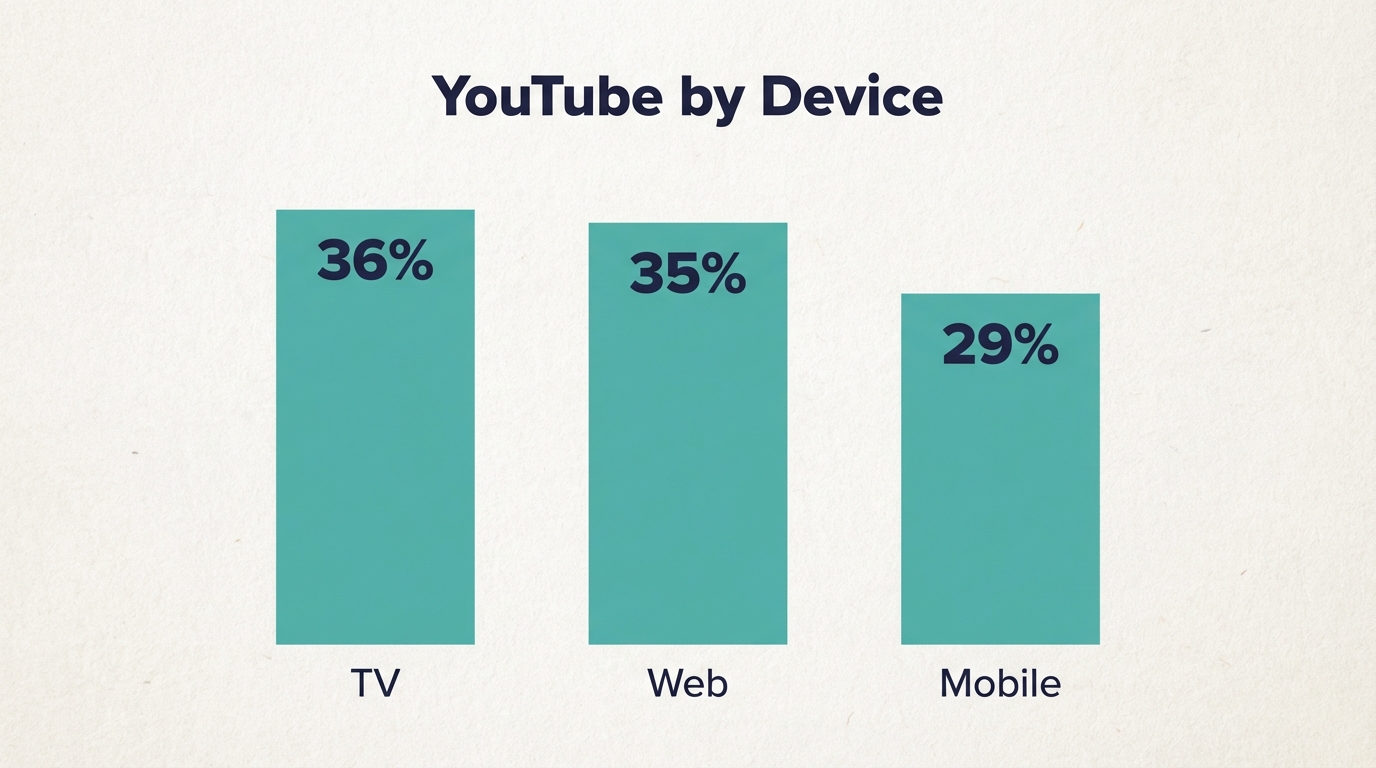
TV screens became the primary device for YouTube consumption in the U.S. during the first half of 2025, accounting for 36% of total viewer hours. This shift marks a fundamental change in how Americans engage with YouTube content. What began as a platform for short clips watched on computers has evolved into a primary television entertainment source.
The 150 million monthly CTV viewers represent a massive advertising opportunity for businesses of all sizes. YouTube's CTV audience skews younger than traditional television but includes substantial viewership across all age groups. Unlike traditional TV networks that struggle to attract younger viewers, YouTube maintains strong engagement with Gen Z and Millennial audiences while also reaching older demographics.
YouTube's CTV growth has been driven by several factors. Smart TV adoption has made YouTube accessible on virtually every new television sold. YouTube's app comes pre-installed on most smart TVs and streaming devices. YouTube has invested heavily in living room-optimized features, including improved navigation, autoplay functionality, and integration with voice assistants.
The platform's diverse content library contributes to its CTV dominance. Unlike traditional streaming services that rely on licensed or original scripted content, YouTube offers an effectively infinite catalog spanning every conceivable topic and format. From music videos and podcasts to gaming streams and educational content, YouTube serves virtually every viewer interest.
Understanding YouTube's dominance connects to broader trends in streaming TV viewing and connected TV advertising that are reshaping the media landscape.
Breaking down the numbers
By viewing context
YouTube consumption on TV screens differs significantly from mobile and desktop viewing, creating distinct advertising opportunities and viewer engagement patterns.
Lean-back viewing dominates YouTube TV consumption. Unlike mobile YouTube usage, which often involves quick clips and active browsing, TV viewers typically engage in longer viewing sessions with less active navigation. Average session length on CTV exceeds 45 minutes, compared to approximately 20 minutes on mobile devices.
Co-viewing is common on YouTube TV. Nielsen data indicates that YouTube CTV sessions frequently involve multiple household members watching together, increasing effective reach and creating shared viewing experiences. This co-viewing pattern amplifies advertising impressions and can facilitate purchase discussions among household decision-makers.
Primetime viewing patterns on YouTube CTV mirror traditional television, with peak viewership between 7 PM and 11 PM local time. This primetime concentration means YouTube CTV advertising reaches viewers during high-attention evening hours when purchase consideration is often highest.
By content category
YouTube's diverse content ecosystem creates varied advertising opportunities across different viewer interests and demographics.
Music and music videos represent YouTube's largest content category on CTV, with viewers often using the platform as a background entertainment source during gatherings and daily activities. Music content attracts broad demographic reach and sustained viewing sessions.
Gaming content, including gameplay streams, reviews, and esports, draws substantial CTV viewership, especially among younger male viewers. Gaming creators like MrBeast have transcended the gaming category to become mainstream entertainment, attracting diverse audiences to YouTube CTV.
Educational and how-to content performs strongly on YouTube CTV, with viewers using the platform to learn everything from cooking techniques to home improvement projects. This intent-rich viewing context creates opportunities for advertisers whose products align with viewer learning objectives.
Podcasts and long-form talk content have grown significantly on YouTube CTV, with video podcasts attracting dedicated audiences who watch full episodes. This content category offers extended advertising opportunities within highly engaged viewing sessions.
Sports highlights, analysis, and commentary draw substantial viewership, especially from cord-cutters seeking sports content outside traditional broadcast and cable packages. This audience often has high purchase intent for sports-related products and services.
By demographic
YouTube CTV reaches audiences across demographic segments, though viewership patterns vary significantly by age, income, and household composition.
Young adults (18-34) over-index significantly for YouTube CTV viewership compared to traditional television. For advertisers struggling to reach younger demographics through traditional TV buys, YouTube CTV provides essential reach extension. This demographic drives YouTube's overall viewing share gains.
Parents with children watch substantial YouTube content on TV screens, often with kids present during viewing sessions. Family-friendly content categories perform strongly in household viewing contexts. YouTube Kids content and creator programming appropriate for all ages attract family co-viewing.
Higher-income households show strong YouTube CTV adoption, driven by higher smart TV and streaming device penetration in affluent homes. YouTube CTV reaches valuable consumer segments that advertisers prize.
Hispanic and multicultural audiences show especially high YouTube CTV engagement, with Spanish-language content attracting significant viewership. YouTube's global content library includes extensive Spanish-language programming that resonates with U.S. Hispanic audiences.
Adults 18-34: Approximately 15% of TV time on YouTube (highest share among age groups)
Adults 35-49: Approximately 11% of TV time on YouTube
Adults 50-64: Approximately 7% of TV time on YouTube
Adults 65+: Approximately 4% of TV time on YouTube (lowest share)
Why it matters for your business
YouTube's CTV dominance creates unprecedented advertising opportunities for businesses of all sizes. Understanding the platform's reach and capabilities helps businesses develop effective TV advertising strategies.
For local businesses, YouTube CTV advertising provides access to engaged viewers on the biggest screen in their homes. Geographic targeting allows businesses to reach YouTube CTV viewers in specific markets without paying for national reach. A local restaurant can advertise to YouTube CTV viewers within a 15-mile radius, reaching them during primetime viewing sessions.
YouTube's targeting capabilities exceed what traditional television advertising can offer. Beyond geographic targeting, advertisers can reach viewers based on interests, search history, viewing behavior, and demographic characteristics. This precision makes YouTube CTV advertising more efficient than broad linear TV buys.
Local TV advertising through YouTube CTV can be highly effective for businesses like restaurants, dental practices, and home service providers seeking to reach local audiences.
The shift of younger audiences to YouTube CTV means businesses targeting younger demographics must include YouTube in their TV advertising strategies. Traditional television alone cannot reach the full demographic spectrum that YouTube CTV delivers.
How to take advantage of this trend
Businesses can access YouTube CTV advertising through several pathways, depending on budget, expertise, and campaign objectives.
For small businesses, programmatic CTV platforms provide the most accessible entry point to YouTube CTV inventory. Platforms like Adwave aggregate streaming inventory across YouTube and other premium services, allowing advertisers to reach CTV audiences with budgets starting as low as $50. These platforms handle the technical complexity of CTV advertising while providing targeting and measurement capabilities.
Consider YouTube CTV as part of a broader streaming strategy rather than a standalone channel. YouTube CTV viewers typically use multiple streaming platforms, so campaigns that reach audiences across services often perform better than single-platform approaches. A diversified streaming strategy ensures detailed reach.
Match your creative to the viewing context. YouTube CTV viewers engage with longer content in a lean-back environment. Advertising creative should be appropriate for television viewing, with clear audio, readable text, and professional production values. With platforms like Adwave, AI-generated creative can achieve broadcast-quality production without traditional production costs.
Use YouTube's targeting capabilities to reach your ideal customers. Interest-based targeting allows you to reach viewers watching content relevant to your business. Geographic targeting focuses spending on viewers in your service area. Demographic targeting ensures your message reaches the right age and income groups.
Test different content adjacencies to understand what works for your business. YouTube's diverse content ecosystem means your ads can appear alongside many different types of programming. Testing reveals which content contexts drive the best results for your specific objectives.
Geographic targeting: Reach CTV viewers within your service area with local radius targeting
Diversified strategy: Include YouTube CTV as part of a multi-platform streaming approach
TV-quality creative: Match lean-back viewing context with professional, broadcast-quality ads
Interest targeting: Use behavioral and interest signals beyond basic demographics
Content testing: Experiment with different content adjacencies to find best-performing contexts
The bigger picture
YouTube versus traditional streaming
YouTube's dominance over traditional streaming services like Netflix and Disney+ reflects fundamental differences in content strategy and viewer engagement. While traditional streamers rely on expensive original content and licensed programming, YouTube's creator-driven model produces virtually unlimited content at no direct cost to the platform.
This content efficiency advantage positions YouTube to maintain or extend its viewing share lead. Traditional streamers face content cost pressures that YouTube largely avoids. As subscription fatigue grows, YouTube's free ad-supported model may attract additional viewers from paid services.
Advertising opportunity evolution
YouTube's CTV advertising capabilities continue to evolve, with the platform investing in measurement, targeting, and ad format innovation. New features like shoppable ads, interactive formats, and advanced attribution tools make YouTube CTV advertising increasingly sophisticated.
The platform's first-party data advantages, derived from Google account sign-ins and viewing history, provide targeting capabilities that other CTV platforms cannot match. As privacy changes limit third-party targeting, YouTube's first-party data becomes increasingly valuable.
Creator economy impact
YouTube's creator ecosystem drives viewing and differentiates the platform from traditional entertainment. Top creators attract loyal audiences that follow them across content and platforms. This creator-audience relationship creates advertising opportunities that traditional media cannot replicate.
Brands increasingly partner with YouTube creators for integrated advertising that feels native to the viewing experience. These partnerships can extend to CTV campaigns that use creator credibility and audience engagement.
What experts are saying
Industry analysts have noted YouTube's remarkable CTV growth and its implications for advertisers and traditional media.
Media analysts point to YouTube's 11.6% viewing share as evidence that creator-driven content can compete with and surpass traditional entertainment. The platform's ability to attract both young viewers and increasingly older demographics positions it as a detailed advertising vehicle.
Advertising industry experts highlight YouTube CTV's targeting advantages as a key differentiator from traditional TV advertising. The combination of TV-like reach with digital targeting precision creates advertising opportunities unavailable through other channels.
Television executives acknowledge YouTube as a legitimate competitor for viewing attention and advertising dollars. The platform's CTV growth has accelerated industry transformation and forced traditional media to adapt their strategies.
Common questions answered
How many Americans watch YouTube on TV?
Over 150 million Americans watch YouTube on connected TV screens each month, representing approximately 40% of the U.S. population. YouTube is the most-watched streaming platform on television, with 11.6% of total TV viewing time.
Is YouTube bigger than Netflix on TV?
Yes, YouTube has surpassed Netflix in TV viewing share. Nielsen reports YouTube at 11.6% of total TV viewing compared to Netflix at approximately 8-9%. This makes YouTube the single largest streaming platform by viewing time on television screens.
Can small businesses advertise on YouTube TV?
Yes. Small businesses can reach YouTube CTV viewers through programmatic platforms that aggregate streaming inventory. Geographic and interest-based targeting allows local businesses to reach relevant viewers with budgets starting as low as $50.
What content is most popular on YouTube TV?
Music videos and music content represent the largest category on YouTube CTV, followed by gaming, educational content, podcasts, and sports highlights. The platform's diverse content library serves virtually every viewer interest.
How does YouTube CTV advertising differ from traditional TV ads?
YouTube CTV advertising offers targeting capabilities that traditional TV cannot match, including geographic, interest-based, and demographic targeting. Advertisers can also measure results more precisely and optimize campaigns in real-time.
Is YouTube CTV growing?
Yes. YouTube CTV viewership continues to grow, with TV screens now representing 36% of total YouTube viewing hours. The platform's viewing share on television has increased steadily as smart TV adoption grows and viewers shift to streaming.
Supporting data
Additional context on YouTube TV viewing statistics and advertising opportunities:
Monthly YouTube CTV viewers: 150+ million Americans (Livemint)
Total TV viewing share: 11.6% (Nielsen, February 2025)
TV share of YouTube viewing: 36% of total hours
Average CTV session length: 45+ minutes
Average mobile session length: ~20 minutes
Peak viewing hours: 7 PM - 11 PM local time
Smart TV YouTube app: Pre-installed on most new TVs
Position vs. Netflix: YouTube is #1 streaming platform by viewing time
All sources linked above. Data current as of September 2025.
Get started with TV advertising
Your ads can run across YouTube and 100+ other streaming platforms, reaching engaged viewers in your target area. No production budget required. AI creates your commercial from your website in minutes.