There are over 124,000 tax preparation businesses in the United States (IBISWorld, 2025). That's a lot of competition for a $14.3 billion industry (IBISWorld, 2025).
And the competition is getting fiercer. DIY tax software keeps growing, with 89 million Americans now preparing their own taxes on self-service platforms (P&S Market Research, 2024). TurboTax, H&R Block, and other software companies spend millions on TV advertising every January. Meanwhile, most independent tax preparers and CPA firms rely on word-of-mouth and the occasional Google ad.
Here's the good news: the same TV advertising that makes TurboTax a household name is now accessible to local tax practices. Streaming TV lets you put your firm in front of local taxpayers on NBC, Hulu, ESPN, and 100+ channels, from $30/day.
Why TV Advertising Works for Tax Preparers
Tax preparation is a trust business. People are handing over their most sensitive financial information. They need to trust you before they'll walk through your door or upload their W-2s. And trust is exactly what TV builds better than any other advertising channel.
The Trust Factor
89% of small and mid-sized businesses consider their accountants a trusted advisor (CPA Practice Advisor, 2024). But they need to know you exist first. When potential clients see your firm on streaming TV alongside major brands, it signals credibility and professionalism. You're another name in a Google search result. You're a real, established practice.
Competing With the Big Names
TurboTax, H&R Block, and Jackson Hewitt flood the airwaves every tax season. Their message is simple: do your taxes yourself, or come to a chain location. But they can't offer what you can: personalized attention, local expertise, year-round financial guidance, and a relationship that goes beyond April 15.
TV advertising gives you the platform to make that case. When a local taxpayer sees your ad right after a TurboTax commercial, they're reminded that there's a better option right in their neighborhood.
Reaching Taxpayers Who Need Professional Help
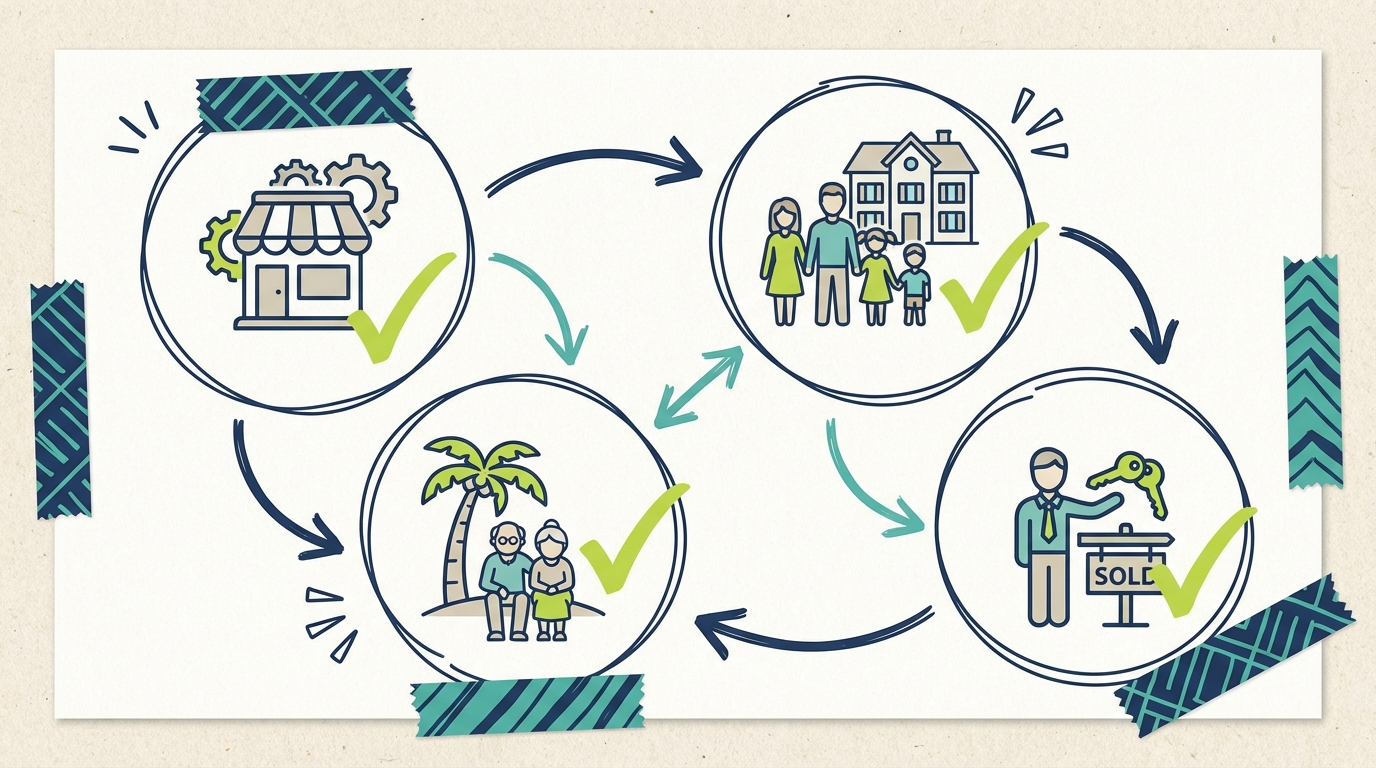
Not everyone should be filing their own taxes. Small business owners, people with investment income, those going through major life changes (marriage, divorce, home purchase, retirement) all benefit from professional guidance. These are exactly the people you want to reach, and CTV targeting lets you find them.
Timing Your TV Campaigns Around Tax Season
Tax preparation is one of the most seasonal businesses there is. Your advertising should match that rhythm.
The Tax Season Advertising Calendar
January (Critical): This is when the battle for new clients is won or lost. Tax forms start arriving. TurboTax and H&R Block launch their campaigns. Over half of tax filers plan to file by the end of February (CivicScience, 2025). If you're not advertising in January, you're already behind.
February-March (Peak season): Filing is in full swing. 93% of returns are filed electronically (Alliant Insight, 2024). Your ads should be running at full budget, targeting taxpayers who haven't filed yet.
April (Extension push): Remind procrastinators that you can file extensions and help them get organized. 58% of consumers expect a refund (Lexington Law, 2025), so refund messaging still resonates.
May-September (Off-season opportunity): Most tax preparers go silent. This is a smart time to advertise at a lower budget. Target small business owners who need quarterly estimated tax help, or run awareness campaigns about tax planning before year-end.
October-December (Planning season): Year-end tax planning, estimated tax payments, and early preparation for the next season. Target higher-income households and small business owners thinking about deductions and retirement contributions.
Who to Target With Your TV Ads

The beauty of streaming TV advertising is that you don't have to reach everyone. You can focus your budget on the people most likely to need and pay for professional tax help.
High-Value Targeting Options
Small business owners: This is the highest-value client segment for most tax preparers. Business owners have complex filing needs, typically stay with their preparer for years, and often need additional services (bookkeeping, payroll, advisory). Target households with business-related viewing interests.
Higher-income households: People earning above $100,000 are more likely to use a professional preparer and have more complex returns. 45% of adults over 55 use a personal accountant, compared to just 14% of those aged 18-24 (YouGov, 2024).
New homeowners: A first home purchase creates new tax situations (mortgage interest deduction, property taxes, possible home office). Target ZIP codes with recent home sales.
Geographic radius: Most tax clients prefer a local preparer. Target households within a 10-15 mile radius of your office.
What to Say in Your Tax Preparer TV Ad
64% of taxpayers experience stress during tax season (Nextdoor Business, 2025). Your ad should be the antidote to that stress.
Messaging That Works
Lead with relief, not features. "Stop stressing about your taxes" is a stronger opening than "We offer full-service tax preparation." People don't want to think about taxes. They want someone to take that burden away.
Highlight what software can't do. The main competitor for most tax preparers isn't another preparer. It's TurboTax. Position against the software:
"TurboTax doesn't know you moved to a new state last year"
"Software can't spot the deductions you're missing"
"A real person who knows your situation, not a chatbot"
Emphasize year-round value. Many taxpayers think of preparers as seasonal. Mention that you're available year-round for tax planning, IRS notices, estimated payments, and financial questions.
Use specific numbers. "Our average client saves $2,300 more than DIY filers" (if you have the data) is more convincing than "We'll maximize your refund."
Seasonal Ad Variations
Create different versions of your ad for different times of year:
Budget and Campaign Structure
You don't need to match TurboTax's advertising budget to make an impact locally. Here's how to structure your spending.
Tax season surge strategy: Run a baseline campaign year-round at $200-$400/month to maintain awareness. Then triple or quadruple your budget from January through April 15 when demand peaks. This approach keeps your name in front of clients throughout the year while concentrating your biggest investment when it matters most.
TV Advertising vs. Other Marketing Channels
How does TV compare to what most tax preparers are already doing?
Google Ads are effective for capturing people actively searching for a tax preparer. But the cost per click for "tax accountant near me" averages $7.53 (Amra And Elma, 2024), and you're competing against national chains and aggregators. TV builds the brand awareness that makes people search for your name specifically.
Referrals remain the number one source of new clients for most practices. TV advertising amplifies referrals by making your name familiar. When someone recommends your firm, the potential client is far more likely to follow through if they've already seen your ad on TV.
Social media works for staying in touch with existing clients but is less effective for acquiring new ones. Professional services advertising on Facebook and Instagram often feels out of place in a social feed.
Direct mail during tax season can work, but it's a one-time impression that often goes straight to the recycling bin. TV delivers repeated impressions over weeks, building the familiarity that drives action.
The strongest approach combines TV with your existing marketing channels. TV builds the awareness, Google captures the intent, and referrals close the loop.
Getting Started
Platforms like Adwave make it simple to get your tax practice on streaming TV. You can create a professional ad from your firm's website in about two minutes, target taxpayers in your area, and launch from $30/day.
Your quick-start plan for tax season:
Start early: Launch your campaign in December or early January, before the rush
Target your radius: Focus on ZIP codes within driving distance of your office
Lead with relief: Your ad should make tax season feel less stressful
Set a budget: Start at $300-$500/month during tax season
Track results: Monitor new client inquiries, website visits, and phone calls during your campaign
The tax preparers who build brand recognition through TV will be the ones taxpayers think of first when those W-2s arrive in January.
Common Questions Answered
How much does TV advertising cost for a tax preparation firm? With streaming TV, tax preparers can start advertising from $30/day per month. Most single-office practices running meaningful campaigns spend $300 to $1,000 monthly during tax season, targeting households within a 10-15 mile radius. During the off-season, a lower maintenance budget of $200 to $400 keeps your name in front of potential clients year-round.
When should a tax preparer start running TV ads? Start your tax season campaign in late December or early January, before the major software companies launch their blitzes. Over half of filers plan to file by the end of February, so the window for influencing their choice of preparer is narrow. Your ads should be running at full budget by mid-January.
Can TV advertising help me compete with TurboTax and H&R Block? Yes, and it's one of the few channels where you can. When local taxpayers see your ad on the same screen as a TurboTax commercial, it positions you as a credible, professional alternative. Your advantage is the personal relationship and local expertise that software and chain locations can't match. TV gives you the platform to make that case.
What should my tax preparer TV ad focus on? Lead with the emotional benefit: stress relief and confidence that taxes are handled correctly. Highlight what makes you different from software (personal attention, expertise with complex situations, year-round availability). Include a specific call to action like your phone number or website. Keep it authentic and avoid industry jargon.
Should I only advertise during tax season? Tax season (January-April) should get your largest budget, but year-round advertising at a lower level builds the strongest brand recognition. Off-season ads can target small business owners who need quarterly help, promote tax planning services, and keep your name familiar so that you're the first call when tax season rolls around again.