Selling cars has never been more competitive. Between online-only retailers, manufacturer direct programs, and the dealership down the road running aggressive promotions, you need more than a balloon arch and a weekend sale to get buyers through your doors.
The average car buyer spends 14 hours and 39 minutes researching online before ever stepping foot in a dealership, according to Cox Automotive's 2024 Car Buyer Journey Study. That's a lot of time where they could discover your dealership or your competitor's.
Advertising for auto dealerships has evolved far beyond traditional TV spots and newspaper classifieds. Today's most effective dealers spread their budget across multiple channels, meeting buyers at every stage of the purchase journey. Whether someone is just starting to explore their options or they're ready to test-drive this weekend, there's a channel that reaches them.
This guide breaks down seven proven advertising channels for auto dealerships, with honest assessments of what each costs, how it performs, and where it fits in your marketing mix. (Looking specifically for the best advertising strategies for car dealerships? We've ranked them.) You'll walk away with a clear picture of where to put your money and why.
Google Ads and Search Advertising
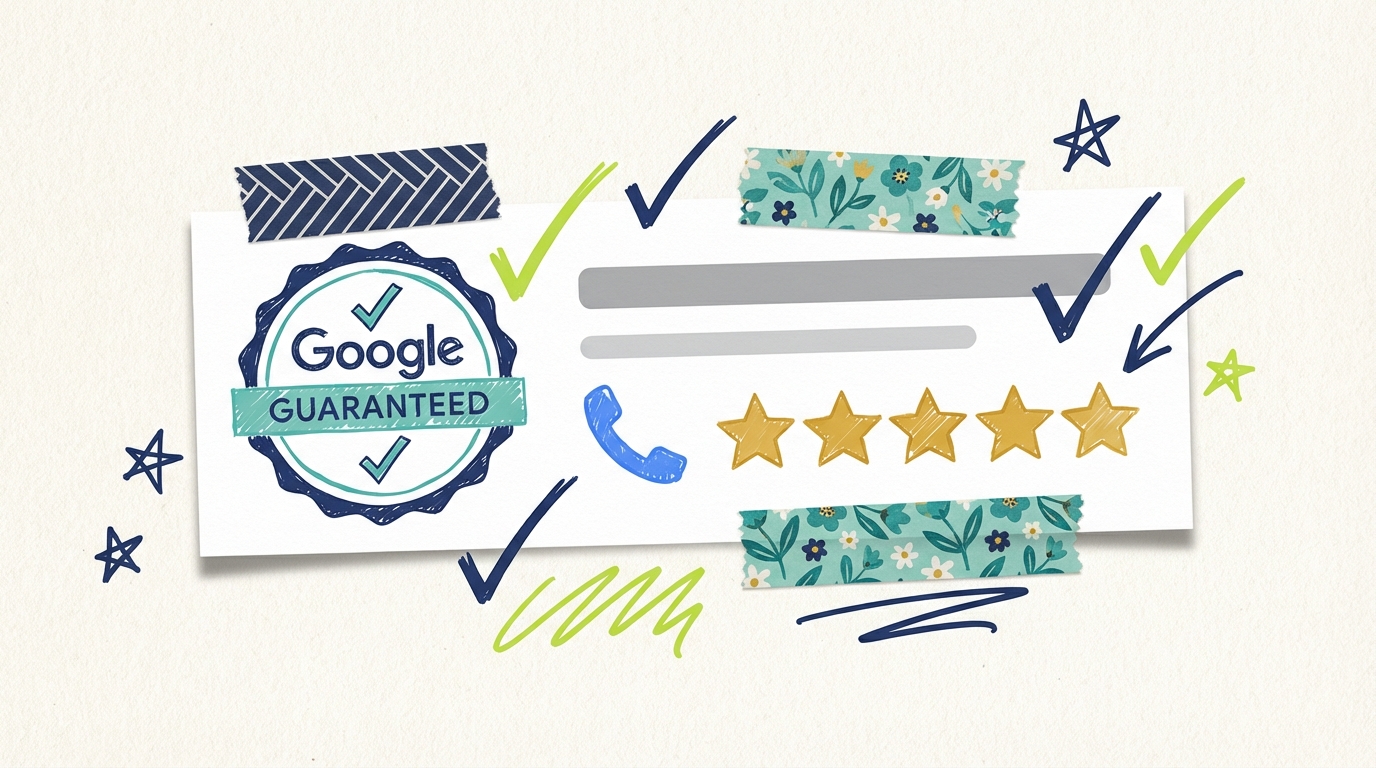
If someone types "Honda dealer near me" or "best used car deals in Phoenix" into Google, you want to be the first thing they see. Google Ads is the closest thing to a guaranteed path between buyer intent and your showroom.
Why Search Matters for Dealerships
Auto shoppers are some of the most active searchers online. According to Google, 95% of vehicle buyers use digital as a source of information, and search is where that process starts (Think with Google, 2024). When someone searches for a specific make, model, or dealership type in your area, they're signaling purchase intent. That's not a casual browser. That's someone who's likely buying a car in the coming weeks.
Campaign Types That Work
Search campaigns are the bread and butter. Bid on keywords like "Toyota dealership [city]," "used trucks for sale near me," and "car deals this weekend." These put your dealership at the top of search results exactly when buyers are looking.
Performance Max campaigns pull together Search, Display, YouTube, Gmail, and Maps into a single automated campaign. Google's machine learning optimizes your ad delivery across all these placements based on your conversion goal, whether that's form submissions, phone calls, or store visits. Many dealerships report strong results with Performance Max because it captures demand across multiple touchpoints.
Vehicle listing ads (VLAs) are Google's inventory-specific format. They display photos, prices, and details of your actual inventory directly in search results. When a buyer searches for a "2024 Camry," they see your specific vehicles with real pricing. According to Google, VLAs generate 25% more conversions than standard text ads for auto advertisers.
Local campaigns and Maps ads make sure you appear when buyers search for dealerships nearby. Given that 76% of people who search for something nearby visit a business within a day (Google Internal Data, 2023), showing up in Maps results is critical for driving walk-in traffic.
Budget and Expectations
Most competitive-market dealerships spend $5,000-$15,000 per month on Google Ads, though smaller markets can start with $2,000-$3,000. Cost-per-click for auto-related keywords ranges from $2-$8 depending on competition and geography. Expect conversion rates (lead form fills or calls) between 3-6% for well-optimized campaigns.
Tips for Dealership Google Ads
Use location extensions to show your address and distance from the searcher
Set up call tracking to measure phone leads, not just form fills
Create separate campaigns for new vehicles, used vehicles, and service
Use negative keywords aggressively ("free car," "car games," "toy cars") to prevent wasted spend
Run ad scheduling to increase bids during your busiest showroom hours
Google Ads should be the foundation of any dealership advertising strategy. It captures high-intent demand that's already there. But it only reaches people who are actively searching, which is why you need other channels to build awareness and stay familiar earlier in the buying cycle.
Meta Advertising (Facebook and Instagram)
While Google catches buyers who are already searching, Meta's platforms (Facebook and Instagram) let you reach people before they start shopping. For dealerships, this means building familiarity and consideration so that when someone does begin their car search, your dealership is already on their list.
Why Meta Works for Auto Dealerships
Meta's targeting capabilities are tailor-made for auto advertising. You can reach people based on:
In-market signals: People who've been researching cars, visiting auto sites, and showing purchase behavior
Demographics: Age, income level, homeownership (relevant for financing qualification)
Geography: Target your PMA (primary market area) down to zip codes
Life events: Recently married, new baby, new job, recently moved... all triggers for vehicle purchases
Facebook still reaches 74% of U.S. adults, and Instagram reaches 51%, according to Pew Research Center's 2024 Social Media Use survey. Together, they cover the broadest audience of any social platform.
Ad Formats That Move Metal
Automotive inventory ads (AIA) automatically pull from your vehicle feed to show relevant inventory to interested buyers. Someone who browsed SUVs on your website? They'll see your available SUVs in their Facebook feed. This retargeting capability alone makes Meta advertising worth the investment.
Video ads perform exceptionally well for dealerships. A quick walkaround of a new model, a customer testimonial, or a behind-the-scenes look at your service center all generate strong engagement. Video content on Meta gets 1.2x more engagement than static images (Meta Business, 2024).
Lead generation ads include a form right inside the Facebook or Instagram app. Buyers can submit their name, phone number, and vehicle interest without ever leaving the platform. The lower friction means more leads, though quality can vary. Pair these with quick follow-up (within 5 minutes) for the best conversion rates.
Carousel ads let you showcase multiple vehicles in a single ad. Feature your top deals, newest arrivals, or different trim levels. Each card links to a specific vehicle detail page on your site.
Budget and Expectations
Dealerships typically spend $2,000-$8,000 per month on Meta advertising. CPMs (cost per thousand impressions) average $10-$20 for auto-targeted audiences. Lead costs through Meta typically range from $15-$50 per lead depending on your market and targeting precision.
Tips for Dealership Meta Ads
Upload your customer list as a custom audience, then create lookalike audiences to find similar buyers
Retarget website visitors who viewed specific vehicles but didn't convert
Use the Facebook pixel to track actions beyond leads, including VDP (vehicle detail page) views and finance application starts
Rotate creative frequently; ads fatigue faster on social platforms
Don't ignore Instagram Reels; short-form video content gets significant organic and paid reach
Meta advertising builds the top of your funnel. It won't replace Google for capturing active shoppers, but it creates demand and keeps your dealership visible between search sessions. Dealerships that only run Google Ads miss the awareness-building that makes their search campaigns more effective.
Local SEO and Google Business Profile
Not all advertising costs money. Your Google Business Profile (GBP) is one of the most powerful free tools available to dealerships, and most aren't using it to its full potential.
Why Local SEO Matters
When someone searches "car dealership near me" or "used cars [city]," Google shows a map pack with three local results before any paid or organic results. Appearing in that map pack means free visibility to high-intent buyers.
According to BrightLocal's 2024 Local Consumer Survey, 87% of consumers used Google to evaluate local businesses in 2023. For dealerships, that translates to hundreds or thousands of monthly impressions from people specifically looking for where to buy a car.
Optimizing Your Google Business Profile
Complete every field. Business name, address, phone, website, hours (including holiday hours), attributes, and categories. Google rewards completeness with better visibility. List both "New car dealer" and "Used car dealer" as categories if applicable.
Post photos and videos regularly. Google reports that businesses with photos receive 42% more requests for directions and 35% more website clicks than those without (Google Business Profile Help, 2024). Post photos of new arrivals, your showroom, your service department, and your team. Update monthly at minimum.
Manage reviews actively. Respond to every review, positive or negative, within 24 hours. Ask satisfied customers to leave reviews after their purchase or service visit. Dealerships with 100+ reviews and a 4.0+ star rating significantly outperform those without.
Use Google Posts. Share weekly updates about new inventory, special offers, events, and dealership news. These posts appear directly in your Business Profile and show Google that your listing is active and relevant.
Beyond Google Business Profile
Optimize your website for local search. Include city and neighborhood names in your page titles, headers, and content. Create location pages if you serve multiple areas. Ensure your site loads quickly and works well on mobile.
Build local citations. Ensure your dealership's name, address, and phone number (NAP) are consistent across Yelp, Yellow Pages, the Better Business Bureau, and industry-specific directories. Inconsistencies confuse search engines and hurt rankings.
Local SEO takes time to build momentum, but once established it delivers a steady flow of free, high-intent traffic that never stops producing as long as you maintain it.
AutoTrader, Cars.com, and Third-Party Listings
Third-party listing sites remain a major piece of the auto dealership advertising puzzle. Buyers trust these platforms, and they drive significant traffic and leads for dealers who use them well.
The Value of Third-Party Sites
According to Cox Automotive, 64% of car shoppers use third-party sites during their research process. AutoTrader and Cars.com together attract over 30 million monthly visitors looking specifically to buy vehicles.
These platforms work because they aggregate inventory, making it easy for buyers to compare across dealerships. For dealers, that means your vehicles are visible to a huge pool of active shoppers you might not reach through your own marketing.
Getting the Most from Listings
Invest in quality photos. Listings with 20+ high-quality photos generate significantly more engagement than those with a handful of lot shots. Consider professional photography or at least a consistent photo process with good lighting and clean backgrounds.
Write detailed descriptions. Don't rely on auto-populated specs alone. Highlight unique features, recent maintenance, and value propositions. A well-written description separates your listing from the dozens of similar vehicles.
Price competitively and transparently. Listings with clear pricing get more engagement than "Call for price" entries. Buyers shop on these platforms specifically to compare prices, so being transparent builds trust.
Respond promptly to inquiries. A Driven Data study found dealers responding within five minutes were ten times more likely to make contact than those waiting an hour.
Budget Considerations
Most dealers spend $1,500-$4,000 per month across listing platforms. Premium placements and featured listings cost more but increase visibility. Evaluate based on cost per lead and ultimately cost per sale, not just monthly fees.
Third-party listing sites fill a specific role: they capture buyers who are comparing inventory across dealerships. They complement your own marketing but shouldn't be your only strategy, since you're always competing with other dealers on the same platform.
Direct Mail and Print Advertising
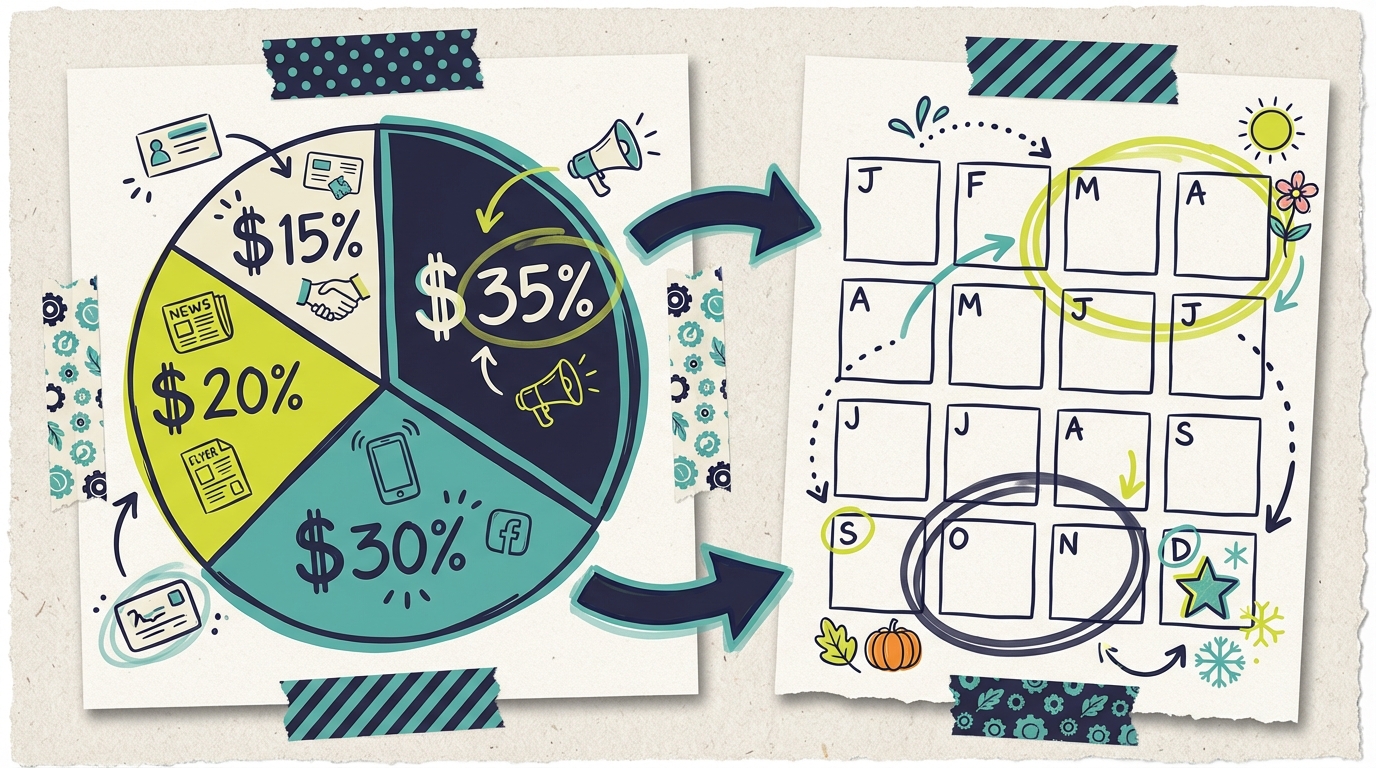
In a world dominated by digital marketing, direct mail still holds surprising power for auto dealerships. Physical mail cuts through the digital noise and reaches buyers who might not see your online ads.
Why Direct Mail Still Works for Dealerships
The Data & Marketing Association reports that direct mail achieves a 4.4% response rate, compared to 0.12% for email (ANA/DMA Response Rate Report, 2023). For high-consideration purchases like vehicles, that difference matters.
Dealership mailers work especially well for:
Service conquest campaigns: Reach vehicle owners in your area whose cars are due for maintenance, even if they didn't buy from you
Lease expiration targeting: Send offers to drivers whose leases are ending in 60-90 days
Trade-in promotions: Target owners of high-demand used vehicles with trade-in value offers
Sales events: Promote clearance events, tent sales, and holiday promotions to your local market
Making Direct Mail Effective
Target precisely. Use data providers to target by vehicle ownership, lease status, household income, and geography. Sending generic mailers to everyone is wasteful. Targeted campaigns to the right households produce real showroom traffic.
Include a clear call-to-action. A specific offer ("$500 over KBB value for your trade-in this month") outperforms general branding. Give people a reason to act now.
Track results. Use unique phone numbers, QR codes, or promotional codes to measure which mailings drive responses. Without tracking, you're guessing at ROI.
Budget Expectations
Most dealerships allocate $2,000-$5,000 per month to direct mail. Per-piece costs range from $0.50-$2.00 depending on format, design, and targeting. When done well, direct mail consistently produces showroom visits that are trackable and measurable.
TV and CTV (Streaming TV) Advertising
Television has always been a natural fit for auto dealerships. Cars look great on a big screen, and TV builds the kind of trust and credibility that drives consideration. What's changed is how accessible TV has become.
Connected TV advertising lets you run commercials on streaming platforms like Hulu, Peacock, Tubi, ESPN, and 100+ other channels, with geographic targeting that reaches only buyers in your market area. No more paying for impressions three states away.
CPMs for streaming TV typically range from $15-$35, with an average around $25. With platforms like Adwave, you can create a professional 30-second commercial and launch a campaign starting at just $50. That's a dramatic shift from the days when a single local TV spot cost thousands to produce and tens of thousands to air.
For dealerships, streaming TV works well for brand-building and sales events. A commercial showing your latest inventory, your service guarantee, or your customer experience plays on the biggest screen in the home while viewers are relaxed and attentive. Completion rates for CTV ads average above 90%, meaning your full message gets delivered (IAB, CTV Ad Completion Report, 2024).
For a deep dive into TV strategies specific to your industry, see our TV advertising for auto dealerships guide.
Community Sponsorships and Event Marketing
Don't overlook the advertising power of showing up in your community. Dealerships that sponsor local events, youth sports leagues, and charitable causes build goodwill that translates into preference when someone's ready to buy.
Youth sports sponsorships put your dealership name on jerseys, banners, and programs that parents see every week for an entire season. It's affordable, hyper-local, and builds positive association with families, one of your key buyer demographics.
Charity and community events like car shows, holiday toy drives, and food drives bring people to your lot in a non-sales context. Once they've had a positive experience at your dealership, they're more likely to return when they're shopping.
Local partnerships with businesses like insurance agencies, credit unions, and body shops can generate referrals. Cross-promotion costs nothing and creates a network of local businesses sending customers your way.
Community involvement won't generate leads the way Google Ads will, but it builds the kind of long-term brand equity that makes all your other advertising more effective.
Channel Comparison at a Glance
Recommended Budget Allocation
There's no universal formula, but here's a practical starting framework based on what effective mid-size dealerships typically allocate. Adjust based on your market, goals, and what's already working.
Total monthly marketing budget: The National Automobile Dealers Association (NADA) reports that the average dealership spends approximately $632 per new vehicle retailed on advertising (NADA Annual Data Report, 2024). For a dealership selling 100 units per month, that's roughly $63,000 in total advertising spend.
Here's how to think about splitting that budget:
For smaller dealerships on tighter budgets, start with Google Ads, a fully optimized Google Business Profile, and one third-party listing platform. Add Meta advertising and streaming TV once you have a consistent flow from search. How to advertise a small business offers a broader framework for building out your strategy step by step.
For dealerships focused on growth, the biggest gains usually come from increasing TV/CTV spend (for top-of-funnel awareness) and Meta retargeting (for middle-of-funnel nurturing). These channels create the demand that Google Ads and listing sites then capture.
Measuring What Works
Running ads across multiple channels only makes sense if you can track what's driving showroom traffic and sales. Here's what to measure for each channel:
Lead attribution. Use unique phone numbers, UTM parameters, and form tracking to identify which channels produce leads. Most CRM systems can track lead source through the entire sales process.
Cost per lead and cost per sale. Don't stop at cost per click. Track how many leads turn into showroom visits, and how many visits turn into sales. A $50 lead that converts at 20% is cheaper than a $20 lead that converts at 2%.
Multi-touch attribution. Most buyers interact with multiple channels before visiting your showroom. A buyer might see your streaming TV ad, then search your dealership on Google, then click a retargeting ad on Instagram, then finally submit a lead form. Giving all credit to the last touch (the Instagram ad) misunderstands what drove the sale.
Store visit tracking. Both Google and Meta offer store visit conversion tracking that estimates how many ad viewers visited your physical location. While not perfect, it's a useful directional metric.
Measure consistently, review monthly, and shift budget toward what's producing results. Advertising isn't a set-it-and-forget-it activity. The dealerships that win are the ones that test, learn, and adjust.
Common Questions Answered
How much should a car dealership spend on advertising? NADA data suggests the average dealership spends around $632 per new vehicle retailed, which works out to roughly 2-5% of gross revenue depending on your margins. But the right number depends on your market competitiveness, growth goals, and current brand awareness. A new dealership in a competitive metro area will need to spend more aggressively than an established dealer in a smaller market. Start with what you can measure and scale up as you prove ROI.
What's the single best advertising channel for auto dealerships? Google Ads tends to deliver the most immediate, measurable return for most dealerships because it captures buyers who are already searching. But "best" depends on your goals. If you need to build awareness in a new market, streaming TV and social media will be more effective than search alone. The most successful dealerships use multiple channels working together rather than relying on any single one.
Is digital advertising replacing traditional advertising for dealerships? Digital takes a growing share of dealership budgets every year, but "replacing" is too strong. Direct mail still drives measurable showroom traffic for many dealers. Community involvement builds brand equity that digital can't replicate. The shift is really toward measurability and targeting, qualities where digital excels. Traditional channels that can prove their ROI still earn budget allocation.
How do I advertise a dealership on a small budget? Start with the free and low-cost channels first. Fully optimize your Google Business Profile, encourage customer reviews, and post regularly. Then allocate your paid budget to Google Ads targeting high-intent, location-specific keywords. Even $2,000-$3,000 per month in search advertising can produce meaningful leads in most markets. As revenue grows, reinvest in additional channels like video marketing for small business and streaming TV to build awareness.
How long before dealership advertising shows results? It depends on the channel. Google Ads and third-party listings can produce leads within days of launching. Meta advertising typically takes 1-2 weeks for the algorithm to optimize delivery. Local SEO takes 3-6 months to gain traction. TV and community marketing build brand awareness gradually over weeks and months. The best approach is running both immediate-return channels (search, listings) and long-term brand-building channels (TV, community) simultaneously.
Should dealerships handle advertising in-house or hire an agency? Both approaches work, and many dealers use a hybrid. In-house teams have deeper product knowledge and can react quickly to inventory changes and market conditions. Agencies bring specialized expertise across channels and often have better tools and data. If your monthly spend exceeds $10,000, an experienced automotive-specific agency can often improve performance enough to more than cover their fees. For smaller budgets, in-house management with tools like Adwave for TV advertising can keep costs manageable while still running professional campaigns.