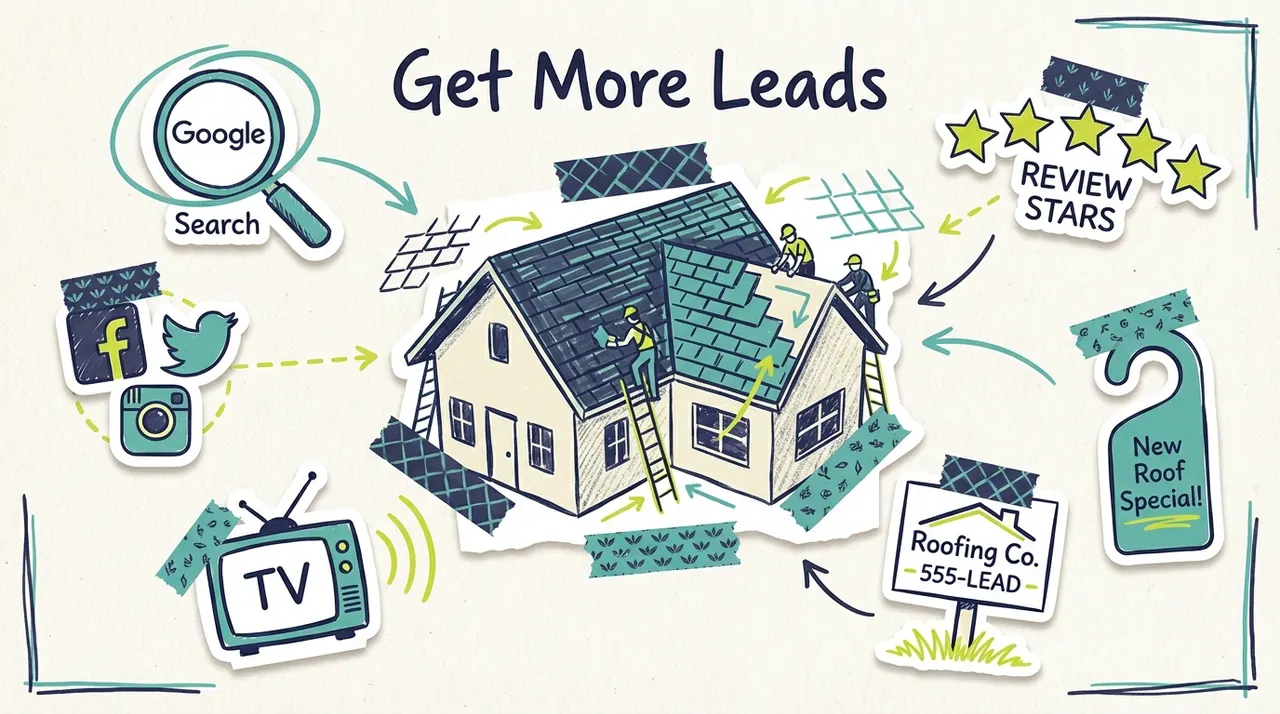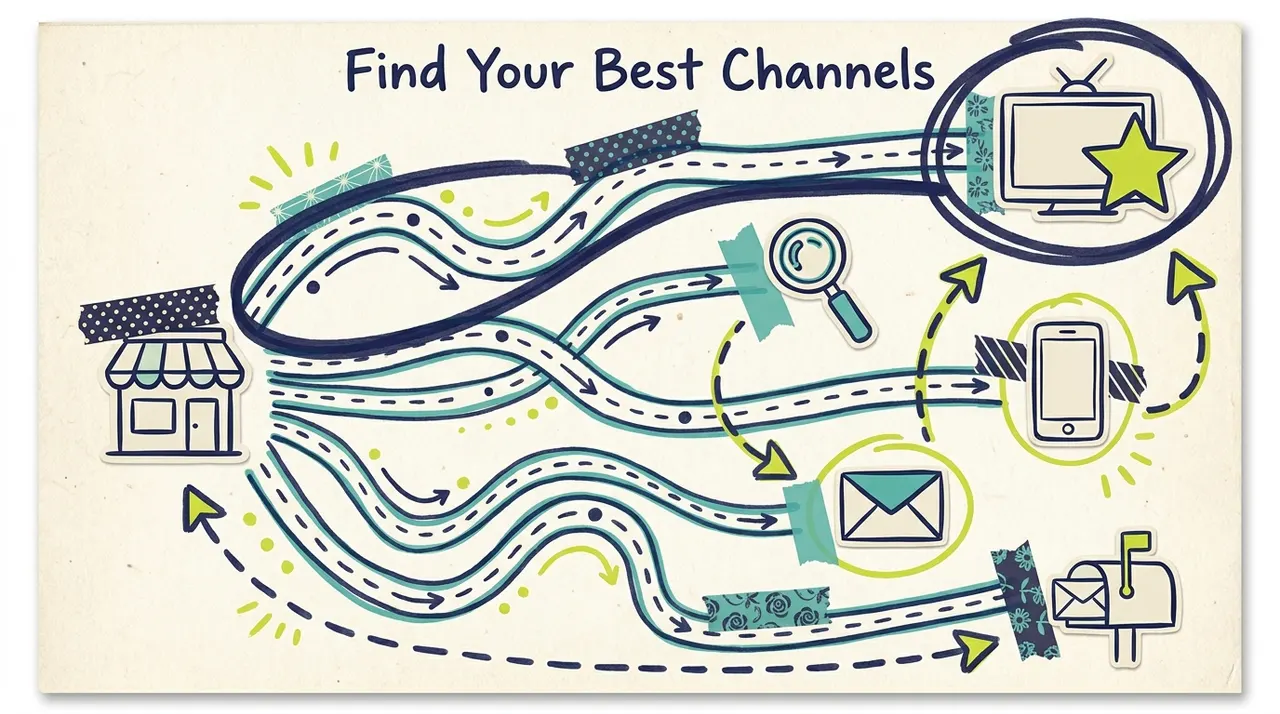
Your landing page is leaking money. The average landing page conversion rate is 6.6% across industries, and top performers reach 10% or higher when they keep the page tightly focused on one goal, according to Leadpages landing page best practices. That gap matters. If you're paying to get attention, every unnecessary click, field, and distraction costs you leads.
This gets even more important when you're driving traffic from channels that create strong intent fast, especially TV. A solid ad can make someone curious, but the landing page has to close the loop. That's where a platform like Adwave fits naturally. It makes TV advertising accessible for small businesses, and once that traffic lands, the page has to do its job without wasting the momentum the ad created.
The practical fix isn't complicated. Strip away distractions, sharpen the message, reduce friction, and make the next step obvious. That's what the best landing pages do.
If you also sell online, some of the same conversion principles show up in SelfServe insights on Shopify optimization. The difference with campaign landing pages is focus. They need to guide one action, not support general browsing.
1. Clear Value Proposition Above the Fold & Scannability
Users form an opinion on a page in seconds. For an SMB paying to drive traffic, that first screen has to do real work fast, especially when the visitor just saw a TV ad and is trying to confirm they landed in the right place.
That matters even more with TV-driven traffic. A viewer may type your URL from memory, scan the page on a phone, and decide almost immediately whether your offer matches what the ad promised. If the headline is generic, the connection breaks. If the page repeats the ad's promise in plain language, conversions usually improve because the visitor does not need to piece the story together.
For small businesses, strong hero copy is concrete. "Get Your Business on NBC, Hulu, and ESPN in Minutes" says far more than "transform your growth." It defines the offer. Then the supporting line should answer the practical question a skeptical buyer has next, such as cost, speed, or how much help they get. For an Adwave landing page, that often means clarifying that local businesses can launch TV campaigns without hiring an agency or managing production on their own.
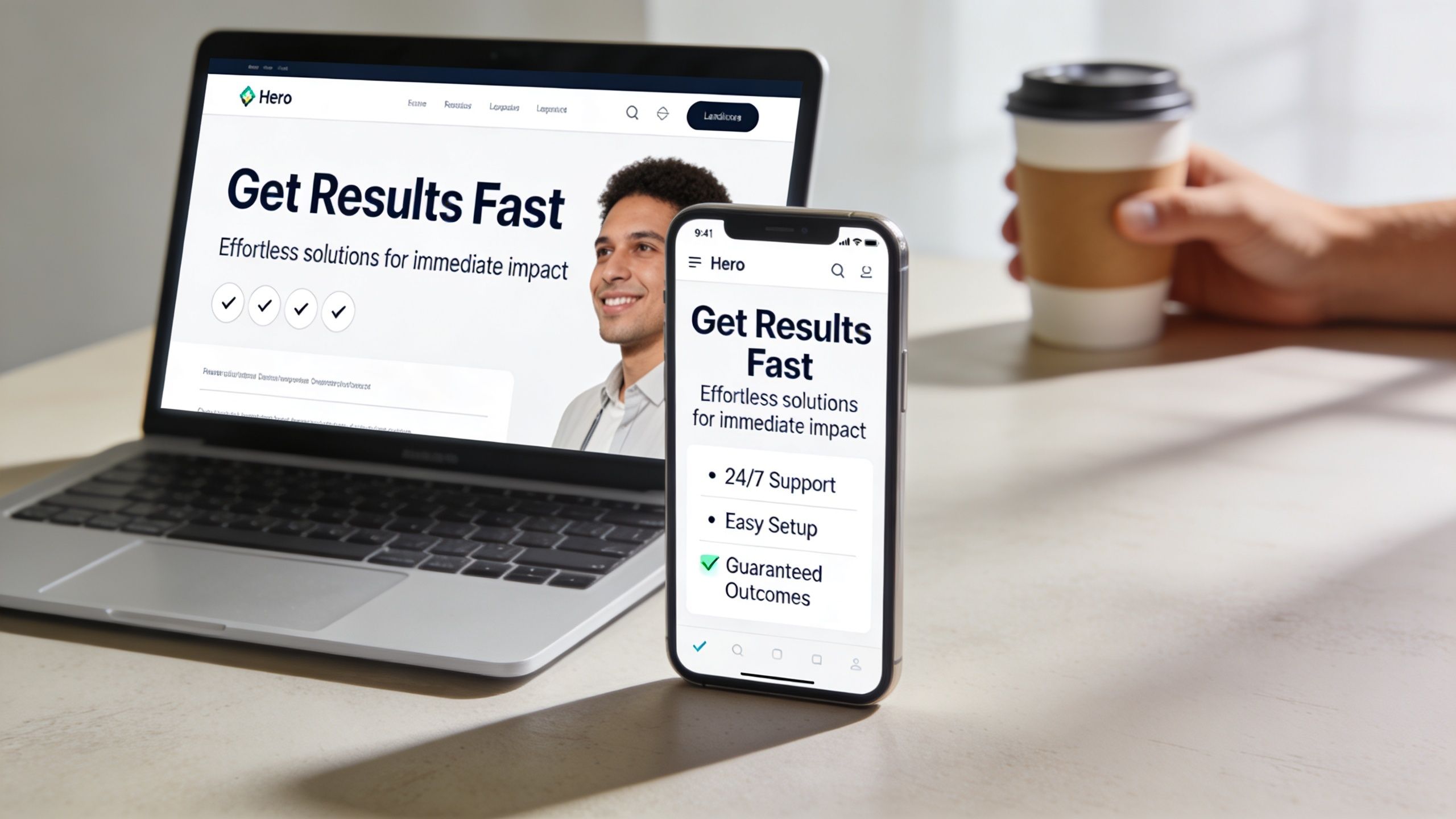
Make the first screen answer three questions
Before anyone scrolls, the page should make these points easy to find:
What is this: State the offer in plain English.
Why should I care: Lead with the outcome or problem solved.
What should I do next: Show one obvious next step.
Scannability supports clarity. Visitors do not read landing pages top to bottom. They scan headlines, subheads, buttons, logos, and short blocks of copy to decide whether the page deserves more attention. Good spacing, clear visual hierarchy, and short sections help them process the message without effort.
A simple review standard works well here. If a customer can look at the hero for 10 to 15 seconds and accurately describe the offer, the audience, and the next action, the page is probably clear enough. If not, tighten the copy before testing anything else.
I see SMBs miss here in a predictable way. They try to sound polished instead of specific. That usually hurts performance. A local law firm, med spa, roofer, or ecommerce brand running TV through Adwave does better with direct language that matches buyer intent and the ad they just watched. Clear copy earns the scroll.
2. Single, Clear Call-to-Action
Too many landing pages ask visitors to do three things at once. Book a demo. Watch a video. Read success stories. Browse pricing. That feels helpful to the business, but it usually weakens performance.
An analysis of more than 18,000 landing pages found that pages with a single primary CTA or link reached an average conversion rate of 13.5%, compared with 11.9% for pages with 2 to 4 links and 10.5% for pages with 5 or more, according to ZoomInfo's landing page conversion rate analysis. That's a direct argument for cutting options.
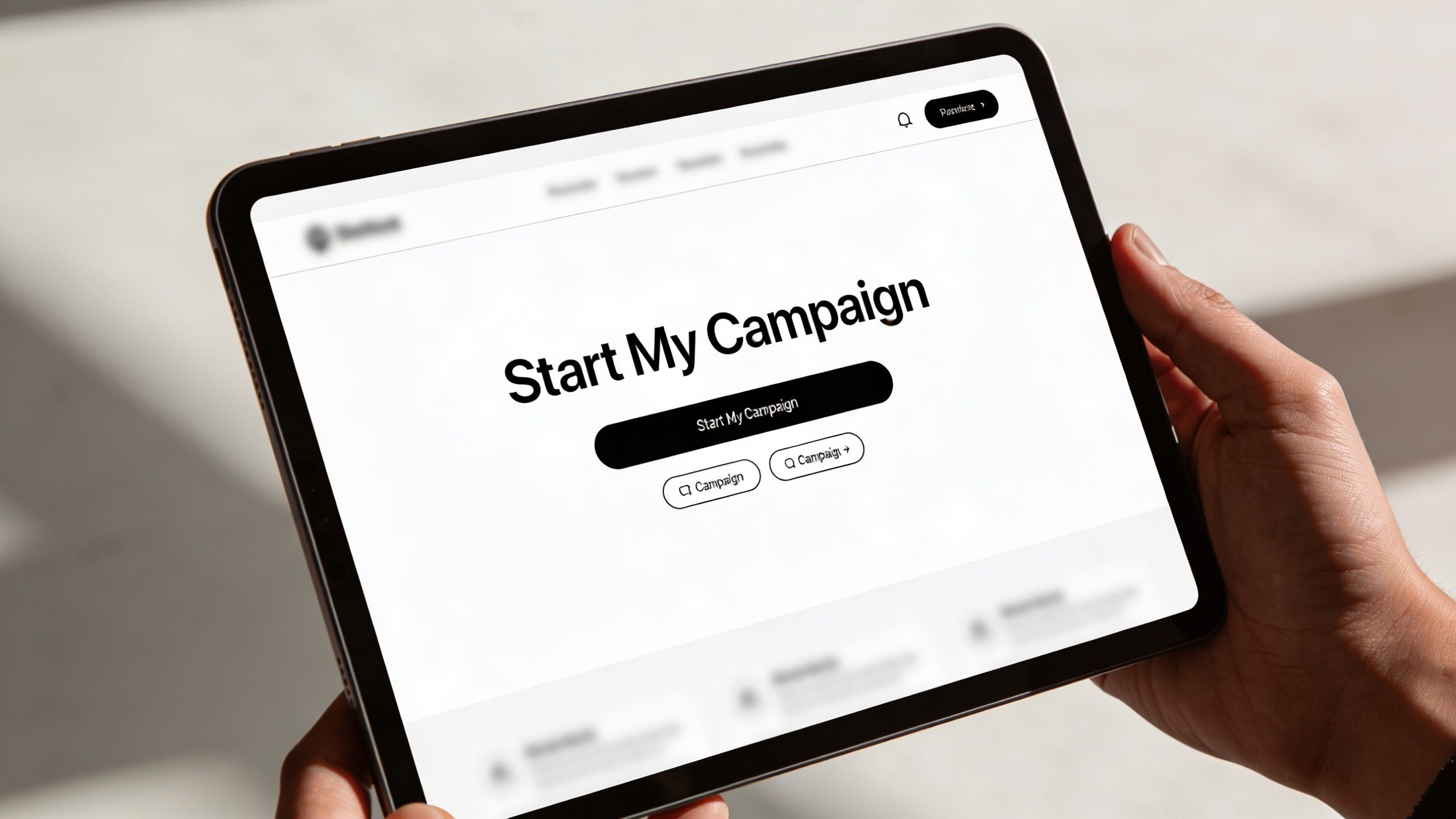
What a strong CTA looks like
A good CTA isn't just a button. It's the action the whole page is built around. If the page exists to start a campaign, everything should support that outcome.
Use CTA copy that feels specific and immediate:
Action-focused: "Start My Campaign" is stronger than "Submit."
Audience-aware: "Launch My TV Ad" says more than "Get Started."
Repeated with intent: Show the same primary action in the hero, after benefits, and near the bottom.
For Adwave, a CTA like "Create Your First Ad Free" or "Start Your Campaign Today" fits the product and the traffic source. Someone coming from a TV-driven awareness campaign or a local business ad doesn't need six pathways. They need the next step made obvious.
The biggest mistake here is making secondary actions compete visually with the primary one. If "Learn More" looks as important as "Start My Campaign," you've diluted the page.
3. Social Proof and Credibility Elements
People don't trust marketing copy by default. They trust proof that other businesses like theirs got a real result. That's why social proof belongs near decision points, not buried in a carousel halfway down the page.
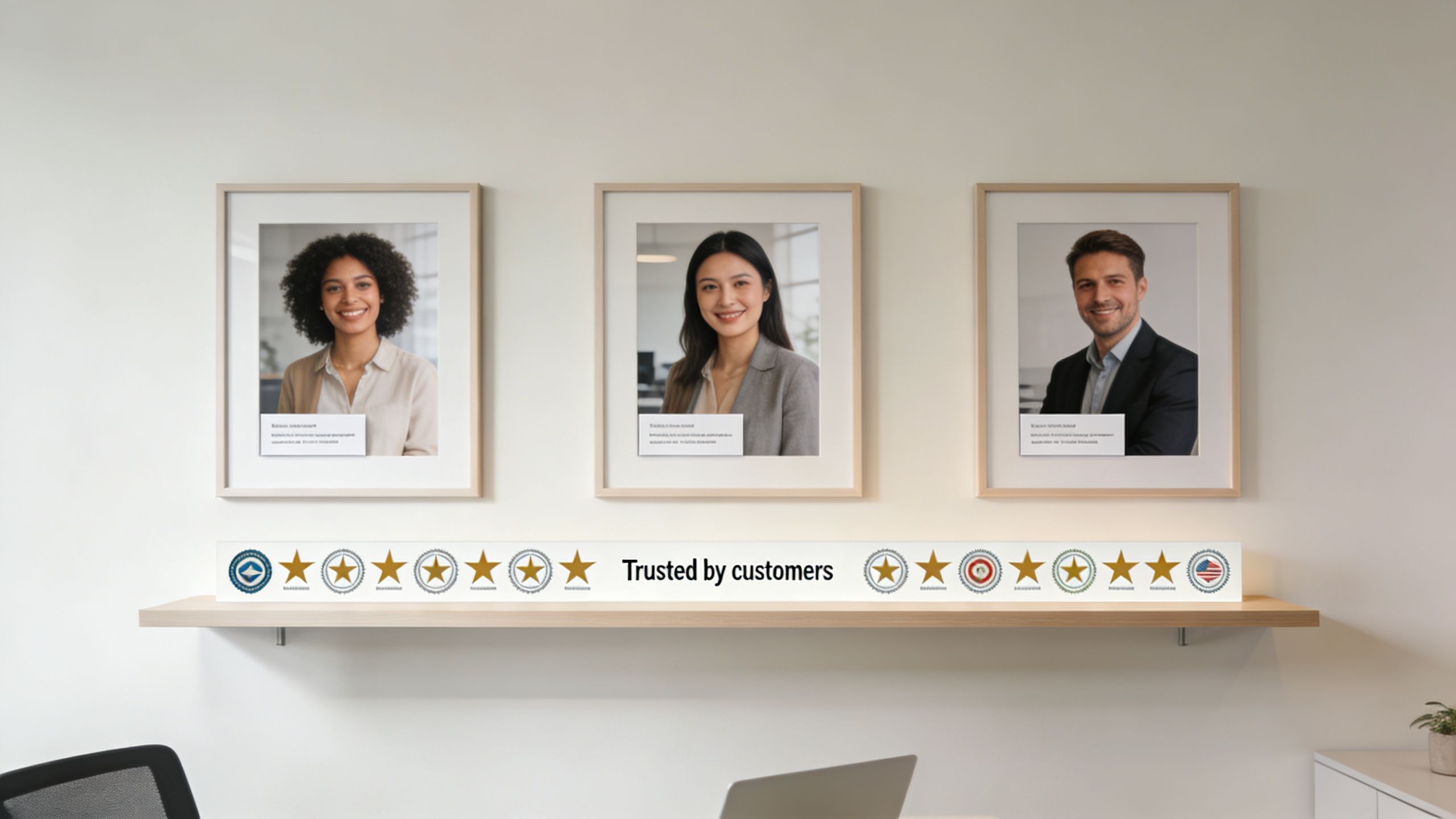
Put proof where hesitation happens
The best placements are usually right before or right after a CTA, around pricing, or next to a form. That's where skepticism spikes.
Strong credibility elements include:
Customer logos: Especially if your buyer recognizes them.
Review signals: Third-party reviews often carry more weight than self-written praise.
Specific testimonials: Name, business, and use case matter.
Visible legitimacy: Awards, certifications, or press mentions can help if they're real and relevant.
If you're trying to strengthen local credibility, building a better review pipeline helps long before someone lands on your campaign page. Adwave's guide on getting more Google reviews for your local business is a practical starting point for that.
A testimonial should remove a specific doubt. If it doesn't, it's decoration.
I also like matching proof to segment. A real estate lead page should show a real estate result. A restaurant page should show restaurant proof. Generic praise rarely moves a specific buyer.
4. Benefit-Focused Copy Over Feature Lists
Features explain what your product has. Benefits explain why anyone should care. Landing pages that convert well usually lead with the second one.
A common problem on SMB pages is that the copy reads like an internal product brief. It lists targeting tools, dashboards, creative automation, and setup steps, but never translates them into outcomes. Buyers don't wake up wanting "advanced campaign controls." They want more booked appointments, more foot traffic, or a simpler way to get in front of local customers.
Translate every feature into an outcome
This is the rewrite I use most often:
Feature-first: AI-generated ad creation from a website URL
Benefit-first: Launch a polished TV ad without building creative from scratch
Another example:
Feature-first: Audience targeting and premium channel placement
Benefit-first: Reach local viewers where they already watch, without wasting spend on the wrong audience
For Adwave, this style works especially well because the product solves a very practical problem. Small businesses want TV reach without the usual complexity. That's the message. If you need help tightening that language, Adwave's resource on how to write advertising copy is worth using as a working reference.
The cleanest copy structure is pain, promise, proof, action. Start with the problem the buyer already feels. Then show the result they want. Then support it. Then ask for the click.
5. Responsive Design and Mobile Optimization
More than half of landing page visits now happen on phones. For SMBs running TV ads, that share can feel even higher because viewers often scan a QR code or type in a URL while the spot is still fresh in their minds.
That changes the job of the page. A mobile version is not a resized desktop page. It is the version that has to convert distracted, high-intent visitors in a few seconds.
TV-driven traffic behaves differently from search traffic. The visitor did not spend time comparing options, reading reviews, or opening five tabs. They saw your ad, got curious, and reached for their phone. If the page loads slowly, stacks sections awkwardly, or hides the CTA below a long block of text, you lose momentum you already paid for.
What mobile friction looks like on real landing pages
The problems are usually practical, not complicated:
Headlines break awkwardly: The main promise wraps into four lines and loses clarity.
Buttons are hard to tap: Small CTAs create hesitation and missed clicks.
Layouts collapse badly: Side-by-side desktop sections turn into long, confusing mobile scrolls.
Pages load too much media up front: Heavy images or video delay the first useful interaction.
Forms ask for too much too soon: A phone user will abandon a form that feels like admin work.
I see this often on small business campaign pages. The offer is strong, but the page still assumes a patient desktop visitor. That assumption costs conversions.
For Adwave-style offers, mobile optimization should center on speed to understanding. The first screen needs three things: a clear headline, a short supporting line, and one visible action. If a local business owner lands there after seeing a TV ad, they should understand what happens next without pinching, zooming, or hunting for the button.
Test on actual devices. Browser previews catch layout issues, but they do not show thumb reach, glare, mobile keyboard friction, or how long the page feels while standing in a store or sitting on a couch during a commercial break.
One practical check I use is simple: can a visitor get the point and tap the CTA within one thumb scroll?
If the answer is no, cut content or reorder the page.
Mobile also affects your media choices. Product demos and explainer videos can help, but only if they load cleanly and support the decision instead of delaying it. If you're building assets for TV-driven landing pages, Adwave's guide on making marketing videos that support conversion is a useful reference for keeping visuals clear and lightweight.
6. Strategic Use of Visuals and Video
Viewers decide fast. If someone lands on your page right after a TV spot, your visuals need to answer the next question in seconds: What is this, and how does it work for a business like mine?
That standard rules out a lot of filler. Generic team photos, abstract shapes, and decorative stock art rarely help conversion. Product screenshots, before-and-after examples, campaign previews, and short demos often do. For Adwave-style offers, that usually means showing the ad creation flow, what placements look like, and the reporting a business owner will see after launch.
Use visuals to make the offer concrete
TV traffic behaves differently from search traffic. A search visitor often arrives with intent and context. A TV viewer may arrive with interest but limited detail, especially if they typed the URL from memory during or after the ad. Strong visuals close that context gap quickly.
Useful visuals usually do one of four jobs:
Confirm the offer: Show the product, service, or dashboard so the page matches what the visitor expected from the ad.
Explain the process: Use a screenshot sequence or annotated image to show what happens after the click.
Show the outcome: Feature real campaign examples, ad placements, or reporting views that make the result feel tangible.
Support trust: Use authentic customer imagery or branded interface shots instead of stock photography that weakens credibility.
Video can help here, but only when it removes uncertainty faster than text and static images. I usually recommend a short, captioned explainer near the top or beside the primary CTA, especially for SMB offers that introduce a less familiar channel like TV advertising. A 30 to 60 second video is often enough to show the workflow, explain who the service is for, and set expectations without turning the landing page into a media experience.
If you're building creative specifically for conversion pages, Adwave's guide on making marketing videos that support landing page conversions gives a solid framework for scripting and structuring those assets.
One caution matters here. Visuals should reduce doubt, not ask for extra effort. If the visitor has to watch a long video to understand the offer, the page is doing too much work too late. The best-performing media supports the decision already in progress. It does not replace clear messaging, and it does not compete with the CTA.
7. Minimal Form Fields and Friction Reduction
Form friction kills intent faster than weak copy. A visitor who just saw your business on TV and typed in your URL is often curious, but not ready for paperwork.
That matters for SMBs buying newer traffic sources, especially TV. TV can create high-intent visits, but that intent is often shallow. People remember the offer, not the details. If the landing page asks for too much too soon, the page turns a simple next step into a small commitment decision.
The fix is straightforward. Ask only for the information required to move the lead to the next stage.
On a first-touch landing page, that usually means:
Name
Email
Phone, if follow-up calls are part of the sales process
One qualifier, only if it changes routing or eligibility
Everything else should earn its place. Company size, budget, full address, service preferences, and long open-text fields often belong after the initial conversion, not before it.
I usually tell SMB owners to review each field with one question: what will the team do differently if this answer is missing? If the honest answer is "nothing until later," remove it. That one filter improves a lot of forms.
Execution matters too. Use a single-column layout. Keep labels outside the fields so they stay visible while someone types. Match the button copy to the action, such as "Get My Quote" or "Check Availability," instead of a generic "Submit." Cut anything near the form that adds mental load, including extra links, promo banners, or side questions.
For Adwave-style campaigns and other TV-driven traffic, shorter is usually better because the page is catching response from a broad audience. Some visitors are ready now. Others are checking whether the offer is relevant before they return later. A light form gives both groups an easy path in, then you can qualify through email, a follow-up call, or the next step after submission.
The trade-off is lead quality. Fewer fields usually increase volume, but they can also bring in more unqualified inquiries. That is still the right trade in many SMB campaigns, especially when the sales team can filter quickly and the cost of losing interested visitors is higher than the cost of screening a few extra leads.
8. Trust Signals and Security Reassurance
A landing page asks for something. Contact details, a booking, a signup, a purchase. Trust signals reduce the quiet anxiety that shows up right before that action.
This matters even more when your offer is unfamiliar or your traffic source is broad. A person who clicked from branded search may already trust you. A person who just saw your business on TV and typed in the URL is still deciding whether you're legitimate, secure, and worth engaging with.
Remove the last-minute doubts
The best trust signals are close to the action itself. Put them near forms, payment areas, and primary CTAs.
Useful reassurance includes:
Privacy visibility: Make the privacy policy easy to find.
Security language: Explain how customer data is handled in plain English.
Support access: Show a contact method that feels real.
Guarantee language: If you offer one, place it near the commitment point.
I don't like fake-looking badge clusters or random icons with no explanation. Visitors can tell when those are pasted in to manufacture trust. Use signals that match the business and the action you're asking for.
For Adwave-related campaigns, trust can come from clarity just as much as compliance language. If the page clearly explains the product, the process, and what happens after signup, the experience feels more legitimate.
9. Targeted Messaging for Different Audience Segments
One generic page rarely speaks well to everyone. A real estate agent, an auto dealership, and a restaurant owner might all be interested in the same platform, but they don't buy for the same reasons.
The strongest landing pages reflect the audience's specific use case. The headline, examples, proof, and CTA should all feel familiar to the segment. A real estate page might focus on promoting listings and local visibility. A restaurant page should focus on driving nearby traffic and timed offers. A law firm page should focus on lead quality and inquiry volume.
Match the message to the click source
This becomes even more important when you're using a channel like TV. The ad creates context. The landing page should continue it.
According to the verified brief, TV-exposed users convert higher when the landing page uses a "TV Viewer Exclusive" style CTA and better attribution setup. That principle matters for SMBs using Adwave, because the platform is built around making TV campaigns accessible and measurable for local businesses.
Segmented pages usually perform better because they remove interpretation work for the visitor. If you need a primer on building these audience slices, Adwave's guide on what audience segmentation is is a useful reference.
If the visitor has to translate your message into their industry context, you've already added friction.
I prefer separate URLs for major segments whenever possible. It keeps the message cleaner and makes follow-up analysis much easier.
10. Clear Process Explanation and Reduced Complexity Perception
Complexity kills action, even when the offer is strong. If the landing page makes the process feel technical, lengthy, or uncertain, people delay the decision.
That's why clear process sections work. They shrink the perceived effort. Instead of wondering how everything works, the visitor sees a short path and can picture themselves completing it.
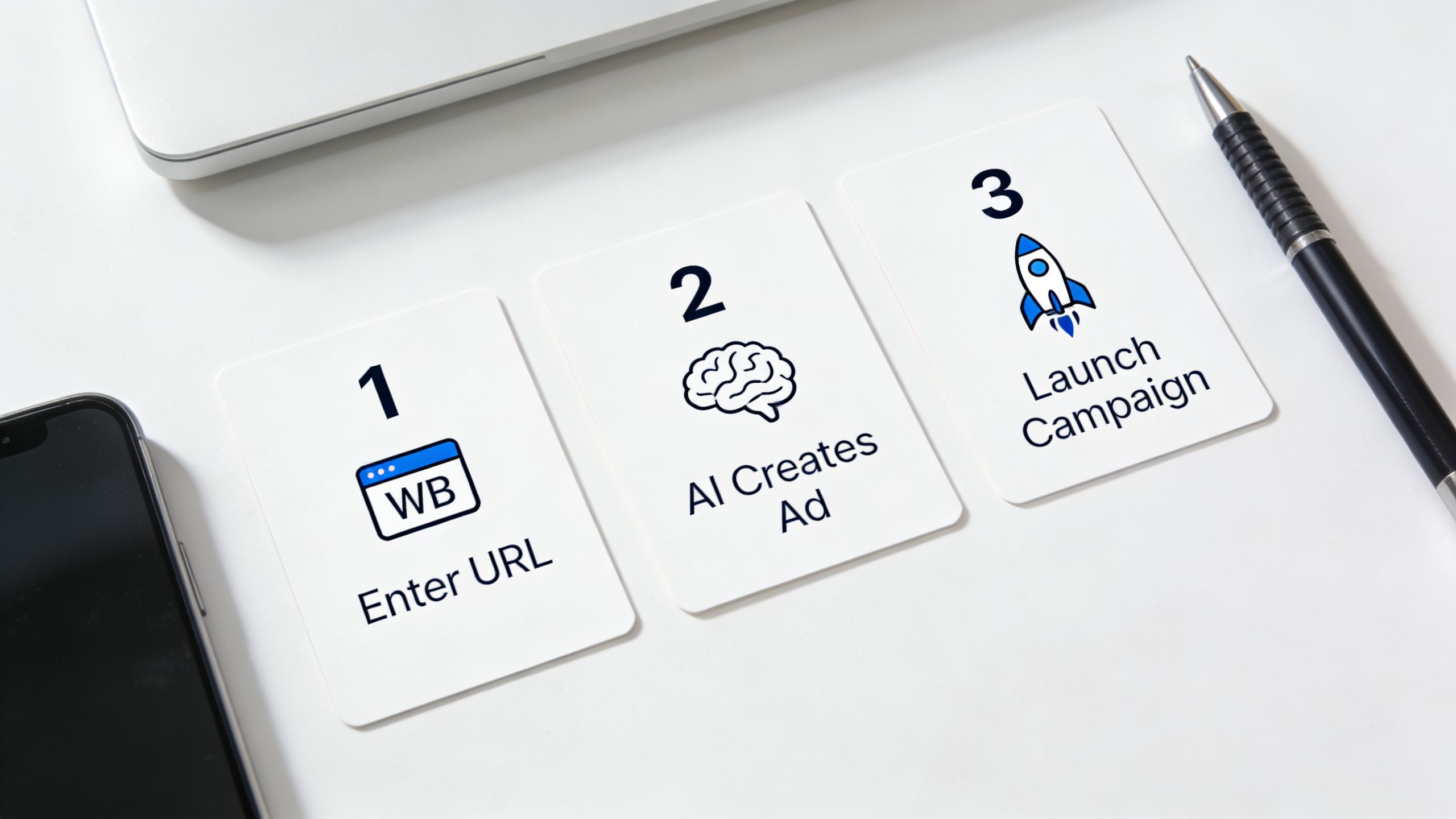
Show the path in a few steps
For most SMB pages, three to five steps is enough. More than that starts to feel like onboarding before the conversion.
Adwave is a good example of a product that benefits from this structure because the workflow is simple when you present it properly:
Enter your website URL
Review the AI-generated ad
Choose your targeting
Launch the campaign
This style works because it reframes the offer from "new advertising channel" to "simple sequence I can finish." If you're selling any service that feels operationally heavy, do the same thing. Replace abstract claims with visible steps, short labels, and a realistic sense of what happens next.
I also like process sections that answer hidden objections. If buyers wonder whether they need a production crew, a media buyer, or technical expertise, the steps should implicitly resolve those fears.
10-Point Landing Page Conversion Comparison
From Best Practices to Better Conversions
High-converting landing pages don't happen because a designer picked the right color button. They happen because the page removes doubt, narrows focus, and makes the next action feel easy.
The biggest wins are usually not glamorous. Clearer headlines. Fewer links. Shorter forms. Better proof. Stronger mobile layouts. Most underperforming pages don't need a full rebuild. They need less clutter and better decision support.
If you're auditing your current page, start with the fundamentals. Can a visitor understand the offer immediately? Is there one primary CTA? Does the proof match the audience? Is the form asking for too much? Does the page work cleanly on a phone? Those questions catch most conversion leaks faster than cosmetic tweaks ever will.
For small businesses, this matters because traffic is expensive in time, money, or both. If you're putting effort into awareness, you need the destination page to capitalize on it. That's especially true for TV-driven campaigns, where interest can spike quickly and disappear just as fast. Adwave gives SMBs a practical way to launch TV campaigns without the usual barriers, but the landing page still has to finish the job. When the ad and page work together, the campaign becomes far more measurable and far more efficient.
I also recommend approaching optimization as an ongoing discipline, not a one-time redesign. The best pages improve through small monthly changes. Tighten a headline. Remove a field. Replace weak proof with stronger proof. Rewrite a CTA to match buyer intent more closely. That kind of iterative work compounds.
If you want another strong design-oriented perspective, this guide on how to optimize landing page design is a useful complement to the conversion principles covered here.
The practical next step is simple. Pick one live landing page and review it against these ten best practices. Don't try to change everything at once. Fix the biggest friction point first. For many SMBs, that's a scattered message, a crowded CTA structure, or a form that asks for too much. Once those are corrected, the rest of the optimization work becomes much easier to measure.
A landing page should never feel like a brochure. It should feel like a guided decision. When it does, conversions go up.
If you're ready to turn more ad clicks and TV-driven visits into real leads, Adwave is a smart place to start. It gives small businesses a fast way to create, launch, and measure TV campaigns across premium channels, and it pairs naturally with the kind of focused landing pages that convert attention into action.