
Small businesses often spend heavily to get attention, then lose the sale on the website. That gap matters. Research from Forrester has long pointed to live chat as a conversion aid because it helps buyers get answers before hesitation turns into an exit.
The upside is straightforward. Live chat gives visitors a low-friction way to ask about pricing, service areas, timelines, or next steps while purchase intent is still high. For a business running TV campaigns through Adwave, that matters even more. A TV spot creates interest fast, but the website has to capture it just as fast. If a viewer lands on your site and cannot get a quick answer, part of that media investment is wasted.
I recommend chat most often on pages tied directly to revenue, especially service pages, quote pages, and checkout paths. Those are the places where uncertainty kills response rates. Chat helps recover leads you already paid for through TV, search, referrals, and campaigns shaped by stronger website lead generation strategies.
Assign chat inquiries to someone who can respond. Set expectations for response times outside staffed hours. (integrate AI for business growth)
1. Instant Customer Support & Reduced Response Time
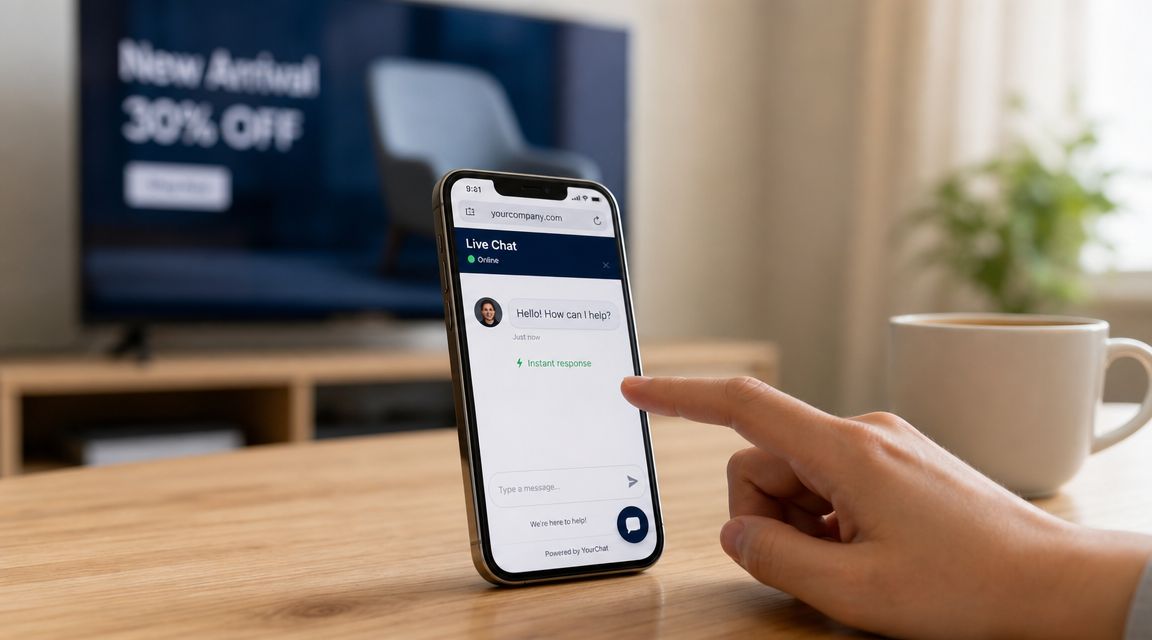
Website response time has a direct effect on whether expensive traffic turns into a real sales conversation. For small businesses running TV campaigns through Adwave, that matters because ad-driven visits often arrive with a specific question and a short attention window.
Live chat keeps that moment from slipping away. A visitor lands on your site, wants to confirm availability, pricing, service area, or scheduling, and gets an answer before leaving the page. That shortens the gap between interest and action.
A home services company sees this clearly. Someone watches your TV ad, visits your plumbing or HVAC page, and wants to know whether you serve their ZIP code today. If the only option is a form or phone call, many leave. If chat answers in real time, you keep the lead you already paid to generate.
What works on real websites
The businesses that get value from chat usually keep it focused and operationally honest.
Match the prompt to the page: On a pricing page, ask whether they want help choosing an option. On a location or service page, ask what city or issue they need help with.
State response timing clearly: If a person is available now, say that. If replies come within a few minutes, say that instead of implying instant support.
Use chat to filter routine questions: Let chat handle hours, coverage areas, insurance, or appointment basics so your phone team can spend time on higher-value calls.
Practical rule: Put live chat on high-intent pages first, especially pages tied to quote requests, bookings, and service decisions.
This setup also improves the performance of your landing pages. If you are sending TV viewers to a campaign page, apply landing page best practices that increase conversions and add chat where hesitation is most likely to stall the visit.
I also recommend tying chat performance back to channel economics. If your broader acquisition plan includes paid search alongside TV, chat can help protect wasted spend by catching questions that would otherwise turn into bounces. That is one reason many companies investing in digital marketing for predictable revenue growth treat live chat as part of conversion infrastructure, not just customer service.
A real estate agent can use chat to answer listing questions and move a visitor toward a showing. A dental office can use it to confirm insurance acceptance and guide someone to the right appointment type. If you are already handling fast-response channels elsewhere, Adwave's guide to responding to DMs and comments fast on social media maps well to live chat operations too.
If you want automation without losing the human handoff, it also helps to integrate AI for business growth in a way that handles FAQs first and routes qualified questions to staff.
2. Increased Lead Generation & Conversion Rates
Web visitors decide fast. For a small business running TV, search, or social campaigns, that means expensive traffic can leave before a form is ever started.
Live chat improves the odds of turning that visit into a lead because it catches buying questions in real time. That matters even more with Adwave-driven traffic. Someone who sees your TV ad and then visits your site already knows your name. The job of the website is to remove the last bit of hesitation and give that person a clear next step.
The highest return usually comes from placing chat on pages with purchase intent. Pricing pages, service detail pages, quote pages, and booking pages tend to carry more commercial value than a homepage visit. If a prospect pauses on one of those pages, chat gives you a chance to recover the conversion instead of paying for another visit later.
Why it drives more conversions
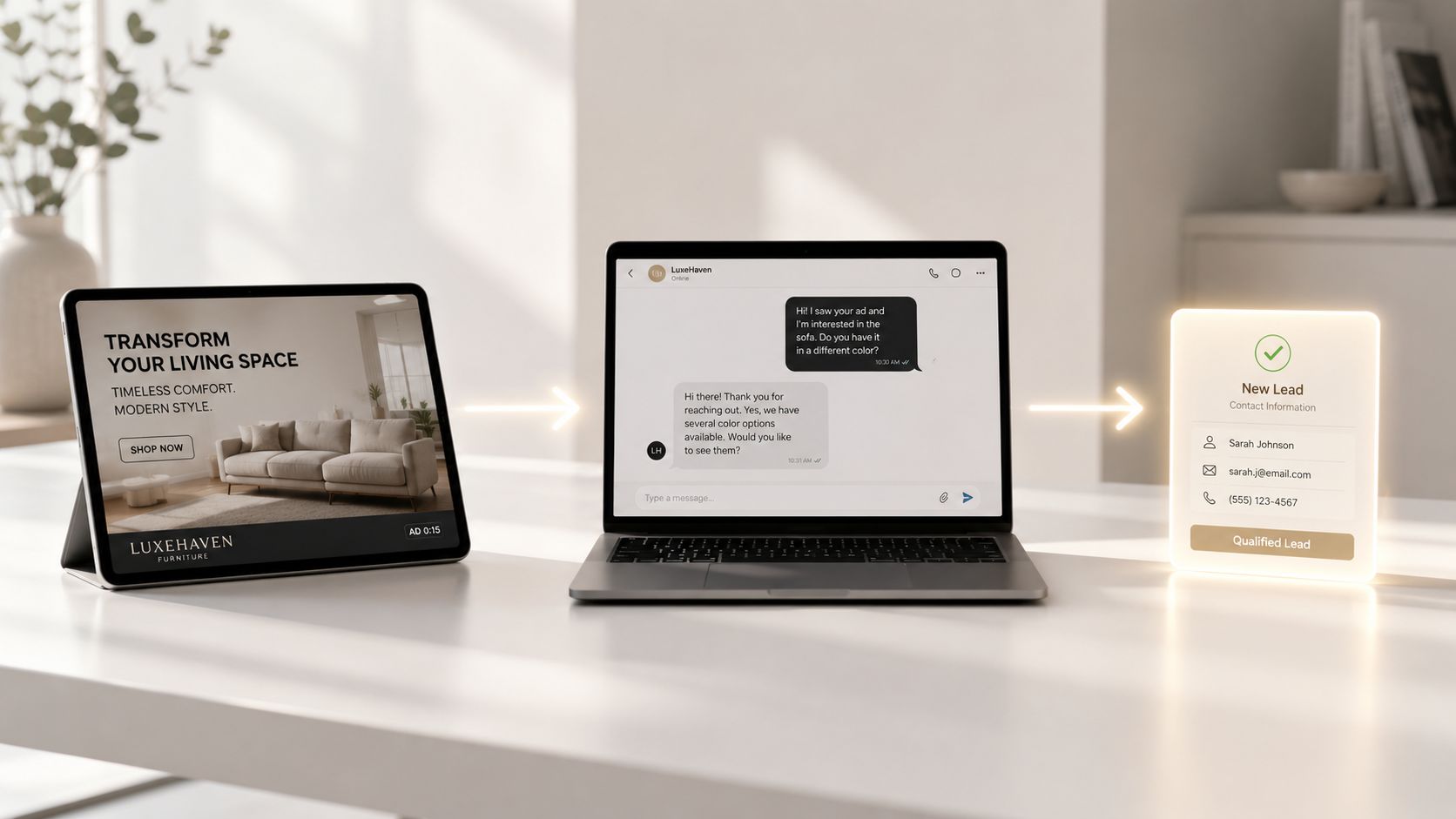
Live chat reduces friction at the exact moment people are deciding whether to contact you, book, or buy. Industry research from Zendesk has found that customers often prefer live chat for fast, low-effort help during the buying process, especially when they want a quick answer without making a call. That fits what I see in small business campaigns. A prospect on the fence usually does not need more copy. They need one answer about price, fit, timing, insurance, delivery, or availability.
That is where ROI starts to show up. TV advertising creates awareness, but awareness alone does not pay for the campaign. If your Adwave spot sends local viewers to a landing page and chat captures the question that would have caused a bounce, you get more value from the same media spend.
A dealership can use chat to confirm whether a vehicle is still available. A law firm can sort personal injury, family law, and estate planning inquiries before intake. A home services company can ask for ZIP code and service type, then push qualified visitors to an estimate request.
What to build into the workflow
Conversion gains come from setup, not from installing the widget and hoping for the best.
Match the prompt to the page intent: A pricing page should invite quote questions. A booking page should offer scheduling help.
Qualify fast: Ask for service type, timeline, location, or budget range early so the conversation produces an usable lead.
Connect chat to follow-up: Use marketing automation for small businesses so missed chats, after-hours inquiries, and partial conversations still enter your pipeline.
Align chat with campaign traffic: If your TV ad promotes one offer, the landing page headline, chat greeting, and form CTA should all reflect that same offer.
This also supports broader acquisition efficiency. Businesses investing in digital marketing for predictable revenue growth often treat chat as part of the conversion path because it helps more paid traffic turn into booked calls, quote requests, and sales conversations.
3. Cost-Effective Customer Service Solution
Every extra phone call your team has to answer by hand raises service costs. Live chat helps control that cost by shifting routine website questions into a channel that is faster to manage and easier to structure.
For small businesses, that matters because the same team is usually covering sales, service, and admin work. If your website gets a spike in traffic after a TV spot runs through Adwave, chat gives you a way to handle that response without forcing every question into the phone queue or inbox.
If you run a plumbing company, med spa, or e-commerce shop, many incoming questions follow a pattern. Hours, availability, pricing ranges, service areas, returns, and booking rules. Chat is a strong fit for that layer of demand because it lets staff answer quickly while reserving calls for higher-value conversations.
Where the Savings Come From
Savings usually come from better workflow design, not from buying another tool and hoping it fixes staffing pressure.
The biggest cost mistake is staffing chat like a phone line. Chat performs better when you use saved replies, route conversations by intent, and escalate only the issues that need a specialist.
Use canned replies for repeat questions: Keep them short, accurate, and easy to personalize.
Start during business hours: A limited schedule is enough to test demand and build process.
Escalate by issue type: Billing problems, legal questions, and custom quotes should reach the right person fast.
Track which chats consume staff time: Review chat tags alongside social media analytics metrics that matter so you can see which campaigns drive basic questions versus qualified buying intent.
A small legal practice can use chat to collect case type and contact details before an attorney steps in. A retailer can handle shipping and sizing questions without tying up the phone. A home services business can let chat cover scheduling basics while dispatch stays focused on field operations.
There is a trade-off. Poor automation creates more work, not less. If the bot hides the phone number, asks too many questions, or fails to route urgency correctly, visitors will leave or call frustrated.
Field note: The lowest-cost chat setup is the one that keeps staff focused on conversations that can produce revenue, save an account, or prevent wasted follow-up.
Process matters as much as software. Adwave's resource on marketing automation for small businesses is relevant because chat works best when it connects to your CRM, lead routing, and follow-up systems instead of sitting alone on the site.
4. Improved Customer Insights & Market Intelligence
Every website gets traffic. Fewer businesses get clear answers about what that traffic wants.
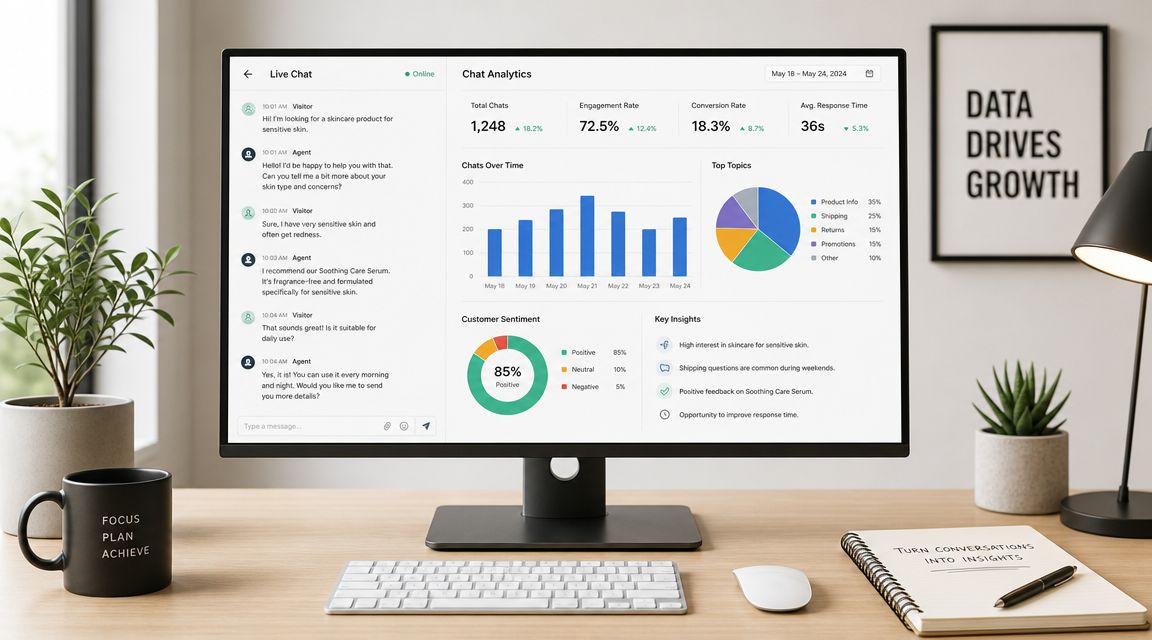
Live chat closes that gap fast. It captures the exact questions, objections, and points of confusion people raise before they buy. That matters when you are paying to drive visits from TV, paid social, or search. If an Adwave campaign gets attention but visitors still hesitate on the site, chat shows where the handoff breaks.
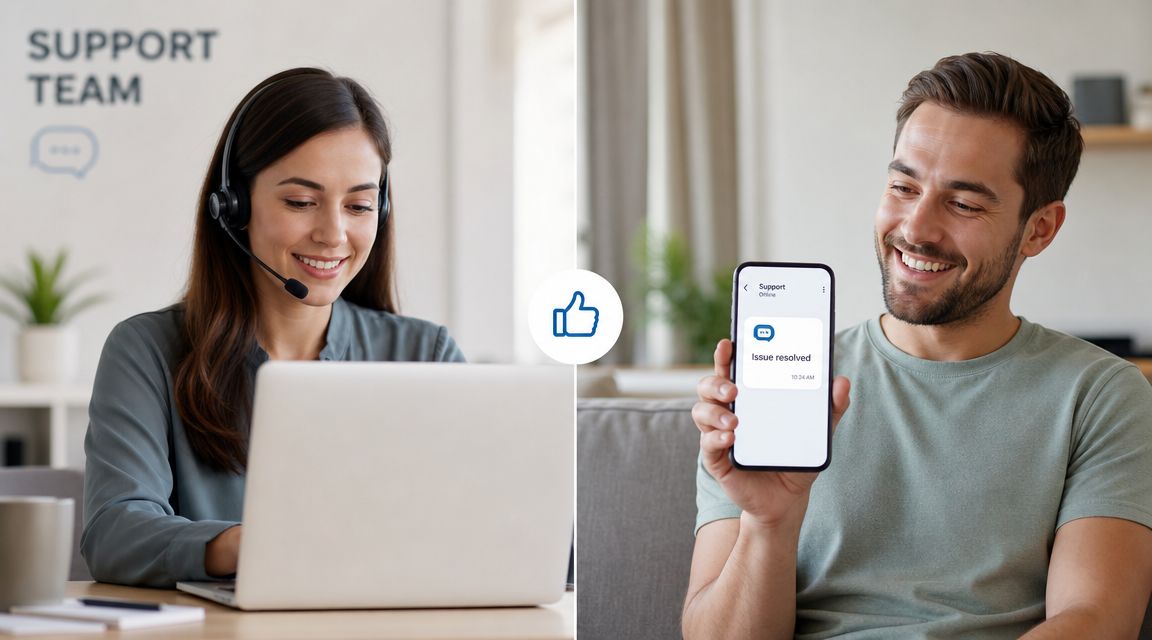
What chat reveals that dashboards miss
Analytics can show that a landing page underperformed. Chat shows why.
A real estate brokerage might notice repeated requests for virtual tours. A wellness clinic may find that appointment timing matters more to prospects than treatment details. An auto dealer can hear financing objections early, before those concerns show up in sales notes or lost-opportunity reporting.
That is useful market intelligence, not just support activity.
Used well, chat becomes a message-testing tool for your marketing team. If people who arrive after a TV spot keep asking the same basic question, the ad may be too vague, the landing page may bury key details, or the offer may need sharper wording. Those are expensive problems if you only catch them after weeks of media spend.
Intercom explains in its guide to live chat for customer service that chat gives businesses direct access to customer questions in real time, which helps teams identify patterns and improve the customer experience. For a small business, that means fewer guesses and faster message refinement.
A practical process helps:
Tag chats by theme: Pricing, availability, service area, trust concerns, urgency, and competitor comparisons are a strong starting set.
Review transcripts every week: Weekly review is frequent enough to catch patterns before wasted ad spend piles up.
Log ad-driven questions separately: If someone mentions seeing your TV ad, mark it. Those chats often expose the gap between what the ad promised and what the page explains.
Feed patterns into campaign reporting: Pair transcript themes with social media analytics metrics that matter so you can connect engagement data to real buyer questions.
Turning insight into better campaigns
The best use of chat data is operational. Change the page. Tighten the offer. Rewrite the ad. Update the FAQ. Train staff on the objections that keep appearing.
If transcripts show confusion about service areas, make that answer visible in the ad and on the landing page. If visitors keep asking about financing or turnaround times, move those points higher on the page. If TV traffic asks broad introductory questions while search traffic asks detailed comparison questions, send them to different landing experiences.
This is where chat earns its keep. It helps small businesses connect media spend to on-site behavior and then to conversion improvements. Without that feedback loop, TV campaigns can generate attention that never turns into revenue. With it, each campaign gives you better market language, cleaner qualification signals, and a clearer view of what prospects need before they act.
5. Enhanced Customer Relationship Building & Loyalty
Acquiring a new customer usually costs more than keeping an existing one. For a small business, that makes loyalty a revenue issue, not just a service goal.
Live chat helps build loyalty because it shortens the distance between interest and reassurance. A visitor asks a question, gets a useful answer, and leaves with more confidence in the business behind the site. That interaction shapes how people remember you, especially in categories where trust drives repeat bookings, referrals, and higher close rates over time.
Loyalty often starts before any money changes hands. If the first conversation is clear, polite, and useful, the business earns credibility early. Zendesk notes in its overview of live chat customer service that chat supports personalized, convenient interactions, which is exactly what small businesses need when buyers are still deciding whether to reach out, book, or buy.
A salon can use chat to answer a first-time visitor's questions about pricing and availability without forcing a phone call. A clinic can reduce hesitation by explaining next steps before an appointment request is submitted. A home service company can reassure a prospect about scheduling, service areas, or what happens after the estimate form.
Good chat feels attentive.
That requires more than fast replies. It requires context, judgment, and a process for carrying the conversation forward when the lead is worth personal attention.
What relationship-focused teams do well
Use names and prior context: If a returning visitor has chatted before, acknowledge it naturally and pick up where the earlier conversation left off.
Guide the next action: Give a specific next step such as booking, requesting a quote, or confirming availability.
Set follow-up rules: After quotes, consultations, or abandoned booking attempts, assign ownership so someone checks back in.
Match the tone to the purchase: A legal, financial, or healthcare inquiry needs more care than a simple hours-of-operation question.
There is a trade-off. Over-automation weakens trust fast. If every reply sounds generic, visitors stop treating the business like a real team and start treating it like a form with a chat box attached. The better setup for many small businesses is hybrid: use automation for simple routing and basic FAQs, then hand off quickly when the conversation involves emotion, urgency, or a high-value sale.
For businesses using Adwave to drive local TV awareness, that handoff matters. TV creates recognition at the top of the funnel. Live chat gives that viewer a direct path to ask, "Do you serve my area?" or "Can you help with my situation?" and get an answer before attention fades. That is how ad spend produces more than clicks. It produces familiarity, trust, and a stronger chance of repeat business later.
6. Real-Time Problem Resolution & Reduced Customer Churn
Acquiring a customer is expensive. Losing one because a simple issue sat unresolved for hours is worse.
Live chat earns its keep after the sale as much as before it. A visitor who came in from a TV spot, clicked through to your site, and booked or bought is still evaluating the business during delivery, scheduling, billing, and support. If that experience breaks, chat gives your team a fast way to recover the relationship before frustration turns into a cancellation or a chargeback.
That is why chat belongs in support, account, booking, and order-status areas, not just on lead-gen pages.
Speed matters most when something is already wrong
Once a customer is irritated, every extra step increases drop-off risk. Long hold times, buried contact forms, and slow email replies push people toward refunds, negative reviews, and competitors.
A good chat setup shortens that path. A retail business can answer a shipping delay question before the customer abandons the purchase entirely. A service company can fix a scheduling mistake while the customer is still on the page. A clinic, law firm, or financial provider can route an urgent inquiry to the right person before trust slips.
Harvard Business Review has reported that customers whose issues are resolved quickly are more likely to remain loyal than those who face delayed service, in its article on the value of fast resolution in customer service. The lesson for small businesses is practical. Resolution speed protects revenue.
What reduces churn in practice
Route frustrated visitors first: Messages about billing errors, missed appointments, failed logins, or delivery problems should jump the queue.
Let staff solve small issues on the spot: If every refund, reschedule, or credit needs approval, chat becomes another delay point.
Tag repeat complaints: If the same issue keeps showing up in chat, fix the process behind it.
Escalate by risk, not arrival time: An angry existing customer often deserves faster handling than a casual new inquiry.
Service rule: The best time to save a customer is during the problem, not after they leave the site.
There is a trade-off here. Immediate chat coverage sets an expectation of immediate action. If your team cannot monitor support conversations consistently, limit chat hours, label them clearly, and offer a real fallback path. A slow or abandoned chat window creates more irritation than a well-managed support form.
For Adwave users, the ROI case is straightforward. TV can create the first visit and the first sale. Live chat helps protect the value of that acquisition by keeping service issues from turning into churn. That makes the campaign perform better beyond the click and beyond the first conversion.
7. Competitive Advantage & Market Differentiation
Small businesses rarely win on awareness alone. They win by being easier to contact, easier to trust, and easier to buy from once attention lands on the site.
That is where live chat creates a real edge.
In plenty of local categories, competitors still rely on phone tags, slow contact forms, or generic inboxes. A well-run chat experience makes your business look more responsive before the prospect compares prices, reads every review, or asks for a second quote. For service businesses buying TV ads, that matters even more. You already paid to generate interest. Chat helps turn that attention into action while it is still fresh.
Where the advantage shows up
The difference is usually visible in simple moments. A roofing company answers a question about financing on the estimate page. A dealership confirms whether a vehicle is still available after store hours. A real estate team responds while a prospect is still on the site after seeing a TV spot.
Those are not support wins. They are positioning wins.
Industry research from Grand View Research shows live chat software is an established and growing category, which supports a practical point for small business owners. Buyers already understand the format. The opportunity is not novelty. The opportunity is execution in markets where many local competitors still handle inquiries poorly.
Adwave adds another layer to this. A TV campaign creates demand at the top of the funnel. Live chat helps carry that demand through the visit instead of letting it stall on a contact page. When the ad feels polished and the website responds quickly, the business feels organized and credible.
How to use chat as a differentiator
Place chat on decision pages: Service pages, pricing pages, location pages, and quote forms usually produce the highest-value conversations.
Write for buying questions: Staff should be ready for availability, timing, pricing range, service area, insurance, and next-step questions.
Keep brand tone consistent: A premium firm should sound clear and composed. A family service brand can sound warmer, but still direct.
Set after-hours expectations clearly: Collect the lead, confirm what happens next, and give a real response window.
A neglected widget does the opposite. If chat opens and nobody answers, visitors read that as operational sloppiness.
That trade-off is easy to miss. Adding chat can improve differentiation, but only if response times, routing, and follow-up are managed well. Zoho's guide to live chat for websites makes the same point in practical terms. Chat works best when it is tied to sales and service workflows, not treated as a decoration in the corner of the page.
For small businesses running TV campaigns, the competitive advantage is straightforward. The ad gets remembered. The website gets visited. Chat gives that visitor a faster path to ask, decide, and convert before a competitor gets the call.
Live Chat for Small Businesses: 7-Point Benefits Comparison
Your Next Step From Conversation to Conversion
Live chat works because it solves a very expensive problem. Small businesses spend money to get attention, then lose prospects at when they hesitate. Chat gives you a way to answer that hesitation in real time.
The upside isn't limited to support. It touches conversion, staffing efficiency, customer insight, retention, and market positioning. For some businesses, the biggest gain comes from faster lead capture. For others, it comes from lower service burden or fewer lost customers. Either way, the value is practical. More conversations move forward instead of stalling.
The strongest use case is when live chat sits inside a full funnel. If you're running TV advertising, paid search, local SEO, referrals, or social campaigns, your website needs to do more than display information. It needs to respond. That's where live chat earns its place. It helps turn campaign traffic into booked calls, purchases, appointments, and qualified leads.
For businesses using Adwave, that connection is especially clear. Adwave helps small businesses create, launch, and measure TV advertising campaigns that drive local viewers to their websites. Live chat can serve as the next step after that visit, helping you convert awareness into action instead of letting warm traffic drift away.
Start small. Put chat on your highest-intent pages first. Write a few strong opening prompts. Train your team to answer quickly, qualify cleanly, and escalate when needed. Review transcripts every week and use what you learn to improve both the website and the messaging that sends people there.
Live chat lets visitors ask questions while they are considering a purchase.
If you're using TV to drive local demand, Adwave is worth a look. It helps small businesses create and launch TV ads across premium channels, and when that traffic reaches your site, live chat can help turn that interest into leads, appointments, and sales.


