Only a small share of shoppers convert on their first visit. The rest leave, compare options, get distracted, or need another reason to act, according to these retargeting performance statistics. Retargeting helps you bring those people back without paying cold-traffic costs every time.
Use retargeting alongside checkout improvements and follow-up emails to reach shoppers who left without buying. (tackle ecommerce cart abandonment)
The eight retargeting ads examples below do more than show creative. Each one includes a Strategy Breakdown with the audience segment, timing, KPIs, and a ready-to-use script or template.
That structure is the point. Small teams do not need more theory. They need to know who to target, when to show the ad, what to measure, and what to say.
1. The Foundational Follow-Up: Site Retargeting Display Ads
Visitors who leave without converting are not lost. They are your easiest audience to bring back, especially if they already viewed a service page, pricing page, or lead form.
Site retargeting display ads are the starting point because they are practical. You can launch them fast, control spend, and use them across almost any business model, from local services to online stores. They also give you a clean baseline. If this campaign cannot produce return visits or assisted conversions, adding more advanced retargeting formats usually will not fix the underlying issue.
Strategy Breakdown
Audience segment: All website visitors, segmented by intent. Start with homepage visitors, service-page visitors, product-page visitors, and checkout or lead-form visitors.
Timing: Start showing ads within the first one to two days after the visit, then taper frequency over the next one to two weeks. Short consideration offers usually need a tighter window. Higher-ticket services can justify a longer one.
KPIs: Click-through rate, return visits, assisted conversions, view-through conversions, and cost per returning visitor.
A useful real-world setup is a local HVAC company tagging visitors to its AC repair page while excluding completed leads. The ad does not try to entertain. It states the core offer, same-day scheduling, licensed technicians, and a clear booking CTA, then sends the click to a short form instead of the homepage.
That trade-off matters. Broad display retargeting gives you scale, but it can waste budget if the message stays generic for too long.
What works and what doesn't
Relevance carries this format. Match the ad to the page category, the problem the visitor was trying to solve, and the next step you want them to take. A pricing-page visitor should see an ad built around proof, urgency, or booking. A blog reader may need a softer CTA, such as a guide, estimate, or email follow-up.
Frequency also needs control. If a small business keeps serving the same banner to every past visitor for 30 days, performance usually drops and the brand starts to feel repetitive. Set exclusions for converted users, cap frequency, and rotate two to three creative angles before fatigue sets in.
Coordinate retargeting ads with relevant follow-up emails, where customers have consented to receive them. (WearView's insights on e-commerce AI)
Practical rule: Build at least three audience buckets from day one: low intent, mid intent, and high intent. Give each group its own message and landing page.
Ready-to-use ad script
Headline: Still need [service/product]?
Body: You visited our [service/product] page. If you're still comparing options, we're ready when you are. Get a quote, book a visit, or review your options in minutes.
CTA: Book now / Get a quote / See options
For small businesses, this is usually the control campaign for every later retargeting test. Keep the audience logic simple, send traffic to the most relevant page, and judge success by return quality, not just cheap clicks.
2. The E-commerce Power Play: Dynamic Product Retargeting
Dynamic product retargeting is where many online stores see the biggest lift because the ad reflects the exact item a shopper viewed, added to cart, or left behind. Instead of reminding someone that your store exists, you're reminding them about the specific product they almost bought.
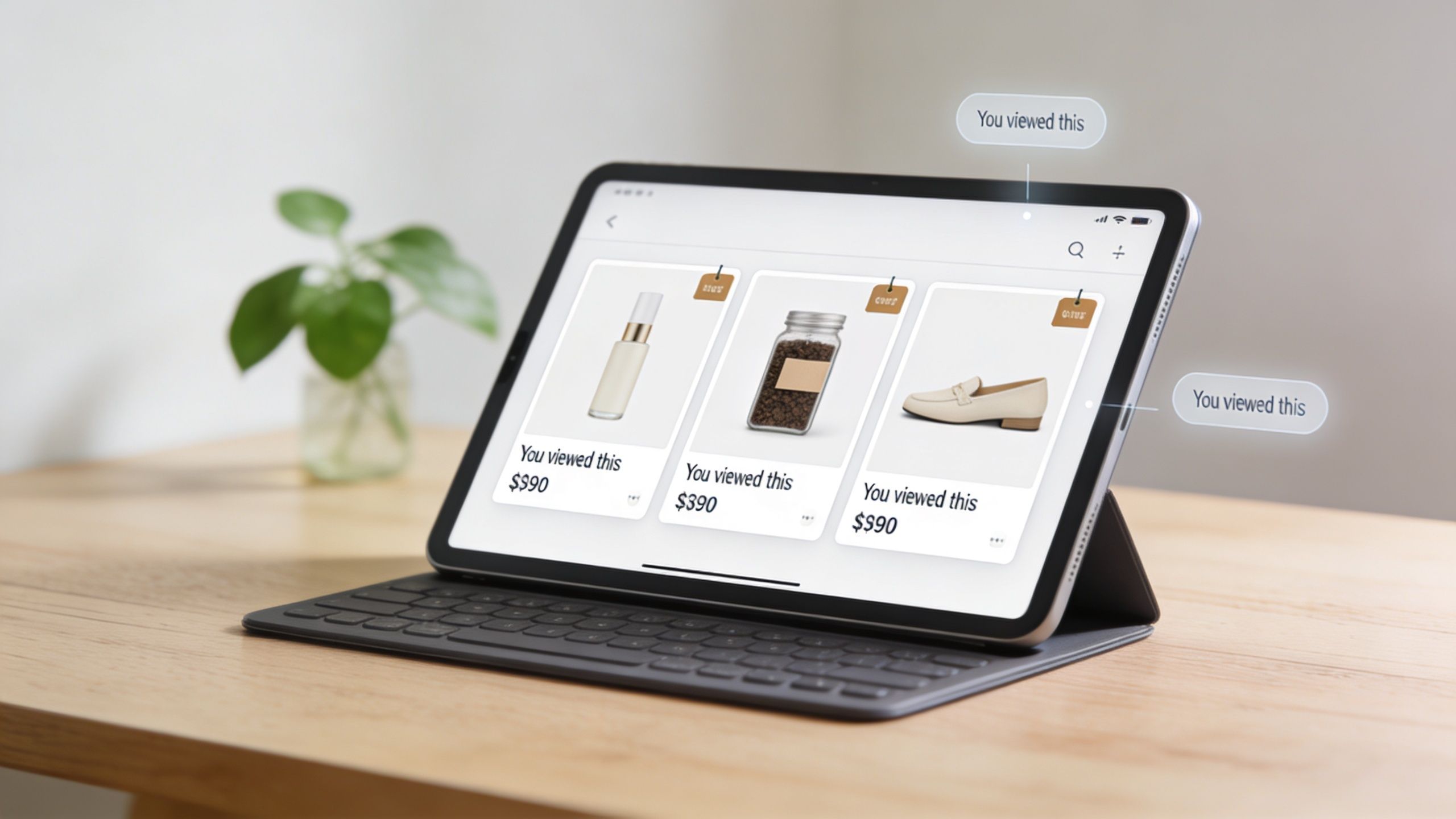
That level of relevance matters. Dynamic retargeting ads deliver 2 to 3 times higher click-through rates and conversion rates compared to static ads, and dynamic ads featuring products users previously viewed have achieved CPA savings of 70% and generated 146% more conversions than generic retargeting approaches, according to WhatConverts' retargeting examples breakdown.
Strategy Breakdown
Audience segment: Product viewers, cart abandoners, category browsers, and repeat visitors.
Timing: Fast follow-up works best, especially for cart abandoners and recent product viewers.
KPIs: Product-level ROAS, cost per acquisition, cart recovery rate, and conversion rate.
A strong real-world use case is a fashion store that shows the exact jacket a shopper viewed, then fills the remaining carousel slots with related products from the same category. That often outperforms a broad “shop our new arrivals” message because the shopper doesn't have to restart the decision.
Template you can launch today
Headline: Still thinking it over?
Body: Your recent picks are waiting. Take another look before they're gone.
CTA: Return to cart / View product
If your store also runs email, pair DPAs with a cart recovery sequence. Ad fatigue is real, so the creative should rotate while the product relevance stays consistent. Adwave's guide on abandoned cart emails for recovering lost revenue fits well alongside this setup, especially for brands trying to connect paid retargeting with owned retention.
For merchants using AI tools to manage creative, feeds, and merchandising logic, WearView's insights on e-commerce AI are useful context.
3. The Social Re-Engagement: Social Media Retargeting
Retargeted visitors are far more likely to respond than cold audiences. Social placements sharpen that advantage because the ad shows up where people already spend time, scroll, save, and share.
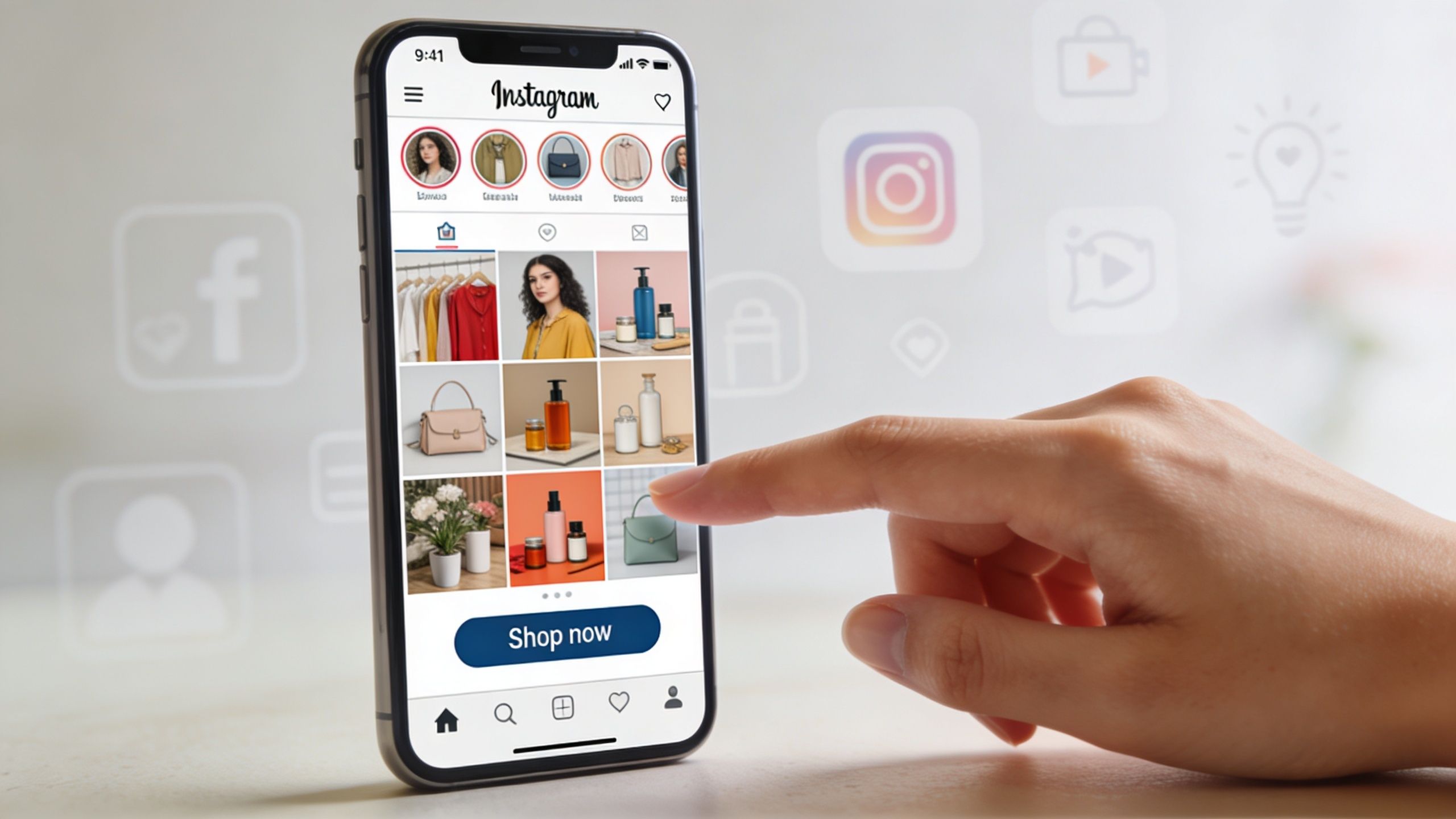
On Meta, this format is strongest for warm traffic that needs one more nudge, one more proof point, or a simpler next step. The win is not just visibility. It is context. A feed ad can show the product in use, a client result, a short testimonial, or a founder talking through the offer in 15 seconds.
Strategy Breakdown
Audience segment: Site visitors, video viewers, engaged Instagram users, and app users.
Timing: Use short recency windows for high-intent visitors. Use longer windows for content engagers who need more warming up.
KPIs: CTR, landing page views, saves, add-to-cart actions, and post-click conversions.
A local med spa can retarget treatment-page visitors with a vertical video that shows the room, the practitioner, and a clear booking prompt. A product brand can run a carousel that starts with the item viewed, then follows with customer reviews or related bestsellers. Those are different creative choices for different objections, and that is the primary advantage of social retargeting. You can match the message to the hesitation.
What to put in the ad
Social retargeting gives you more room than standard display to handle trust, relevance, and tone.
For warm product viewers: Show the product in real use. Include texture, scale, or outcome, not just a clean catalog image.
For service businesses: Lead with the result people want, then show the next step to book, call, or request a quote.
For hesitant buyers: Put proof before the CTA. Review snippets, UGC, before-and-afters, or a short credibility line usually beat generic brand copy.
A simple rule I use is this: if the click did not convert because the offer felt uncertain, the retargeting ad should reduce uncertainty. If the click did not convert because life got busy, the retargeting ad should make the return path obvious.
Template you can launch today
Hook: Still deciding on [product/service]?
Body: See how [product/service] works, why customers choose us, and what to do next.
CTA: Shop now / Book now / Get pricing
Budget matters here because social retargeting can stay efficient at low spend, but only if audience sizes and recency windows are set tightly. If you're mapping spend by funnel stage, Adwave's guide on how much a small business should spend on social media ads is a useful reference.
4. The Storytelling Sequel: Video Retargeting (YouTube)
Video retargeting is strong when your product needs demonstration, trust-building, or narrative. A single display ad can remind. A short video can explain, reassure, and move the sale forward.
This format works well for coaches, software companies, home services, medical practices, and any category where buyers need a little more context before they commit. The key is continuity. If someone watched your explainer, testimonial, or product demo, the retargeting ad should continue that thread instead of starting over.
Strategy Breakdown
Audience segment: People who watched a key video, visited your site from YouTube, or engaged with your channel.
Timing: Sequence ads based on prior engagement. Shorter recency for pricing-page visitors, longer recency for top-of-funnel video viewers.
KPIs: View rate, watch time, branded search lift, return site visits, and conversion assists.
A clean example is a remodeling contractor. First video: before-and-after transformations. Retargeting video: how the estimate process works, what timelines look like, and why homeowners choose the company.
Script format that performs better than hype
Don't use YouTube retargeting to repeat your entire pitch. Use it to remove the objection that likely stopped the first visit.
Hook: Still comparing options for [problem]?
Middle: Here's what the process looks like, what you'll get, and what happens next.
Close: Visit again when you're ready to see pricing, book, or ask questions.
This format is less flashy than a brand anthem. It usually performs better because warm audiences need clarity more than spectacle.
Field note: If the first visit was driven by education, your retargeting video should answer one practical question, not ten.
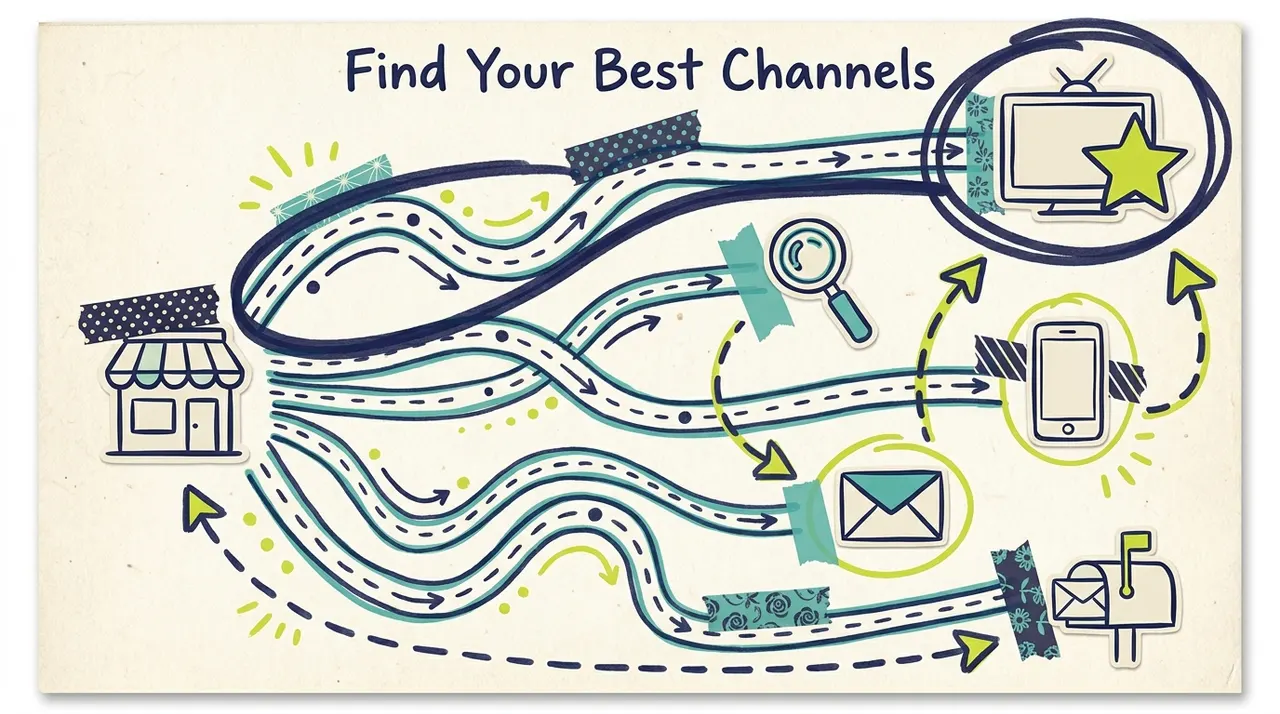
5. The High-Intent Intercept: Search Retargeting (RLSA)
Search retargeting catches people when they return to Google and start actively looking again. That's why it can be one of the highest-intent retargeting ads examples on this list.
The user already knows your brand. Then they search for your category, a related solution, or even a competitor. If your remarketing lists for search ads are set up correctly, you can bid differently, tailor ad copy, and send them to a sharper landing page than you'd use for cold search traffic.
Strategy Breakdown
Audience segment: Past visitors who reached service, pricing, cart, product, or lead pages.
Timing: Keep windows tight for urgent categories like legal, medical, repair, or emergency services. Broaden for considered purchases like furniture or software.
KPIs: Impression share on warm audiences, click-through rate, conversion rate, and cost per lead or sale.
A practical scenario: someone visits a family law firm's divorce services page, leaves, then later searches for “divorce attorney near me.” Your ad shouldn't read like a generic cold-search ad. It should reflect familiarity and urgency.
Sample ad copy
Headline: Still looking for a [service]?
Headline: Talk to a local [category] team today
Description: You already reviewed your options. Take the next step with clear pricing and fast answers.
RLSA isn't the place for broad branding language. It's where you recapture intent that would otherwise leak to comparison shopping. If your search campaigns feel expensive, this is often where efficiency improves first because the audience is warmer and the message can be tighter.
6. The Direct Line: Email & SMS Retargeting
Email and SMS aren't always labeled as retargeting in the same way display or social is, but functionally that's what they are. A visitor browses, starts checkout, clicks a product, or begins a form. Then your owned channels bring them back.
This channel is different because you control the message, timing, and follow-up sequence. You aren't renting attention from a platform. You're using consent-based audience data you already own.
Strategy Breakdown
Audience segment: Cart abandoners, browse abandoners, form starters, trial users, and previous buyers.
Timing: Trigger messages around specific actions. Fast for abandoned carts. Slower and more educational for high-consideration services.
KPIs: Open rate, click rate, reply rate for SMS, recovered revenue, and assisted conversions.
For a local service business, email retargeting might look like an estimate reminder with a simple “still need help?” message. For e-commerce, it might be a cart recovery series followed by an SMS reminder during business hours.
A better sequence than one desperate reminder
Email 1: Reminder with the item or service viewed
Email 2: Objection handling, such as shipping, timeline, or fit
SMS: Short nudge with a direct link back
Email 3: Social proof or a deadline if there's a real one
What doesn't work is sending the same message three times with different subject lines. Each follow-up should answer a different question.
A strong cross-channel setup is to let paid retargeting handle visibility while email and SMS handle detail. That's often where recovery happens, especially when buyers just needed more time or one final reassurance.
7. The VIP Treatment: CRM List Retargeting
CRM list retargeting is how you stop treating existing customers like strangers. You upload first-party lists to ad platforms, segment them by behavior or purchase history, and deliver ads that make sense for where the relationship stands now.
The message for a past buyer should never be the same as the message for someone who only visited once. Loyalty, upsells, cross-sells, renewals, and reactivation all need their own angle.
Strategy Breakdown
Audience segment: Past buyers, lapsed customers, high-value clients, consultation leads, newsletter subscribers, and no-sale leads.
Timing: Match the window to the buying cycle. A skincare refill campaign should run on a different cadence than a real estate nurture or a tax service reminder.
KPIs: Repeat purchase rate, reactivation rate, upsell take rate, and cost per returning customer.
Watchfinder is a useful example of what segmentation can do at a high level. The campaign segmented retargeting audiences into 20 distinct lists and achieved a 1,300% ROI, with 34% lower CPAs and a 13% increase in average order value within six months, according to this retargeting case study roundup. The lesson isn't that every business needs 20 segments. It's that meaningful segmentation beats one-size-fits-all messaging.
Ready-to-use CRM retargeting angle
Lapsed customer ad: It's been a while. See what's new.
Past buyer ad: Based on your last purchase, you may like this next.
Lead nurture ad: Still deciding? Get the details you didn't have on your first visit.
If you're sitting on a customer list and only using it for newsletters, you're underusing one of your highest-value assets.
8. The Big Screen Comeback: Connected TV (CTV) Retargeting
CTV retargeting combines warm-audience targeting with the impact of television. A user visits your site, then later sees your video ad while watching streaming content at home. For local brands, that can be a strong way to stay visible without relying on clicks alone.
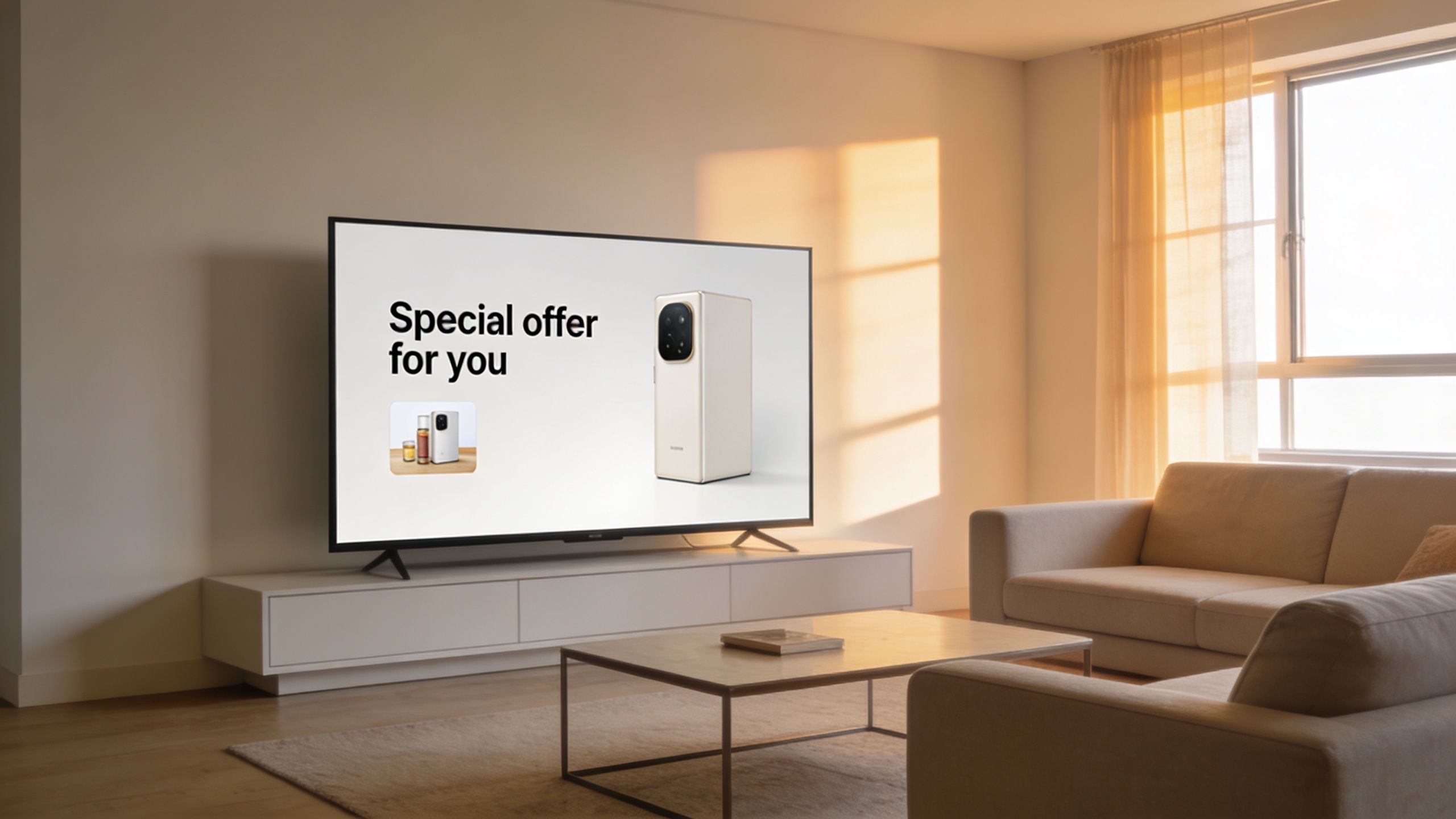
This format is especially useful for businesses that need trust and local presence. Think dentists, real estate teams, home services, auto dealers, wellness brands, and regional retailers. The ad doesn't have to close the sale on the TV screen. It has to reinforce recognition and move the household closer to action.
Strategy Breakdown
Audience segment: Site visitors, landing page engagers, cart abandoners, and repeat visitors. You can also separate high-intent and moderate-intent traffic.
Timing: Serve ads while interest is still fresh, then use frequency caps to avoid wear-out.
KPIs: Site return rate, branded search, assisted conversions, and household-level reach among warm traffic.
Behavioral personalization can improve this setup. Advanced retargeting platforms using behavioral data and dynamic creative optimization have achieved conversion improvements of 50% to 98% above baseline, and RTB House's Deep Learning approach for Yemeksepeti produced a 3x higher ROAS and a 9x rise in average order value, according to RTB House's retargeting examples. On CTV, that same principle translates into more relevant creative tied to pages viewed, categories explored, or offers abandoned.
Why Adwave fits here
Adwave is directly relevant if you want to run CTV retargeting without building a traditional TV production workflow. Its platform is built for small businesses that want to turn website traffic into streaming TV audience targeting, and its guide on what connected TV advertising is is a good place to understand the channel before launch.
A practical example is a local real estate team using site behavior to serve one CTV ad to listing viewers and a different one to home valuation visitors. Same brand. Different message. Better fit.
8 Retargeting Ad Types Compared
Your Retargeting Blueprint: From Visitor to Customer
The best retargeting ads examples all share the same core principle. They don't chase everyone with the same message. They respond to intent.
Segment retargeting audiences by their previous actions. A homepage visitor, cart abandoner, and past customer may each need a different offer.
The good news is you don't need a complex setup to improve. Start with one audience that already shows buying intent. Cart abandoners, pricing-page visitors, estimate-form starters, or repeat product viewers are all strong starting points. Write one message that matches what they were doing. Then choose the channel that best fits the moment. Display for reminders. Social for proof and engagement. Search for recapturing active intent. Email and SMS for direct follow-up. CTV for local reach and brand reinforcement.
Creative matters, but sequencing matters more. Show the right ad too early and it feels pushy. Show the wrong ad too late and it's ignored. The strongest systems use timing, recency, exclusions, and simple audience logic to move people from interest to action without overwhelming them.
Frequency control also matters. Retargeting can become annoying fast when businesses don't cap exposure or refresh creative. The point isn't to stalk people around the internet. It's to stay visible while interest is still alive. If someone has already converted, exclude them or move them into a post-purchase audience. If someone hasn't engaged after repeated exposure, change the offer or stop spending on that segment.
For small businesses, this is one of the most practical ways to get more out of existing traffic. You're not forced to buy more top-of-funnel attention just to replace lost visitors. You can recover some of the demand you've already paid to generate.
If CTV is part of your mix, Adwave is one relevant option for turning website traffic into streaming TV retargeting and broader local TV campaigns. That can be useful for businesses that want digital-style audience targeting with TV creative and placement workflow in one platform.
Pick one of these retargeting ads examples and launch it this week. Keep the audience narrow, the message specific, and the landing page aligned. That's how bounces turn into buyers.
If you want to put retargeting on the biggest screen in the house, Adwave gives small businesses a practical way to create and run AI-powered TV and CTV campaigns using website-driven audience targeting, premium channel placement, and budget controls that fit local advertisers.