Social media is no longer a support channel for small business marketing in 2026. For many local brands, it is the front line for discovery, trust, customer service, and sales.
That changes the standard operating model. Casual posting, occasional boosts, and generic promotional graphics do not hold up when buyers expect fast proof, clear offers, and a reason to act now. Social content has to do more than fill a calendar. It has to produce a measurable next step.
Consumers now use social platforms the way they once used search. They check reviews, watch demos, compare options, message the business, and often buy without leaving the app. They also make quick judgments. If the content feels polished but vague, it gets ignored. If it shows a real outcome, a real person, and a clear path to buy, it has a chance.
Small businesses do not need a large team to compete. They need tighter execution. Pick fewer channels. Build repeatable creative formats. Test hooks and offers faster. Use customer proof more often. Keep brand voice consistent across every touchpoint.
Social also works better when it is connected to channels that extend reach instead of sitting in its own silo. That is where accessible multi-channel tools matter. Adwave gives small businesses a practical way to turn strong social creative into TV-ready campaigns, then reuse those assets across platforms without old-school production costs. If you need a starting point for creative built to travel across channels, this Instagram Reels quick-start guide for local business owners is a good place to begin.
The businesses that win in 2026 will not treat social as a separate tactic. They will use it as the engine inside a broader system that pairs platform-native content with wider distribution, stronger recall, and more efficient creative reuse.
1. Short-Form Video Commerce Integration
Short-form video now does the work your website homepage used to do. It introduces the offer, answers quick objections, and pushes the sale.
That shift matters for small businesses because attention is expensive, but simple video production is not. A Reel, Short, or TikTok has to show the product, the outcome, and the next step fast. If a viewer has to guess what you sell, the creative failed.
The strongest examples are practical. A boutique shows how a jacket fits on two body types. A restaurant posts a plated lunch special with the reservation link in frame. A realtor opens with the best room in the house, then adds a direct inquiry prompt. A home services company starts with the finished result, then shows the process just long enough to build trust.
What gets results
Shoppable short-form video works best when execution stays tight:
Open with the payoff: Start with the finished look, solved problem, or standout feature.
Keep one conversion goal: Shop, book, reserve, or request a quote. Pick one.
Produce versions, not masterpieces: Change the first line, angle, or offer framing and test several cuts of the same concept.
Make buying easy: Use product tags, pinned comments, link stickers, or a clear on-screen CTA.
I see small businesses lose weeks polishing one video when they should have tested five. Social platforms reward speed, clarity, and iteration more than polish. A decent video with a clear offer usually beats a beautiful video that hides the point.
For local brands, this format also has value beyond social. The same vertical clip can run on Instagram, get recut for Stories, support paid placement, and feed a broader campaign. Adwave's guide to Instagram Reels for local business is a useful starting point if you need a repeatable process instead of random posting.
Short-form commerce also works better when the message carries into another channel. A promotion that earns clicks on social can often become a connected TV ad, especially for service businesses, restaurants, retail, and local events. Adwave helps small businesses take social-first creative and adapt it for TV without paying for a separate production cycle. That matters when budget is tight and creative fatigue shows up fast.
If you want a broader view of how AI is changing content decisions and campaign planning, Women Listed digital growth strategies offers useful context. The key takeaway for small businesses is simple. Build video that can sell in-feed, then reuse the winners across channels where reach and recall are harder to get with social alone.
2. AI-Powered Personalization at Scale
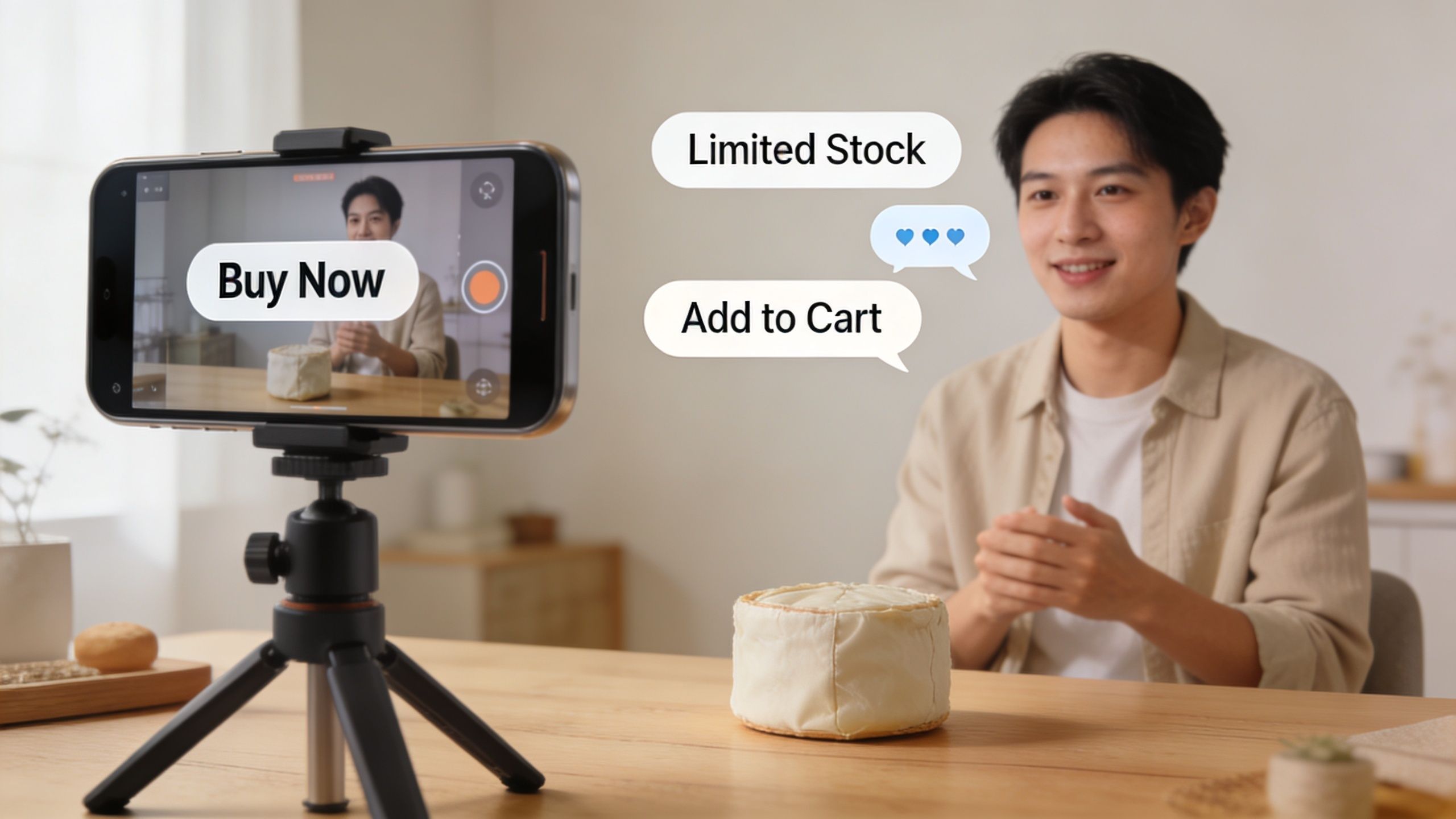
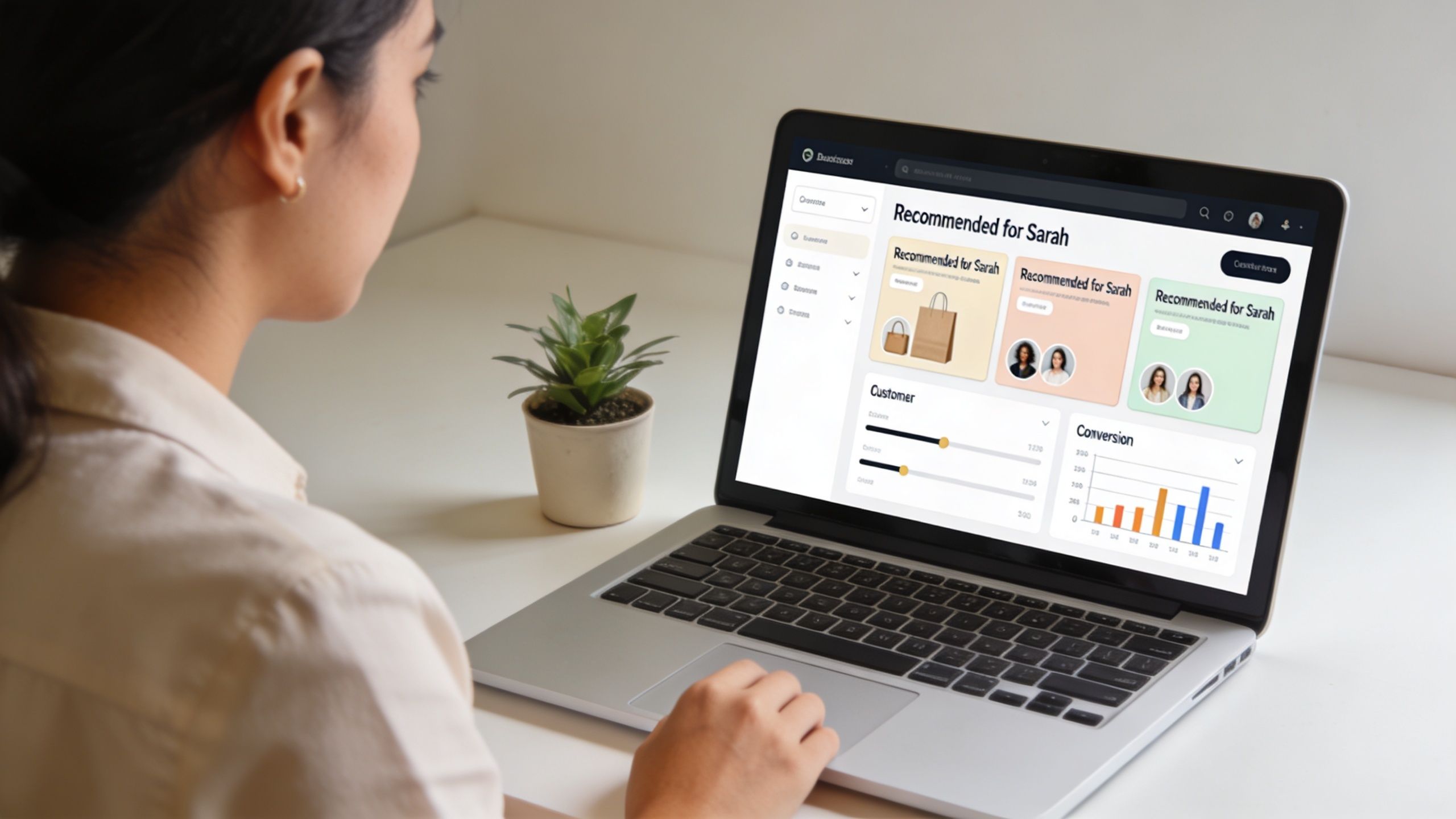
AI personalization is no longer a nice extra for small business marketing. It is quickly becoming the difference between campaigns that convert and campaigns that get ignored.
The opportunity is not endless content production. It is better audience-message fit, delivered faster and with less waste. AI can help draft variations, sort audiences, repurpose assets, and identify patterns in response. People still need to decide what promise to make, how far to personalize, and where the line is between relevant and intrusive.
That trade-off matters. A local business usually does not lose because it posted too little. It loses because it showed the wrong offer to the wrong person, then repeated that mistake across every channel.
A dealership can show value-focused inventory to price-sensitive shoppers and safety or space-focused inventory to families. A real estate team can swap neighborhood creative based on likely buyer intent. A med spa can speak differently to a first-time consultation lead than to a repeat client considering a higher-ticket service. None of this requires a huge team. It requires a few useful audience buckets, clear offers, and a system for testing message variations without losing brand consistency.
Start with segments you can manage
Keep the first version simple. Three groups are usually enough to start:
Existing customers: Good for testing new offers because trust is already established.
First-time prospects: Need proof, low-friction calls to action, and a clear reason to act.
Local intent audiences: Respond to service-area language, recognizable visuals, and location-specific offers.
Tools like Klaviyo, HubSpot, Meta automation, and Google Ads audience features can handle a lot of this work. The mistake is letting the software write the strategy. AI can produce twenty versions of a headline in minutes. It cannot tell you which claim your market will believe or which objection is blocking the sale.
For small businesses building repeatable audience segments around owned communities, this guide to Facebook Groups for local business community building is a practical complement. Strong community signals give you better inputs for personalization, especially when platform targeting gets less precise.
A good outside perspective on how teams are using AI creatively is this piece on Women Listed digital growth strategies.
Use AI for speed. Use people for judgment.
What works
Personalization works best when it changes one or two meaningful variables. Offer, audience, and context usually matter more than cosmetic changes.
That means:
Changing the hook based on buyer intent
Swapping proof points by audience type
Adjusting the call to action for customer temperature
Keeping the brand voice consistent across every version
What fails fast
Over-personalized creative often feels creepy. Weak personalization feels generic. Both hurt trust.
Small businesses should avoid using AI to create dozens of barely different posts that sound machine-written. That saves time up front and wastes budget later. If every variation uses the same vague promise, you are not personalizing. You are multiplying mediocrity.
This trend gets more valuable when it extends beyond social. If a message works for a defined segment on Instagram or Facebook, it should inform your email, landing pages, and broader awareness channels too. Adwave is useful here because it helps small businesses carry proven social messaging into AI-powered TV advertising without rebuilding the campaign from scratch. That creates a stronger multi-channel system. Social identifies what resonates. TV expands reach and recall with the same positioning. For a small business with limited budget, that is a better use of AI than generating more content for its own sake.
3. Community-Driven Content and Micro-Communities

Audience size matters less than audience behavior. A smaller group that asks questions, shares experience, and comes back every week will usually produce more sales than a larger audience that passively scrolls.
The practical shift in 2026 is away from renting all your attention from the feed and toward building places where customers can participate. For a small business, that might be a private Facebook Group for local homeowners, a Discord for hobbyists, a Telegram list for product drops, or a LinkedIn community around a specialized service. The format matters less than the reason to join.
A real estate team can run a first-time buyer group with lender Q&As and inspection checklists. A contractor can host a renovation community where people post project questions before they are ready to request a quote. A restaurant can give regulars a private space for menu previews, event announcements, and limited reservations.
Why this matters now
Platforms keep rewarding interaction that signals genuine interest. Communities create that naturally because members are there to respond, not just consume. That makes these groups useful for both retention and research. You see objections earlier, language patterns faster, and demand signals before they show up in ad metrics.
The common mistake is building a group that functions like another promo channel. That dies quickly.
Give people a clear exchange:
Access for attention: early booking windows, insider updates, direct answers
Expertise for loyalty: advice, troubleshooting, local recommendations, live Q&A sessions
Recognition for participation: member spotlights, reposted wins, featured stories
How to connect community and reach
Community content works best inside a wider system. Social helps you attract the right people. Your group gives them a place to stay. Broader channels create market-level awareness so more of the right prospects recognize your name before they join.
That is where Adwave fits well for small businesses with limited budget. Use social and community conversations to learn what people care about. Then carry those proven themes into AI-powered TV advertising to reach the wider local market. TV builds familiarity. The community handles trust, questions, and repeat engagement. That combination is stronger than asking social content to do everything alone.
If Facebook is your main channel, this guide to Facebook Groups for local business community building is a useful starting point.
The feed gets attention. The community turns that attention into repeat demand.
4. Influencer Micro-Partnerships and Nano-Creator Collaborations
Small businesses waste money when they treat influencer marketing like a search for the biggest local name. Reach looks impressive in a screenshot. It does not guarantee trust, local relevance, or sales.
In 2026, the better play is a tight group of smaller creators whose audience matches the buyer you want. A neighborhood food creator can send real diners through the door because their followers already use them for places to try. A local car enthusiast can build credibility for an auto shop faster than a polished brand campaign. A real estate agent will often get better response from a parent creator, lender, or relocation voice with strong community trust than from a broad lifestyle account with weak local fit.
This works because micro-partnerships feel closer to a recommendation than an ad. That does not mean every small creator is a good bet. Many have decent engagement and poor conversion value.
How to vet creators properly
Skip the media kit at first. Review the account like a buyer would.
Check:
Audience fit: Do they already attract the kind of customer you want?
Comment quality: Are followers asking specific questions, tagging friends, and talking about buying decisions?
On-camera trust: Does this person sound credible, clear, and natural enough to influence a real purchase?
Consistency: Have they shown up regularly for months, or did engagement spike for one viral post and disappear?
The best setup for many SMBs is not one sponsored post. It is a repeat creator program with three to five people who each cover a different angle of trust.
A home services company might work with a homeowner creator, a local designer, and a neighborhood family account. A restaurant can bring back the same few food creators for menu launches, chef specials, and event nights. An agent can build an ongoing neighborhood series with a lender, parent creator, or moving expert. Repetition matters. Familiar faces create recall, and recall lowers resistance.
What to ask for
Do not pay only for exposure. Pay for content you can reuse.
Request:
Vertical video clips: Built for Reels, Shorts, TikTok, and paid social
A defined story angle: Review, walkthrough, before-and-after, visit, comparison, or demo
Usage rights: Permission to reuse strong clips in ads, landing pages, email, and broader campaign creative
A clear CTA: Visit, book, call, redeem, or request a quote
Small businesses can out-execute bigger brands in this arena. One strong creator partnership can supply a month of useful assets if the brief is clear and the rights are handled upfront.
The multi-channel upside matters too. If a creator video proves a message works on social, keep using it. Pull out the strongest hook, testimonial line, or product proof and adapt it for paid social and AI-powered TV campaigns through Adwave. Social validates the message with a specific audience. TV extends that same proof across the local market so more buyers recognize your business before they see the next post. That is a better system than asking influencer content to do all the work inside one feed.
5. Live Shopping and Interactive Streaming Commerce
Live shopping is one of the few social formats that can move a buyer from curiosity to action in a single session.
For small businesses, that matters. A good live stream answers objections in real time, shows the product or service in context, and gives people a reason to act before they scroll away. That makes it useful well beyond retail. A boutique can host live try-ons. A realtor can run a virtual walk-through with live Q&A. A restaurant can preview a seasonal menu and take reservations. A dealership can show current inventory and handle trade-in questions on the spot. A home services company can explain a common repair, show what the problem looks like, and book estimates from the stream.
Why live works better than static posts
Live content shortens the trust cycle.
People do not have to guess what the offer looks like, how it works, or whether their question will get answered. They can see the demo, hear the explanation, and ask what is stopping them from buying. Static posts are good for reach. Live is better for conversion when the purchase needs proof, context, or reassurance.
It also gives you a natural reason to create urgency. Limited appointment slots, event tickets, live-only bundles, early access, and same-day specials fit the format because the audience is already gathered for a specific moment.
A live stream does not need studio production. It needs a prepared host, a clear offer, and fast, useful answers.
A practical format for SMBs
Keep the structure tight so the stream feels useful, not improvised.
Open with the payoff: New arrivals, a limited offer, open booking slots, or a live walkthrough
Prompt early comments: Ask what viewers want to see first or what question they need answered
Show proof fast: Demo, side-by-side comparison, reveal, testimonial, or process walkthrough
Repeat the CTA clearly: Buy, book, reserve, message, or claim the offer
The trade-off is simple. Live can produce strong buying intent, but only if someone on your team can host with confidence and keep the pace up. A weak stream hurts more than no stream at all. Rambling explanations, bad lighting, delayed replies, and no clear offer will drain attention fast.
Start small. One 15 to 20 minute session each week is enough to test format, timing, and audience questions. Record every session and cut the best moments into short clips for Reels, Shorts, TikTok, and paid social. Then use the strongest proof points in a broader campaign. Social can generate the interaction. AI-powered TV advertising through Adwave can extend the same message to local households that never saw the stream, which turns one live event into a multi-channel asset instead of a one-time post.
6. Authenticity and Behind-the-Scenes Content
Polished brand content is no longer enough. Small businesses win attention when they show how the work gets done.
Behind-the-scenes content works because it reduces the gap between your marketing and the buyer's real question: "What will it be like to work with you?" A contractor on a jobsite, a restaurant owner checking prep before service, a dentist answering a common concern, or a retail team opening a new shipment gives people something more useful than a slogan. It gives them evidence.
That matters even more for small teams with limited budgets.
The mistake is treating "authentic" as an excuse for low standards. Shaky framing, weak audio, no point, and a two-minute ramble waste attention fast. Good behind-the-scenes content feels human, but it is still built with intent. The camera can be casual. The message cannot.
A simple structure fixes this:
Show the authentic moment
Add one useful explanation
Tie it to a customer concern
Ask for the next action or question
The best weekly content usually comes from operations, not brainstorming sessions.
Team visibility: who is doing the work and what they handle
Process proof: prep, inspections, estimates, repairs, packaging, quality checks
Customer education: common questions, common mistakes, what to expect
Owner judgment: why you changed a policy, chose a product, or recommend one option over another
Here is the trade-off. Raw content builds trust faster, but it usually needs more editorial judgment. You have fewer production costs and less polish to hide behind, so every weak clip feels weaker. That is why I advise clients to record often, cut aggressively, and keep only the moments that answer a buyer question or show clear proof.
Used well, this content does more than fill a social calendar. A strong behind-the-scenes clip can become a Reel, a testimonial-style ad, a landing page asset, or creative for a local TV campaign through Adwave. Social builds familiarity. Broader channels build reach. If you are also tightening discoverability, this guide to voice search optimization for local businesses helps make the same plainspoken messaging easier to find across channels.
7. Voice Search Optimization and Audio Content
Audio is still overlooked by most small businesses, which is exactly why it's useful.
Social media and search are merging. Consumers use platforms to search for products, services, and answers, and social platforms like TikTok, Instagram, and YouTube drive over 60% of product discovery globally in 2026 projections. That shift changes how local businesses should think about voice search and audio content. It's no longer a separate SEO project. It's part of discoverability.
If someone asks a voice assistant for the best family dentist nearby, late-night tacos, or a reliable roofer after a storm, your digital presence needs to match how people speak. The same goes for social captions and spoken video scripts. Conversational phrasing matters more now than stiff keyword stuffing.
Where to focus first
For most SMBs, the best entry points are practical:
Google Business Profile language: Use plain, spoken descriptions of services and service areas.
Conversational content titles: Answer real questions the way customers ask them.
Audio repurposing: Turn blog posts, FAQs, and video scripts into short audio segments or podcast-style clips.
A real estate team can produce a short local market update series. A law firm can record brief explainers on common questions. A restaurant can create quick audio snippets around specials, events, and neighborhood visibility. You don't need a full podcast strategy to benefit from audio. You need clear spoken answers tied to buyer intent.
Why this matters for social too
People increasingly search inside platforms, and your spoken words, captions, and on-screen text all help discoverability. If your content says what people ask, you increase the odds of showing up.
Adwave's guide to voice search optimization for local businesses is a useful bridge between local SEO thinking and broader media planning. That's especially relevant if you're pairing social discoverability with TV campaigns that build name recognition across the same market.
8. Performance-Based Influencer and Affiliate Marketing
Flat-fee influencer deals burn through small-business budgets fast. Performance-based deals put cost behind a result you can measure.
That shift matters because many SMBs no longer need creators just for awareness. They need booked appointments, qualified leads, tracked purchases, and repeatable customer acquisition. As noted earlier, social already drives real buying behavior. The smarter move is to structure creator partnerships around the sale, not the post.
The trade-off is straightforward. You will attract fewer creators with a pure pay-for-results offer, especially if your brand is small or your average order value is low. The creators who do agree tend to be more serious about distribution, audience fit, and conversion.
A better way to structure the deal
Start with one action that matters to the business. For a salon, that might be a first-time appointment. For a retailer, it could be an online purchase above a minimum order value. For a real estate team, it might be a qualified buyer or seller lead that meets clear criteria. For a home services company, it could be a booked estimate inside the service area.
Then set up attribution that a small team can manage:
Unique links or promo codes: Give each creator a trackable path to conversion.
Tight lead definitions: A form fill is not always a lead. Set rules before the campaign starts.
Simple payout terms: Pay per sale, per booked job, or per qualified lead. Keep the model easy to audit.
Weekly reporting: Small programs do not need complex dashboards. They need visibility into what converted.
Weak creator partnerships usually show themselves fast under this model.
A creator may produce polished content and still fail to drive action. That is useful information. It tells you whether the problem is the offer, the audience match, the landing page, or the creator's ability to influence buying decisions.
Where Adwave fits
Creator performance improves when social is not carrying the whole load. Adwave can help build local and regional familiarity through AI-powered TV campaigns, which gives influencer and affiliate content a warmer audience to convert. People respond differently to a referral when they have already seen the brand in another channel.
That is the practical multi-channel play for 2026. TV builds recognition. Creators capture demand. Affiliate links and promo codes close the attribution gap.
If you need a clean way to judge whether those channels are producing profitable revenue, use Adwave's guide on how to calculate return on ad spend.
2026 Social Media Trends for Small Business, 8-Point Comparison
From Trend to Traction
The biggest mistake small businesses will make with Social Media Trends for Small Business in 2026 is trying to copy everything at once. That creates busywork, not momentum. The businesses that win won't be the ones chasing every feature release. They'll be the ones that pick a few trends that match buyer behavior, build a repeatable process around them, and stay consistent long enough to learn what converts.
There are a few patterns behind the noise.
First, social is now a primary growth channel, not a side task. That means casual posting won't hold up. You need a real operating rhythm. Strong hooks. Simple offers. Faster testing. More customer proof. Better follow-up.
Second, trust has shifted away from polished corporate messaging and toward visible people. Behind-the-scenes content, creator partnerships, live demos, customer participation, and community-driven interaction all work for the same reason. They reduce distance between the business and the buyer. They make the business easier to believe.
Third, the best strategies are no longer social-only. That is the actual opening for local businesses in 2026. Too many companies still run disconnected channels. Their social looks one way, their ads look another, and their broader branding doesn't reinforce either. That's a waste of creative and a waste of spend.
Adwave stands out as a practical addition to the stack. Small businesses can use social to test messages, identify strong visuals, and see which proof points resonate. Then they can use Adwave to turn those winning ideas into broadcast-ready TV campaigns that extend reach across the local market. That gives your best content a longer shelf life and a wider audience. It also creates the repetition that local brands need if they want to be remembered, not just seen once.
If resources are limited, keep the next move simple. Pick one trend focused on demand capture, like short-form shoppable video or live commerce. Pick one trend focused on trust, like behind-the-scenes content or micro-creator partnerships. Run both consistently for a quarter. Track the actions that matter. Then use what performs to shape your broader marketing.
Test messages on social media, respond to customers, and use paid distribution for posts that support your business goals.
If you're ready to turn your best social content into broader local reach, Adwave is a strong next step. It gives small businesses a practical way to create, launch, and measure TV ads without the old barriers of production cost and media complexity, so the ideas already working on social can start working across your whole market too.