
State legislature races used to be won with yard signs, door knocking, and a few hundred dollars in print ads. Those days are fading fast.
In 2026, state legislative ad spending is projected to reach $700 million, a 19% jump from 2024 (Axios, September 2025). Seven states are expected to see more than $50 million invested in state-level races alone. The competition for voter attention at the statehouse level has never been fiercer.
Many statehouse campaigns still haven't caught up with how voters consume media. Streaming now accounts for over 44% of all TV viewing, and 84% of swing voters are reachable through streaming TV compared to just 63% on linear (Arena Wins Blog, March 2025). If your campaign is only running broadcast spots, you're missing a significant chunk of your district.
This guide breaks down everything you need to know about advertising for state legislature races on TV, from budget allocation to district-level targeting to creative strategies that move voters.
Why TV Advertising Matters for State Legislature Races

State legislature races occupy a unique space in political advertising. They're local enough that voters expect to see a familiar face, but big enough that the outcomes shape policy for millions of people.
TV advertising gives statehouse candidates something that mailers and social media can't replicate: the ability to build name recognition and trust simultaneously. When voters see you on the same screen where they watch the evening news or their favorite shows, it carries an implicit credibility that a Facebook ad simply doesn't have.
The Shifting Media Landscape
The 2026 midterm cycle is projected to hit $10.8 billion in total political ad spending, making it the most expensive non-presidential cycle in history (OpenSecrets, January 2026). Through January 2026, $2.01 billion had already been spent, a 46% increase over the same point in the 2022 cycle.
CTV is the fastest-growing channel in this mix. Political advertisers are expected to spend $2.48 billion on streaming TV in 2026, up from $1.09 billion in the 2022 midterms (The Current, 2026). That's a 127% increase in just four years.
For state legislature candidates, this shift creates a real opportunity. While top-of-the-ticket races flood broadcast TV, CTV gives down-ballot candidates a way to reach voters precisely, at a fraction of the cost.
How Much State Legislature Campaigns Spend on TV
Downballot contests and state legislative races account for $3.9 billion in projected spending for 2026, more than a third of the total (OpenSecrets, January 2026). But that figure includes everything from digital to print.
Here's how TV budgets typically break down for statehouse races:
Budget Tiers for State Legislature Campaigns
The key insight here: CTV lets campaigns at every budget level get on TV. Traditional broadcast buys often start at $5,000 or more per week in most markets. Streaming platforms can start at a fraction of that, with some allowing campaigns to launch for as little as $50.
Where the Money Goes
Most state legislature campaigns split their TV spending across three phases:
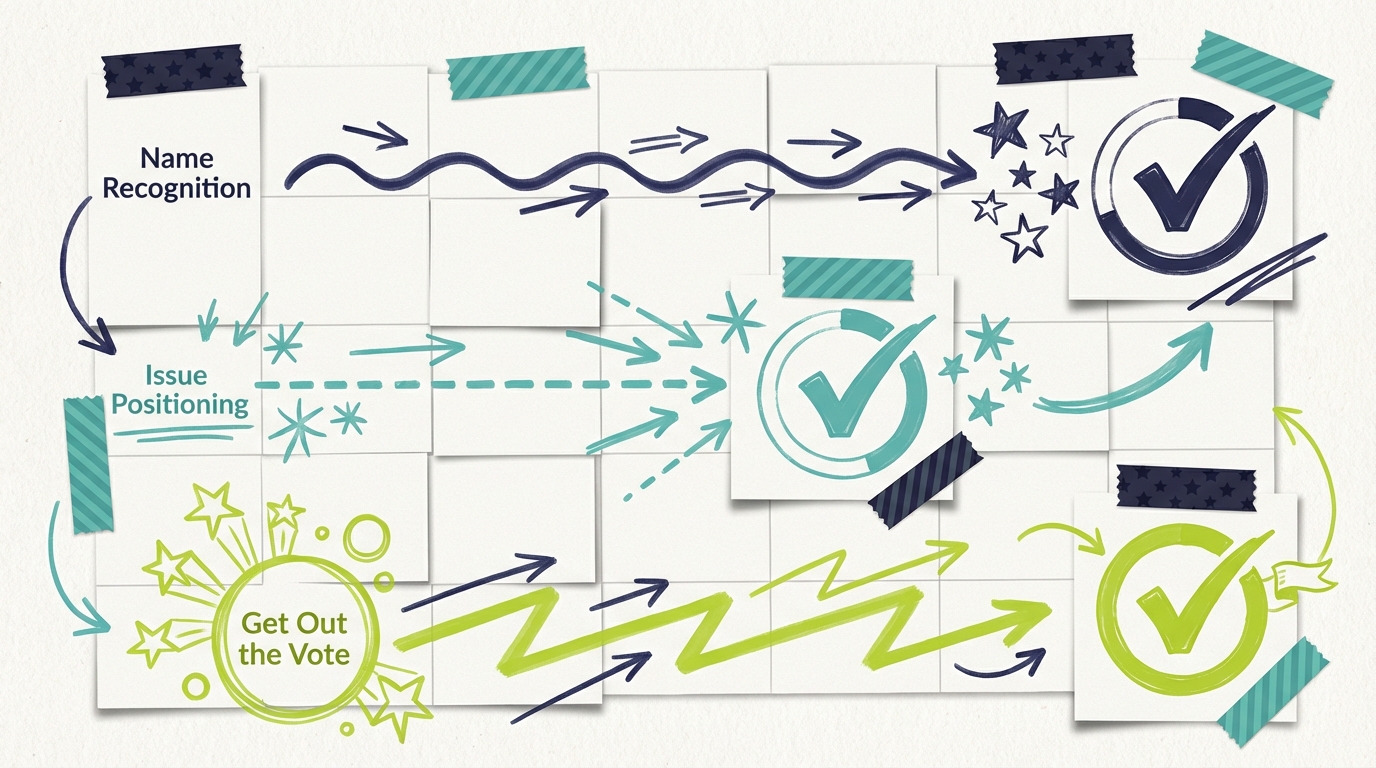
Phase 1: Name recognition (3-4 months before election) Introduce the candidate. Show their face, their family, their connection to the community. The goal is simple familiarity.
Phase 2: Issue positioning (6-8 weeks before election) Connect the candidate to 2-3 key issues that matter to the district. Education, property taxes, public safety. Keep it local and specific.
Phase 3: Persuasion and GOTV (final 2-3 weeks) This is where the intensity ramps up. Contrast ads, endorsement spots, and get-out-the-vote messages. Frequency matters most here.
Targeting Voters at the District Level
One of the biggest challenges for state legislature campaigns is geographic precision. Legislative districts don't align neatly with TV markets. A candidate running in a single state House district might sit inside a media market that covers dozens of other districts.
The Broadcast Problem
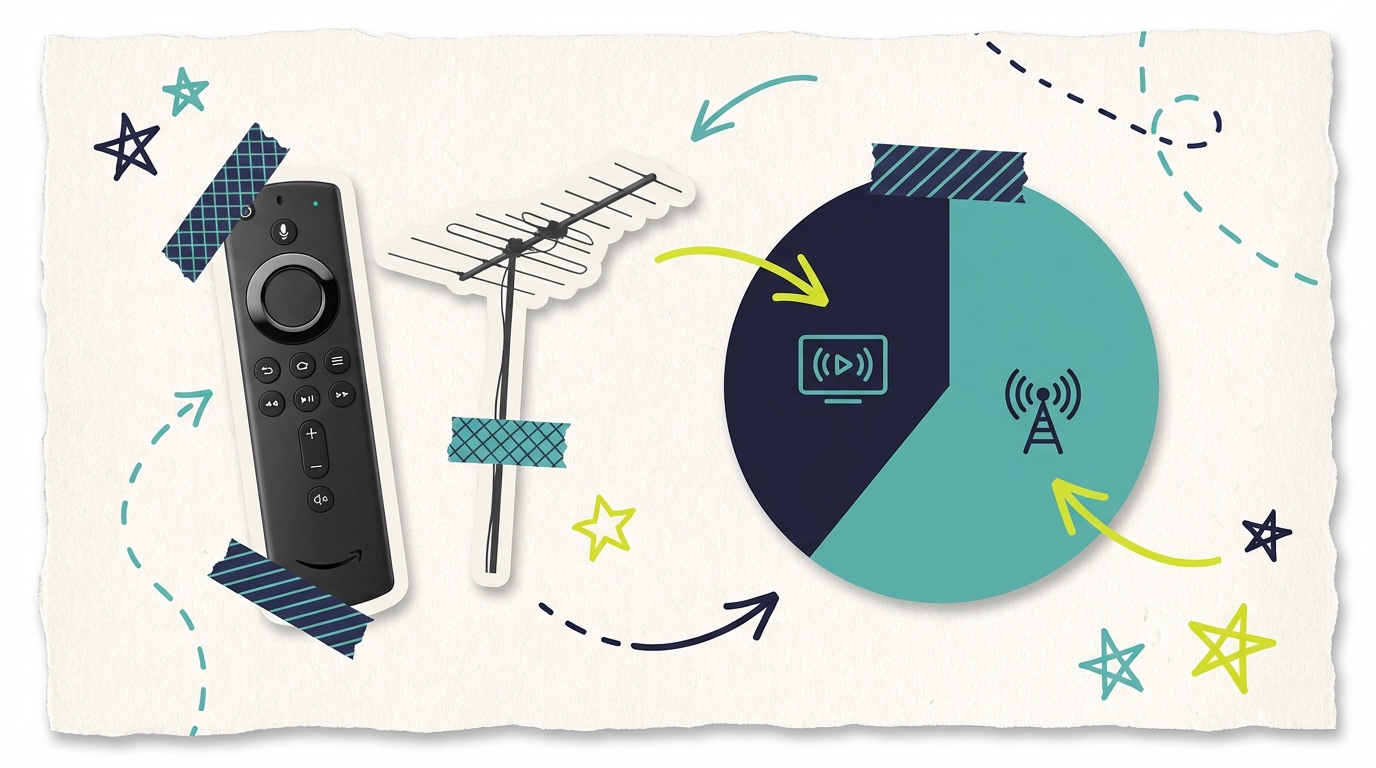
On broadcast TV, you're buying an entire designated market area (DMA). If your district covers 15% of a DMA's population, roughly 85% of your ad dollars reach people who can't even vote for you. That's a painful waste for campaigns operating on tight budgets.
The CTV Solution
CTV advertising solves this problem with precision targeting that broadcast can't match:
ZIP code targeting: Serve ads only to households within your legislative district
Voter file matching: Upload your voter file and target registered voters directly
Demographic layering: Layer age, income, and interest data on top of geographic targeting
Behavioral targeting: Reach voters who consume news content, follow political topics, or have visited political websites
This means a state House candidate can run TV ads that reach only the voters in their district, not the entire metro area. The efficiency difference is enormous.
Building Your Targeting Strategy
For a typical state legislature race, here's a targeting approach that works:
Start broad within your district: Target all households in your district's ZIP codes for name recognition
Narrow for persuasion: Use voter file matching to target registered voters, especially independents and soft partisans
Expand for GOTV: Widen back out to include likely supporters who need a nudge to vote
The ability to geotarget at the district level is what makes streaming TV viable for statehouse races that would otherwise be priced out of television.
Creating Effective Statehouse Campaign Ads
State legislature ads face a specific creative challenge: most voters have no idea who you are. Unlike governors or U.S. senators, statehouse candidates are starting from near-zero name recognition.
The 30-Second Formula That Works
The most effective state legislature ads follow a simple structure:
Seconds 1-5: The hook Lead with a local issue that hits home. "Property taxes in [District] went up 22% last year" or "Our kids deserve better than overcrowded classrooms."
Seconds 6-15: The candidate Introduce yourself in the context of the issue. You're not just a politician. You're a parent, a small business owner, a neighbor who sees the same problems.
Seconds 16-25: The plan One or two specific actions you'll take. Voters in state races respond to concrete promises, not vague aspirations.
Seconds 26-30: The ask Your name, the office, the election date. Make it impossible to forget.
Creative Tips for State Races
Keep it hyper-local. Reference specific neighborhoods, schools, roads, and landmarks. The more locally rooted your ad feels, the more it resonates.
Show your face early and often. State legislature voters are picking a person, not just a party. Your face should appear in the first five seconds and stay on screen for at least half the ad.
Use real constituents. Testimonials from real people in the district carry more weight than polished narration. A neighbor vouching for you is more powerful than any endorsement graphic.
Don't over-produce. Statehouse races benefit from authenticity. An ad that looks like it was shot by Hollywood can work against you at the local level. Professional but approachable is the sweet spot.
Streaming vs. Broadcast: Where to Allocate Your Budget
The right mix depends on your district, your budget, and your voters. Here's a framework for deciding:
When to Prioritize Streaming (CTV)
Tight district boundaries: When your district is a small slice of a large DMA
Younger electorate: Districts with higher concentrations of voters under 45
Limited budget: When you can't afford the waste of broad DMA buys
Targeted messaging: When you need to show different ads to different voter segments
When to Include Broadcast
District aligns with DMA: When your district covers most of a media market
Older electorate: Districts with heavy 65+ populations still index high on linear TV
Statewide visibility: If you're also building toward a future statewide run
A Balanced Approach
For most competitive state legislature races in 2026, a 60/40 split favoring CTV over broadcast is a good starting point. Adjust based on your district's demographics:
Remember: 28% of swing voters are exclusively reachable via streaming, while 18% are exclusively on linear TV (Arena Wins Blog, March 2025). An either/or approach leaves voters on the table.
Compliance and Disclosure Requirements
Political advertising on TV comes with legal requirements that vary by state and platform. Getting this wrong can result in fines, pulled ads, or worse, negative press coverage.
Federal Requirements
"Paid for by" disclosure: All political ads must include sponsor identification
Candidate appearance: If the candidate appears in the ad, a "stand by your ad" statement is typically required for federal races (state rules vary)
Record keeping: Stations must maintain public files of political ad purchases
State-Level Variations
State disclosure requirements vary significantly. Some key considerations:
Disclaimer format: Some states specify the size, placement, and duration of on-screen disclaimers
Filing requirements: Many states require campaigns to file advertising spending reports
Content restrictions: Some states restrict certain types of claims or require source citations for statistics
CTV-Specific Compliance
Streaming platforms have their own ad policies. Most major platforms:
Require clear sponsor identification
Review political ads before they air
May restrict targeting based on sensitive categories
Have specific creative specifications for disclaimer text
Work with your campaign's legal counsel to ensure compliance across all platforms. The rules are evolving, and what worked in 2024 may not meet 2026 requirements.
Timing Your Ad Campaign
For state legislature races, timing isn't just about when to start. It's about when to intensify.
The Campaign Timeline
6 months out (May-June for November elections): Begin building name recognition on CTV. Low-frequency, broad reach within your district. This is where you introduce yourself.
4 months out (July-August): Increase frequency and begin issue-focused messaging. Start building your voter file targeting lists.
8 weeks out (September): Full campaign mode. Run persuasion ads targeting undecided voters. Test multiple creative variations.
Final 4 weeks (October): Maximum frequency. Add contrast messaging if appropriate. Layer in GOTV ads targeting your supporters.
Final week: Go heavy on GOTV. Focus on turnout messaging for identified supporters.
Avoiding the Rush
One advantage of starting early on CTV: you avoid the broadcast ad crunch. In the final weeks before an election, broadcast TV inventory gets extremely expensive as every race from the top of the ticket down competes for limited airtime. CTV inventory is more flexible, though costs do rise as Election Day approaches.
Programmatic buying through streaming platforms lets you lock in rates and inventory earlier, protecting your budget from last-minute price spikes.
Measuring What's Working
State legislature campaigns often skip measurement because they assume TV is too hard to track. That's no longer true, especially on CTV.
Key Metrics to Track
Reach and frequency: How many unique voters in your district have seen your ad, and how many times?
Completion rate: What percentage of viewers watched your entire ad? CTV ads typically see 90-98% completion rates, far higher than digital video (Innovid, 2025).
Website visits: Track spikes in campaign website traffic after ad flights.
Search lift: Monitor increases in searches for your name or campaign.
Voter surveys: If budget allows, track name recognition and favorability through polling.
Attribution for Statehouse Races
For campaigns that want deeper attribution, CTV platforms can provide:
Household-level reporting: See which households were served ads
Voter file match-back: Cross-reference ad exposure with voter turnout data after the election
Cross-device tracking: Understand if voters who saw your TV ad later visited your website on their phone
This data isn't just useful for the current race. It builds a playbook for future campaigns.
Getting Started with TV Advertising for Your Statehouse Race
You don't need a massive war chest to get on TV. Platforms like Adwave let campaigns create and launch TV ads starting at just $50, with AI-powered ad creation that turns your campaign website into a broadcast-quality commercial in minutes.
Here's a quick-start plan:
Define your district: Identify the ZIP codes that make up your legislative district
Set your budget: Even $500-$1,000 per month can build meaningful reach in a targeted district
Create your ad: Focus on one clear message per ad. You can always run multiple creatives.
Target your voters: Use geographic targeting to stay within your district boundaries
Launch and monitor: Start early, measure results, and adjust as you learn
The campaigns that win statehouse races in 2026 will be the ones that meet voters where they're watching. For a growing majority, that's on streaming TV.
Common Questions Answered
How much does it cost to run a TV ad for a state legislature race? Costs vary widely depending on your market and targeting approach. Broadcast TV in a major metro can cost $5,000 or more per week, with much of that reaching voters outside your district. CTV advertising offers more efficient spending, with some platforms allowing campaigns to start for as little as $50 and target only the households within your legislative district.
Can I target just the voters in my legislative district? Yes, and this is one of CTV's biggest advantages for statehouse races. You can target by ZIP code, upload voter files for direct matching, and layer demographic data on top. This means your ad dollars only reach people who can vote for you, rather than the entire media market.
When should I start running TV ads for a state legislature race? For competitive races, starting six months before Election Day gives you time to build name recognition before the final sprint. If your budget is limited, focus your spending in the final 8-10 weeks when voter attention to the election peaks. Either way, earlier is generally better for down-ballot races where name recognition starts near zero.
Do I need a professional production team to create a TV ad? Not anymore. AI-powered platforms can generate broadcast-quality ads from your campaign website in minutes, and many successful statehouse campaigns use simple, authentic ads shot on phones or with minimal equipment. What matters most is a clear message, a visible candidate, and local relevance. Over-produced ads can feel out of place in local races.
How do I comply with political ad disclosure rules? Requirements vary by state and platform. At minimum, all political ads need a "paid for by" disclosure identifying the sponsor. Work with your campaign's legal team to understand your state's specific requirements for disclaimer format, placement, and filing. Most streaming platforms also review political ads before they air and have their own compliance requirements.


