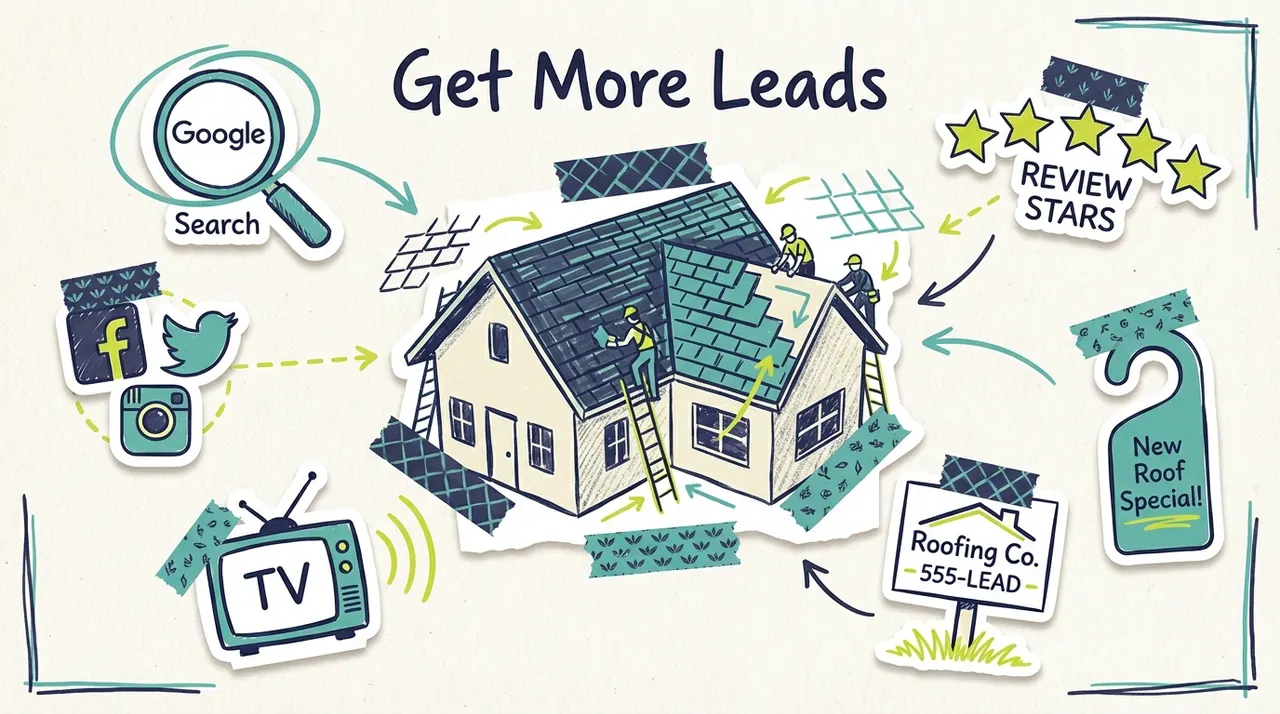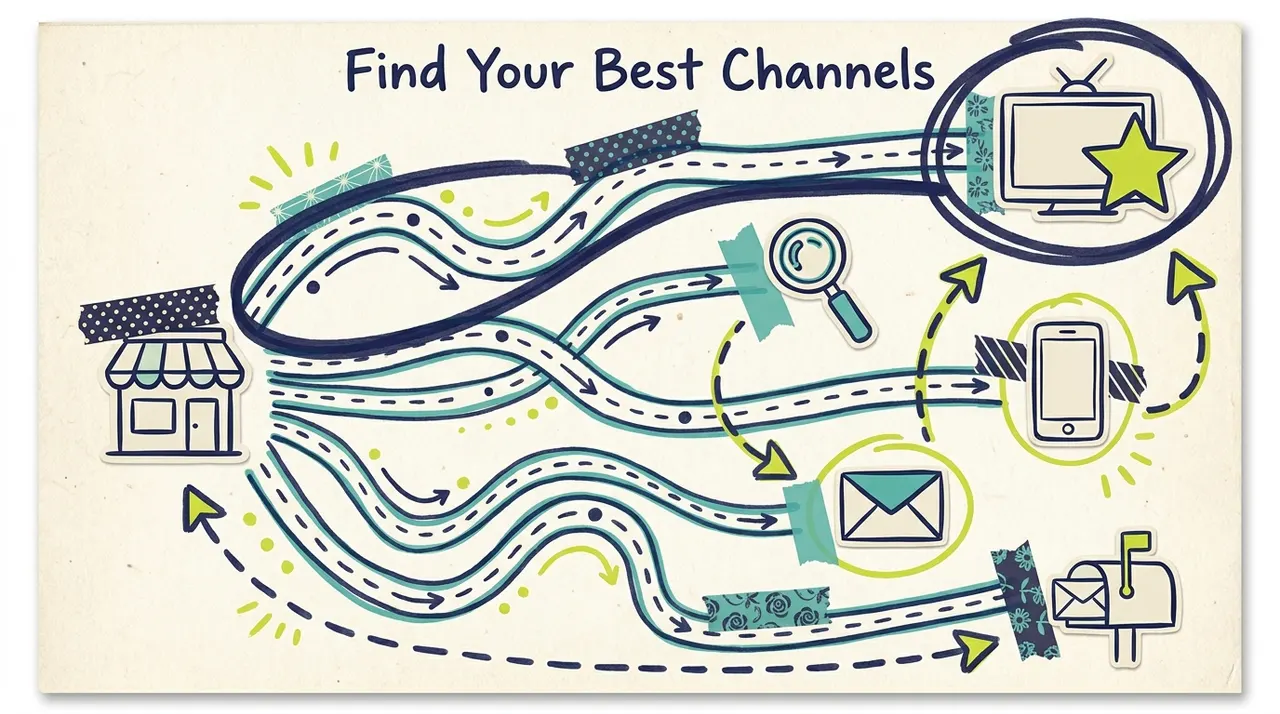
You've got a great product or service. Customers who find you love what you do. But the problem is simple: not enough people know you exist.
That's a branding problem, not a quality problem. And it's one that every small business faces at some point. You're competing for attention against companies with bigger budgets, more name recognition, and years of marketing momentum.
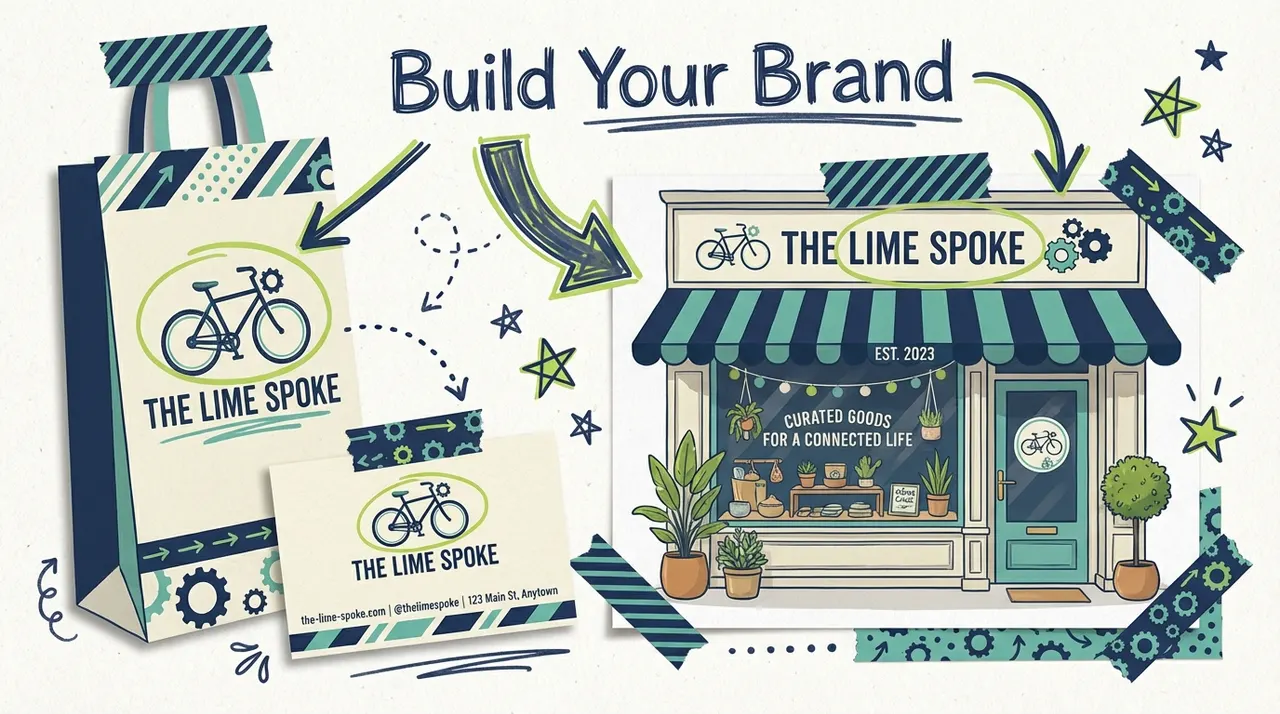
Branding isn't just a logo and color palette. It's the reason someone chooses you over the competition before they've even tried your product. It's the feeling people get when they see your name, hear about you from a friend, or spot your ad on TV.
Let's break down how small businesses can build brand recognition in 2026, even on a limited budget.
What Brand Recognition Means for Small Businesses
Brand recognition is simply whether people know who you are and what you do when they encounter your name. For a local plumber, it means being the first name that comes to mind when a pipe bursts. For an online store, it means someone clicking your ad because they've seen your name before.
There are two levels that matter. Brand awareness is whether someone has heard of you at all. Brand recall is whether they think of you first when they need what you sell. Most small businesses struggle with the first level, let alone the second.
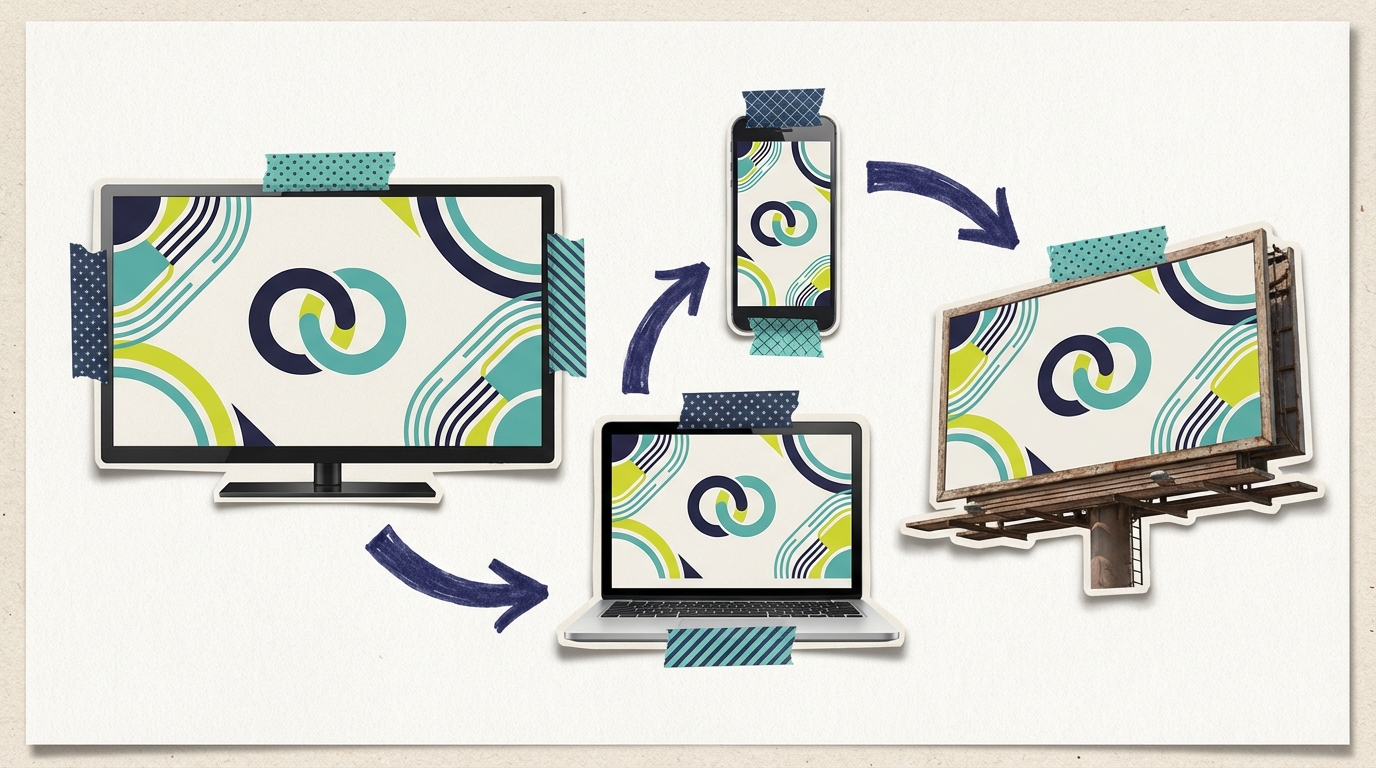
Building recognition doesn't require a massive budget. It requires consistency. According to marketing research, consumers need 5 to 7 impressions before they remember a brand. That means showing up repeatedly, across multiple channels, with a consistent message and visual identity.
Consistency Is the Foundation
Before spending a dollar on advertising, make sure your brand looks and sounds the same everywhere. This sounds basic, but the number of small businesses with different logos on their website, Google listing, and Facebook page is staggering. Every inconsistency makes you look smaller and less professional than you are.
The essentials to lock down first:
Visual identity: One logo, one color palette, one font system. Use them everywhere.
Voice and messaging: How you talk about your business should be the same on your website, social media, ads, and in person.
Value proposition: One clear sentence that explains what you do and why it matters. "We help [customer] do [thing] so they can [benefit]."
These don't need to be expensive. A clean logo from a designer on 99designs or Fiverr, a consistent color palette, and a clear one-liner can transform how professional your business appears.
Multi-Channel Presence: Show Up Where Your Customers Are

The biggest branding mistake small businesses make is putting all their effort into one channel. If you only post on Instagram, you only exist for people who use Instagram. If you only run Google Ads, you only reach people who are already searching.
True brand recognition requires a multi-channel approach. Your potential customers move between platforms, screens, and locations throughout their day. The brands they remember are the ones that show up in multiple places.
Here's what a practical multi-channel presence looks like for a small business:
Digital foundations:
Optimized Google Business Profile (for local businesses)
Active presence on 1 to 2 social platforms where your audience spends time
A website that clearly communicates what you do
Paid awareness channels:
Social media advertising (Facebook/Instagram for most local businesses)
Connected TV advertising on streaming platforms
Google Display ads for retargeting
Community presence:
Local sponsorships and events
Partnerships with complementary businesses
Direct mail for local awareness
You don't need to do all of these at once. Start with the foundations, then layer in paid channels as your budget allows.
TV Advertising: The Credibility Accelerator
There's something about seeing a business on TV that changes how people perceive it. A company that advertises on TV feels established, trustworthy, and serious, even if they launched last month.
This isn't just perception. Research shows TV advertising generates 2.2 times more trust than digital display ads. For small businesses trying to build brand recognition quickly, that trust multiplier is enormously valuable.
The barrier used to be cost. A single TV ad spot could cost thousands of dollars before you even factored in production. That's changed completely with connected TV.
With Adwave, you can create a professional 30-second TV commercial in about two minutes, using your existing website or social profiles as the creative source. Your ad runs across 100+ premium streaming channels like NBC, Hulu, ESPN, and Fox. The minimum budget is just $50, and you can target by location to reach your specific community.
For brand building specifically, CTV works because of three factors: the large screen commands attention (no scrolling past), completion rates exceed 95% (people watch your full ad), and the premium environment (your ad runs alongside content from trusted networks) creates positive brand associations.
Social Media: Building Relationships at Scale
Social media isn't great at direct sales for most small businesses. What it is great at is keeping your brand visible between purchases, building a personality that people connect with, and creating content that gets shared.
For branding, focus on two things: consistency and personality.
Consistency means posting regularly (3 to 5 times per week on your primary platform) with visuals that match your brand. Use templates so every post is instantly recognizable as yours. Tools like Canva make this straightforward.
Personality means showing the human side of your business. Behind-the-scenes content, team introductions, customer stories, and honest takes on your industry all build the kind of brand connection that turns followers into fans.
Paid social media amplifies this. Even $10 to $20 per day on Facebook and Instagram can dramatically increase the reach of your best content. Boosting your top-performing organic posts is the simplest way to start, because you already know the content resonates.
Local Partnerships and Community Marketing
For local businesses, community involvement builds brand recognition in ways that digital advertising can't fully replicate. When your name is on the back of a Little League jersey or you're sponsoring the local 5K, you become part of the community fabric.
Effective local branding strategies:
Cross-promotions: Partner with complementary businesses to reach each other's customers. A gym and a health food store, a wedding photographer and a florist, a dentist and an orthodontist.
Event sponsorship: Local events put your brand in front of hundreds or thousands of community members. Choose events that match your audience.
Chamber of Commerce and BNI groups: These provide networking plus brand visibility in business directories and publications.
Local PR: A story in the local newspaper or on a local news site creates credibility and awareness that money can't directly buy. Pitch stories about community involvement, unique business practices, or local impact.
Email Marketing: Staying familiar
Email is the branding channel most small businesses underuse. Not for selling (though that matters too) but for staying in your customers' heads between purchases.
A simple monthly newsletter that shares useful tips, behind-the-scenes stories, or industry updates keeps your brand visible in a space that's more personal than social media: the inbox. Unlike social media where algorithms control who sees your content, email reaches everyone on your list.
For branding purposes, every email should look like your brand. Use your colors, include your logo, and write in your brand voice. Over time, your subscribers start recognizing your emails before they even read the subject line. That's brand recognition at work.
The most effective email strategy for brand building isn't complicated: one value-packed email per week or every two weeks, consistently. A restaurant might share the week's specials and a recipe. A contractor might share seasonal home maintenance tips. A retailer might highlight new arrivals and styling advice. The content reinforces your expertise while keeping your name in rotation.
Content Marketing and SEO
Creating useful content builds brand recognition over time by positioning you as the expert in your field. When someone Googles a question related to your business and finds a helpful answer on your blog, they've just had a positive brand experience before you've ever asked for their business.
For small businesses, content doesn't need to mean daily blog posts. One solid article per month that answers a question your customers frequently ask can build organic traffic and brand awareness over 6 to 12 months. Repurpose that content into social media posts, email newsletters, and even video scripts to multiply its impact.
Local businesses can also create location-specific content that ranks for "[service] in [city]" searches. This captures geographically targeted traffic and builds brand recognition within your service area.
Branding on a Budget: Prioritization Framework
If your budget is tight, here's the order of operations that gives you the biggest branding return for each dollar:
Phase 1: Lock down the basics ($0 to $200) Get a professional logo, choose your colors and fonts, write your one-liner value proposition, and make sure everything matches across your website, Google listing, and social profiles. This is free besides the logo.
Phase 2: Claim your digital territory ($0/month) Optimize your Google Business Profile. Post weekly. Respond to every review. Claim profiles on Yelp, Facebook, and industry-specific directories. Start posting on your strongest social media platform 3 times per week.
Phase 3: Add paid awareness ($200 to $500/month) Start a CTV campaign through Adwave for TV-level credibility at a small business price. Boost your best social media content. These two channels give you broad, trust-building visibility.
Phase 4: Expand and compound ($500+/month) Add a second social platform. Launch a monthly email newsletter. Start creating SEO content. Sponsor a local event. At this stage, your brand is showing up in enough places that recognition starts compounding, and every new channel works harder because people have already seen you elsewhere.
The compounding effect is the key insight. A customer who sees your TV ad, then sees your Facebook post, then gets a referral from a friend is exponentially more likely to become a customer than someone who encounters you through just one channel. Each touchpoint reinforces the others.
Measuring Brand Recognition
Brand awareness is harder to measure than clicks and conversions, but it's not impossible. Here are the metrics that tell you if your branding efforts are working:
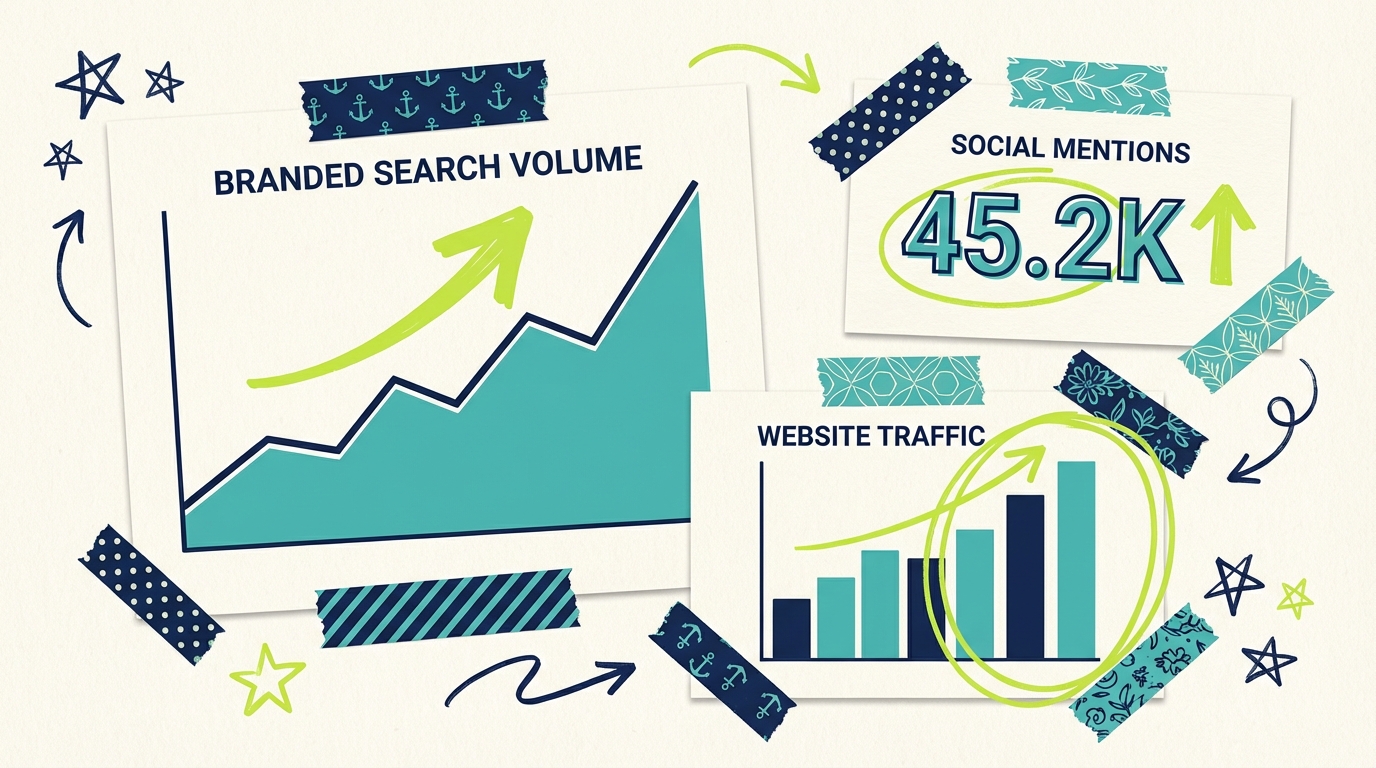
Branded search volume: Track how many people Google your business name each month. This is the most direct measure of brand awareness.
Direct website traffic: People who type your URL directly have brand recall.
Social media mentions: How often people talk about your business without you tagging or prompting them.
"How did you hear about us?": The simplest tool. Ask every new customer. Track the answers.
Share of voice: How visible is your brand compared to competitors in local search, social media, and advertising?
If you're running TV ads through Adwave, watch for increases in branded search and direct traffic during and after campaigns. These are the clearest signals that awareness is translating into recognition.
Common questions answered
How long does it take to build brand recognition for a small business? Expect 6 to 12 months of consistent effort before you notice significant changes in metrics like branded search volume and unsolicited mentions. Individual channels can show results faster, but true brand recognition is a compounding effect that builds over time. The key word is consistent. Sporadic efforts produce sporadic results.
What's the minimum budget for building a brand? You can build meaningful brand awareness on $500 to $1,000 per month by combining free channels (social media, Google Business Profile, content marketing) with small paid campaigns. A CTV campaign starting at $50 adds a trust-building TV presence without breaking the bank. Focus your paid budget on one or two channels rather than spreading thin.
Is branding different from advertising? Branding is who you are, how you look, and what you stand for. Advertising is how you communicate that to people. You need both. Strong branding without advertising means nobody sees it. Advertising without strong branding means people see you but don't remember you. Start with a clear brand identity, then amplify it through advertising.
Should I hire a branding agency or do it myself? For most small businesses, starting with DIY is fine. Get a professional logo designed ($200 to $500), choose a consistent color palette, write your value proposition, and create templates for your marketing materials. If you're at the point where you're spending $3,000+ per month on marketing and want to level up, a branding consultant or agency can refine your positioning and visual system.
How do I know if my branding is working? The clearest signals are increases in branded search (people Googling your business name), direct traffic to your website, and customers saying "I've seen you around" or "I keep seeing your ads." Also watch for improvements in your paid advertising metrics. When brand awareness is strong, your click-through rates and conversion rates on paid campaigns improve because people recognize and trust you.